John W. Boyer – författare
Visar alla böcker från författaren John W. Boyer. Handla med fri frakt och snabb leverans.
16 produkter
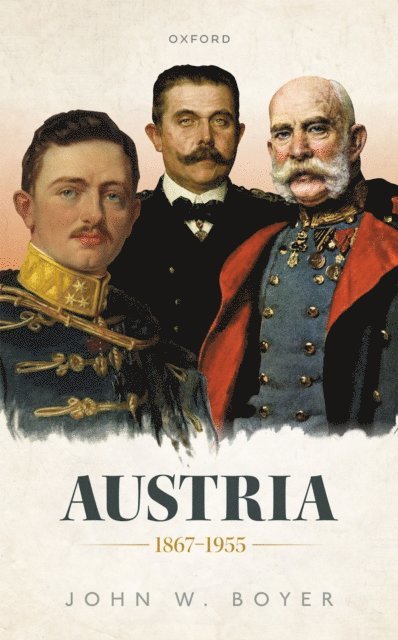
Austria 1867-1955
E-bok, 2022
453 kr
Lägg i varukorg
Austria 1867-1955 connects the political history of German-speaking provinces of the Habsburg Empire before 1914 (Vienna and the Alpine Lands) with the history of the Austrian Republic that emerged in 1918. John W. Boyer presents the case of modern Austria as a fascinating example of democratic …
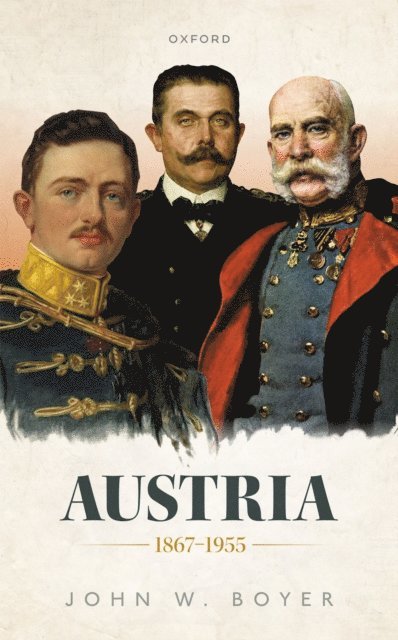
Austria 1867-1955
E-bok, 2022
453 kr
Lägg i varukorg
Austria 1867-1955 connects the political history of German-speaking provinces of the Habsburg Empire before 1914 (Vienna and the Alpine Lands) with the history of the Austrian Republic that emerged in 1918. John W. Boyer presents the case of modern Austria as a fascinating example of democratic …
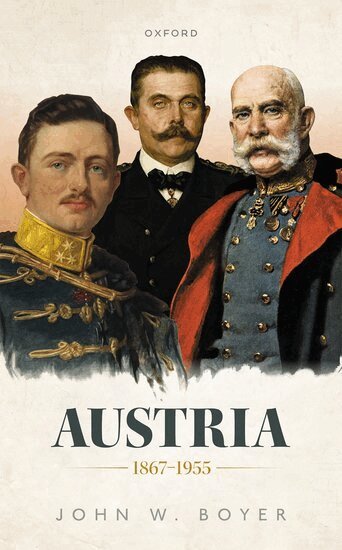
Austria 1867-1955
Inbunden, 2022
630 kr
Lägg i varukorg
Austria 1867-1955 connects the political history of German-speaking provinces of the Habsburg Empire before 1914 (Vienna and the Alpine Lands) with the history of the Austrian Republic that emerged in 1918. John W. Boyer presents the case of modern Austria as a fascinating example of democratic …
University of Chicago Readings in Western Civilization, Volume 1
The Greek Polis
Av Arthur W. H. Adkins, Peter White m. fl.
Häftad, 1986
334 kr
Lägg i varukorg
The University of Chicago Readings in Western Civilization (nine volumes) makes available to students and teachers a unique selection of primary documents, many in new translations. These readings, prepared for the highly praised Western civilization sequence at the University of Chicago, were …
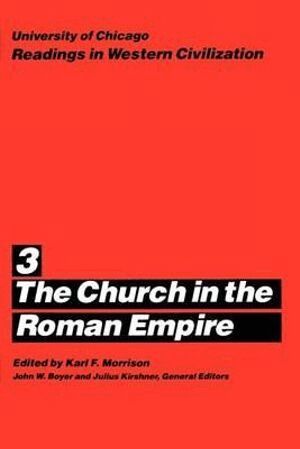
Church in the Roman Empire
Av Karl F. Morrison, Karl F. Morrison m. fl.
Häftad, 1986
325 kr
Lägg i varukorg
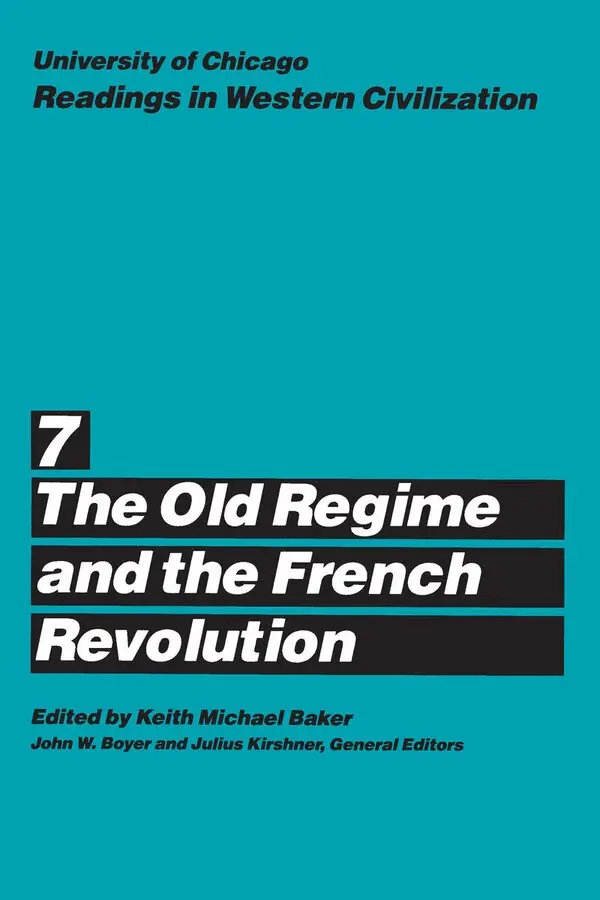
University of Chicago Readings in Western Civilization, Volume 7
The Old Regime and the French Revolution
Av Keith M. Baker, John W. Boyer m. fl.
Häftad, 1987
317 kr
Lägg i varukorg
The University of Chicago Readings in Western Civilization (nine volumes) makes available to students and teachers a unique selection of primary documents, many in new translations. These readings, prepared for the highly praised Western civilization sequence at the University of Chicago, were …
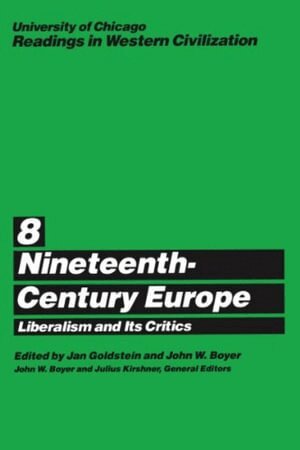
Readings in Western Civilization
Av John W. Boyer, Jan E. Goldstein m. fl.
Häftad, 1987
379 kr
Lägg i varukorg
Readings in Western Civilization
Av John W. Boyer, John W. Boyer m. fl.
Häftad, 1987
825 kr
Lägg i varukorg
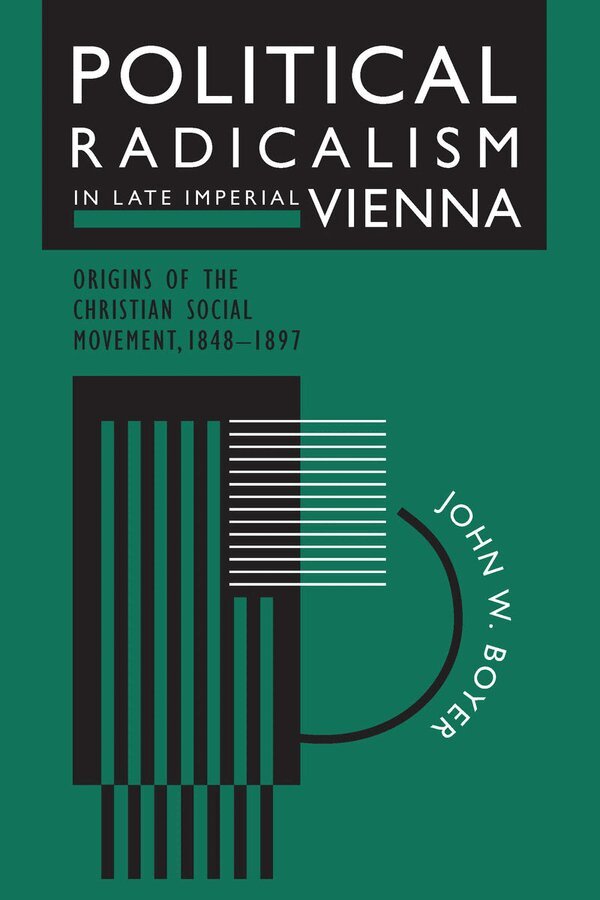
Political Radicalism in Late Imperial Vienna
Origins of the Christian Social Movement, 1848-1897
Häftad, 1995
440 kr
Lägg i varukorg
This text, winner of the John Gilmary Shea Prize, examines the social and political atmosphere of late imperial Vienna. It traces the demise of Vienna's liberal culture and the growth of a new radicalism, exemplified by the rise of Karl Lueger and the Christian Socialist Party during the latter …
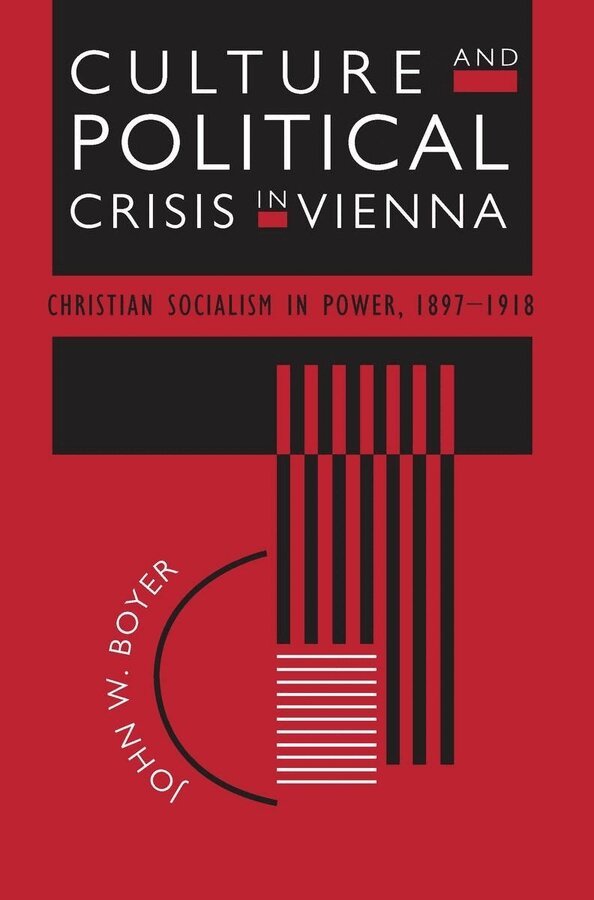
Culture and Political Crisis in Vienna
Christian Socialism in Power, 1897-1918
Häftad, 1998
662 kr
Lägg i varukorg
In this sequel to "Political Radicalism in Late Imperial Vienna", John Boyer continues the history of the Christian Social Movement after founder Karl Lueger's rise to power in Vienna in 1897. He traces its evolution from a group of disparate ward politicians, through its maturation into the …
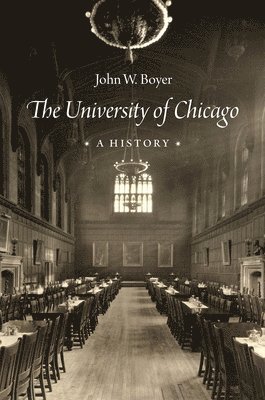
University of Chicago
A History
Inbunden, 2024
317 kr
Lägg i varukorg
An expanded narrative of the rich, unique history of the University of Chicago.One of the most influential institutions of higher learning in the world, the University of Chicago has a powerful and distinct identity, and its name is synonymous with intellectual rigor. With nearly 170,000 alumni …
Osterreich 1867-1955: Aus Dem Englischen Ubersetzt Von Otmar Binder
Inbunden, 2025
609 kr
Lägg i varukorg
University of Chicago Readings in Western Civilization, Volume 1
The Greek Polis
Av Arthur W. H. Adkins, Peter White m. fl.
Inbunden, 1986
467 kr
Tillfälligt slut
The University of Chicago Readings in Western Civilization (nine volumes) makes available to students and teachers a unique selection of primary documents, many in new translations. These readings, prepared for the highly praised Western civilization sequence at the University of Chicago, were …
Culture and Political Crisis in Vienna
Christian Socialism in Power, 1897-1918
Inbunden, 1995
763 kr
Tillfälligt slut
In this sequel to "Political Radicalism in Late Imperial Vienna", John Boyer picks up the history of the Christian Social movement after founder Karl Lueger's rise to power in Vienna in 1897 and traces its evolution from a group of disparate ward politicians, through its maturation into the largest …
EUtROPEs
The Paradox of European Empire
Av John W. Boyer, Berthold Molden
Häftad, 2015
242 kr
Tillfälligt slut
Cahiers Parisiens/Parisian Notebooks publish selected papers drawn from the various advanced-level activities at the University of Chicago Center in Paris. In Volume Seven, scholars from across the continent consider Europe as a discourse made of the sediments of historical experience and utopian …