John W Chapman - Böcker
Visar alla böcker från författaren John W Chapman. Handla med fri frakt och snabb leverans.
17 produkter
17 produkter
671 kr
Skickas inom 10-15 vardagar
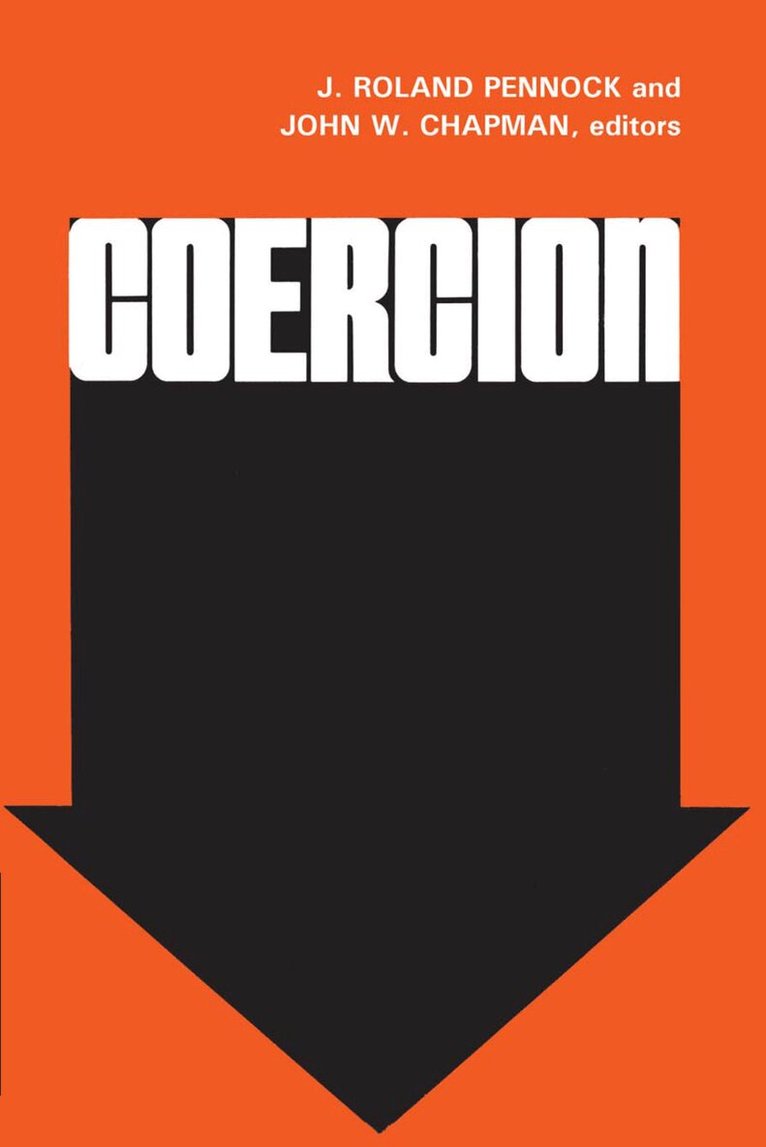
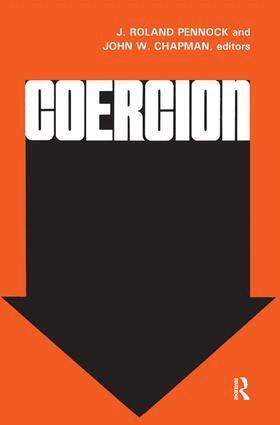
Coercion, it seems, like poverty and prejudice, has always been with us. Political thinkers and philosophers have been arguing its more direct and personal consequences for centuries. Today, at a point in history marked by dramatic changes and challenges to the existing military, political, and social order, coercion is more at the forefront of political activity than ever before. While the modern state has no doubt freed man from some of the forms of coercion by which he has traditionally been plagued, we hear now from all sectors of society complaints about systematic coerciveness-not only on the national and international levels, but on the individual level as well.
671 kr
Skickas inom 10-15 vardagar
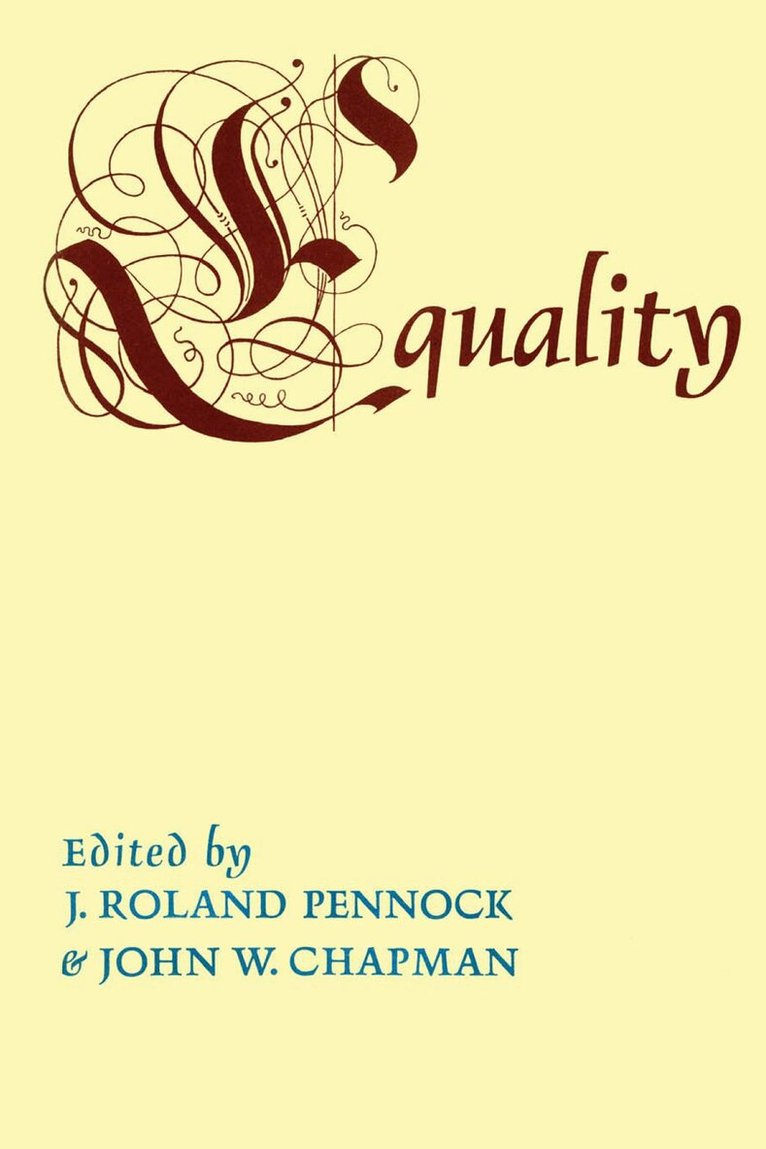
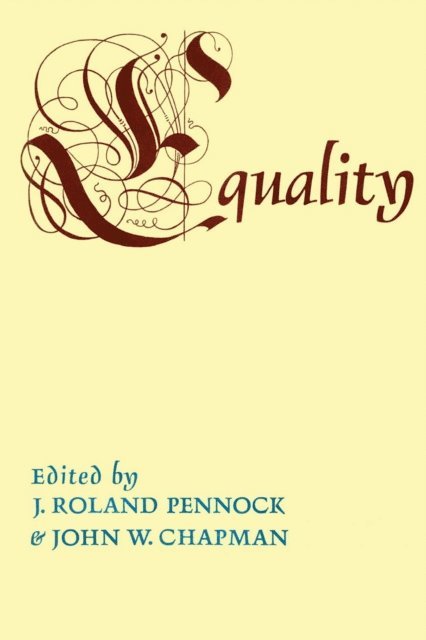
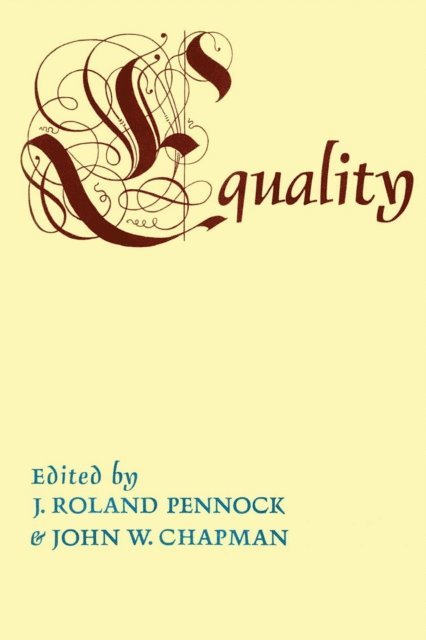
Equality--the battle cry of the French Revolution--has come to be accepted as everyone's birthright today. But what is equality? Is it a chimera in a world manifestly still abounding in inequality among individuals, nations, and races? To this eternally fascinating subject, eighteen outstanding political scientists, jurists, and philosophers address themselves with vigor and profundity in this important and illuminating work.Part I deals with fundamental concepts of equality. The first paper in this section explores such issues as the meaning, the justification, and the dialectics of equality, wherein some of its manifestations are confronted and limited by others. While the second paper criticizes the first essay and examines the legal aspects of equality. Another paper pursues the notion of proportionate equality to what he views as its ultimate reality: that of a purely formal logical concept, while another argues that "egalitarianism" has reference to human interests, which in fact give it content. Another viewpoint considers how far different kinds of equality are compatible with one another and with the enlargement of freedom and fraternity in industrial society. The final paper in this section talks widely over basic issues raised by the various interpretations of equality.Part II deals with sources of beliefs about equality. The papers in this section consider the implications for egalitarianism of Christianity, Judaism, and Hinduism. The final essay in this section surveys the treatment of and implications for egalitarianism in the thinking of the existentialists.Part III is concerned with the political and legal applications of equality. One of the papers suggests that Tocqueville's "providential fact of the gradual development of the principle of equality" might possibly be on the eve of a reversal, and concludes with justification of political equality. Another attacks the notion of equality of opportunity, contending that it is not an authentic expression of the democratic ideal and temper, which requires instead an "affirmation of being and belonging." Following that the highly topical problem of equality in the administration of justice is discussed as well as, the deals with many subtle distinctions involved in the application of the idea of equality to the rule of law. The book concludes with the topic of treatments of the problem of equality in the realm of international politics and organization.
685 kr
Skickas inom 10-15 vardagar
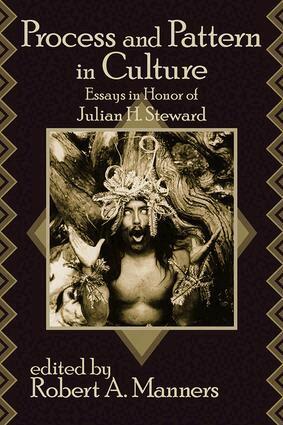
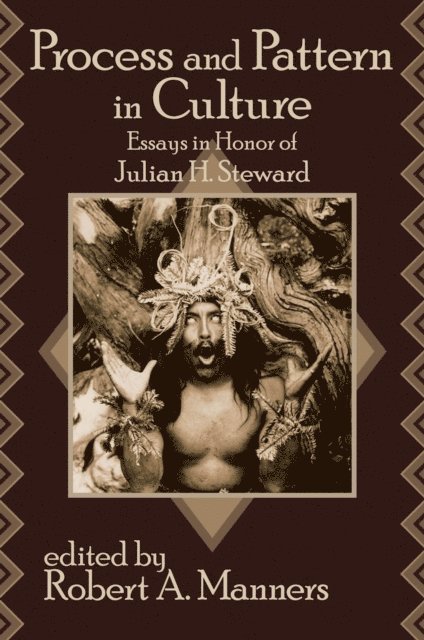
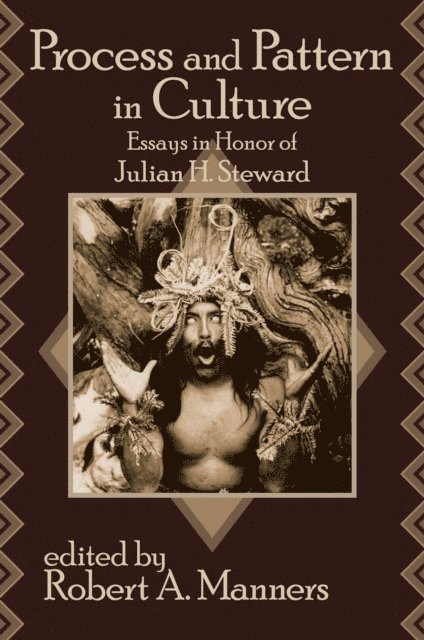
This festschrift commemorates Julian H. Steward. The essays were contributed by former students, colleagues, and other anthropologists whose research or thinking has been influenced by him. There was no preconceived attempt to give the volume any greater sense of unity or to impose upon the contributors any restrictions as to subject matter. On the contrary, each author was urged to write on an anthropological topic of greatest current interest to himself. Many of the essays could be placed just as handily within a division other than the one to which they have arbitrarily been assigned in the book. This kind of interchangeability may reflect, in some measure, the interrelatedness of Steward's contributions to anthropological theory.The broad relevance of all the selections to Steward's work could reflect also the extent to which his interests continue to be reflected in the work of anthropologists influenced by him. It could also reflect a parallelism of theoretical concerns within the profession that stem from the cultural ambience that produced Steward himself. Parallelisms and convergence are aspects of the kind of cultural determinism which has claimed Steward's attention during the many years that he fought a fairly lonely battle to establish the respectability of evolutionism in anthropology. Now that respectability has been achieved--with an almost bandwagon fervor--it is clear that Steward, as much as anyone else in anthropology, was "responsible" for the change.The essays in this collection are at once a vindication of his patience, an evidence of the high status he enjoys among anthropologists, and a testimony to the impact of his unusual creativity on his colleagues.
665 kr
Skickas inom 3-6 vardagar
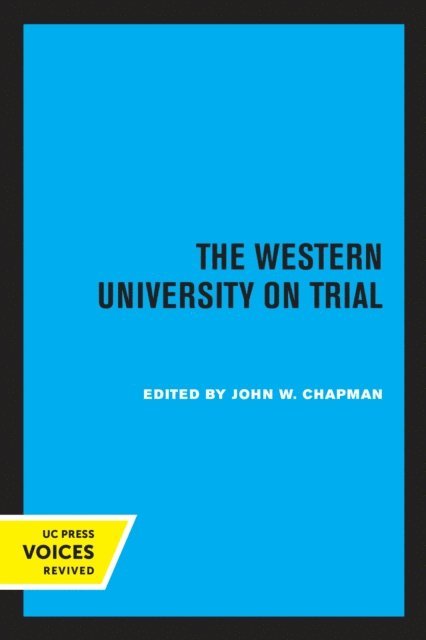
The Western University on Trial, edited by John W. Chapman, examines the moral, political, and intellectual crises facing higher education across Europe and North America. Originating in the deliberations of the International Council on the Future of the University, the volume gathers leading scholars to assess how universities—traditionally devoted to the pursuit of truth—have been destabilized by politicization, democratization, and declining professional standards. Contributors trace the history of the “university emergency” from student unrest in the 1960s to contemporary debates over tenure, academic freedom, research funding, and the proper relationship between universities and governments. Their shared concern is the erosion of competitive merit and intellectual autonomy, which they argue must remain the defining principles of the Western academic tradition.Organized in three parts, the book moves from philosophical reflections on the university’s purpose to analyses of research policy and institutional organization, and finally to the practical challenge of restoring academic standards. Essays engage classic liberal thinkers such as Mill and Tocqueville while probing contemporary dilemmas ranging from grade inflation and faculty unionization to federal regulation and the pressures of vocationalism. Chapman’s introduction frames the volume around the concept of an “academic constitution”—a set of principles and procedures designed to safeguard intellectual progress against factionalism, political intrusion, and professional complacency. By diagnosing the trials of the Western university as both cultural and structural, The Western University on Trial offers not only a critique of current failures but also a prescription for constitutional renewal. It is an essential work for scholars, administrators, and policymakers concerned with the future of higher education.This title is part of UC Press's Voices Revived program, which commemorates University of California Press’s mission to seek out and cultivate the brightest minds and give them voice, reach, and impact. Drawing on a backlist dating to 1893, Voices Revived makes high-quality, peer-reviewed scholarship accessible once again using print-on-demand technology. This title was originally published in 1983.
1 469 kr
Skickas inom 3-6 vardagar
The Western University on Trial, edited by John W. Chapman, examines the moral, political, and intellectual crises facing higher education across Europe and North America. Originating in the deliberations of the International Council on the Future of the University, the volume gathers leading scholars to assess how universities—traditionally devoted to the pursuit of truth—have been destabilized by politicization, democratization, and declining professional standards. Contributors trace the history of the “university emergency” from student unrest in the 1960s to contemporary debates over tenure, academic freedom, research funding, and the proper relationship between universities and governments. Their shared concern is the erosion of competitive merit and intellectual autonomy, which they argue must remain the defining principles of the Western academic tradition.Organized in three parts, the book moves from philosophical reflections on the university’s purpose to analyses of research policy and institutional organization, and finally to the practical challenge of restoring academic standards. Essays engage classic liberal thinkers such as Mill and Tocqueville while probing contemporary dilemmas ranging from grade inflation and faculty unionization to federal regulation and the pressures of vocationalism. Chapman’s introduction frames the volume around the concept of an “academic constitution”—a set of principles and procedures designed to safeguard intellectual progress against factionalism, political intrusion, and professional complacency. By diagnosing the trials of the Western university as both cultural and structural, The Western University on Trial offers not only a critique of current failures but also a prescription for constitutional renewal. It is an essential work for scholars, administrators, and policymakers concerned with the future of higher education.This title is part of UC Press's Voices Revived program, which commemorates University of California Press’s mission to seek out and cultivate the brightest minds and give them voice, reach, and impact. Drawing on a backlist dating to 1893, Voices Revived makes high-quality, peer-reviewed scholarship accessible once again using print-on-demand technology. This title was originally published in 1983.
821 kr
Skickas inom 10-15 vardagar
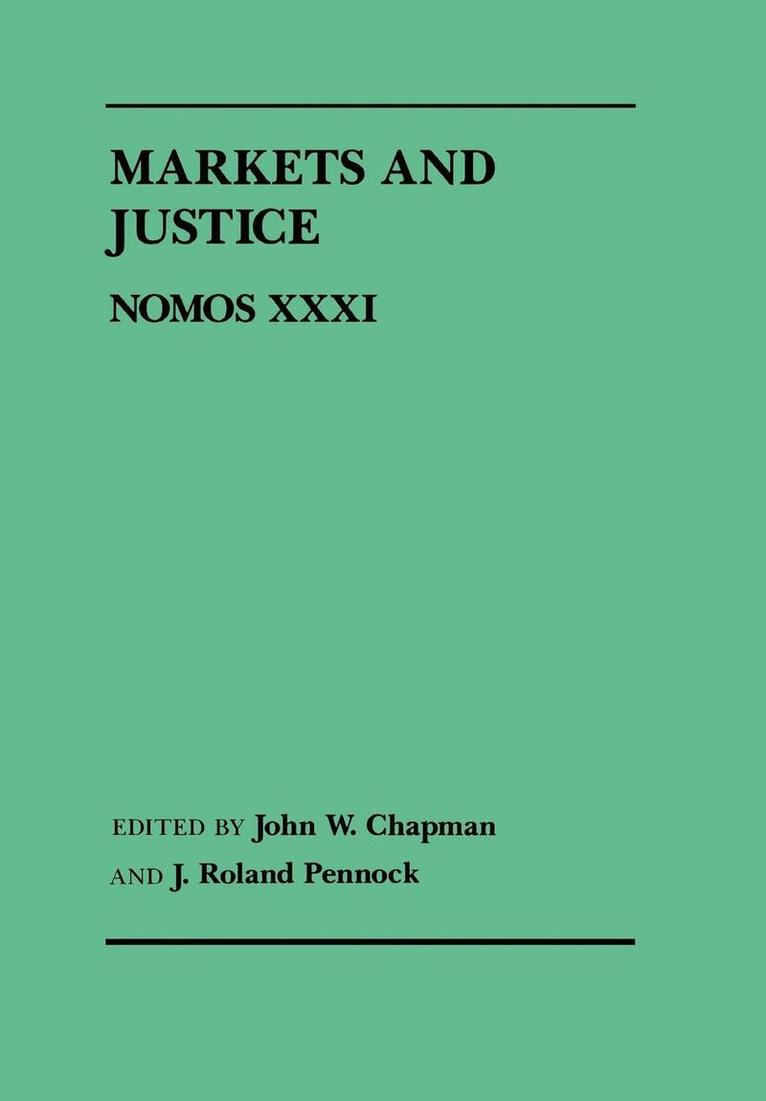
In this thirty-first annual volume in the American Society of Legal and Political Philosophy's NOMOS series, entitled Markets and Justice, a number of distinguished authors consider a variety of topics in the area where economics, philosophy, and political science join paths. Included are essays such as "Contractarian Method, Private Property, and the Market Economy," "Justice Under Capitalism," and "Market Choice and Human Choice." Authors include Joshua Cohen, MIT; Gerald F. Gaus, University of Queensland; Margaret Jane Radin, University of Southern California; and Andrzej Rapaczynski, Columbia University.
835 kr
Skickas inom 7-10 vardagar
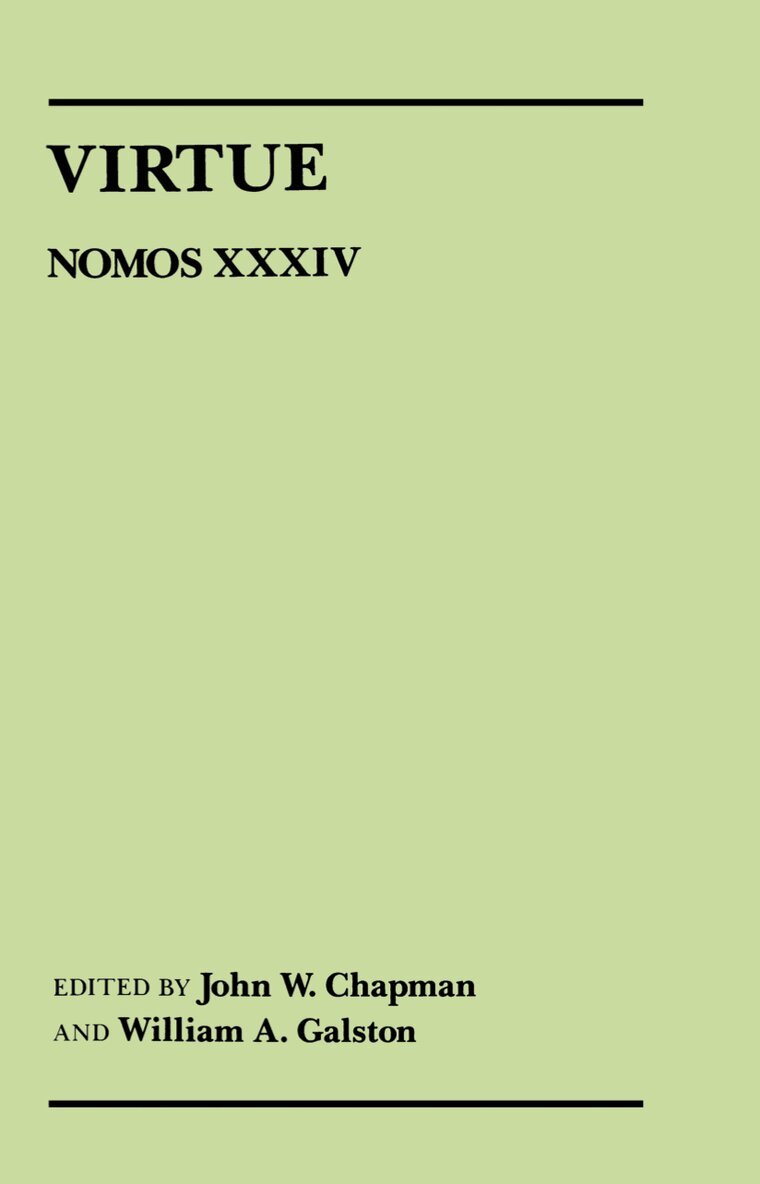
In the United States, there exists increasing uneasiness about the predominance of self-interest in both public and private life, growing fear about the fragmentation and privatization of American society, mounting concerns about the effects of institutionsranging from families to schools to the mediaon the character of young people, and a renewed tendency to believe that without certain traditional virtues neither public leaders nor public policies are likely to succeed. In this thirty-fourth volume in The American Society of Legal and Political Philosophy, a distinguished group of international scholars from a range of disciplines examines what is meant by virtue, analyzing various historical and analytical meanings of virtue, notions of liberal virtue, civic virtue, and judicial virtue, and the nature of secular and theological virtue.The contributors include: Jean Baechler (University of Paris-Sorbonne), Annette C. Baier (University of Pittsburgh), Ronald Beiner (University of Toronto), Christopher J. Berry (University of Glasgow), J. Budziszweski (University of Texas), Charles Larmore (Columbia University), David Luban (University of Maryland), Stephen Macedo (Harvard University), Michael J. Perry (Northwestern University), Terry Pinkard (Georgetown University), Jonathan Riley (Tulane University), George Sher (University of Vermont), Judith N. Shklar (Harvard University), Rogers M. Smith (Yale University), David A. Strauss (University of Chicago), and Joan C. Williams (American University).
362 kr
Skickas inom 7-10 vardagar
In the United States, there exists increasing uneasiness about the predominance of self-interest in both public and private life, growing fear about the fragmentation and privatization of American society, mounting concerns about the effects of institutionsranging from families to schools to the mediaon the character of young people, and a renewed tendency to believe that without certain traditional virtues neither public leaders nor public policies are likely to succeed. In this thirty-fourth volume in The American Society of Legal and Political Philosophy, a distinguished group of international scholars from a range of disciplines examines what is meant by virtue, analyzing various historical and analytical meanings of virtue, notions of liberal virtue, civic virtue, and judicial virtue, and the nature of secular and theological virtue.The contributors include: Jean Baechler (University of Paris-Sorbonne), Annette C. Baier (University of Pittsburgh), Ronald Beiner (University of Toronto), Christopher J. Berry (University of Glasgow), J. Budziszweski (University of Texas), Charles Larmore (Columbia University), David Luban (University of Maryland), Stephen Macedo (Harvard University), Michael J. Perry (Northwestern University), Terry Pinkard (Georgetown University), Jonathan Riley (Tulane University), George Sher (University of Vermont), Judith N. Shklar (Harvard University), Rogers M. Smith (Yale University), David A. Strauss (University of Chicago), and Joan C. Williams (American University).
362 kr
Skickas inom 7-10 vardagar
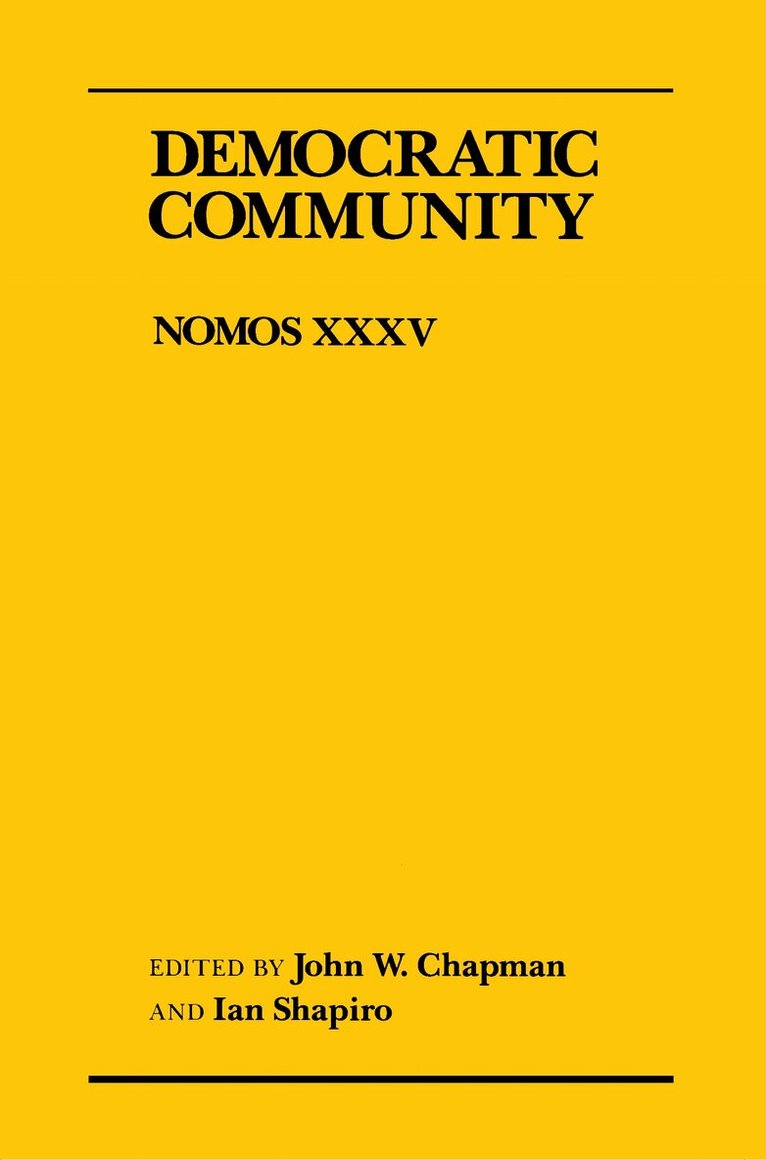
A state-of-the-art meditation on relations, theoretical and practical, among a familiar triad of themes: comunitarianism, liberalism, and democracy.--American Political Science ReviewA collection of distinguished contributors, from a wide range of disciplines, examine the implications of the resurgence of interest in community. The chapters in Democratic Community consider the fundamental issues that divide liberals and communitarians, as well as the structure of communities, the roles of freedom and democratic institutions in sustaining one another, the place of a democratic civil society in a democratic polity, and the contributions of feminist thinking.This thirty-fifth volume in the American Society of Political and Legal Philosophy series is devoted, as is each volume in the series, to a single topic-- in this case, the implications for human nature and democratic theory of the resurgence of interest in community. Democratic Community deals not only with fundamental issues that divide liberals and communitarians, but is also concerned with the structure of communities, the roles of freedom and democratic institutions in sustaining one another, the place of a democratic civil society in a democratic polity, and the contributions of feminist thinking to the great debate. The collection of distinguished contributors, from a wide range of disciplines, includes: Richard J. Arneson (University of California, San Diego), Jean Baechler (University of Paris, Sorbonne), Christopher J. Berry (University of Glasgow), Robert A. Dahl (Yale University), Martin P. Golding (Duke University), Carol C. Gould (Stevens Institute of Technology), Amy Gutmann (Princeton University), Jane Mansbridge (Northwestern University), Kenneth Minogue (London School of Economics), Robert C. Post (University of California, Berkeley), David A. J. Richards (New York University), Gerald N. Rosenberg (University of Chicago), Bruce K. Rutherford (Yale University), Alan Ryan (Princeton University), and Carmen Sirianni (Brandeis University).
781 kr
Skickas inom 10-15 vardagar
Human Nature in Politics brings the competences and perspectives of law, philosophy and political science to bear on an imporant subject seldom treated at book length. The subject of human nature in politics is as old as systematic thought about politics. Out of favor for a period in modern times, it is now once more the subject of attention by political theorists who often borrow heavily from the disciplines of biology and psychology. The plurality of their approaches and insights is reflecteed in Part I of the book: Perspectives on Human Nature.Although appeals to human nature have historically been made by both radicals and conservatives, it is the latter who have more typically sought support from this source. However, modern radicals are beginning to re-explore the subject, as is evidenced in the second section on "Human Nature and Radical Political Thought."In the concluding section of the book, four authors analyze the question of "Rationality and Human Nature" and, with a broader interpretation of rationality, find bases in human nature for some confidence that politics need not be an irrational enterprise. The bibliography at the end of the volume is of particular value for all students of political theory. Thirteen outstanding authors contribute to this volume, which must be of interest to legal philosophers and students of jurisprudence in all English-speaking countries.
1 156 kr
Skickas inom 7-10 vardagar
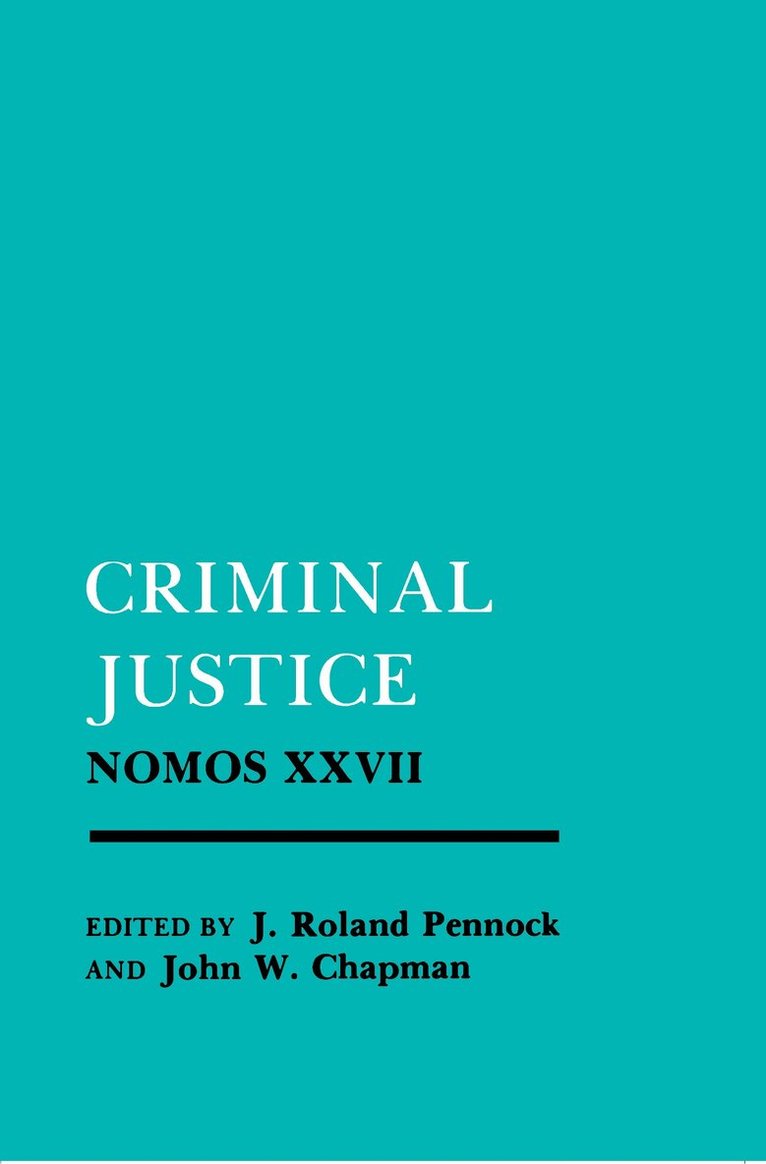
This, the twenty-seventh volume in the annual series of publications by the American Society for Political and Legal Philosophy, features a number of distinguised contributors addressing the topic of criminal justice. Part I considers "The Moral and Metaphysical Sources of the Criminal Law," with contributions by Michael S. Moore, Lawrence Rosen, and Martin Shapiro.The four chapters in Part II all relate, more or less directly, to the issue of retribution, with papers by Hugo Adam Bedau, Michael Davis, Jeffrie G. Murphy, and R. B. Brandt. In the following part, Dennis F. Thompson, Christopher D. Stone, and Susan Wolf deal with the special problem of criminal responsibility in governmentone of great importance in modern society. The fourth and final part, echoing the topic of NOMOS XXIV, Ethics, Economics, and the Law, addresses the economic theory of crime. The section includes contributions by Alvin K. Klevorick, Richard A. Posner, Jules L. Coleman, and Stephen J. Schulhofer.A valuable bibiography on criminal justice by Andrew C. Blanar concludes this volume of NOMOS.
890 kr
Skickas inom 10-15 vardagar
In this thirtieth annual volume in the American Society for Political and Legal Philosophy's NOMOS series, entitled Religion, Morality and the Law , twelve distinguished contributers consider a diverse selection of topics. Included are essays on "Natural Law and Creation Stories," "Divine Sanction and Legal Authority," and "Liberalism, Neutralism, and Rights." These works ask whether morality itself can survive without the support of religion.Political scientists, philosophers, and legal scholars will find this collection extremely valuable. Each author is a leading force within their specialized fields.
2 712 kr
Skickas inom 3-6 vardagar
Coercion, it seems, like poverty and prejudice, has always been with us. Political thinkers and philosophers have been arguing its more direct and personal consequences for centuries. Today, at a point in history marked by dramatic changes and challenges to the existing military, political, and social order, coercion is more at the forefront of political activity than ever before. While the modern state has no doubt freed man from some of the forms of coercion by which he has traditionally been plagued, we hear now from all sectors of society complaints about systematic coerciveness-not only on the national and international levels, but on the individual level as well.
2 088 kr
Skickas inom 10-15 vardagar
Equality--the battle cry of the French Revolution--has come to be accepted as everyone's birthright today. But what is equality? Is it a chimera in a world manifestly still abounding in inequality among individuals, nations, and races? To this eternally fascinating subject, eighteen outstanding political scientists, jurists, and philosophers address themselves with vigor and profundity in this important and illuminating work.Part I deals with fundamental concepts of equality. The first paper in this section explores such issues as the meaning, the justification, and the dialectics of equality, wherein some of its manifestations are confronted and limited by others. While the second paper criticizes the first essay and examines the legal aspects of equality. Another paper pursues the notion of proportionate equality to what he views as its ultimate reality: that of a purely formal logical concept, while another argues that "egalitarianism" has reference to human interests, which in fact give it content. Another viewpoint considers how far different kinds of equality are compatible with one another and with the enlargement of freedom and fraternity in industrial society. The final paper in this section talks widely over basic issues raised by the various interpretations of equality.Part II deals with sources of beliefs about equality. The papers in this section consider the implications for egalitarianism of Christianity, Judaism, and Hinduism. The final essay in this section surveys the treatment of and implications for egalitarianism in the thinking of the existentialists.Part III is concerned with the political and legal applications of equality. One of the papers suggests that Tocqueville's "providential fact of the gradual development of the principle of equality" might possibly be on the eve of a reversal, and concludes with justification of political equality. Another attacks the notion of equality of opportunity, contending that it is not an authentic expression of the democratic ideal and temper, which requires instead an "affirmation of being and belonging." Following that the highly topical problem of equality in the administration of justice is discussed as well as, the deals with many subtle distinctions involved in the application of the idea of equality to the rule of law. The book concludes with the topic of treatments of the problem of equality in the realm of international politics and organization.
2 088 kr
Skickas inom 10-15 vardagar
This festschrift commemorates Julian H. Steward. The essays were contributed by former students, colleagues, and other anthropologists whose research or thinking has been influenced by him. There was no preconceived attempt to give the volume any greater sense of unity or to impose upon the contributors any restrictions as to subject matter. On the contrary, each author was urged to write on an anthropological topic of greatest current interest to himself. Many of the essays could be placed just as handily within a division other than the one to which they have arbitrarily been assigned in the book. This kind of interchangeability may reflect, in some measure, the interrelatedness of Steward's contributions to anthropological theory.The broad relevance of all the selections to Steward's work could reflect also the extent to which his interests continue to be reflected in the work of anthropologists influenced by him. It could also reflect a parallelism of theoretical concerns within the profession that stem from the cultural ambience that produced Steward himself. Parallelisms and convergence are aspects of the kind of cultural determinism which has claimed Steward's attention during the many years that he fought a fairly lonely battle to establish the respectability of evolutionism in anthropology. Now that respectability has been achieved--with an almost bandwagon fervor--it is clear that Steward, as much as anyone else in anthropology, was "responsible" for the change.The essays in this collection are at once a vindication of his patience, an evidence of the high status he enjoys among anthropologists, and a testimony to the impact of his unusual creativity on his colleagues.
2 088 kr
Skickas inom 10-15 vardagar
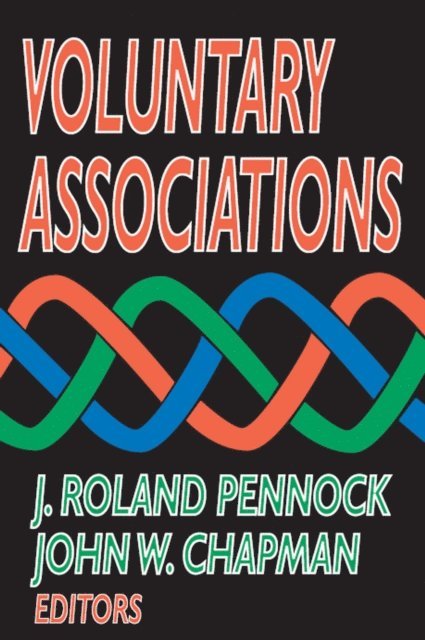
A vast and complicated array of subject matter is subjected to analysis, comment, and speculation by fifteen contributors representing three separate but contiguous disciplines. Their approaches are as various as one would expect. One is concerned with the bonds that hold associations together, and another with the tendency for the private to become public. One sees associations as interferences with democratic political processes, while another is more impressed by their positive values. Still another shows that the way in which they operate in the political process depends not only on the kind of association but also upon the political context within which they operate.Pennock and Chapman say that the theorist's job is to speculate and to interpret the facts as he sees them. It is also the theorist's job to suggest hypotheses for testing: to point to lines of inquiry that should be pursued. One cannot read the essays in this volume, without having his eyes opened--or opened wider--both to the paucity of information about the political features of voluntary associations and to the wide variety of aspects from which the subject needs to be approached.The kinds of questions that need to be examined can be grouped in categories. The first focuses on the individual: What kinds of memberships does he have? Even more, what is the effect upon him of membership in each kind of association? The second examines internal composition and workings of organizations. The third focuses on the state as a whole and the effect of organized groups upon it, the political processes of the associational structure of the society, and modes of behavior of these associations.Organized groups play an intermediate role in the polity. At the same time, the state, and those charged at any particular time with the performance of its functions, must look primarily to new associations within it to secure compliance with its law and for guidance in shaping those laws.
698 kr
Skickas inom 10-15 vardagar
A vast and complicated array of subject matter is subjected to analysis, comment, and speculation by fifteen contributors representing three separate but contiguous disciplines. Their approaches are as various as one would expect. One is concerned with the bonds that hold associations together, and another with the tendency for the private to become public. One sees associations as interferences with democratic political processes, while another is more impressed by their positive values. Still another shows that the way in which they operate in the political process depends not only on the kind of association but also upon the political context within which they operate.Pennock and Chapman say that the theorist's job is to speculate and to interpret the facts as he sees them. It is also the theorist's job to suggest hypotheses for testing: to point to lines of inquiry that should be pursued. One cannot read the essays in this volume, without having his eyes opened--or opened wider--both to the paucity of information about the political features of voluntary associations and to the wide variety of aspects from which the subject needs to be approached.The kinds of questions that need to be examined can be grouped in categories. The first focuses on the individual: What kinds of memberships does he have? Even more, what is the effect upon him of membership in each kind of association? The second examines internal composition and workings of organizations. The third focuses on the state as a whole and the effect of organized groups upon it, the political processes of the associational structure of the society, and modes of behavior of these associations.Organized groups play an intermediate role in the polity. At the same time, the state, and those charged at any particular time with the performance of its functions, must look primarily to new associations within it to secure compliance with its law and for guidance in shaping those laws.