John Woodhams - Böcker
Visar alla böcker från författaren John Woodhams. Handla med fri frakt och snabb leverans.
5 produkter
5 produkter
178 kr
Skickas
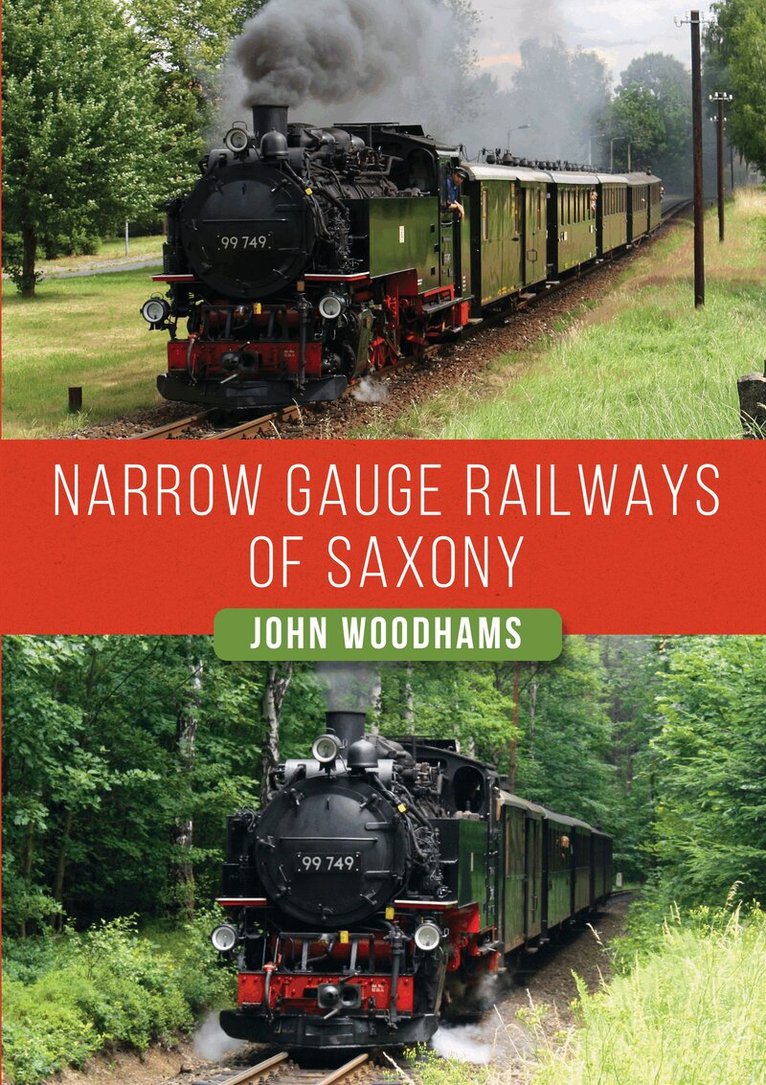
A number of narrow gauge railways can be found today in Saxony, eastern Germany, with commercial daily steam-hauled trains. These were once part of a much more extensive network of lines in the region, built to a gauge of 750 mm, which once totalled over 500 kilometres (311 miles) all operated originally by the Royal Saxon State Railway company, and later the federal government railway. After the Second World War some railway assets were claimed by the Soviet Union as reparations, and the area became part of the German Democratic Republic. Many of the lines that served small towns and villages in rural areas were by then in poor condition and closed in the 1960s. However, those that were still running when the Berlin Wall collapsed in 1989 are still working today, though now privatised, and have been joined by several other enthusiast-run museum railways reviving sections of lines closed earlier.With a fascinating selection of rare and previously unpublished images, John Woodhams offers a wonderful insight into these unusual and quirky reminders of the days of the steam.
178 kr
Skickas
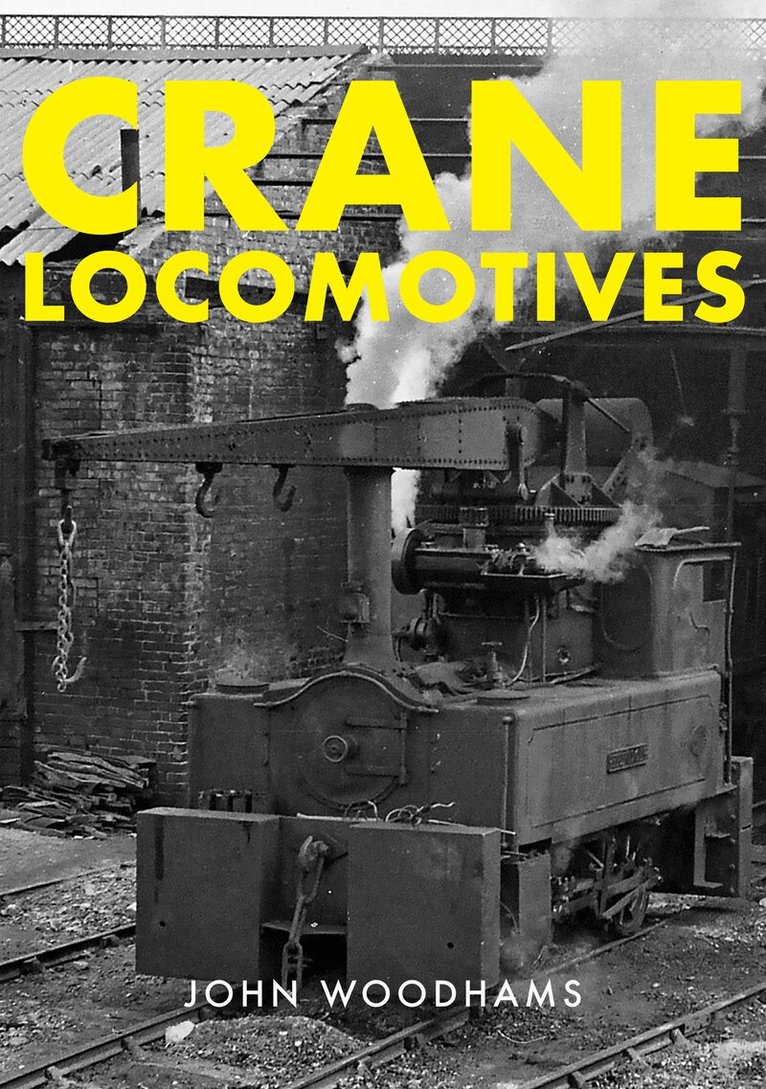
The first cranes mounted on railway wheels were hand-operated, but by the mid-nineteenth century several builders had fitted steam engines and boilers to enhance lifting capabilities, though initially these machines were not self-propelled, but merely portable. By the 1860s self-propelled cranes were offered and gradually designs were developed for more specialised uses, such as dealing with accidents or for quarrying.A crane locomotive is a conventional steam locomotive, built or subsequently fitted with a crane jib. The first example was a locomotive converted by the London & North Western Railway in 1866. Other railways followed with their own conversions, and three main line companies even built a small number new. These were all mainly employed for shunting and loading in workshop areas. Private firms also designed and built specialist crane locomotives for use in heavy industry, such as shipyards and steelworks, where they proved to be extremely versatile, with the last examples working into the early 1970s. While over 200 were built in the UK, for both domestic service and export, these fascinating machines have been largely overlooked by the railway historian and enthusiast.
178 kr
Skickas
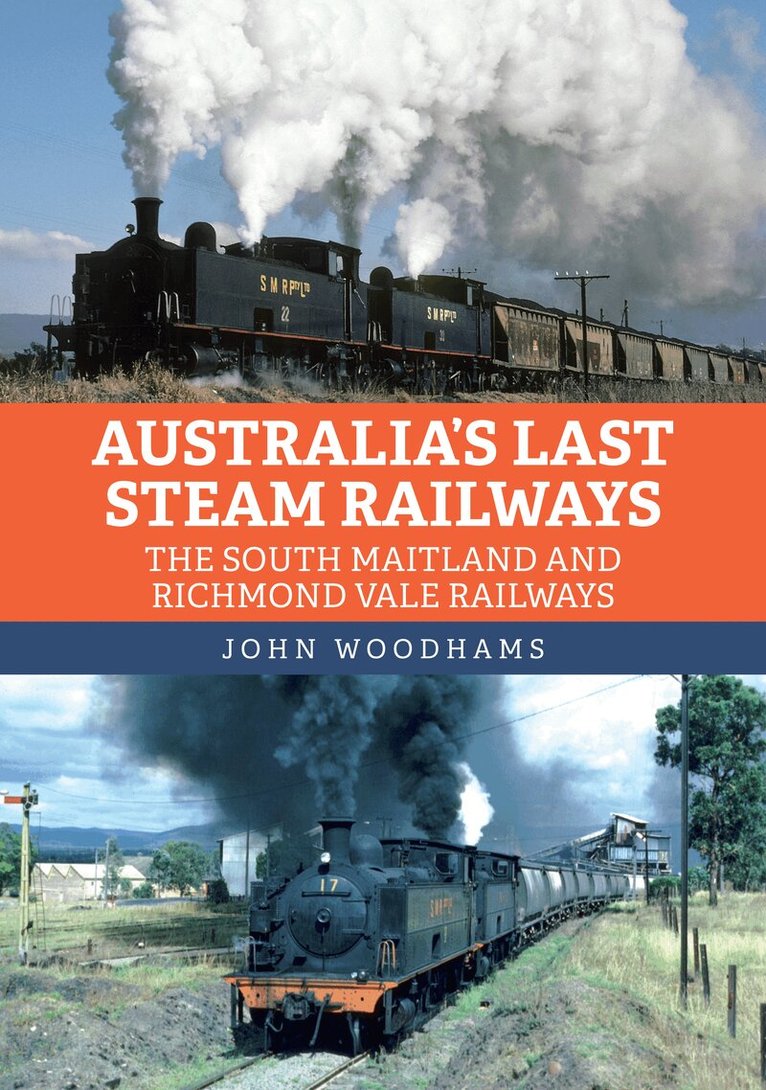
The South Maitland and Richmond Vale Railways formed an extensive network of standard-gauge lines serving collieries in the New South Wales coalfields. The first section opened for coal traffic in 1893, with passenger services introduced on part of the growing SMR system from 1902. Such was the volume of traffic that sections of route were double-tracked and signalled. The New South Wales Government Railways took over passenger services from 1930 until 1961, following which the SMR continued with diesel railcars until 1972. The RVR operated passenger trains for miners until 1959. The railways used a fleet of British-built steam locomotives, ranging from six coupled saddle tanks to several originally built for use in the Mersey Tunnel, and thirteen ROD tender locomotives constructed for use in France during the First World War. However, the last working locomotives were a fleet of Beyer Peacock 2-8-2 tank locomotives. Steam operation ended on the South Maitland system in 1983, leaving the Richmond Vale operation as the last commercial steam working in Australia until that also ceased in 1987. A section of the Richmond Vale Railway has become a museum line, and many locomotives have survived.John Woodhams chronicles the history of these railways through a vibrant selection of previously unpublished images.
274 kr
Skickas
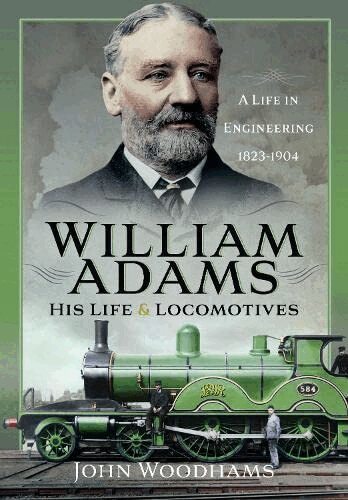
William Adams (1823 - 1904) is probably best known from his locomotive designs for the London & South Western Railway. The years at Nine Elms were the culmination of career which began formally in marine engineering, including a period at sea with the Royal Sardinian Navy, encompassed civil engineering and surveying before joining the North London Railway as locomotive, carriage and wagon superintendent.He has been described as the father of the suburban train, an inventive engineer, who pioneered the use of continuous train brakes, developed well designed, free-steaming locomotive boilers for services requiring rapid acceleration and frequent stops, and his invention of a bogie with controlled side-play revolutionised future locomotive design. His next move was to the Great Eastern Railway where his designs met with mixed success, before moving south of the Thames to Nine Elms. Here, over five hundred locomotives were built to his designs, with his later express classes regarded by many as his greatest achievement.Adams also proved himself a very capable designer in developing locomotive and carriage works at all three railways, improving efficiency and reducing costs.This book tells the story of a genial man with a love of music, who was undoubtedly one of the finest late Victorian locomotive engineers.
173 kr
Skickas
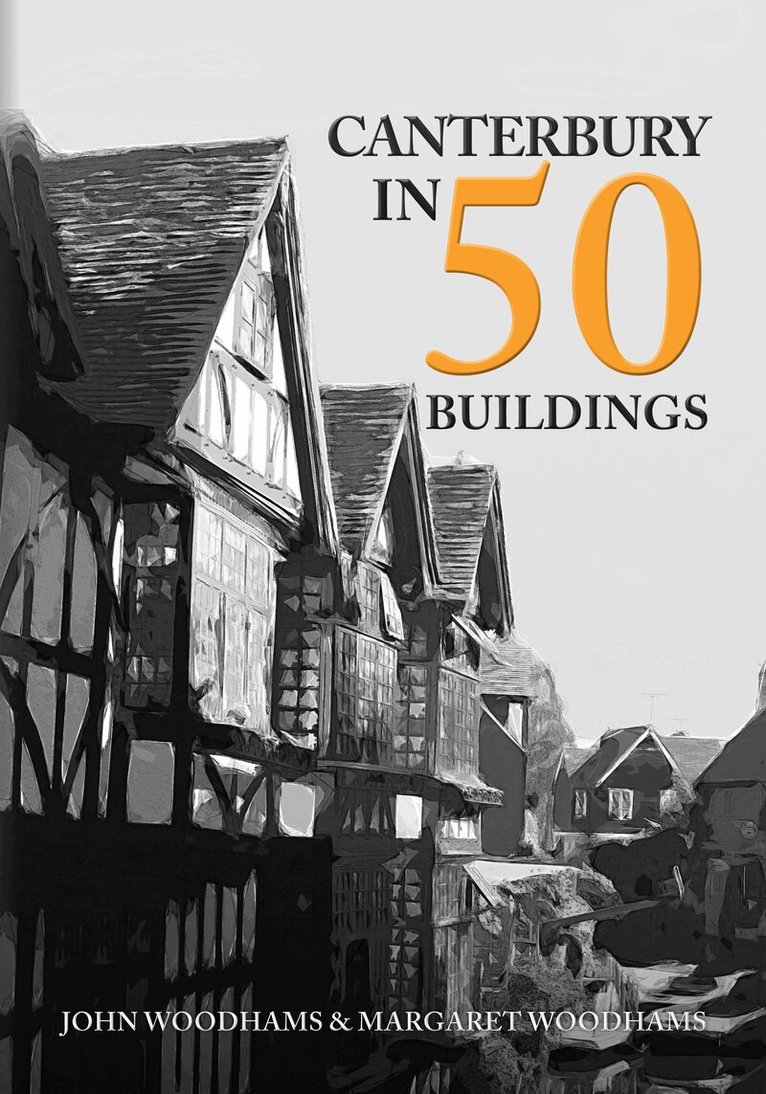
The historic cathedral city of Canterbury has traces of its Roman past. The oldest church in England, St Martin’s, can trace its history back to this era but it is the cathedral founded under Anglo-Saxon rule which still dominates the city close by other surviving Saxon buildings, the Burgate and St Augustine’s Abbey. Canterbury became an international pilgrimage destination in the Middle Ages after the assassination of Thomas Becket and although the population plummeted after the Black Death, the city wall with its gates was rebuilt. Huguenot weavers helped to revive the city’s fortunes and the town grew again in the eighteenth and nineteenth centuries, although some of the town’s old buildings such as the castle and the towers in the walls fell into disrepair. Although the Baedeker Blitz in the Second World War destroyed many buildings, Canterbury has retained its historic core but today’s city is also graced by noteworthy examples of modern architecture, not least at the University of Kent and the recently redeveloped Marlowe Theatre.Canterbury in 50 Buildings explores the history of this fascinating city in Kent through a selection of its most interesting buildings and structures, showing the changes that have taken place in Canterbury over the years. The book will appeal to all those who live in Canterbury or who have an interest in the city.