John Y. Simon – författare
Visar alla böcker från författaren John Y. Simon. Handla med fri frakt och snabb leverans.
45 produkter
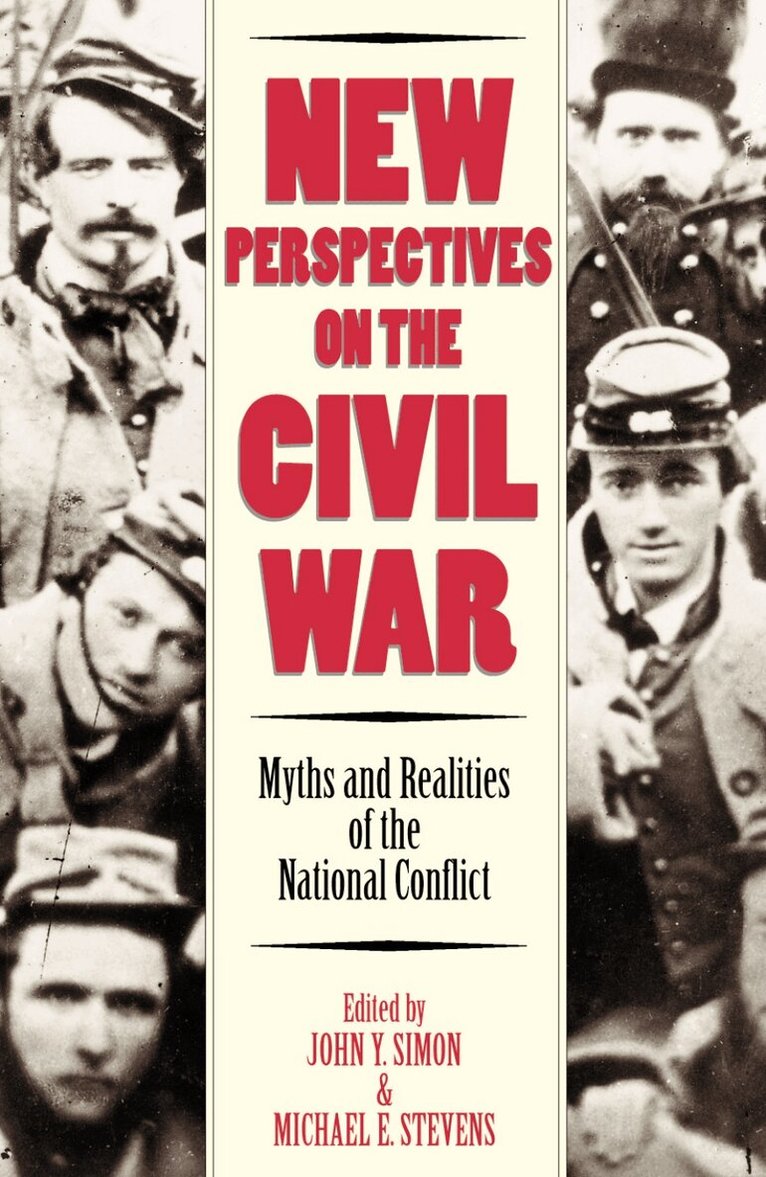
New Perspectives on the Civil War
Myths and Realities of the National Conflict
Av John Y. Simon, Michael E. Stevens
Häftad, 2001
560 kr
Lägg i varukorg
As the American Civil War recedes into the past, popular fascination continues to rise. Once a matter that chiefly concerned veterans, separately organized North and South, who gathered to refight old battles and to memorialize the heroes and victims of war, the Civil War has gradually become part …
Lincoln's Generals
Av Stephen W. Sears, Mark E. Neely m. fl.
Häftad, 2010
240 kr
Lägg i varukorg
In Lincoln’s Generals , Gabor S. Boritt and a team of distinguished historians examine the interaction between Abraham Lincoln and his five key Civil War generals: McClellan, Hooker, Meade, Sherman, and Grant, providing fresh insight into this mixed bag of officers and the president’s tireless …
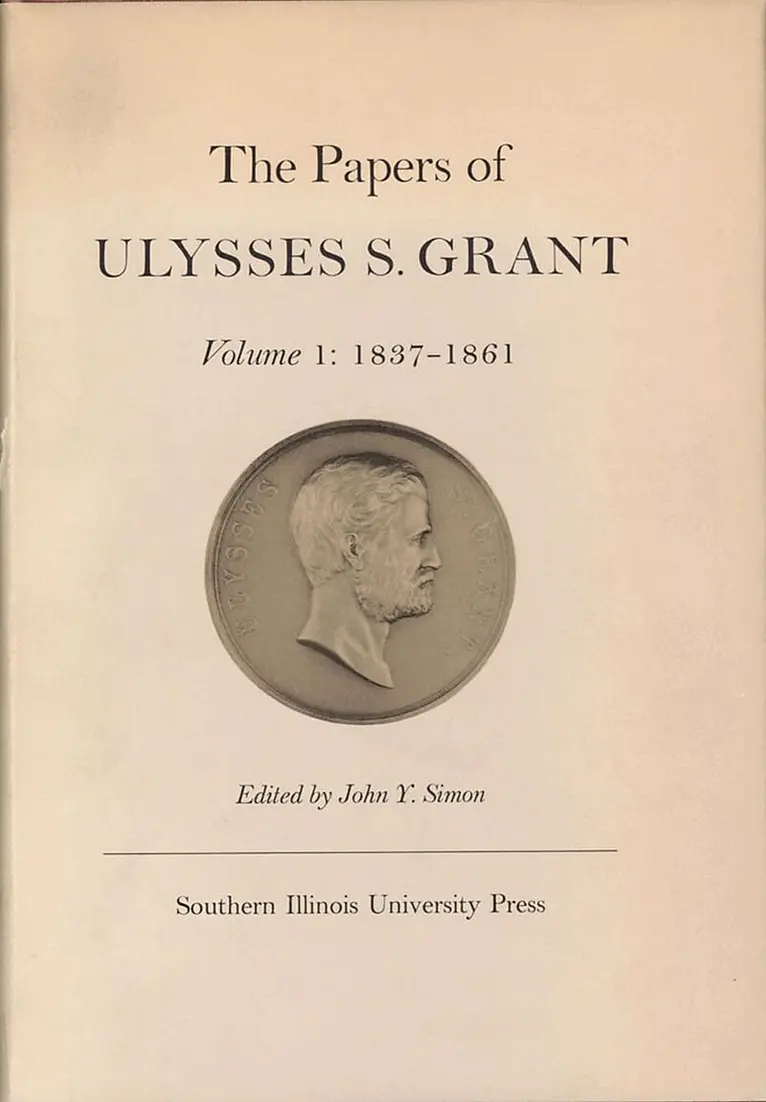
Papers of Ulysses S. Grant, Volume 10
January 1 - May 31, 1864
Av John Y Simon
Inbunden, 1982
697 kr
Lägg i varukorg
In the winter of 1864 while Grant prepared for the inevitable spring campaign in Georgia, Congress revived the rank of lieutenant general for the purpose of giving it to its most victorious general. When the bill passed, President Lincoln called Grant to Washington to receive his commission and to …
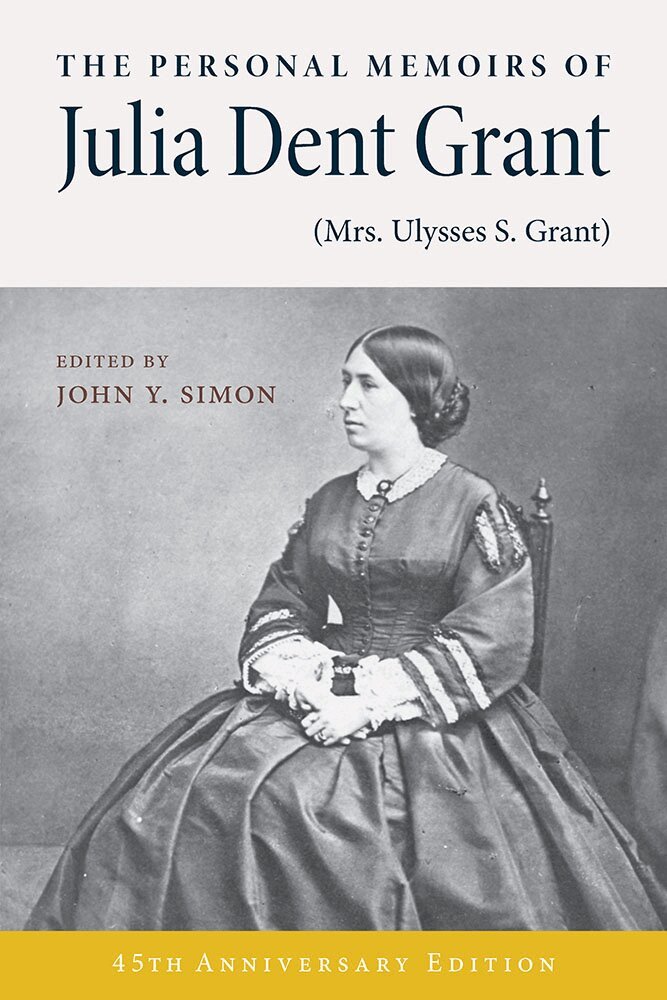
Personal Memoirs of Julia Dent Grant (Mrs. Ulysses S. Grant)
Av Julia Dent, Grant, John Y. Simon m. fl.
Häftad, 1988
331 kr
Lägg i varukorg
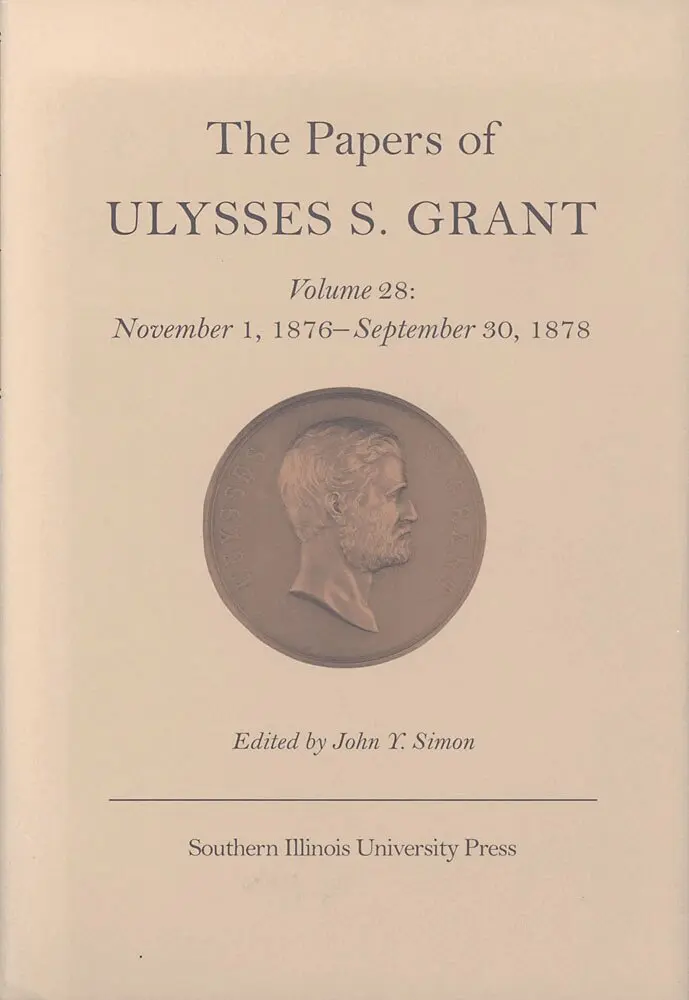
Papers of Ulysses S. Grant V. 28; November 1, 1876-September 30, 1878
Av Ulysses S. Grant, John Y. Simon
Inbunden, 2005
734 kr
Lägg i varukorg
In his eighth and final annual message to Congress, Ulysses S. Grant reminded the nation that it was his fortune or misfortune, to be called to the office of Chief Executive without any previous political training? The electoral crisis that dominated Grant's last months in office left little room …
Lincoln Forum
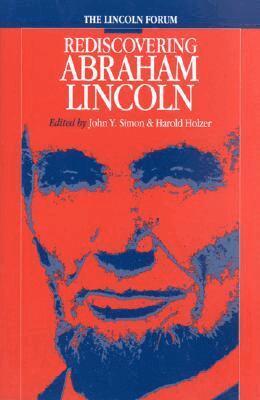
Rediscovering Abraham Lincoln
Av John Y. Simon, Harold Holzer
Inbunden, 2002
1100 kr
Lägg i varukorg
Each year, hundreds of scholars and other enthusiasts mark the anniversary of the Gettysburg Address by gathering together in Gettysburg, Pennsylvania for the Lincoln Forum. There, leading historians reinterpret and rediscover the legacy of Abraham Lincoln. Now the best recent Lincoln Forum essays …
Lincoln Forum
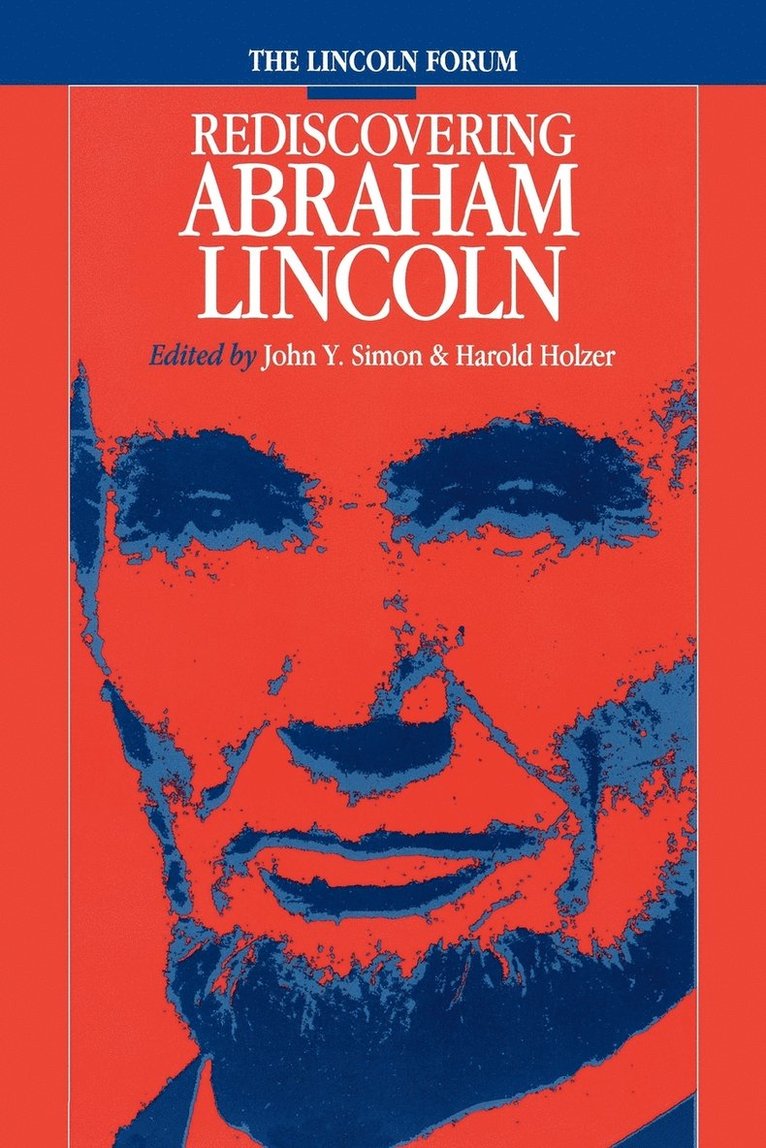
Rediscovering Abraham Lincoln
Av John Y. Simon, John Y. Simon m. fl.
Häftad, 2002
444 kr
Lägg i varukorg
Each year, hundreds of scholars and other enthusiasts mark the anniversary of the Gettysburg Address by gathering together in Gettysburg, Pennsylvania for the Lincoln Forum. There, leading historians reinterpret and rediscover the legacy of Abraham Lincoln. Now the best recent Lincoln Forum essays …
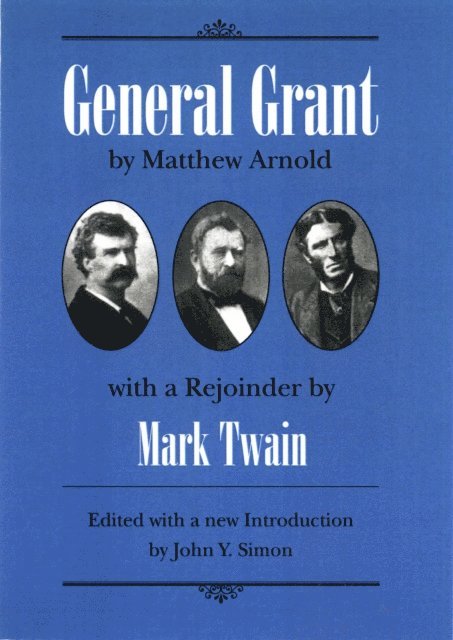
General Grant
Av The Kent State University Press, Simon m. fl.
Häftad, 1995
126 kr
Lägg i varukorg
This text reproduces Arnold's essay of 1886 on Grant, and Twain's rejoinder to the Army and Navy Club of Connecticut. Arnold's essay praised Grant, but to many Americans its tone seemed patronizing of their hero and country.
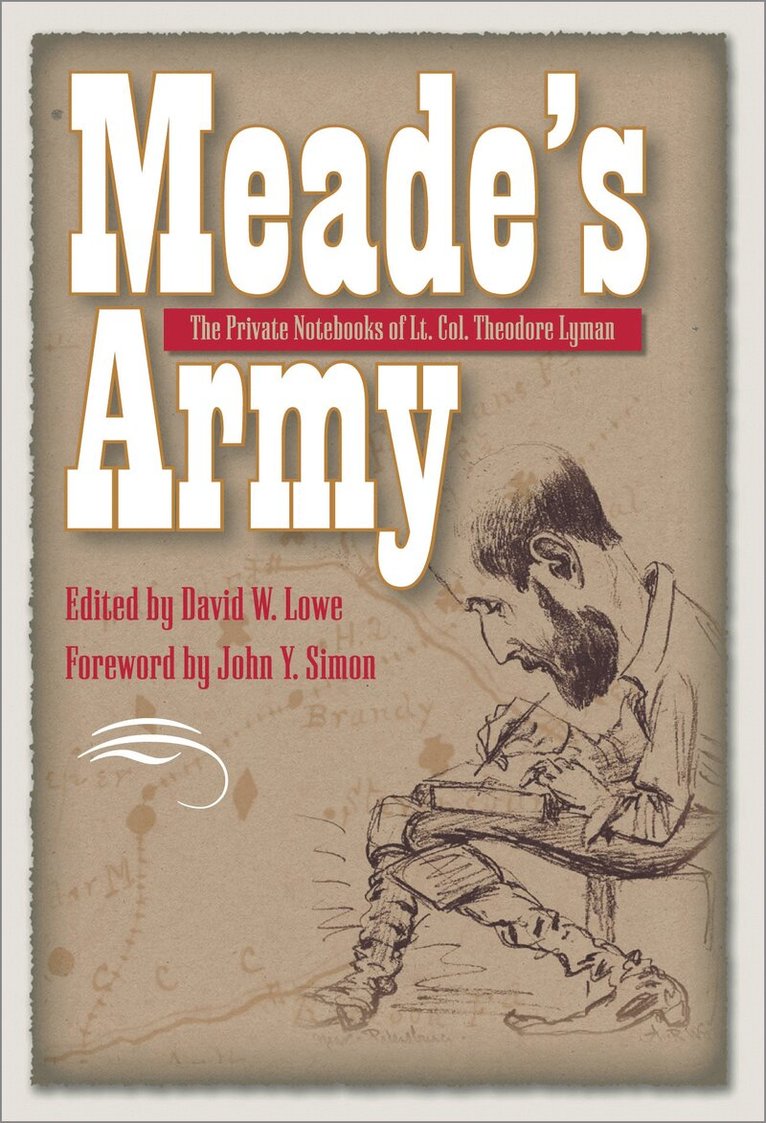
Meade's Army
The Private Notebooks of Lt. Col. Theodore Lyman
Inbunden, 2007
540 kr
Lägg i varukorg
Lt. Col. Theodore Lyman served as Gen. George Gordon Meade's aide-de-camp from September 1863 until the end of the Civil War. Lyman was a Harvard-trained natural scientist who was exceptionally disciplined in recording the events, the players, and his surroundings during his wartime duty. His …
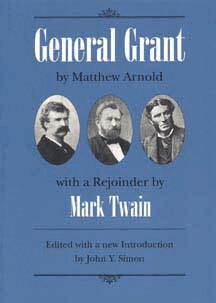
General Grant
by Matthew Arnold with a Rejoinder by Mark Twain
E-bok, 2011
110 kr
Lägg i varukorg
“The editor has placed the dispute between Arnold and Twain in its historical perspective. The volume is especially significant because it adds a new dimension to Grant; it places him in relation to the literary men of that era.”—Robert A. Waller, Civil War History General Grant by Matthew Arnold …
General Grant
by Matthew Arnold with a Rejoinder by Mark Twain
E-bok, 2011
113 kr
Lägg i varukorg
“The editor has placed the dispute between Arnold and Twain in its historical perspective. The volume is especially significant because it adds a new dimension to Grant; it places him in relation to the literary men of that era.”—Robert A. Waller, Civil War History General Grant by Matthew Arnold …
General Grant
With a Rejoinder by Mark Twain
Av Matthew Arnold, John Y Simon
Inbunden, 1966
50 kr
Tillfälligt slut
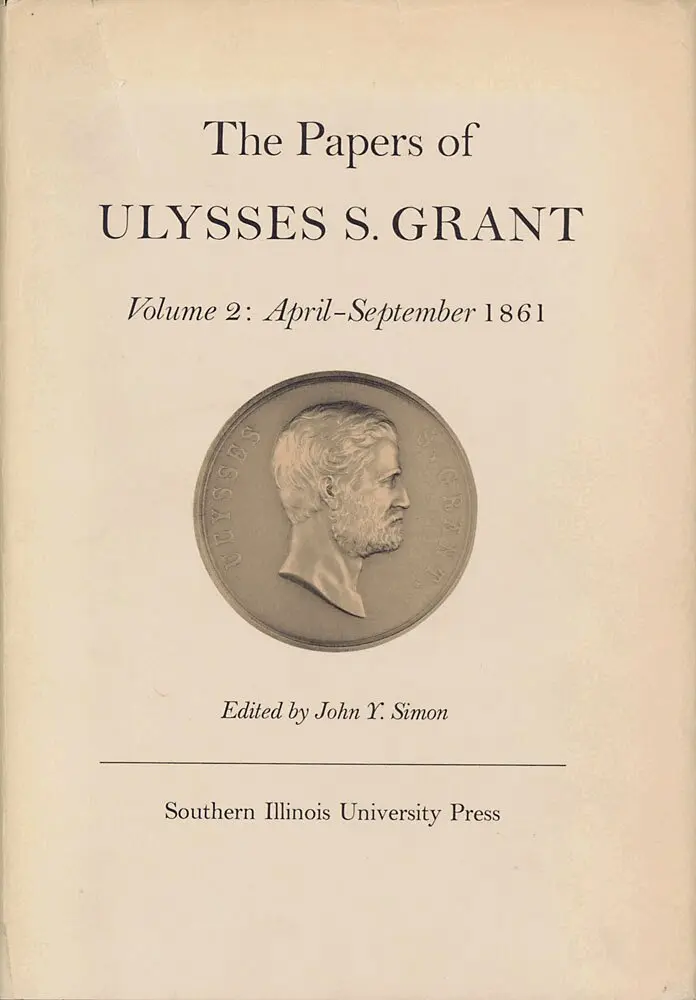
Papers of Ulysses S. Grant, Volume 2
Av Ulysses S. Grant, John Y. Simon m. fl.
Inbunden, 1969
697 kr
Tillfälligt slut
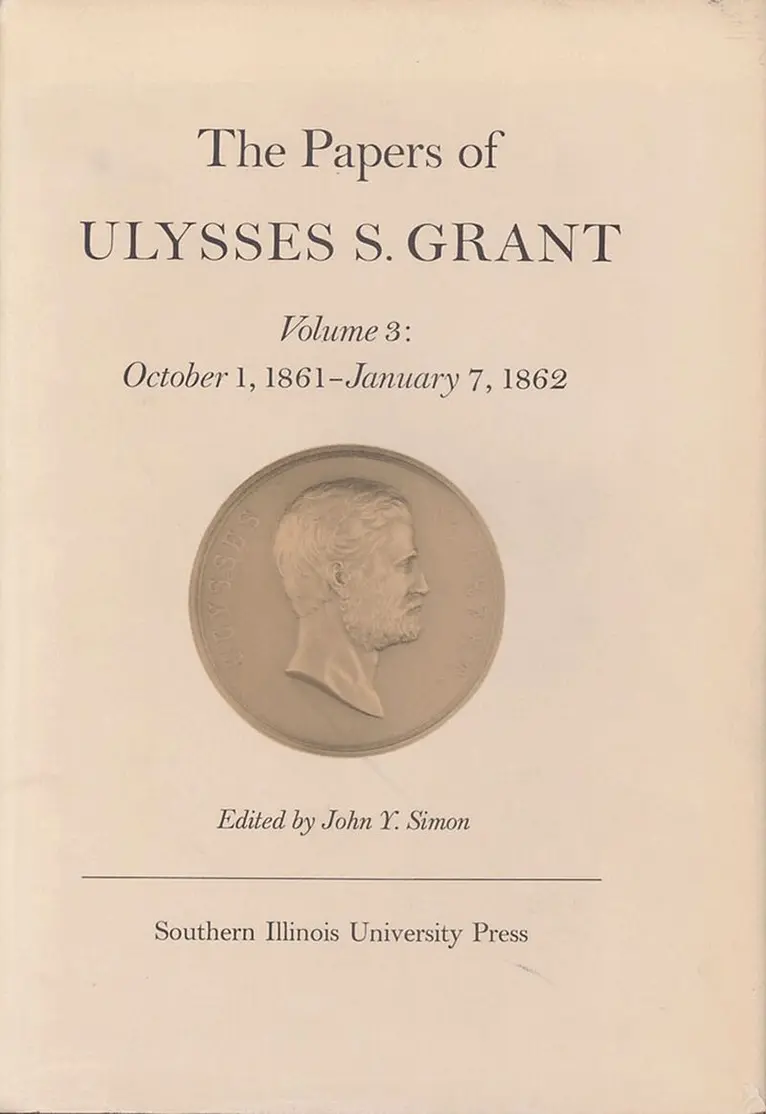
Papers of Ulysses S. Grant, Volume 3
Av Ulysses S. Grant, John Y. Simon m. fl.
Inbunden, 1971
697 kr
Tillfälligt slut
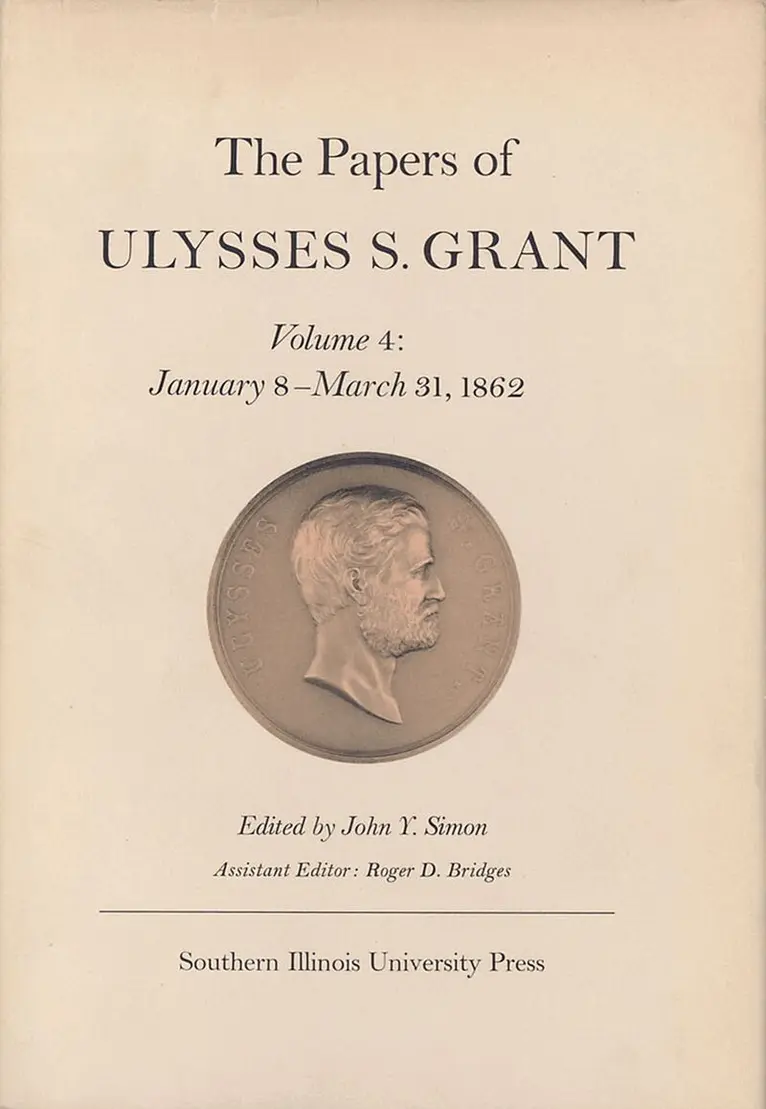
Papers of Ulysses S. Grant V. 4; Jan.8th-Apr.5th 1862
Av Ulysses S. Grant, John Y. Simon m. fl.
Inbunden, 1972
697 kr
Tillfälligt slut
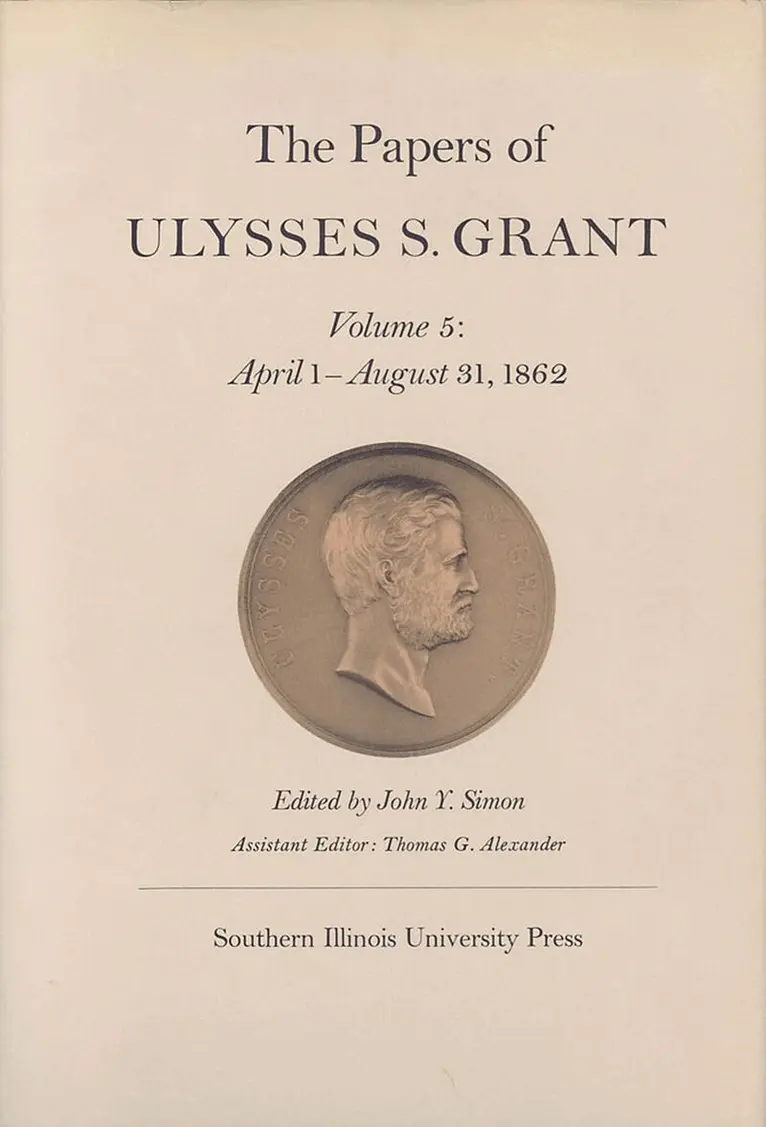
Papers of Ulysses S. Grant, Volume 5
Av Ulysses S. Grant, John Y. Simon m. fl.
Inbunden, 1974
697 kr
Tillfälligt slut
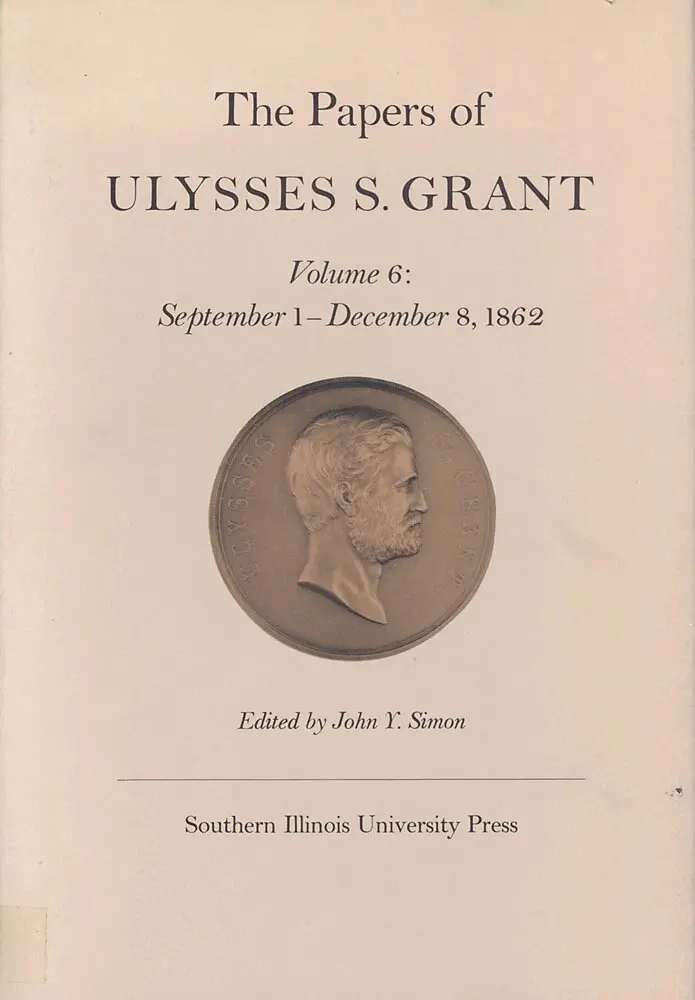
Papers of Ulysses S. Grant, Volume 6
September 1- December 8, 1962
Av John Y Simon
Inbunden, 1977
697 kr
Tillfälligt slut
In the period covered by Volume 6 of this distinguished series, Grant again drove deep into the Confederacy, displaying an instinct for the offensive lacking in other chief commanders. But by the end of the year Confederate successes had forced Grant to abandon all ground he had won. It was, …
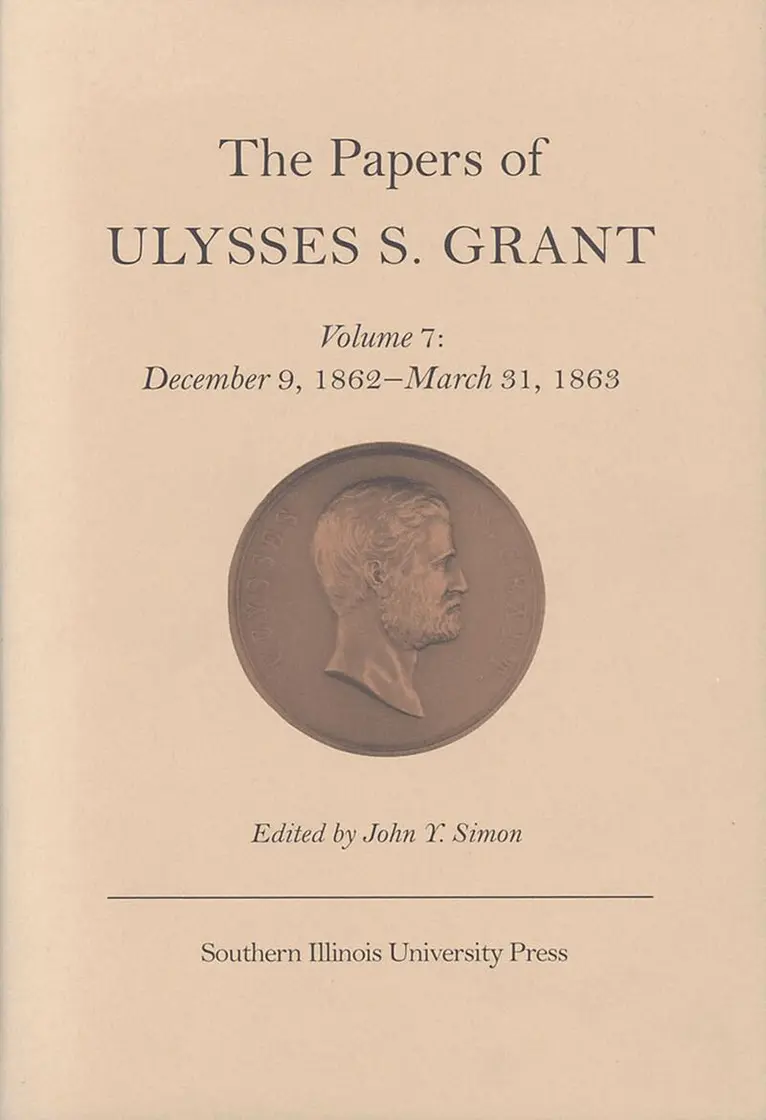
Papers of Ulysses S. Grant, Volume 7
December 9, 1862 - March 31, 1863
Av John Y Simon
Inbunden, 1979
697 kr
Tillfälligt slut
Volume 7 documents Grant’s winter of discontent. In late December, his Mississippi Central campaign, an overland drive toward Vicksburg, was fatally disrupted by Confederate cavalry raids. Forced to withdraw northward, Grant could not apply pressure on the enemy when Major General William T. …
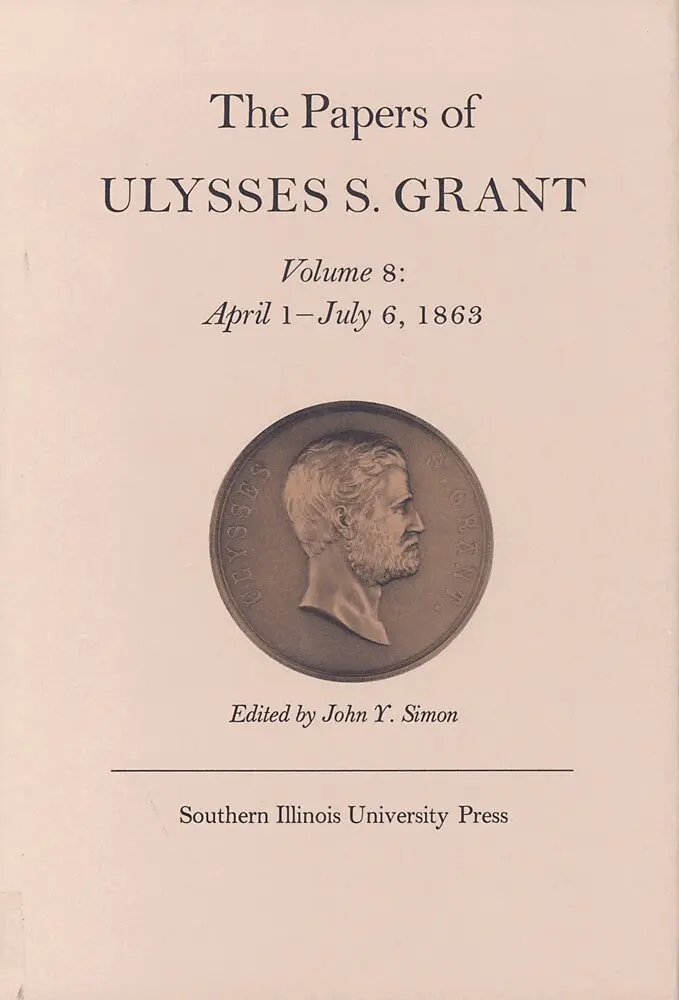
Papers of Ulysses S. Grant, Volume 8
April 1 - July 6, 1863
Av John Y Simon
Inbunden, 1979
697 kr
Tillfälligt slut
Following the 1862–63 winter of discontent, Grant suddenly launched a brilliant campaign against Vicksburg which ultimately bisected the Confederacy. A long campaign, which had begun in November 1862, with an advance from Tennessee down the Mississippi Central Railroad and a premature assault on …
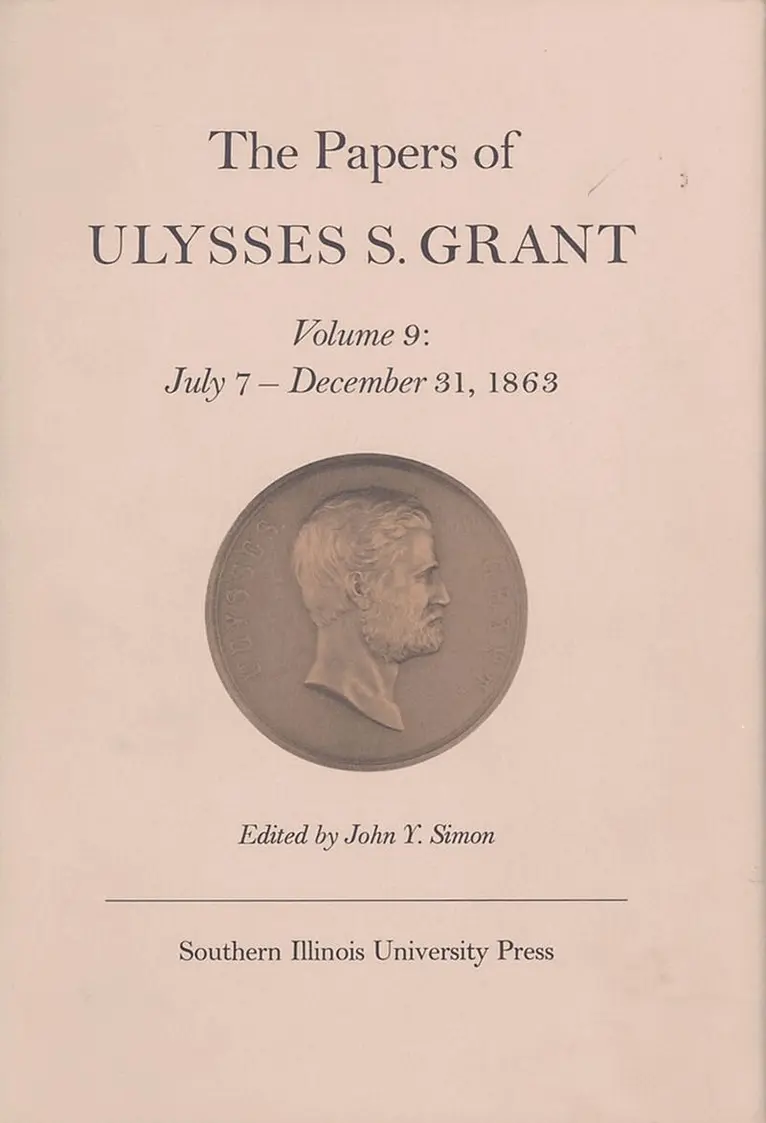
Papers of Ulysses S. Grant, Volume 9
July 7 - December 31, 1863
Av John Y Simon
Inbunden, 1982
697 kr
Tillfälligt slut
When Vicksburg fell, Washington promoted Grant to major general in the U.S. Army, which meant that Grant, already a major general of volunteers, would retain his rank after the war. Only three other officers on active duty held this rank, none of them commanding in the field. At Vicksburg Grant …
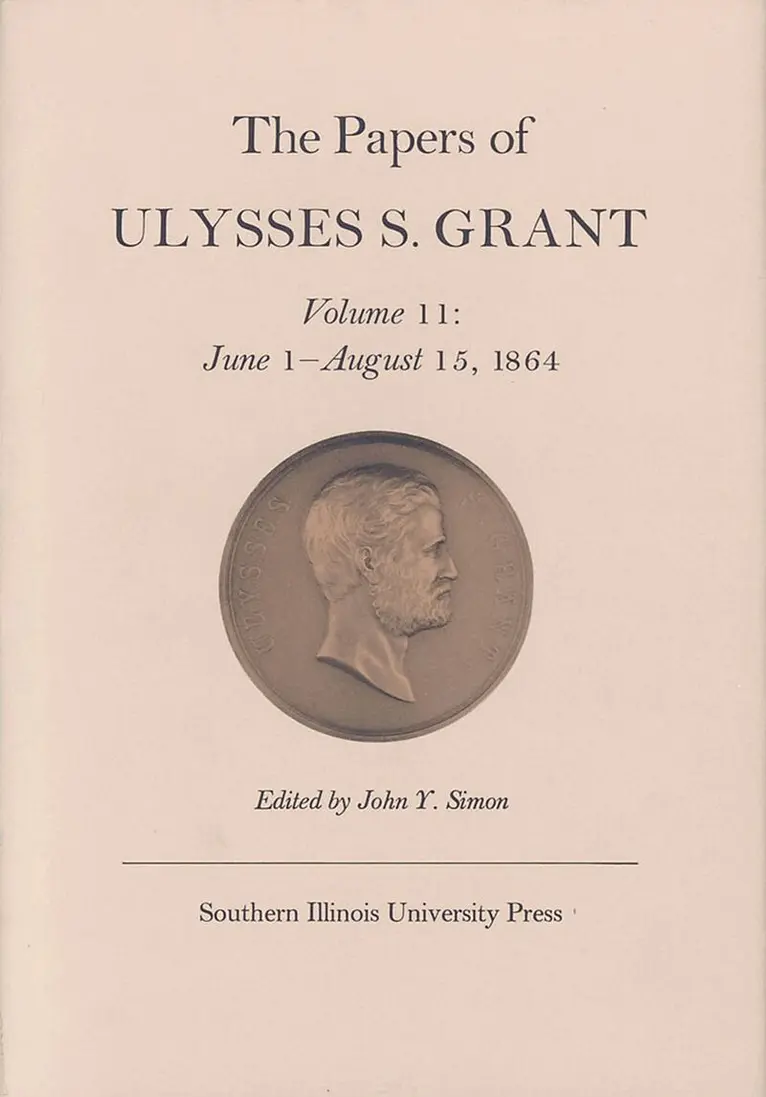
Papers of Ulysses S. Grant, Volume 11
June 1 - August 15, 1864
Av John Y Simon
Inbunden, 1984
697 kr
Tillfälligt slut
On June 2, 1864, Ulysses S. Grant postponed until the following morning an assault on Confederate lines near Cold Harbor planned for that afternoon because of delays in positioning troops. In the meantime, Confederate forces strengthened their lines, and the assault became a slaughter that …
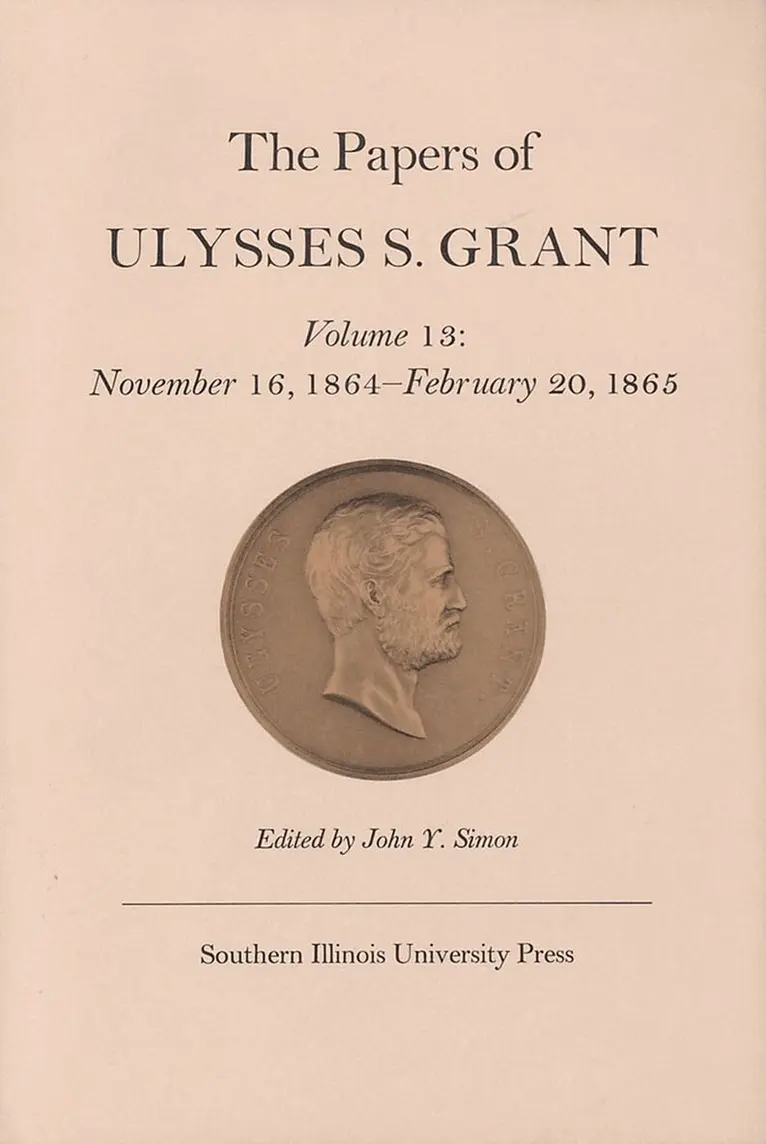
Papers of Ulysses S. Grant, Volume 13
Av Ulysses S. Grant, John Y. Simon
Inbunden, 1985
697 kr
Tillfälligt slut
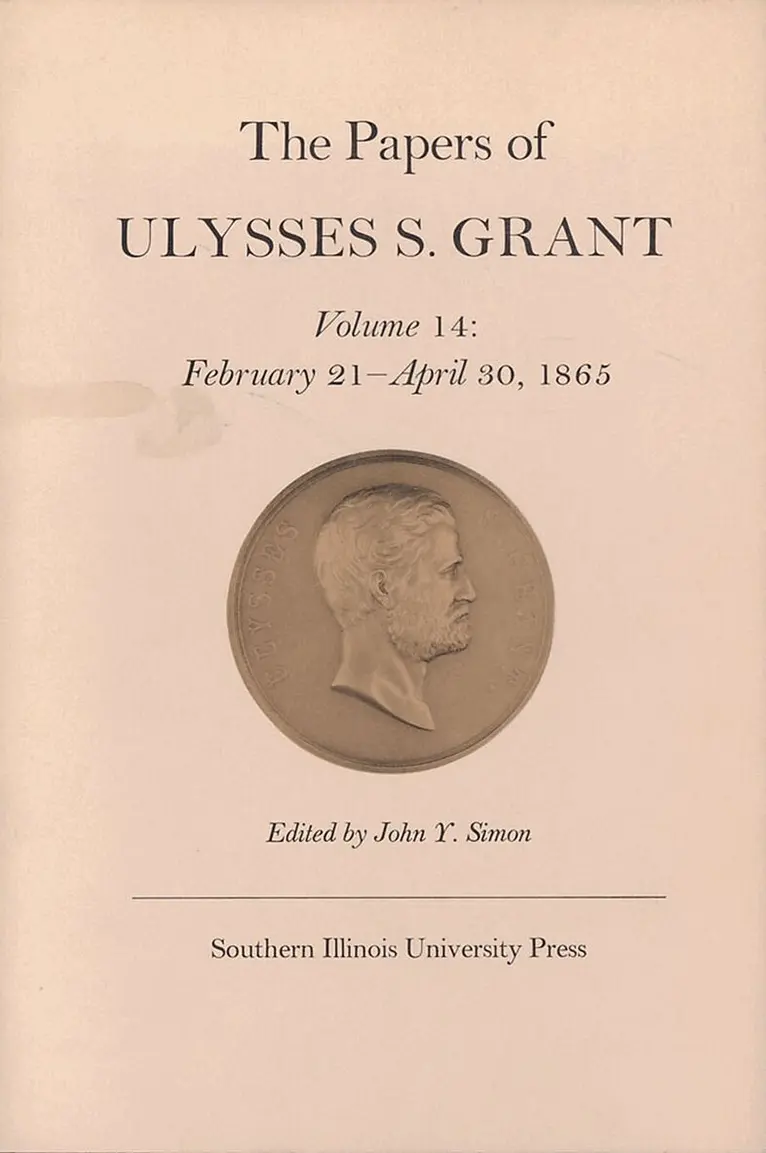
Papers of Ulysses S. Grant, Volume 14
Av Ulysses S. Grant, John Y. Simon
Inbunden, 1985
697 kr
Tillfälligt slut
Personal Memoirs of Julia Dent Grant
(Mrs. Ulysses S. Grant)
Av John Y Simon
Inbunden, 1988
295 kr
Tillfälligt slut
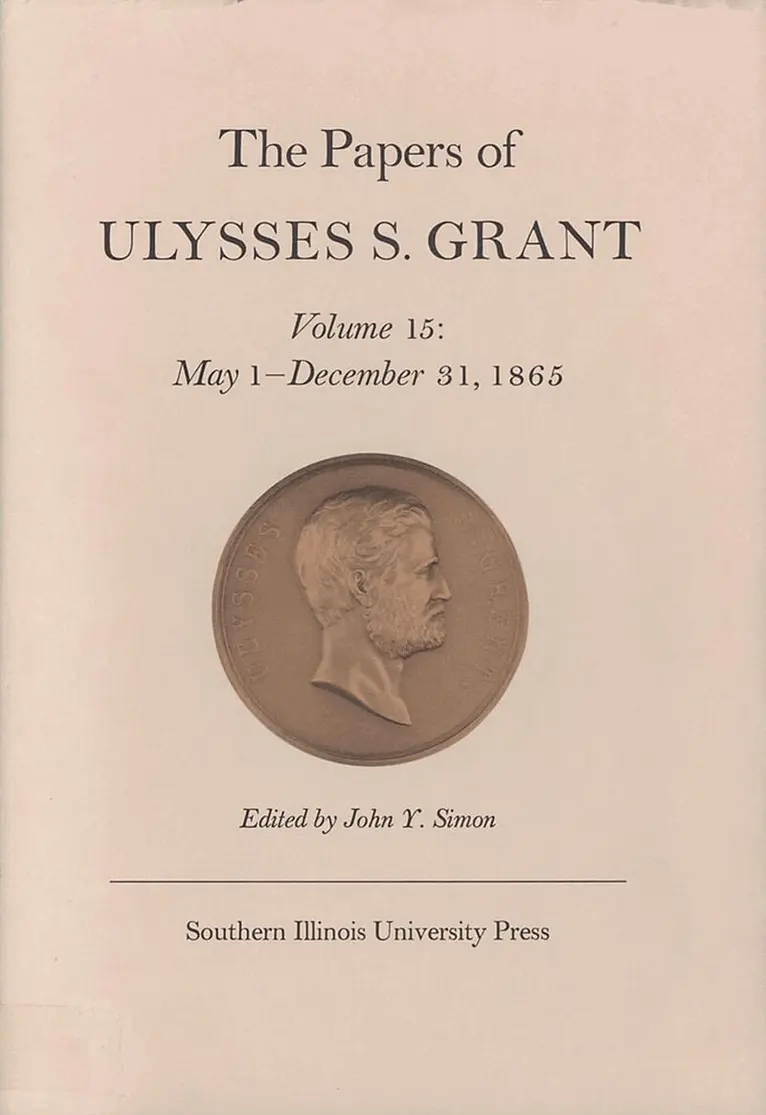
Papers of Ulysses S. Grant, Volume 15
Av Ulysses S. Grant, John Y. Simon
Inbunden, 1988
697 kr
Tillfälligt slut
Papers of Ulysses S. Grant, Volume 16
Av Ulysses S. Grant, John Y. Simon m. fl.
Inbunden, 1988
697 kr
Tillfälligt slut
Papers of Ulysses S. Grant, Volume 17
Av Ulysses S. Grant, John Y. Simon m. fl.
Inbunden, 1991
697 kr
Tillfälligt slut
Papers of Ulysses S. Grant, Volume 18
Av Ulysses S. Grant, John Y. Simon m. fl.
Inbunden, 1991
697 kr
Tillfälligt slut