Jon Burrows – författare
Visar alla böcker från författaren Jon Burrows. Handla med fri frakt och snabb leverans.
5 produkter
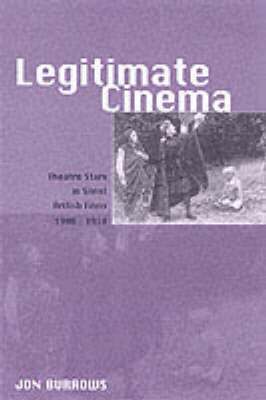
Legitimate Cinema
Theatre Stars in Silent British Films, 1908-1918
Av Jon Burrows
Inbunden, 2003
1022 kr
Lägg i varukorg
This is the first new book-length study of British cinema of the 1910s to be published for over fifty years, and it focuses on the close relationship between the British film industry and the Edwardian theatre. Why were so many West End legends such as Sir Herbert Beerbohm Tree and Ellen Terry …
Legitimate Cinema
Theatre Stars in Silent British Films, 1908-1918
Av Jon Burrows
E-bok, 2015
1180 kr
Lägg i varukorg
This is the first new book-length study of British cinema of the 1910s to be published for over fifty years, and it focuses on the close relationship between the British film industry and the Edwardian theatre. Why were so many West End legends such as Sir Herbert Beerbohm Tree and Ellen Terry …
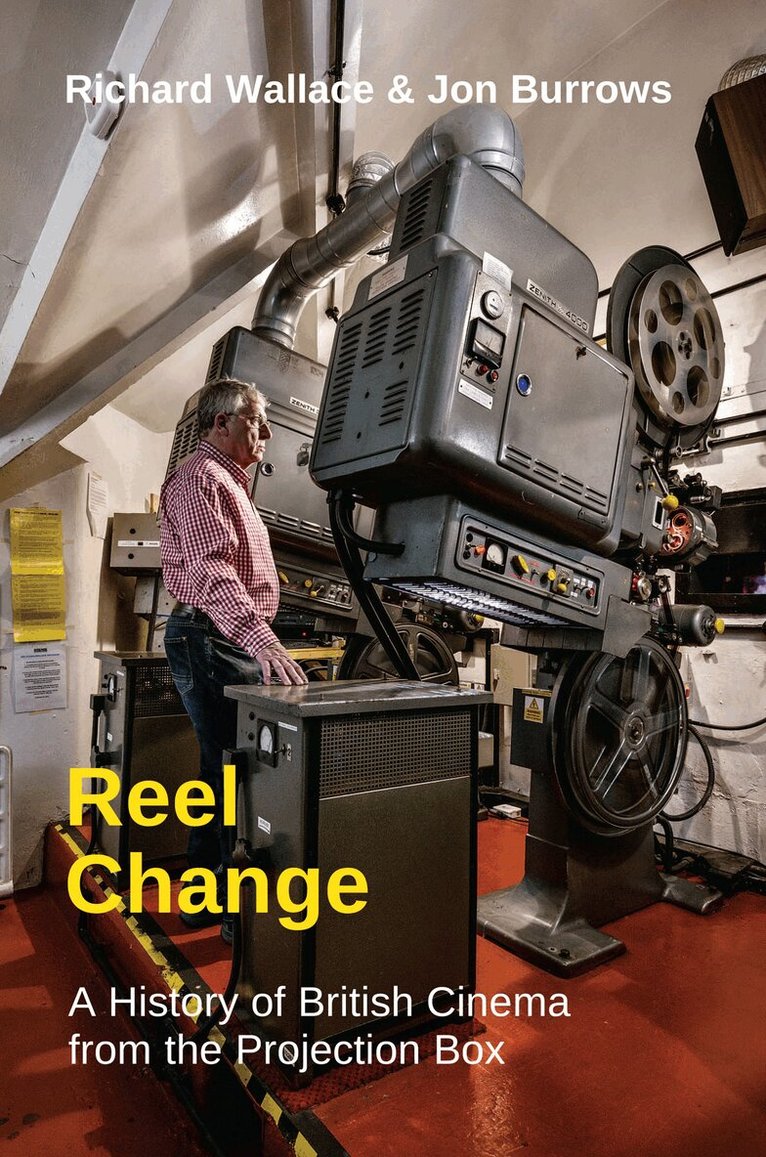
Reel Change
A History of British Cinema from the Projection Box
Av Richard Wallace, Jon Burrows
Häftad, 2022
389 kr
Lägg i varukorg
Ten years ago, a technological revolution swept through cinemas around the world, as analogue projectors were replaced with digital equipment. It was not just the plastic medium of film that was removed from projection boxes during this transformation; most cinemas took this opportunity to also …
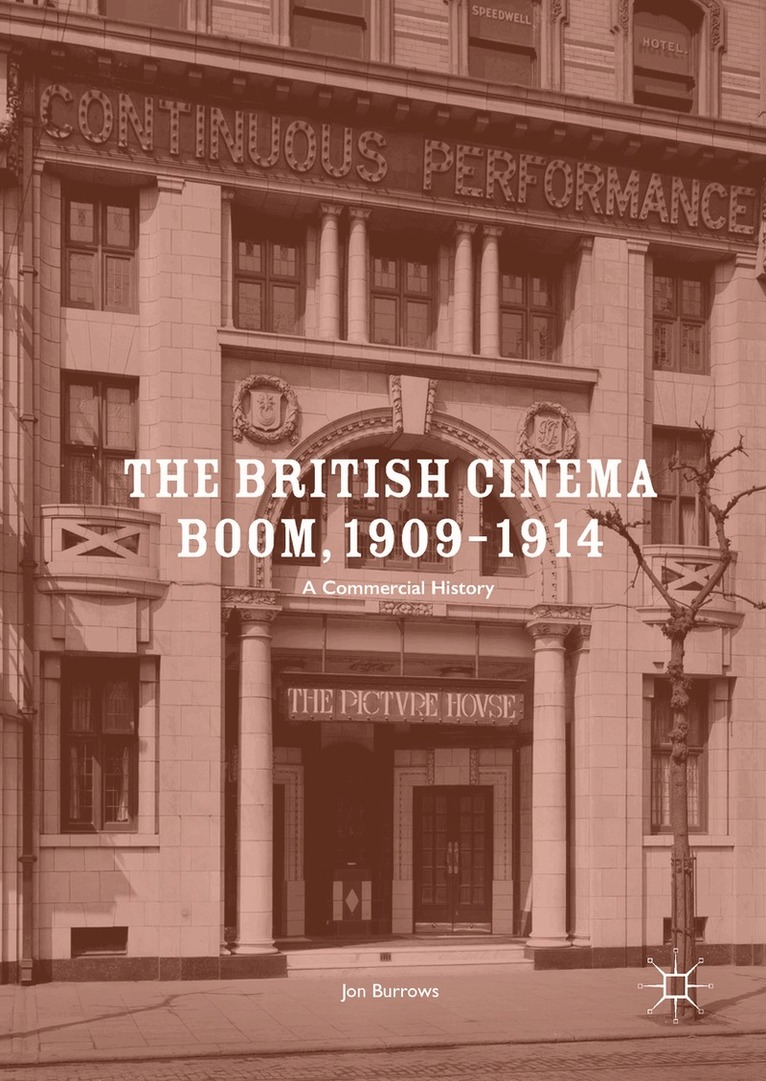
British Cinema Boom, 1909–1914
A Commercial History
Av Jon Burrows
Inbunden, 2017
1312 kr
Lägg i varukorg
This book examines why thousands of cinemas opened in Britain in the space of a few years before the start of the First World War. It explains how they were the product of an investment boom which observers characterised as economically irrational and irresponsible. Burrows profiles the main groups …
British Cinema Boom, 1909-1914
A Commercial History
Av Jon Burrows
E-bok, 2017
2013 kr
Lägg i varukorg
This book examines why thousands of cinemas opened in Britain in the space of a few years before the start of the First World War. It explains how they were the product of an investment boom which observers characterised as economically irrational and irresponsible. Burrows profiles the main groups …