Jon Pynoos - Böcker
Visar alla böcker från författaren Jon Pynoos. Handla med fri frakt och snabb leverans.
2 produkter
2 produkter
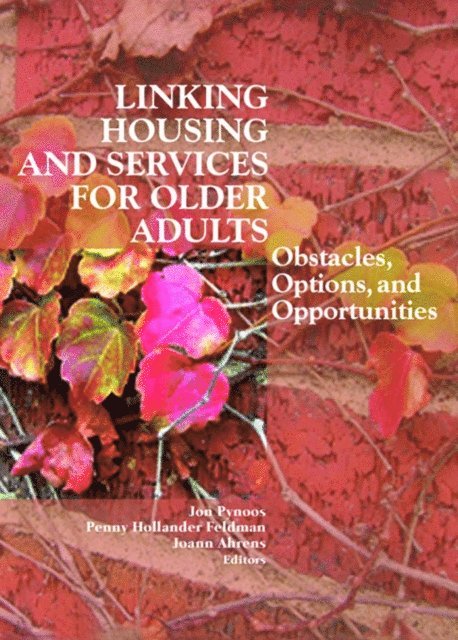
Linking Housing and Services for Older Adults
Obstacles, Options, and Opportunities
Inbunden, Engelska, 2005
2 088 kr
Skickas inom 10-15 vardagar
Packaging supportive services with housinga pressing issue for older adultsThe population of older adults is expected to explode in the coming years. Linking Housing and Services for Older Adults: Obstacles, Options, and Opportunities examines a crucial, complex, and often overlooked issue for policymakers and the public at large: older adults’ increasing needs for housing and supportive long-term care services. As baby boomers strive to help their parents make difficult decisions about their options, pressure mounts for policymakers to develop appropriate housing and services. This book brings together respected experts to discuss the answers to difficult questions about meeting the housing and support service needs of aging adults.Linking Housing and Services for Older Adults: Obstacles, Options, and Opportunities explores in-depth the tough issues pertaining to which populations are presently being served, what their needs are, and who is being left out. You’ll learn exactly what types of services are available, who is providing them, and how are they packaged. From residential care to assisted living to institutional care, this book addresses all facets of the complicated problems of providing availability to fulfill need. This important source presents insightful analysis of the total range of issues and the challenges to progress as well as offering specific recommendations to effectively offer housing and vital long-term care supportive services to older adults.Linking Housing and Services for Older Adults: Obstacles, Options, and Opportunities discusses in detail:the argument for increased development of supportive housing for older adultsand the barriers preventing it the issues related to providing a variety of housing and service options to the Medicaid population two case studies that illustrate how policies aimed at linking housing and services play out at the state and local leveland the need for strong leadership and the ability to develop key partnerships as vital aspects for success the interrelationship of factors regarding nursing home admission, the availability of subsidized housing, and Medicaid eligibility the need for care management to be holisticincluding environmental care assessment, repair, and renovation management in addition to current long-term care settings creating affordable assisted living facilities for older persons receiving Medicaid services the successful components of the national Coming Home Program four case studies emphasizing different finance and regulatory approachesproviding lessons learned for developers, state agencies, and advocates of affordable assisted living This vital educational resource is also an essential reference for local, state, and national policymakers, housing officials, and long-term care providers.
536 kr
Skickas inom 10-15 vardagar
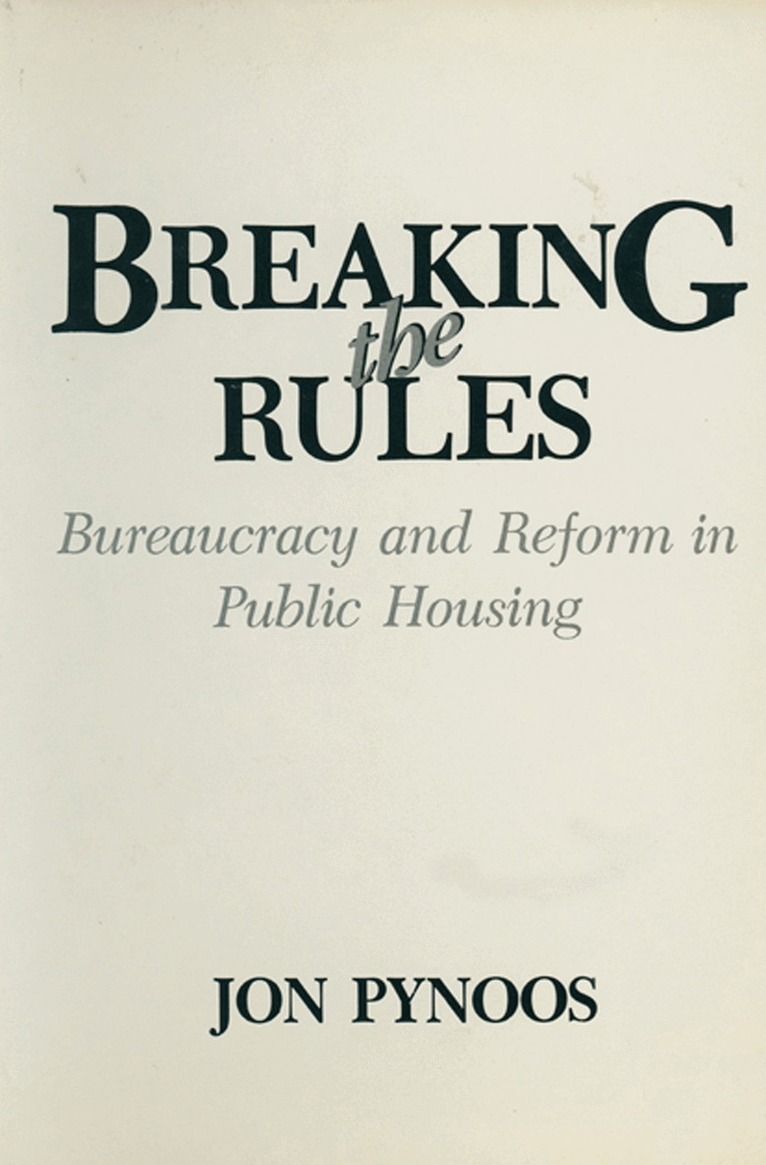
This is a study of how a bureaucracy allocates a commodity or a service in this case, public housing. In the broadest sense, it seeks to understand how bureaucrats try to resolve two often conflicting goals of regulatory justice: equity (treating like cases alike on the basis of rules) and respon siveness (making exceptions for persons whose needs require that rules be stretched). It analyzes the extent to which such factors as bureaucratic norms, the task orientation of workers, third-party pressure, and outside intervention affect staff members' use of discretion. Many of the rules under consideration were intended by federal officials to achieve such programmatic objectives as racial desegregation and housing for the neediest; in this regard, the study is also an examination of federal-local relationships. Finally, the study examines how the use of discretion changes over time as an agency's mission shifts and reforms are attempted. This book is directed at the audience of administrators of programs who offer services to the public and struggle with how to allocate them. The book is also intended for those concerned with housing policy, partic ularly the difficult problems of whom to house. Finally, it is hoped that students of public management, social welfare, government, and urban planning, who are interested in how public policy is administered through a bureaucracy, will find the book insightful. The case chosen for study is the Boston Housing Authority.