Jon Vidar Sigurdsson – författare
Visar alla böcker från författaren Jon Vidar Sigurdsson. Handla med fri frakt och snabb leverans.
19 produkter
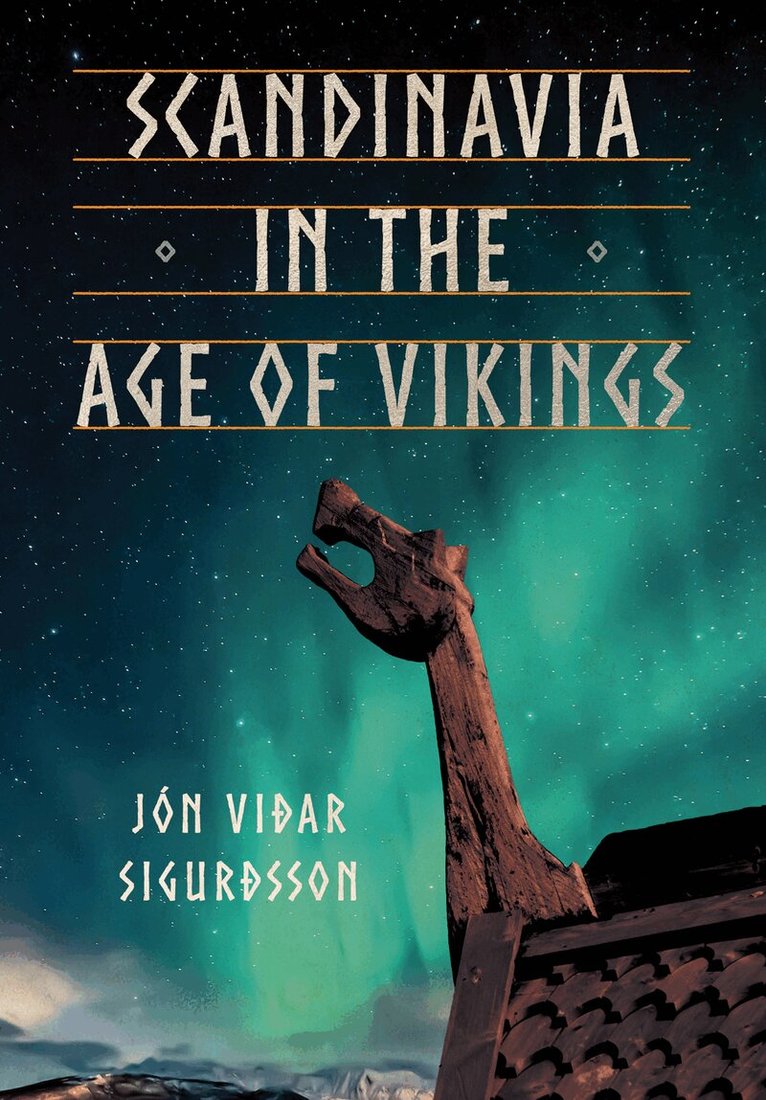
Scandinavia in the Age of Vikings
Inbunden, 2022
385 kr
Lägg i varukorg
In Scandinavia in the Age of Vikings, Jón Viðar Sigurðsson returns to the Viking homeland, Scandinavia, highlighting such key aspects of Viking life as power and politics, social and kinship networks, gifts and feasting, religious beliefs, women's roles, social classes, and the Viking economy, …
Nordic Elites in Transformation, c. 1050-1250, Volume I
Material Resources
Av Bjørn Poulsen, Helle Vogt m. fl.
Inbunden, 2019
2586 kr
Lägg i varukorg
This book, first in a series of three, examines the social elites in Denmark, Sweden, Norway, and Iceland, and which social, political, and cultural resources went into their creation. The elite controlled enormous economic resources and exercised power over people. Power over agrarian production …
Nordic Elites in Transformation, c. 1050–1250, Volume III
Legitimacy and Glory
Av Wojtek Jezierski, Kim Esmark m. fl.
Inbunden, 2020
2586 kr
Lägg i varukorg
This book explores the practical and symbolic resources of legitimacy which the elites of medieval Scandinavia employed to establish, justify, and reproduce their social and political standing between the end of the Viking Age and the rise of kingdoms in the thirteenth century. Geographically the …
Nordic Elites in Transformation, c. 1050–1250, Volume III
Legitimacy and Glory
Av Wojtek Jezierski, Kim Esmark m. fl.
Häftad, 2022
727 kr
Lägg i varukorg
This book explores the practical and symbolic resources of legitimacy which the elites of medieval Scandinavia employed to establish, justify, and reproduce their social and political standing between the end of the Viking Age and the rise of kingdoms in the thirteenth century. Geographically the …
Nordic Elites in Transformation, c. 1050-1250, Volume I
Material Resources
Av Jon Viðar Sigurðsson, Helle Vogt m. fl.
E-bok, 2019
767 kr
Lägg i varukorg
This book, first in a series of three, examines the social elites in Denmark, Sweden, Norway, and Iceland, and which social, political, and cultural resources went into their creation. The elite controlled enormous economic resources and exercised power over people. Power over agrarian production …
Nordic Elites in Transformation, c. 1050-1250, Volume I
Material Resources
Av Jon Viðar Sigurðsson, Helle Vogt m. fl.
E-bok, 2019
767 kr
Lägg i varukorg
This book, first in a series of three, examines the social elites in Denmark, Sweden, Norway, and Iceland, and which social, political, and cultural resources went into their creation. The elite controlled enormous economic resources and exercised power over people. Power over agrarian production …
Nordic Elites in Transformation, c. 1050-1250, Volume III
Legitimacy and Glory
Av Jon Viðar Sigurðsson, Hans Jacob Orning m. fl.
E-bok, 2020
838 kr
Lägg i varukorg
This book explores the practical and symbolic resources of legitimacy which the elites of medieval Scandinavia employed to establish, justify, and reproduce their social and political standing between the end of the Viking Age and the rise of kingdoms in the thirteenth century. Geographically the …
Nordic Elites in Transformation, c. 1050-1250, Volume III
Legitimacy and Glory
Av Jon Viðar Sigurðsson, Hans Jacob Orning m. fl.
E-bok, 2020
856 kr
Lägg i varukorg
This book explores the practical and symbolic resources of legitimacy which the elites of medieval Scandinavia employed to establish, justify, and reproduce their social and political standing between the end of the Viking Age and the rise of kingdoms in the thirteenth century. Geographically the …
Saga Jatvardar Konungs Hins Helga
Av Carl Christian Rafn, Jon-Vidar Sigurdsson
Inbunden, 2022
359 kr
Lägg i varukorg
Saga Jatvardar Konungs Hins Helga
Av Carl Christian Rafn, Jon-Vidar Sigurdsson
Häftad, 2022
191 kr
Lägg i varukorg
Nordic Elites in Transformation, c. 1050-1250, Volume I
Material Resources
Av Bjørn Poulsen, Helle Vogt m. fl.
Häftad, 2021
727 kr
Lägg i varukorg
This book, first in a series of three, examines the social elites in Denmark, Sweden, Norway, and Iceland, and which social, political, and cultural resources went into their creation. The elite controlled enormous economic resources and exercised power over people. Power over agrarian production …
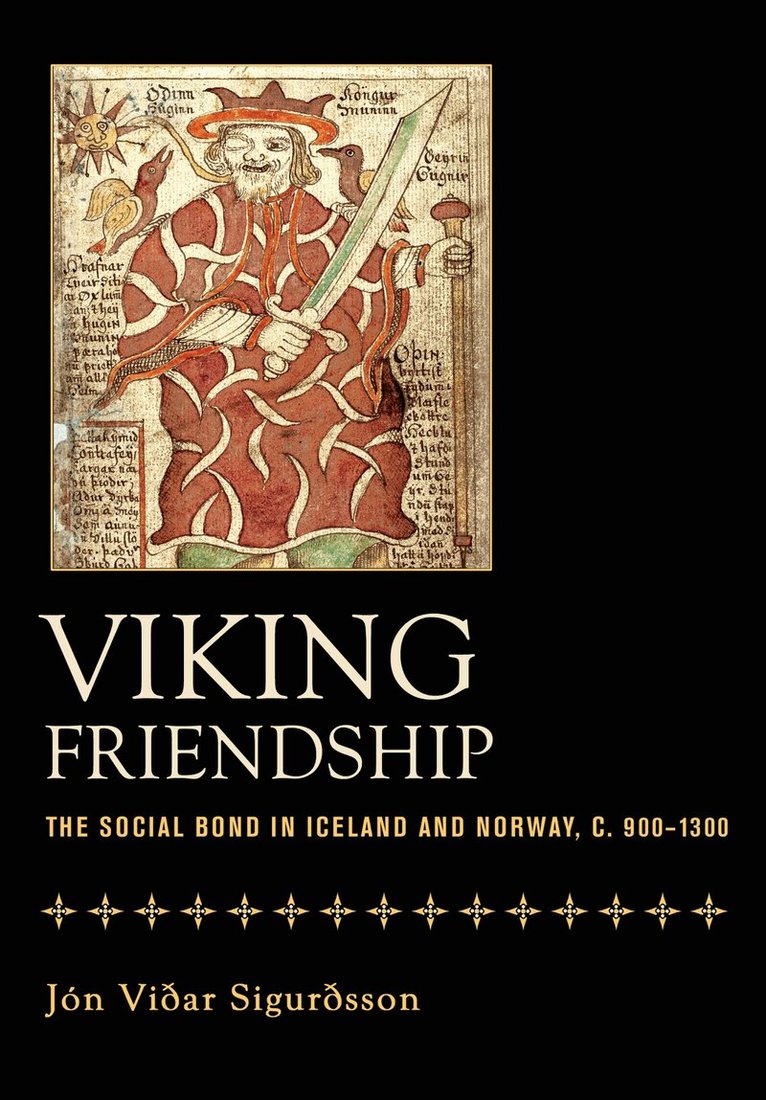
Viking Friendship
The Social Bond in Iceland and Norway, C. 900-1300
Inbunden, 2017
449 kr
Lägg i varukorg
"To a faithful friend, straight are the roads and short."—Odin, from the Hávamál (c. 1000) Friendship was the most important social bond in Iceland and Norway during the Viking Age and the early Middle Ages. Far more significantly than kinship ties, it defined relations between chieftains, and …
Friendship and Social Networks in Scandinavia, c. 1000-1800
Av Jón Viðar Sigurðsson, Thomas Småberg
Inbunden, 2013
1468 kr
Lägg i varukorg
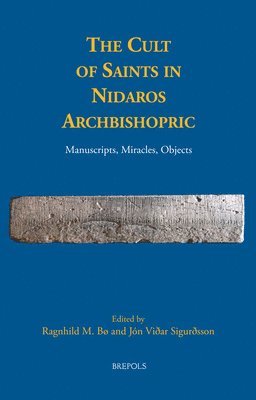
Cult of Saints in Nidaros Archbishopric
Manuscripts, Miracles, Objects
Av Ragnhild M Bo, Jon Vidar Sigurdsson
Inbunden, 2022
1208 kr
Lägg i varukorg
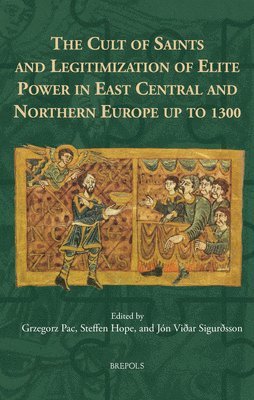
Cult of Saints and Legitimization of Elite Power in East Central and Northern Europe Up to 1300
Av Grzegorz Pac, Steffen Hope m. fl.
Inbunden, 2024
1522 kr
Lägg i varukorg
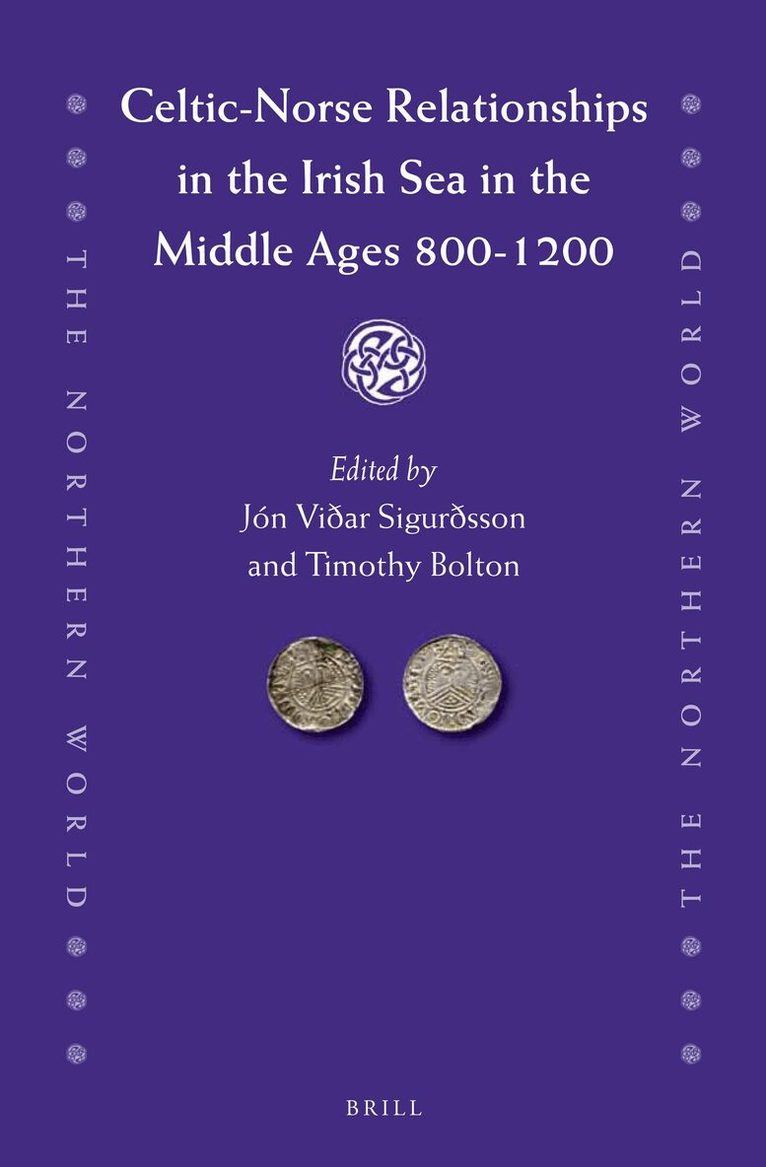
Celtic-Norse Relationships in the Irish Sea in the Middle Ages 800-1200
Inbunden, 2013
2387 kr
Lägg i varukorg
This volume contains the proceedings of a conference held in Oslo in late 2005, which brought together scholars working in a wide variety of disciplines from Scandinavia, Great Britain and Ireland. The papers here began as those read at the conference, augmented by two written immediately after by …
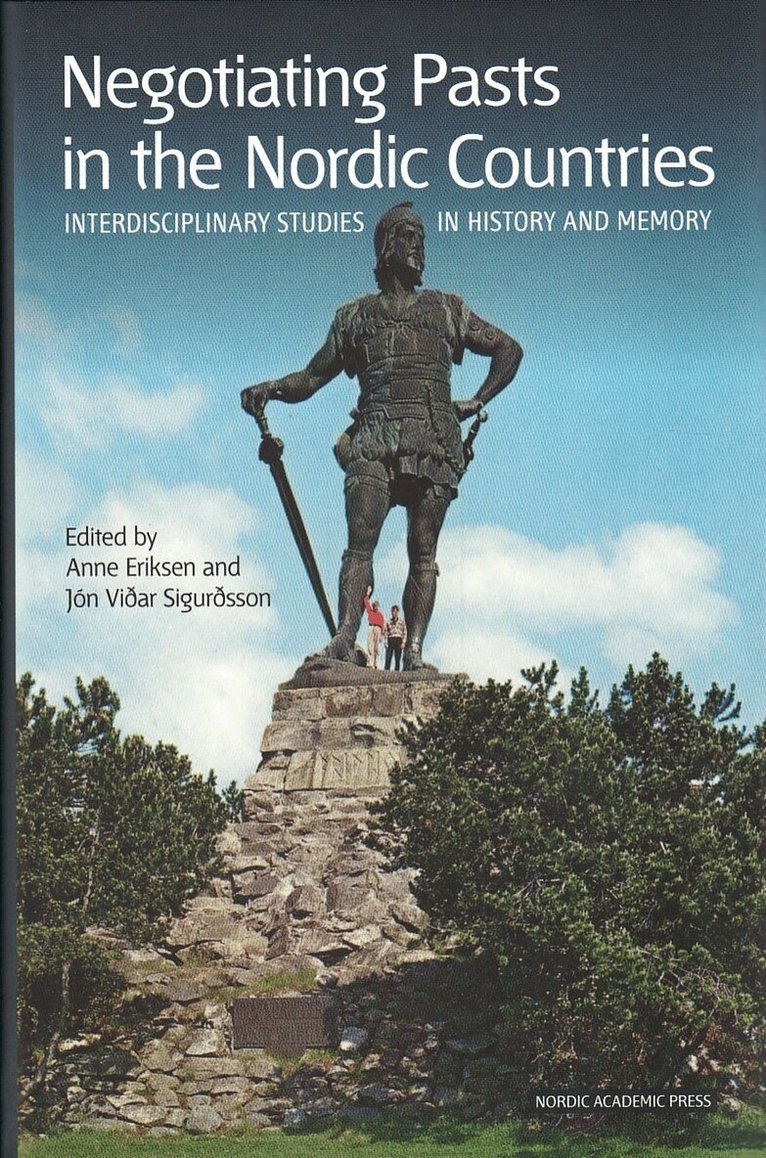
Negotiating pasts in Nordic countries : interdisciplinary studies in history and memory
Av Anne Eriksen, Jon Vidar Sigurdsen m. fl.
Inbunden, 2009
216 kr
Lägg i varukorg
Negotiating Pasts in the Nordic Countries är en samling fallstudier som spänner från medeltid till nutid, och berättar om hur det förgångna har blivit meningsfullt och relevant för efterkommande människor. När man ser på historien blir man delaktig i en process full av önskan att förstå okända …
Negotiating pasts in the Nordic countries : interdisciplinary studies in history and memory
Interdisciplinary Studies in History and Memory
Av Anne Eriksen, Jón Viðar Sigurðsson
E-bok, 2009
169 kr
Lägg i varukorg
Negotiating Pasts in the Nordic Countries is a collection of case-studies spanning from medieval to present time, of how the past has been made meaningful and relevant to people in later periods. As one looks at history one becomes part of a process filled by a desire to come to terms with unknown …
Norse-Gaelic Contacts in a Viking World
Av Colmán Etchingham, Jón Viðar Sigurðsson m. fl.
Inbunden, 2019
1211 kr
Tillfälligt slut