Jonathan Earle - Böcker
Visar alla böcker från författaren Jonathan Earle. Handla med fri frakt och snabb leverans.
5 produkter
5 produkter
316 kr
Kommande
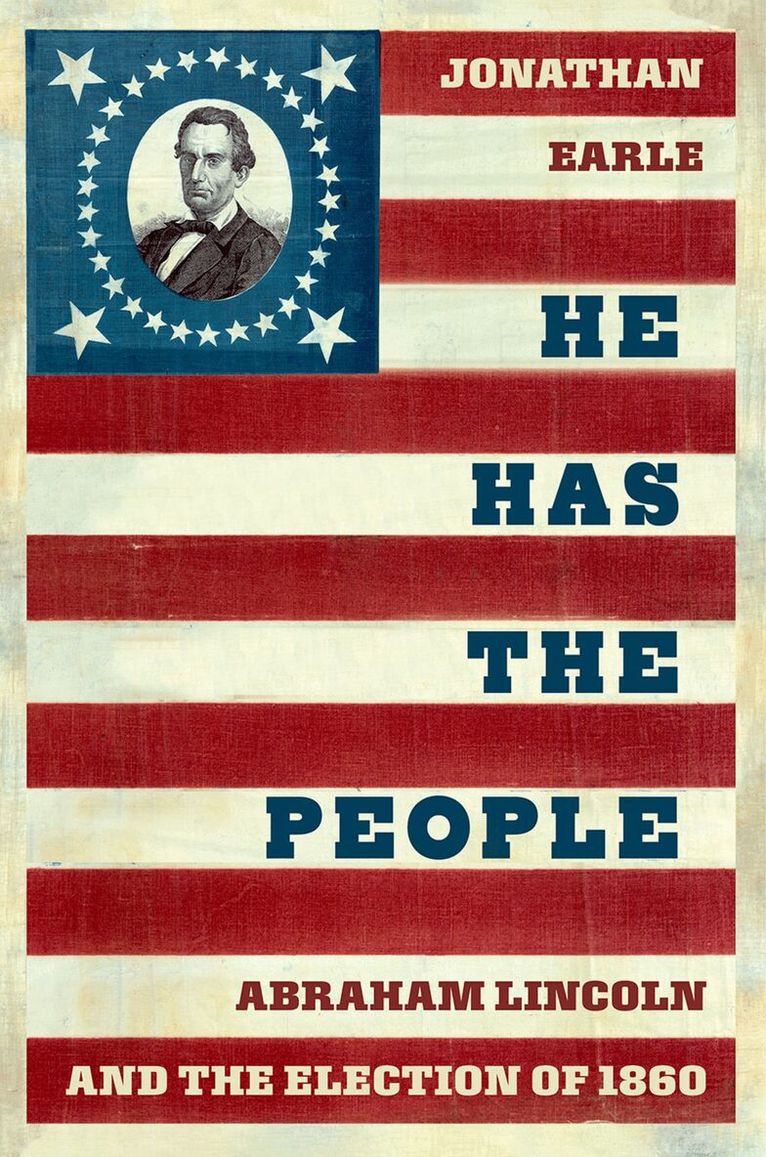
A gripping and granular look at how Abraham Lincoln got elected the 16th president of the United States.James McPherson calls the election of 1860 "undeniably the most important--and pivotal--in all of American history." The nation was not merely divided over the issue of slavery; the opposing camps were at each other's throats. The moment John Brown and his men attacked the federal arsenal at Harpers Ferry in the fall of 1859 the compromises that had stitched the country together for decades unraveled. The presidential election was therefore about more than who the next president would be. It was about how soon war would follow his inauguration. Using the writings and story of Murat Halstead, the nation's first campaign journalist, as well as previously unused documents from Lincoln's campaign manager, Jonathan Earle captures the full drama of the 1860 election. He shows how Lincoln, a one-time Congressman from Illinois, and a dark horse against the more established Stephen Douglas, the Democratic frontrunner, and William Henry Seward, the presumptive Republican nominee, got the people and votes he needed to win in a protracted yet furiously disputed election cycle. Earle focuses on the chaotic campaigns themselves, as political bosses, candidates, and their self-appointed partisans took politicking in directions that at times resembled paramilitary exercises more than campaign events. In the end, Lincoln and his associates ran a brilliant campaign, leveraging Northern anger, growing antislavery sentiment, and divisions within both the Democratic Party and the nation as a whole. His platform was built on his speeches, which projected a vision for how the nation would persevere in the coming crisis. Behind the commanding rhetoric, however, was sophisticated and very modern political machinery. He Has the People provides an engaging historical narrative and a fresh appraisal of the most consequential of all presidential elections.
564 kr
Skickas inom 10-15 vardagar
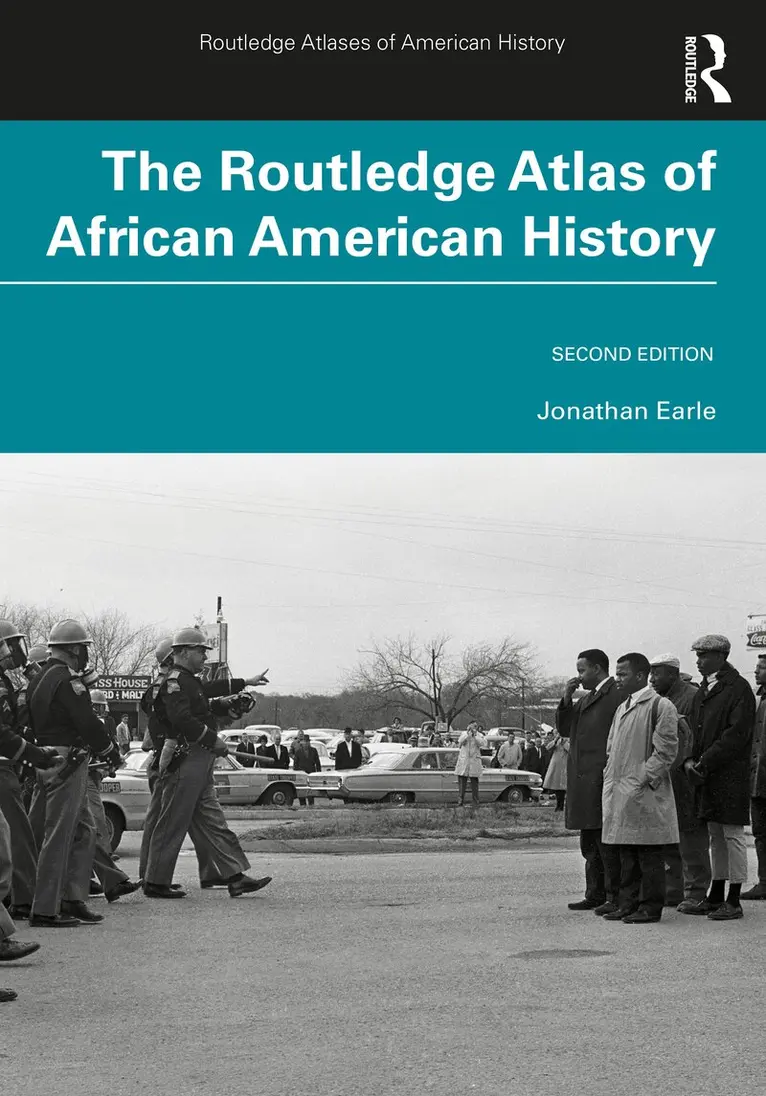
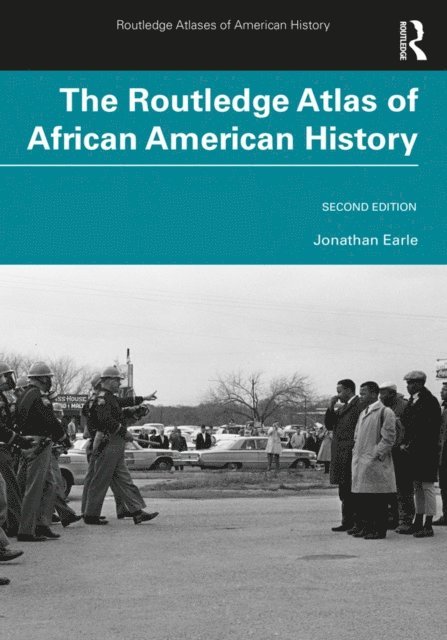
Now in its second edition, The Routledge Atlas of African American History traces the epic journey of African Americans’ four hundred years in North America.With more than 75 full-color maps, charts, and illustrations, this volume illuminates the myriad of contributions from Black Americans to the nation’s political, economic, cultural, and social history. Jonathan Earle begins the sweeping story with the African roots of Black America and moves through important developments such as the Underground Railroad, Emancipation and the Civil War, African Americas in the U.S. Armed Forces, the spread of Jim Crow Laws, and the long Civil Rights Movement. This updated edition also introduces new essays on Black Seminoles, the National Women’s Club Movement, Black political realignment and the rise of Barack Obama, and Black Lives Matter protests. Other diverse topics include: The AME Church Buffalo Soldiers Historically Black colleges and universities Black nationalism Racial violence and white supremacy.Examining both the geographical and historical context of the African American experience, this book is an indispensable reference for students of American history and African American history, and anyone interested in the Black experience.
2 166 kr
Skickas inom 10-15 vardagar
Now in its second edition, The Routledge Atlas of African American History traces the epic journey of African Americans’ four hundred years in North America.With more than 75 full-color maps, charts, and illustrations, this volume illuminates the myriad of contributions from Black Americans to the nation’s political, economic, cultural, and social history. Jonathan Earle begins the sweeping story with the African roots of Black America and moves through important developments such as the Underground Railroad, Emancipation and the Civil War, African Americas in the U.S. Armed Forces, the spread of Jim Crow Laws, and the long Civil Rights Movement. This updated edition also introduces new essays on Black Seminoles, the National Women’s Club Movement, Black political realignment and the rise of Barack Obama, and Black Lives Matter protests. Other diverse topics include: The AME Church Buffalo Soldiers Historically Black colleges and universities Black nationalism Racial violence and white supremacy.Examining both the geographical and historical context of the African American experience, this book is an indispensable reference for students of American history and African American history, and anyone interested in the Black experience.
733 kr
Skickas inom 5-8 vardagar
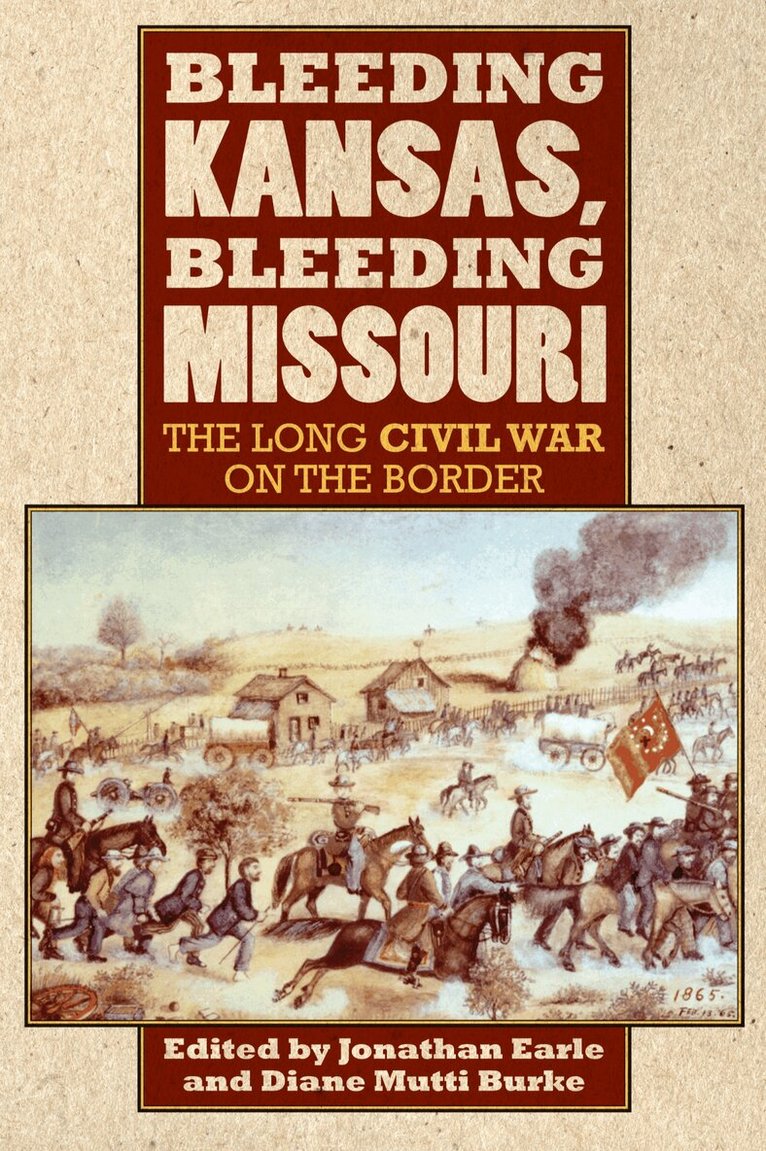
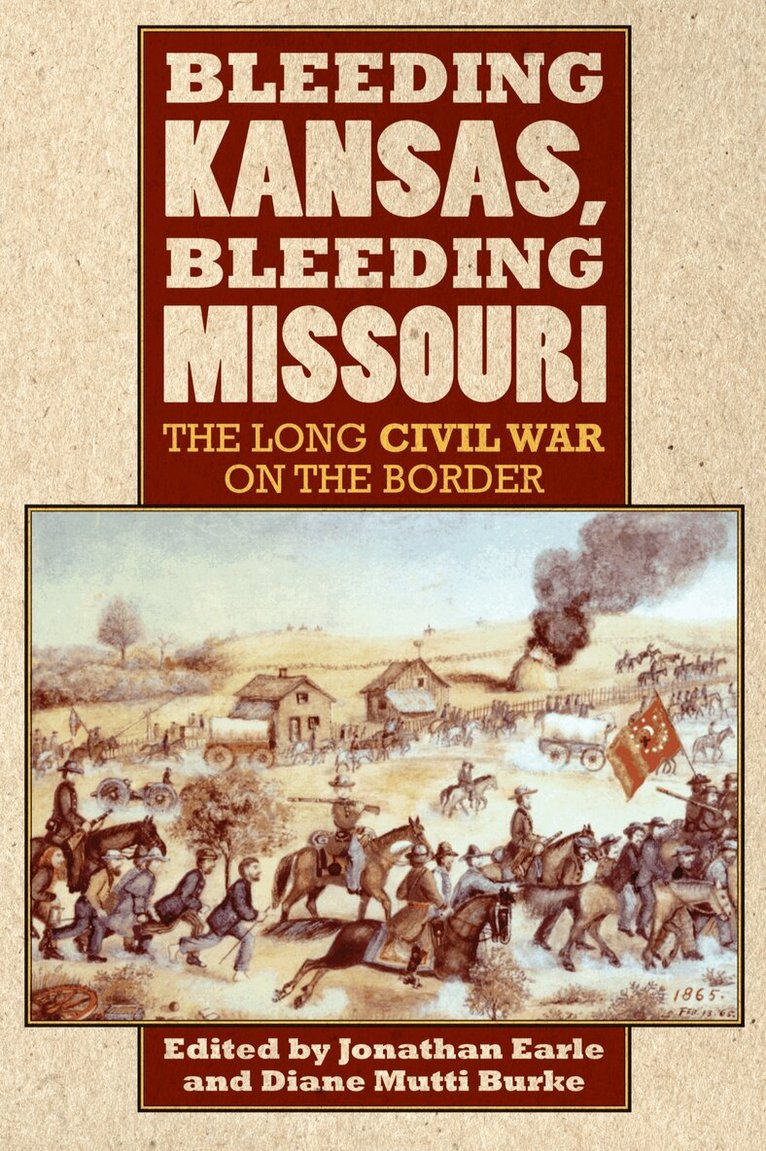
Long before the first shot of the Civil War was fired at Fort Sumter, violence had ?already erupted along the Missouri-Kansas border—a recurring cycle of robbery, arson, torture, murder, and revenge. This multifaceted study brings together fifteen scholars to expand our understanding of this vitally important region, the violence that besieged it, and its overall impact on the Civil War. Bleeding Kansas, Bleeding Missouri blends political, military, social, and intellectual history to explain why the region’s divisiveness was so bitter and persisted for so long. Providing a more nuanced understanding of the conflict, it defines both what united and divided the men and women who lived there and how various political disagreements ultimately disintegrated into violence. By focusing on contested definitions of liberty, citizenship, and freedom, it also explores how civil societies break down and how they are reconstructed when the conflict ends. Essays on “Slavery and Politics of Law and Order along the Border” examine how the border region was transformed by the conflict over the status of slavery in Kansas Territory and how the emerging conflict on the Kansas-Missouri border took on a larger national significance. Other essays focus on the transition to total warfare and examine the wartime experiences of the diverse people who populated the region in “Making the Border Bleed.” Final articles on “The Border Reconstructed and Remembered” explore the ways in which border residents rebuilt their society after the war and how they remembered it decades later. As this penetrating collection shows, only when Missourians and Kansans embraced a common vision for America—one based on shared agricultural practices, ideas about economic development, and racial equality—could citizens on both sides of the border reconcile.
350 kr
Skickas inom 10-15 vardagar
Long before the first shot of the Civil War was fired at Fort Sumter, violence had ?already erupted along the Missouri-Kansas border—a recurring cycle of robbery, arson, torture, murder, and revenge. This multifaceted study brings together fifteen scholars to expand our understanding of this vitally important region, the violence that besieged it, and its overall impact on the Civil War. Bleeding Kansas, Bleeding Missouri blends political, military, social, and intellectual history to explain why the region’s divisiveness was so bitter and persisted for so long. Providing a more nuanced understanding of the conflict, it defines both what united and divided the men and women who lived there and how various political disagreements ultimately disintegrated into violence. By focusing on contested definitions of liberty, citizenship, and freedom, it also explores how civil societies break down and how they are reconstructed when the conflict ends. Essays on “Slavery and Politics of Law and Order along the Border” examine how the border region was transformed by the conflict over the status of slavery in Kansas Territory and how the emerging conflict on the Kansas-Missouri border took on a larger national significance. Other essays focus on the transition to total warfare and examine the wartime experiences of the diverse people who populated the region in “Making the Border Bleed.” Final articles on “The Border Reconstructed and Remembered” explore the ways in which border residents rebuilt their society after the war and how they remembered it decades later. As this penetrating collection shows, only when Missourians and Kansans embraced a common vision for America—one based on shared agricultural practices, ideas about economic development, and racial equality—could citizens on both sides of the border reconcile.