Jonathan Glennie - Böcker
Visar alla böcker från författaren Jonathan Glennie. Handla med fri frakt och snabb leverans.
5 produkter
5 produkter
2 103 kr
Skickas inom 10-15 vardagar
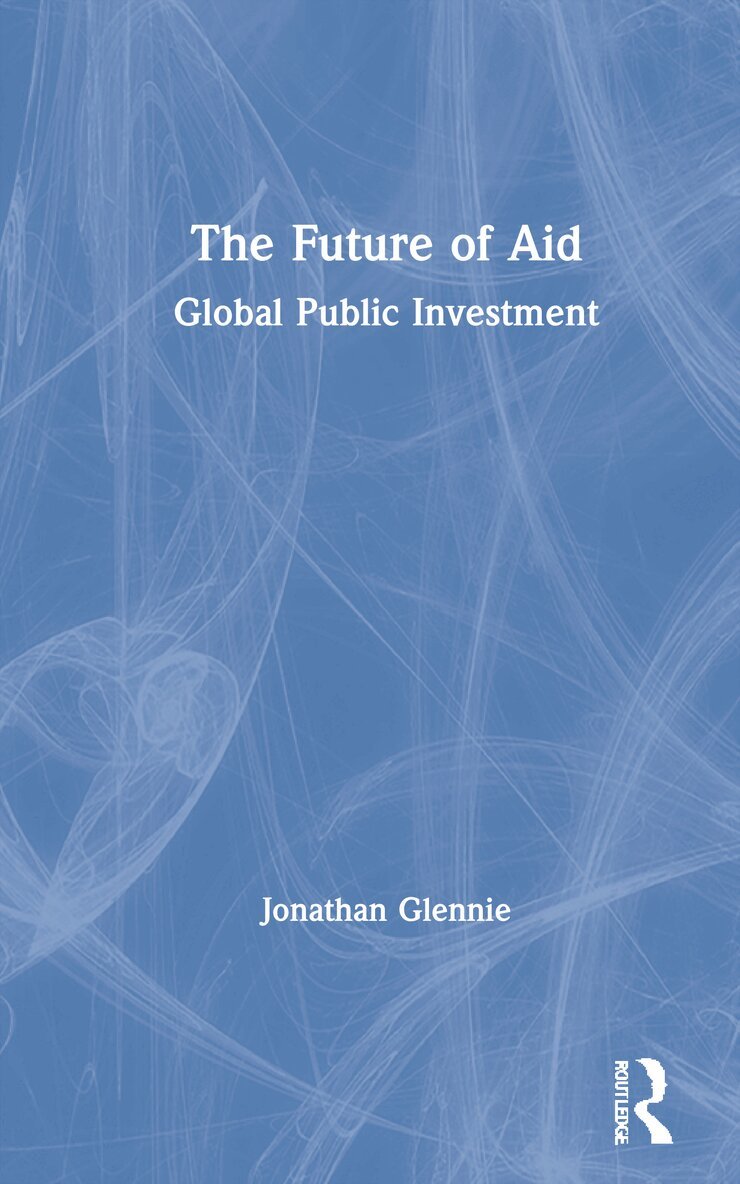
International cooperation has never been more needed, but the current system of “aid” is outdated and ineffective. The Future of Aid calls for a wholesale restructuring of the aid project, a totally new approach fit for the challenges of the 21st century: Global Public Investment. Across the world, billions of people are struggling to get by in unequal and unsustainable societies, and international public finance, which should be part of the answer, is woefully deficient. Engagingly written by a well-known expert in the field, The Future of Aid calls for a series of paradigm shifts.From a narrow focus on poverty to a broader attack on inequality and sustainability.From seeing international public money as a temporary last resort, to valuing it as a permanent force for good.From North-South transfers to a collective effort, with all paying in and all benefitting.From outdated post-colonial institutions to representative decision-making.From the othering and patronising language of “foreign aid”, to the empowering concept of Global Public Investment.Ten years ago, in The Trouble with Aid, Jonathan Glennie highlighted the dangers of aid dependency and the importance of looking beyond aid. Now he calls for a revolution in the way that we think about the role of public money to back up our ambitious global objectives. In the wake of the COVID-19 crisis, it is time for a new era of internationalism.
362 kr
Skickas inom 10-15 vardagar
International cooperation has never been more needed, but the current system of “aid” is outdated and ineffective. The Future of Aid calls for a wholesale restructuring of the aid project, a totally new approach fit for the challenges of the 21st century: Global Public Investment. Across the world, billions of people are struggling to get by in unequal and unsustainable societies, and international public finance, which should be part of the answer, is woefully deficient. Engagingly written by a well-known expert in the field, The Future of Aid calls for a series of paradigm shifts.From a narrow focus on poverty to a broader attack on inequality and sustainability.From seeing international public money as a temporary last resort, to valuing it as a permanent force for good.From North-South transfers to a collective effort, with all paying in and all benefitting.From outdated post-colonial institutions to representative decision-making.From the othering and patronising language of “foreign aid”, to the empowering concept of Global Public Investment.Ten years ago, in The Trouble with Aid, Jonathan Glennie highlighted the dangers of aid dependency and the importance of looking beyond aid. Now he calls for a revolution in the way that we think about the role of public money to back up our ambitious global objectives. In the wake of the COVID-19 crisis, it is time for a new era of internationalism.
540 kr
Skickas inom 10-15 vardagar
The authors discuss the impact of foreign aid and tackle the question of why assessing the impact of aid is so difficult. Glennie and Sumner argue that the evidence in four areas shows signs of convergence that may have direct relevance for policy decisions on aid and for aid effectiveness discussions.
1 209 kr
Skickas inom 10-15 vardagar
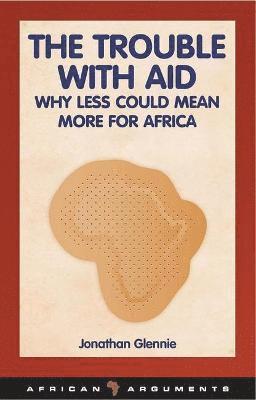
Africa is poor. If we send it money it will be less poor. It seems perfectly logical, doesn't it? Millions of people in the rich world, moved by images on television and appalled by the miserable conditions endured by so many in other countries, have joined campaigns to persuade their governments to double aid to Africa and help put an end to such shameful inequality.It seems simple. But it isn't. In this book, Jonathan Glennie argues that, along with its many benefits, government aid to Africa has often meant more poverty, more hungry people, worse basic services and damage to already precarious democratic institutions. Moreover, calls for more aid are drowning out pressure for action that would really make a difference for Africa’s poor. Rather than doubling aid to Africa, it is time to reduce aid dependency. Through an honest assessment of both the positive and negative consequences of aid, this book will show you why.
247 kr
Skickas inom 10-15 vardagar
Africa is poor. If we send it money it will be less poor. It seems perfectly logical, doesn't it? Millions of people in the rich world, moved by images on television and appalled by the miserable conditions endured by so many in other countries, have joined campaigns to persuade their governments to double aid to Africa and help put an end to such shameful inequality.It seems simple. But it isn't. In this book, Jonathan Glennie argues that, along with its many benefits, government aid to Africa has often meant more poverty, more hungry people, worse basic services and damage to already precarious democratic institutions. Moreover, calls for more aid are drowning out pressure for action that would really make a difference for Africa’s poor. Rather than doubling aid to Africa, it is time to reduce aid dependency. Through an honest assessment of both the positive and negative consequences of aid, this book will show you why.