Jonathan Kahn - Böcker
Visar alla böcker från författaren Jonathan Kahn. Handla med fri frakt och snabb leverans.
7 produkter
7 produkter
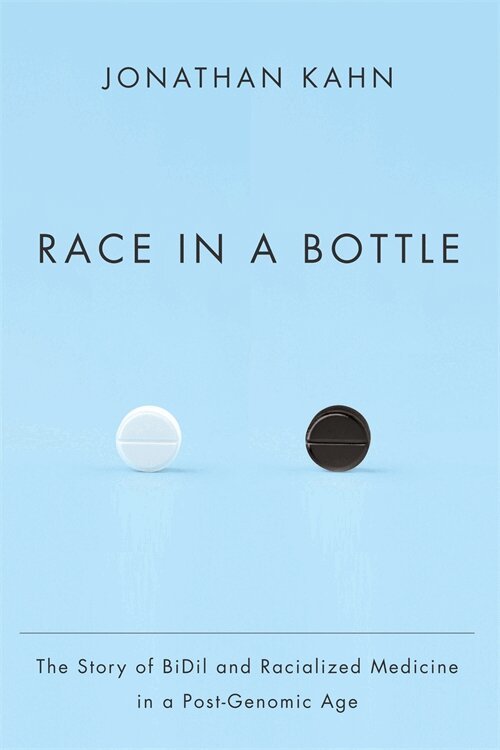
Race in a Bottle
The Story of BiDil and Racialized Medicine in a Post-Genomic Age
Inbunden, Engelska, 2012
1 147 kr
Skickas inom 7-10 vardagar
At a ceremony announcing the completion of the first draft of the human genome in 2000, President Bill Clinton declared, "I believe one of the great truths to emerge from this triumphant expedition inside the human genome is that in genetic terms, all human beings, regardless of race, are more than 99.9 percent the same." Yet despite this declaration of unity, biomedical research has focused increasingly on mapping that.1 percent of difference, particularly as it relates to race. This trend is exemplified by the drug BiDil. Approved by the FDA in 2005 as the first drug with a race-specific indication on its label, BiDil was originally touted as a pathbreaking therapy to treat heart failure in black patients and help underserved populations. Upon closer examination, however, Jonathan Kahn reveals a far more complex story. At the most basic level, BiDil became racial through legal maneuvering and commercial pressure as much as through medical understandings of how the drug worked.Using BiDil as a central case study, Kahn broadly examines the legal and commercial imperatives driving the expanding role of race in biomedicine, even as scientific advances in genomics could render the issue irrelevant. He surveys the distinct politics informing the use of race in medicine and the very real health disparities caused by racism and social injustice that are now being cast as a mere function of genetic difference. Calling for a more reasoned approach to using race in biomedical research and practice, Kahn asks readers to recognize that, just as genetics is a complex field requiring sensitivity and expertise, so too is race, particularly in the field of biomedicine.
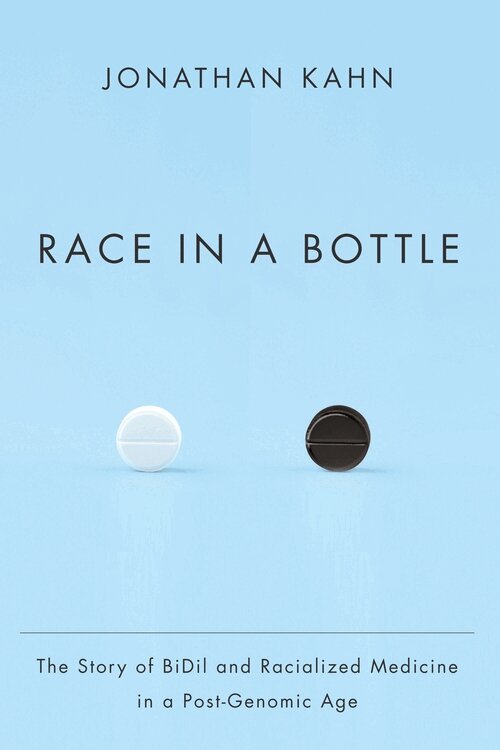
Race in a Bottle
The Story of BiDil and Racialized Medicine in a Post-Genomic Age
Häftad, Engelska, 2014
292 kr
Skickas inom 7-10 vardagar
At a ceremony announcing the completion of the first draft of the human genome in 2000, President Bill Clinton declared, "I believe one of the great truths to emerge from this triumphant expedition inside the human genome is that in genetic terms, all human beings, regardless of race, are more than 99.9 percent the same." Yet despite this declaration of unity, biomedical research has focused increasingly on mapping that.1 percent of difference, particularly as it relates to race. This trend is exemplified by the drug BiDil. Approved by the FDA in 2005 as the first drug with a race-specific indication on its label, BiDil was originally touted as a pathbreaking therapy to treat heart failure in black patients and help underserved populations. Upon closer examination, however, Jonathan Kahn reveals a far more complex story. At the most basic level, BiDil became racial through legal maneuvering and commercial pressure as much as through medical understandings of how the drug worked.Using BiDil as a central case study, Kahn broadly examines the legal and commercial imperatives driving the expanding role of race in biomedicine, even as scientific advances in genomics could render the issue irrelevant. He surveys the distinct politics informing the use of race in medicine and the very real health disparities caused by racism and social injustice that are now being cast as a mere function of genetic difference. Calling for a more reasoned approach to using race in biomedical research and practice, Kahn asks readers to recognize that, just as genetics is a complex field requiring sensitivity and expertise, so too is race, particularly in the field of biomedicine.
1 113 kr
Skickas inom 7-10 vardagar
This anthology draws bold comparisons between secularist strategies to contain, privatize, and discipline religion and the treatment of racialized subjects by the American state. Specializing in history, literature, anthropology, theology, religious studies, and political theory, contributors expose secularism's prohibitive practices in all facets of American society and suggest opportunities for change.
284 kr
Skickas inom 7-10 vardagar
This anthology draws bold comparisons between secularist strategies to contain, privatize, and discipline religion and the treatment of racialized subjects by the American state. Specializing in history, literature, anthropology, theology, religious studies, and political theory, contributors expose secularism's prohibitive practices in all facets of American society and suggest opportunities for change.
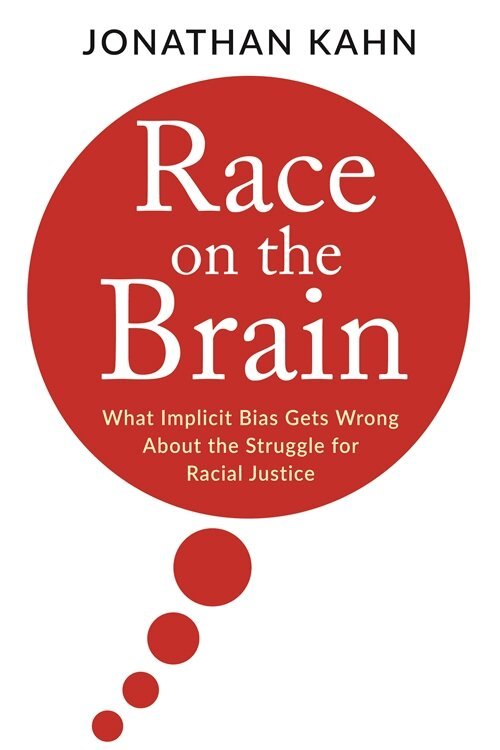
Race on the Brain
What Implicit Bias Gets Wrong About the Struggle for Racial Justice
Inbunden, Engelska, 2017
352 kr
Skickas inom 7-10 vardagar
Of the many obstacles to racial justice in America, none has received more recent attention than the one that lurks in our subconscious. As social movements and policing scandals have shown how far from being "postracial" we are, the concept of implicit bias has taken center stage in national conversation about race. Millions of Americans have taken online tests purporting to show the deep, invisible roots of their prejudice. When a recent Oxford study claimed to have found a drug that reduced implicit bias, it was only the starkest example of a pervasive trend. But what do we risk when we seek the simplicity of a technological diagnosis-and solution-for racism? What do we miss when we locate racism in our biology and our brains rather than in our history and our social practices? In Race on the Brain, Jonathan Kahn argues that implicit bias has grown into a master narrative of race relations-one with profound if unintended negative consequences for law, science, and society. He emphasizes its limitations, arguing that while useful as a tool to understand particular types of behavior, it is only one among the various tools available to policymakers.An uncritical embrace of implicit bias, to the exclusion of power relations and structural racism, undermines civic responsibility for addressing the problem by turning it over to experts. Technological interventions, including many tests for implicit bias, are premised on a color-blind ideal and run the risk of erasing history, denying present reality, and obscuring accountability. Kahn recognizes the significance of implicit social cognition but cautions us against seeing it as a panacea for addressing America's longstanding racial problems. A bracing corrective to what has become a common-sense understanding of the power of prejudice, Race on the Brain challenges us all to engage more thoughtfully and more democratically in the difficult task of promoting racial justice.
Del 16 - Race, Inequality, and Health
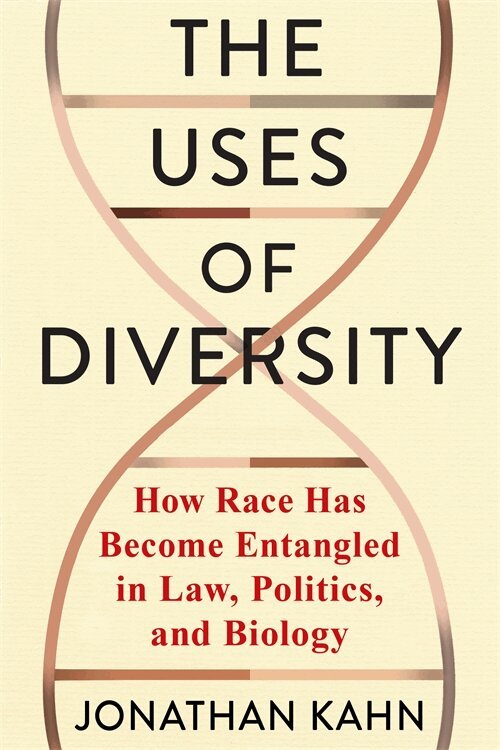
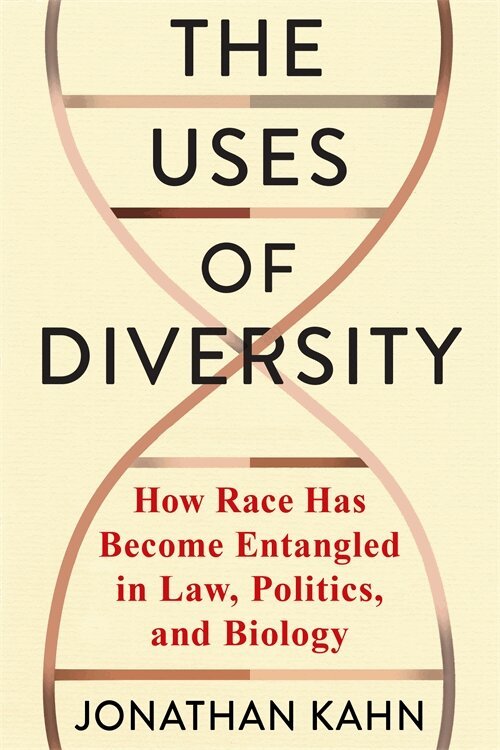
The Uses of Diversity
How Race Has Become Entangled in Law, Politics, and Biology
Häftad, Engelska, 2025
260 kr
Skickas inom 7-10 vardagar
Race, it is widely understood, is a social category that has no genetic basis, yet biological notions of race keep reemerging. Attempts to redress disparities in biomedical research emphasize recruiting racially representative trial participants. Forensic use of DNA evidence purports to pinpoint the race of a potential suspect. Genetic ancestry tracing companies explain test results to customers using racial categories. The makers of genomic databases seek to ensure racial inclusivity.Jonathan Kahn argues that this predicament arises from a surprising source: the concept of diversity. Ranging across law, politics, science, and medicine, he examines the blurring of the distinction between social understandings of race and biological understandings of genetic variation. Because diversity has become such a central concept across domains, Kahn contends, it enables slippage between these contradictory ideas, entangling biological and social views of race. Tracing the parallel histories of the Human Genome Project, workforce diversification efforts, U. S. Supreme Court cases over affirmative action, the rise of precision medicine, and the COVID-19 vaccine trials, among others, he shows why diversity is often deployed in ways that threaten to biologize race or undermine efforts to address racial injustice. Combining incisive critique and interdisciplinary insight, The Uses of Diversity offers bracing new perspective on one of today’s most vexed concepts.
Del 16 - Race, Inequality, and Health
The Uses of Diversity
How Race Has Become Entangled in Law, Politics, and Biology
Inbunden, Engelska, 2025
995 kr
Skickas inom 7-10 vardagar
Race, it is widely understood, is a social category that has no genetic basis, yet biological notions of race keep reemerging. Attempts to redress disparities in biomedical research emphasize recruiting racially representative trial participants. Forensic use of DNA evidence purports to pinpoint the race of a potential suspect. Genetic ancestry tracing companies explain test results to customers using racial categories. The makers of genomic databases seek to ensure racial inclusivity.Jonathan Kahn argues that this predicament arises from a surprising source: the concept of diversity. Ranging across law, politics, science, and medicine, he examines the blurring of the distinction between social understandings of race and biological understandings of genetic variation. Because diversity has become such a central concept across domains, Kahn contends, it enables slippage between these contradictory ideas, entangling biological and social views of race. Tracing the parallel histories of the Human Genome Project, workforce diversification efforts, U. S. Supreme Court cases over affirmative action, the rise of precision medicine, and the COVID-19 vaccine trials, among others, he shows why diversity is often deployed in ways that threaten to biologize race or undermine efforts to address racial injustice. Combining incisive critique and interdisciplinary insight, The Uses of Diversity offers bracing new perspective on one of today’s most vexed concepts.