Vincent W. Lloyd - Böcker
Visar alla böcker från författaren Vincent W. Lloyd. Handla med fri frakt och snabb leverans.
13 produkter
13 produkter
851 kr
Skickas inom 5-8 vardagar
Black Natural Law offers a new way of understanding the African American political tradition. Iconoclastically attacking left (including James Baldwin and Audre Lorde), right (including Clarence Thomas and Ben Carson), and center (Barack Obama), Vincent William Lloyd charges that many Black leaders today embrace secular, white modes of political engagement, abandoning the deep connections between religious, philosophical, and political ideas that once animated Black politics. By telling the stories of Frederick Douglass, Anna Julia Cooper, W. E. B. Du Bois, and Martin Luther King, Jr., Lloyd shows how appeals to a higher law, or God's law, have long fueled Black political engagement. Such appeals do not seek to implement divine directives on earth; rather, they pose a challenge to the wisdom of the world, and they mobilize communities for collective action. Black natural law is deeply democratic: while charismatic leaders may provide the occasion for reflection and mobilization, all are capable of discerning the higher law using our human capacities for reason and emotion.At a time when continuing racial injustice poses a deep moral challenge, the most powerful intellectual resources in the struggle for justice have been abandoned. Black Natural Law recovers a rich tradition, and it examines just how this tradition was forgotten. A Black intellectual class emerged that was disconnected from social movement organizing and beholden to white interests. Appeals to higher law became politically impotent: overly rational or overly sentimental. Recovering the Black natural law tradition provides a powerful resource for confronting police violence, mass incarceration, and today's gross racial inequities. Black Natural Law will change the way we understand natural law, a topic central to the Western ethical and political tradition. While drawing particularly on African American resources, Black Natural Law speaks to all who seek politics animated by justice.
1 107 kr
Skickas inom 7-10 vardagar
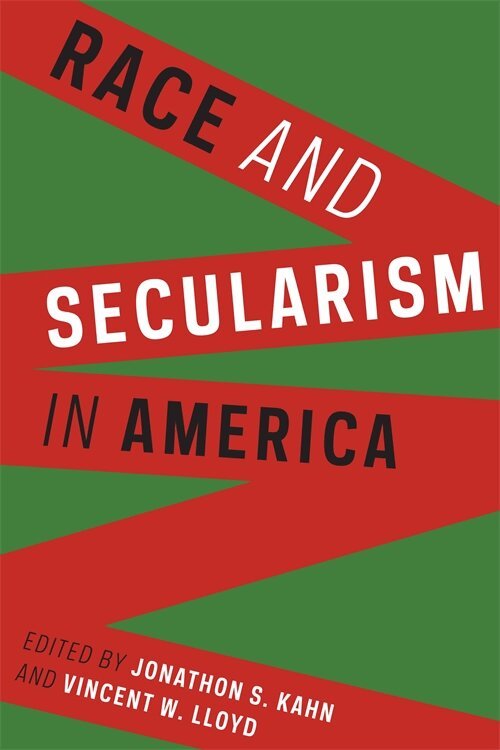
This anthology draws bold comparisons between secularist strategies to contain, privatize, and discipline religion and the treatment of racialized subjects by the American state. Specializing in history, literature, anthropology, theology, religious studies, and political theory, contributors expose secularism's prohibitive practices in all facets of American society and suggest opportunities for change.
282 kr
Skickas inom 7-10 vardagar
This anthology draws bold comparisons between secularist strategies to contain, privatize, and discipline religion and the treatment of racialized subjects by the American state. Specializing in history, literature, anthropology, theology, religious studies, and political theory, contributors expose secularism's prohibitive practices in all facets of American society and suggest opportunities for change.
1 028 kr
Skickas inom 7-10 vardagar
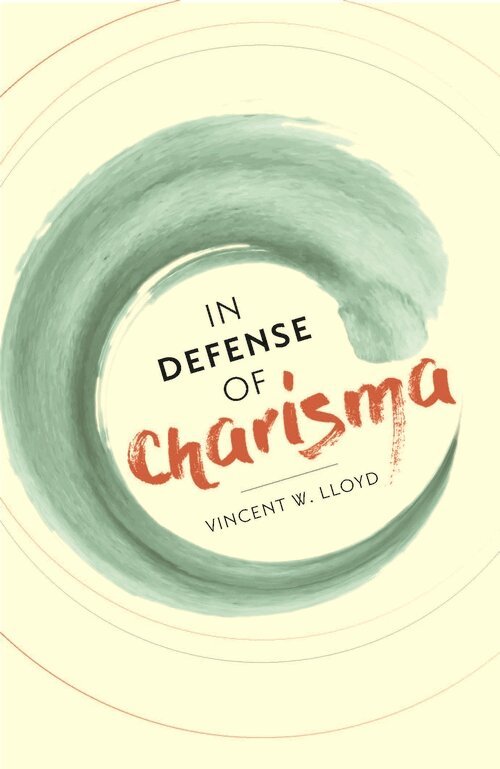
Martin Luther King Jr. has charisma—as does Adolf Hitler. So do Brad Pitt, Mother Teresa, and many a high school teacher. Charisma marks, or masks, power; it legitimates but also attracts suspicion. Sociologists often view charisma as an irrational, unstable source of authority, superseded by the rational, bureaucratic legitimacy of modernity. Yet charisma endures in the modern world; perhaps it is reinvigorated in the postmodern, as the notoriety of celebrities, politicians, and New Age gurus attests. Is charisma a tool of oppression, or can it help the fight against oppression? Can reexamining the concept of charisma teach us anything useful about contemporary movements for social justice?In Defense of Charisma develops an account of moral charisma that weaves insights from politics, ethics, and religion together with reflections on contemporary culture. Vincent W. Lloyd distinguishes between authoritarian charisma, which furthers the interests of the powerful, naturalizing racism, patriarchy, and elitism, and democratic charisma, which prompts observers to ask new questions and discover new possibilities. At its best, charisma can challenge the way we see ourselves and our world, priming us to struggle for justice. Exploring the biblical Moses alongside Charlton Heston’s performance in The Ten Commandments, the image of Martin Luther King Jr., together with tweets from the Black Lives Matter movement, and the novels of Harper Lee and Sherman Alexie juxtaposed with the writings of Emmanuel Levinas, In Defense of Charisma challenges readers to turn away from the blinding charisma of celebrities toward the humbler moral charisma of the neighbor, colleague, or relative.
258 kr
Skickas inom 7-10 vardagar
Martin Luther King Jr. has charisma—as does Adolf Hitler. So do Brad Pitt, Mother Teresa, and many a high school teacher. Charisma marks, or masks, power; it legitimates but also attracts suspicion. Sociologists often view charisma as an irrational, unstable source of authority, superseded by the rational, bureaucratic legitimacy of modernity. Yet charisma endures in the modern world; perhaps it is reinvigorated in the postmodern, as the notoriety of celebrities, politicians, and New Age gurus attests. Is charisma a tool of oppression, or can it help the fight against oppression? Can reexamining the concept of charisma teach us anything useful about contemporary movements for social justice?In Defense of Charisma develops an account of moral charisma that weaves insights from politics, ethics, and religion together with reflections on contemporary culture. Vincent W. Lloyd distinguishes between authoritarian charisma, which furthers the interests of the powerful, naturalizing racism, patriarchy, and elitism, and democratic charisma, which prompts observers to ask new questions and discover new possibilities. At its best, charisma can challenge the way we see ourselves and our world, priming us to struggle for justice. Exploring the biblical Moses alongside Charlton Heston’s performance in The Ten Commandments, the image of Martin Luther King Jr., together with tweets from the Black Lives Matter movement, and the novels of Harper Lee and Sherman Alexie juxtaposed with the writings of Emmanuel Levinas, In Defense of Charisma challenges readers to turn away from the blinding charisma of celebrities toward the humbler moral charisma of the neighbor, colleague, or relative.
950 kr
Skickas inom 7-10 vardagar
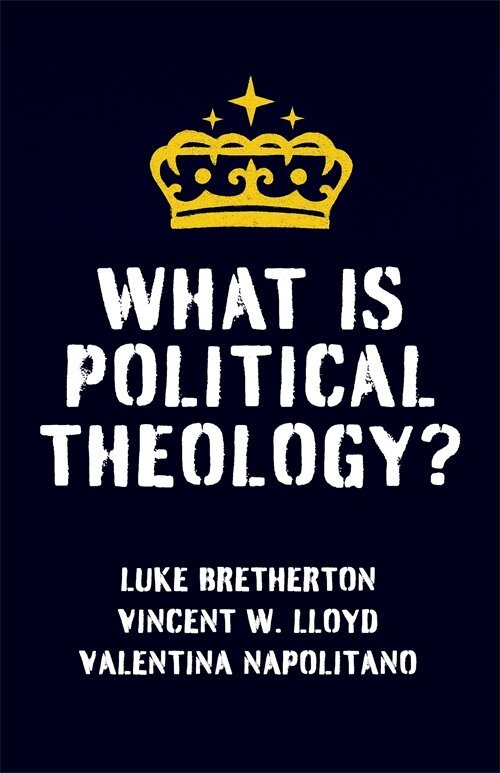
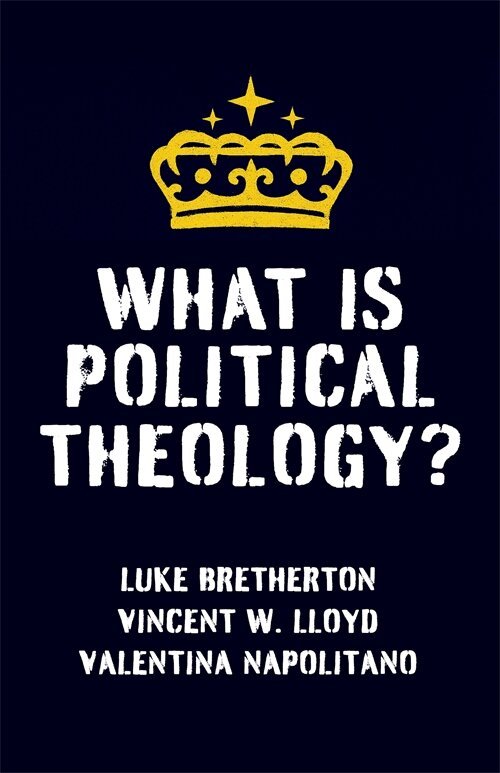
Political theology is widely discussed but little understood. Across the humanities and critical social sciences, even in popular discussion of current events, it has become a buzzword. Yet there is no consensus about its very definition.This field-changing interdisciplinary book brings together three of the leading voices in political theology—a Christian theologian, a critical theorist, and an anthropologist—to offer new entry points to understand religion and politics. They explore similarities and differences in their approaches, guiding readers through scholarship in their own fields while also advancing a shared vision that speaks to crucial questions of justice in the contemporary world.Rejecting the notion that political theology is a closed field with an established canon, the authors show it to be an open-ended, lively conversation that welcomes new participants. They demonstrate how voices and approaches from decolonial theory, Black studies, feminist and queer theory, new materialism, and ethnography, both in the Global North and in the Global South, are transforming the field.This book addresses concerns about political theology’s ties to authoritarian and antidemocratic movements, demonstrating that an engaged political theology sheds critical light on volatile topics such as populism, racism, and ethnoreligious nationalism. At once accessible to students and groundbreaking for scholars, What Is Political Theology? provides a state-of-the-art global understanding.
243 kr
Skickas inom 7-10 vardagar
Political theology is widely discussed but little understood. Across the humanities and critical social sciences, even in popular discussion of current events, it has become a buzzword. Yet there is no consensus about its very definition.This field-changing interdisciplinary book brings together three of the leading voices in political theology—a Christian theologian, a critical theorist, and an anthropologist—to offer new entry points to understand religion and politics. They explore similarities and differences in their approaches, guiding readers through scholarship in their own fields while also advancing a shared vision that speaks to crucial questions of justice in the contemporary world.Rejecting the notion that political theology is a closed field with an established canon, the authors show it to be an open-ended, lively conversation that welcomes new participants. They demonstrate how voices and approaches from decolonial theory, Black studies, feminist and queer theory, new materialism, and ethnography, both in the Global North and in the Global South, are transforming the field.This book addresses concerns about political theology’s ties to authoritarian and antidemocratic movements, demonstrating that an engaged political theology sheds critical light on volatile topics such as populism, racism, and ethnoreligious nationalism. At once accessible to students and groundbreaking for scholars, What Is Political Theology? provides a state-of-the-art global understanding.
206 kr
Skickas inom 7-10 vardagar
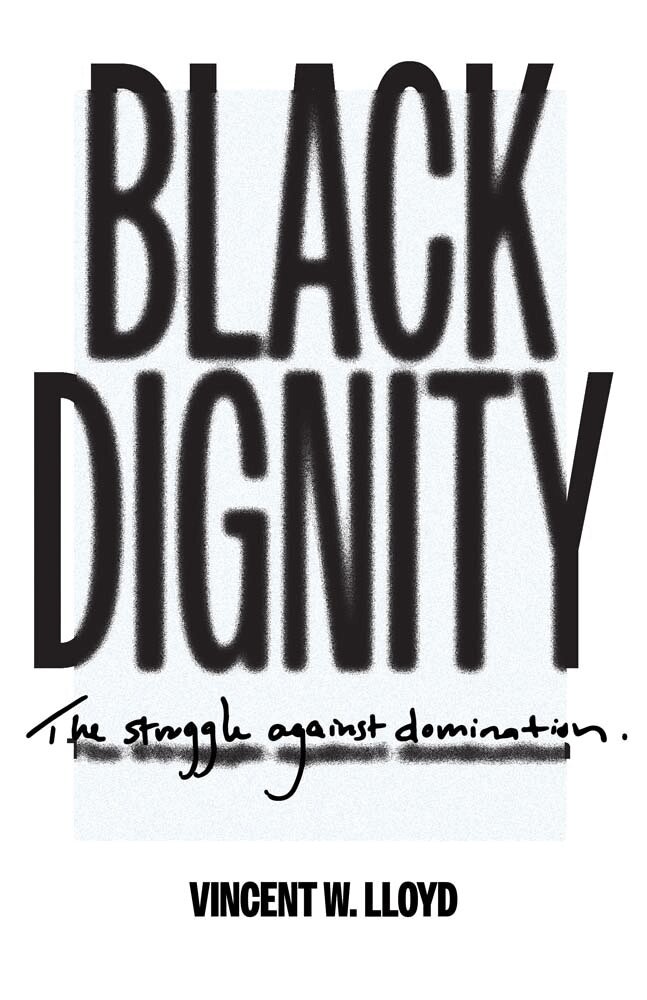
Why Black dignity is the paradigm of all dignity and Black philosophy is the starting point of all philosophy “A bold attempt to determine the conditions of—and the means for achieving—racial justice.”—Kirkus Reviews This radical work by one of the leading young scholars of Black thought delineates a new concept of Black dignity, yet one with a long history in Black writing and action. Previously in the West, dignity has been seen in two ways: as something inherent in one’s station in life, whether acquired or conferred by birth; or more recently as an essential condition and right common to all of humanity. In what might be called a work of observational philosophy—an effort to describe the philosophy underlying the Black Lives Matter movement—Vincent W. Lloyd defines dignity as something performative, not an essential quality but an action: struggle against domination. Without struggle, there is no dignity. He defines anti-Blackness as an inescapable condition of American life, and the slave’s struggle against the master as the “primal scene” of domination and resistance. Exploring the way Black writers such as Frederick Douglass, Langston Hughes, and Audre Lorde have dealt with themes such as Black rage, Black love, and Black magic, Lloyd posits that Black dignity is the paradigm of all dignity and, more audaciously, that Black philosophy is the starting point of all philosophy.
316 kr
Kommande
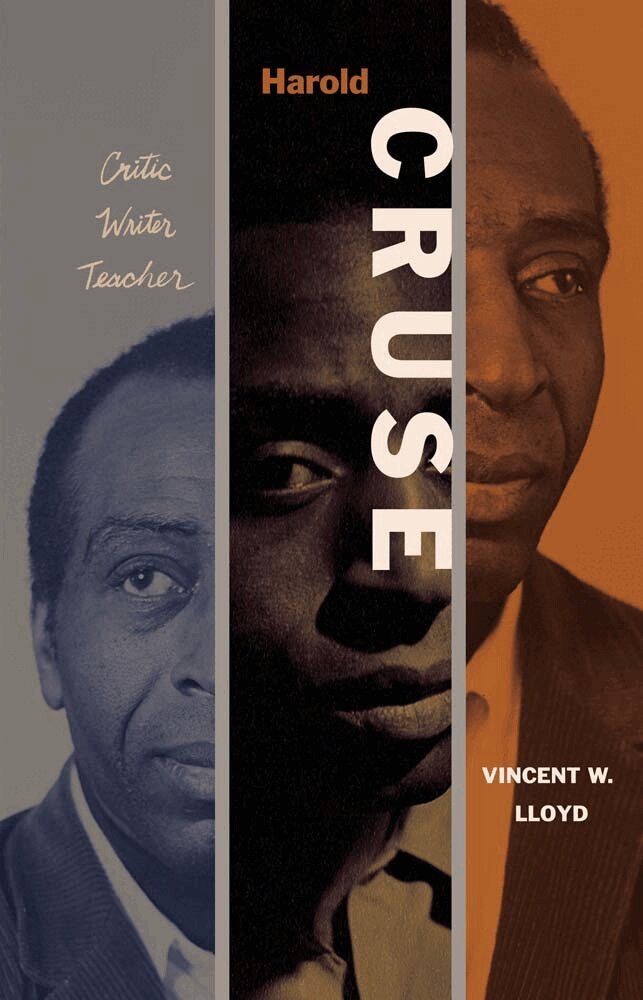
The first biography of a controversial, iconoclastic architect of Black Studies, from a leading scholar of the Black intellectual traditionIn the 1960s and 1970s, Harold Cruse (1916–2005) was one of the most prominent Black intellectuals in the world, mentioned in the same breath as James Baldwin, Frantz Fanon, and Malcolm X. Today, Cruse is nearly forgotten. In this biography, Vincent W. Lloyd reclaims the story of an influential contrarian, a man who was beloved, feared, hated, reviled, praised.Cruse grew up poor in Virginia and Harlem, worked as a critic and organizer, and then spent years making his living through manual labor while writing The Crisis of the Negro Intellectual (1967). The book electrified Black America, and the activist who never finished high school became a tenured college professor, a founder of the field of Black Studies, and a mentor to countless student activists. By the 1980s, however, Cruse’s distaste for integration, liberal pluralism, and multiculturalism meant that his influential work was fading from view.Drawing on Cruse’s letters and unpublished writings, along with scores of interviews, Lloyd offers a fast-paced narrative of an extraordinary life—and a new perspective on Black justice struggles. Ultimately, this is the story of a singular man: passionate, brilliant, strange, and visionary.
2 155 kr
Skickas inom 10-15 vardagar
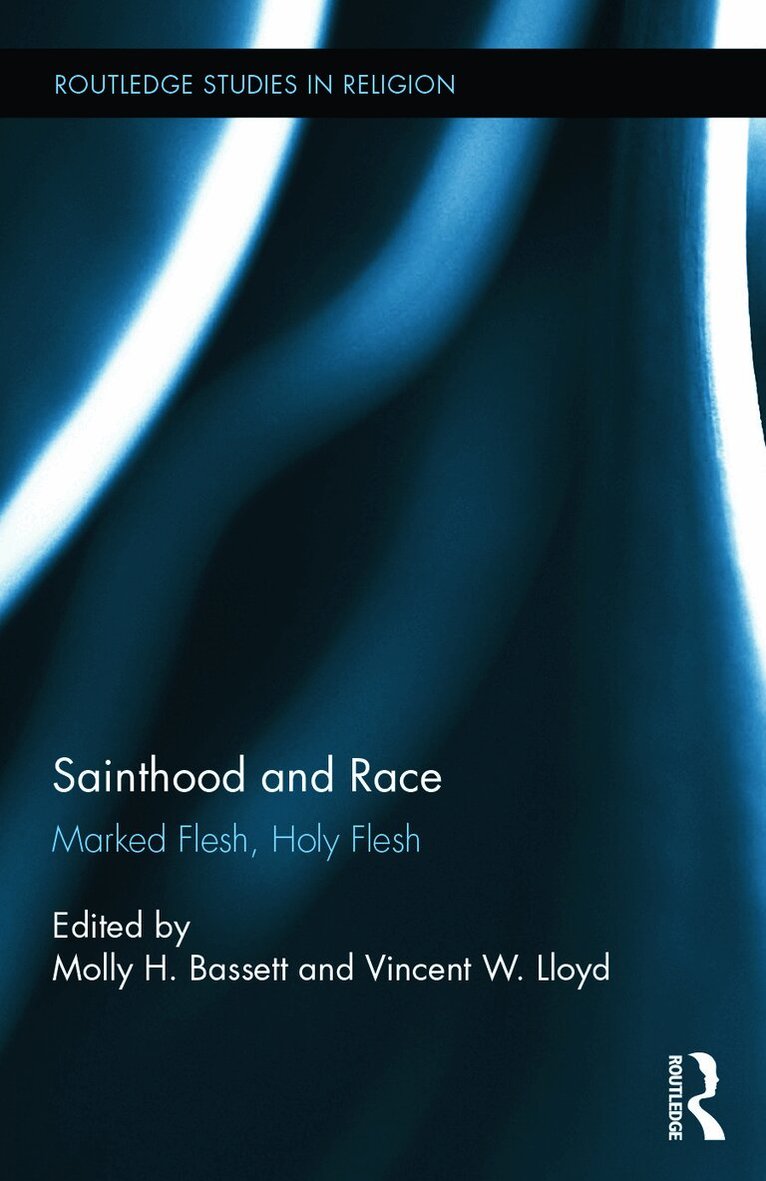
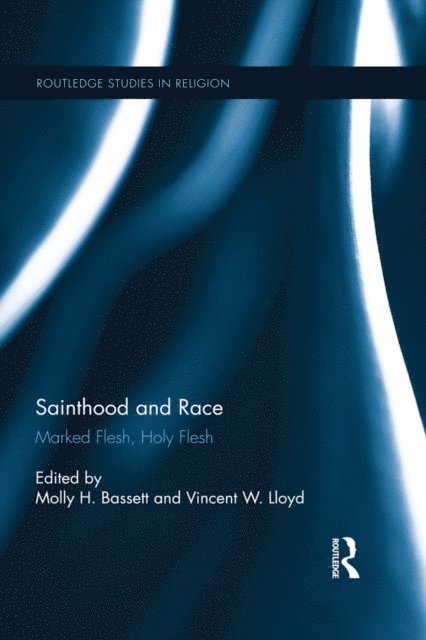
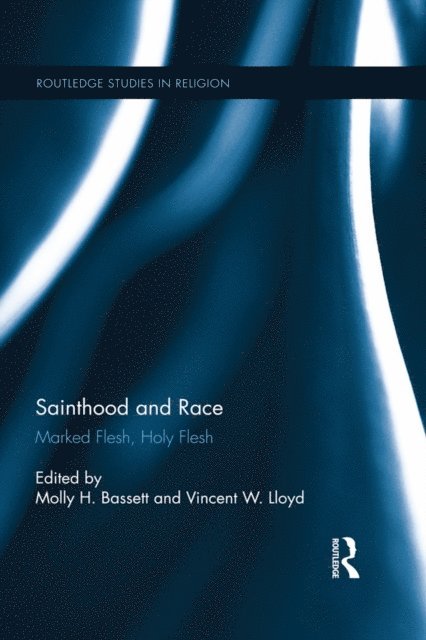
In popular imagination, saints exhibit the best characteristics of humanity, universally recognizable but condensed and embodied in an individual. Recent scholarship has asked an array of questions concerning the historical and social contexts of sainthood, and opened new approaches to its study. What happens when the category of sainthood is interrogated and inflected by the problematic category of race? Sainthood and Race: Marked Flesh, Holy Flesh explores this complicated relationship by examining two distinct characteristics of the saint’s body: the historicized, marked flesh and the universal, holy flesh. The essays in this volume comment on this tension between particularity and universality by combining both theoretical and ethnographic studies of saints and race across a wide range of subjects within the humanities. Additionally, the book’s group of emerging and established religion scholars enhances this discussion of sainthood and race by integrating topics such as gender, community, and colonialism across a variety of historical, geographical, and religious contexts. This volume raises provocative questions for scholars and students interested in the intersection of religion and race today.
1 223 kr
Skickas inom 7-10 vardagar
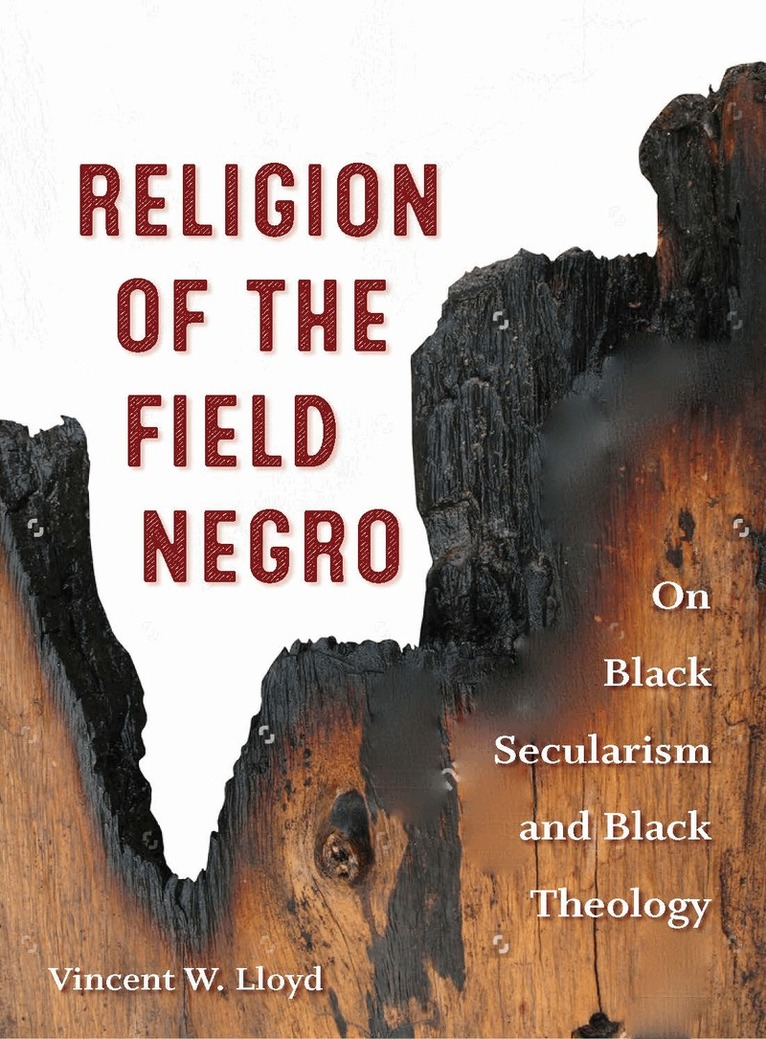
Black theology has lost its direction. To reclaim its original power and to advance racial justice struggles today black theology must fully embrace blackness and theology. But multiculturalism and religious pluralism have boxed in black theology, forcing it to speak in terms dictated by a power structure founded on white supremacy. In Religion of the Field Negro, Vincent W. Lloyd advances and develops black theology immodestly, privileging the perspective of African Americans and employing a distinctively theological analysis.As Lloyd argues, secularism is entangled with the disciplining impulses of modernity, with neoliberal economics, and with Western imperialism – but it also contaminates and castrates black theology. Inspired by critics of secularism in other fields, Religion of the Field Negro probes the subtle ways in which religion is excluded and managed in black culture. Using Barack Obama, Huey Newton, and Steve Biko as case studies, it shows how the criticism of secularism is the prerequisite of all criticism, and it shows how criticism and grassroots organizing must go hand in hand. But scholars of secularism too often ignore race, and scholars of race too often ignore secularism. Scholars of black theology too often ignore the theoretical insights of secular black studies scholars, and race theorists too often ignore the critical insights of religious thinkers. Religion of the Field Negro brings together vibrant scholarly conversations that have remained at a distance from each other until now. Weaving theological sources, critical theory, and cultural analysis, this book offers new answers to pressing questions about race and justice, love and hope, theorizing and organizing, and the role of whites in black struggle. The insights of James Cone are developed together with those of James Baldwin, Sylvia Wynter, and Achille Mbembe, all in the service of developing a political-theological vision that motivates us to challenge the racist paradigms of white supremacy.
337 kr
Skickas inom 7-10 vardagar
Black theology has lost its direction. To reclaim its original power and to advance racial justice struggles today black theology must fully embrace blackness and theology. But multiculturalism and religious pluralism have boxed in black theology, forcing it to speak in terms dictated by a power structure founded on white supremacy. In Religion of the Field Negro, Vincent W. Lloyd advances and develops black theology immodestly, privileging the perspective of African Americans and employing a distinctively theological analysis.As Lloyd argues, secularism is entangled with the disciplining impulses of modernity, with neoliberal economics, and with Western imperialism – but it also contaminates and castrates black theology. Inspired by critics of secularism in other fields, Religion of the Field Negro probes the subtle ways in which religion is excluded and managed in black culture. Using Barack Obama, Huey Newton, and Steve Biko as case studies, it shows how the criticism of secularism is the prerequisite of all criticism, and it shows how criticism and grassroots organizing must go hand in hand. But scholars of secularism too often ignore race, and scholars of race too often ignore secularism. Scholars of black theology too often ignore the theoretical insights of secular black studies scholars, and race theorists too often ignore the critical insights of religious thinkers. Religion of the Field Negro brings together vibrant scholarly conversations that have remained at a distance from each other until now. Weaving theological sources, critical theory, and cultural analysis, this book offers new answers to pressing questions about race and justice, love and hope, theorizing and organizing, and the role of whites in black struggle. The insights of James Cone are developed together with those of James Baldwin, Sylvia Wynter, and Achille Mbembe, all in the service of developing a political-theological vision that motivates us to challenge the racist paradigms of white supremacy.
715 kr
Skickas inom 10-15 vardagar
In popular imagination, saints exhibit the best characteristics of humanity, universally recognizable but condensed and embodied in an individual. Recent scholarship has asked an array of questions concerning the historical and social contexts of sainthood, and opened new approaches to its study. What happens when the category of sainthood is interrogated and inflected by the problematic category of race? Sainthood and Race: Marked Flesh, Holy Flesh explores this complicated relationship by examining two distinct characteristics of the saint’s body: the historicized, marked flesh and the universal, holy flesh. The essays in this volume comment on this tension between particularity and universality by combining both theoretical and ethnographic studies of saints and race across a wide range of subjects within the humanities. Additionally, the book’s group of emerging and established religion scholars enhances this discussion of sainthood and race by integrating topics such as gender, community, and colonialism across a variety of historical, geographical, and religious contexts. This volume raises provocative questions for scholars and students interested in the intersection of religion and race today.