Jonathan R. Lamb - Böcker
Visar alla böcker från författaren Jonathan R. Lamb. Handla med fri frakt och snabb leverans.
3 produkter
3 produkter
679 kr
Skickas inom 7-10 vardagar
This invaluable reference handbook describes the fundamental principles and procedures underlying the successful isolation of viable, functionally intact haematopoietic and lymphoid cells, and their maintenance as primary cultures. It provides the technical information on the signals and mediators required for the differentiation and growth of these cells, and is designed for laboratory investigators with limited practical experience in cell culture. There are chapters on dendritic cells, T and B lymphocytes, monocytes and macrophages, NK and LAK cells, mast cells and basophils, as well as on haematopoietic differentiation of embryonal stem cells and on culturing murine thymic explants. Each chapter has been written by experts who have direct practical experience of the techniques and can therefore provide tips for the avoidance of common pitfalls, as well as an insight into the fundamental questions in cell biology and immunology which can be addressed using each cell culture model.
1 092 kr
Skickas inom 10-15 vardagar
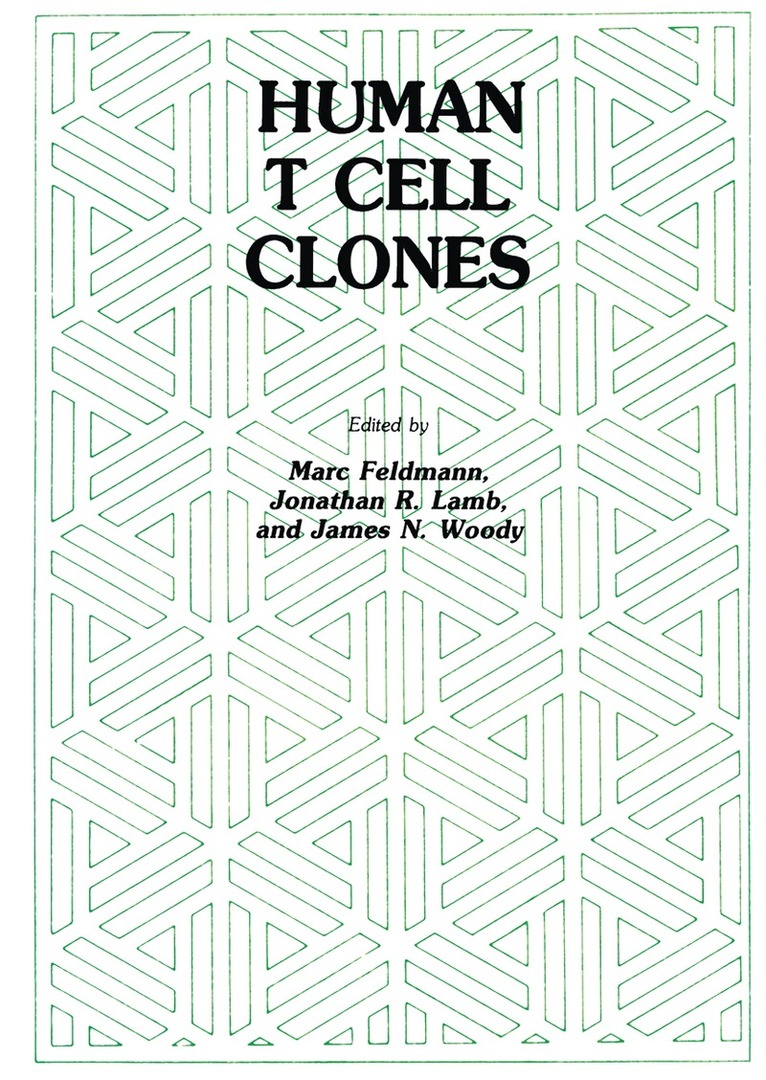
Most complex biological systems, such as enzyme pathways, are effec tively controlled near the beginning of the process. There is increasing evidence that the same is true for the immune system, with the initial interactions between antigen, antigen-presenting cells, and T cells hav ing a paramount influence on the ensuing events. Thus, analysis of the early stages of the immune responses has been a preoccupation of many immunologists. This has been considerably aided by the capac ity to expand these early events, and 'immortalize' them as clones of T cells, for detailed analysis. The discovery by Morgan, Ruscetti, and Gallo (Science 193, 1007, 1976) of T-cell growth factor (now termed interleukin-2 or IL-2) has had a major impact in immunology that is far from over. The greater ease of handling murine tissues experimentally, with the availability of more precisely defined reagents such as inbred strains, has meant that, to date, most of the work on long-term T-cell cultures has been per formed in the mouse, as summarized by Fathman and Fitch (eds. , Iso lation, Characterization and Utilization of T Lymphocyte Clones, Aca demic Press, NY, 1982). However, the limitations of working with human tissues are counterbalanced by the great long-term importance of understanding disorders of human immune regulation, especially since it is becoming evident that these are far from rare. Immune deficiencies such as agammaglobulinemia and T-cell deficiencies are not common, but immune hyperresponsiveness occurring in allergy and allergiC diseases (e. g.
1 096 kr
Skickas inom 10-15 vardagar
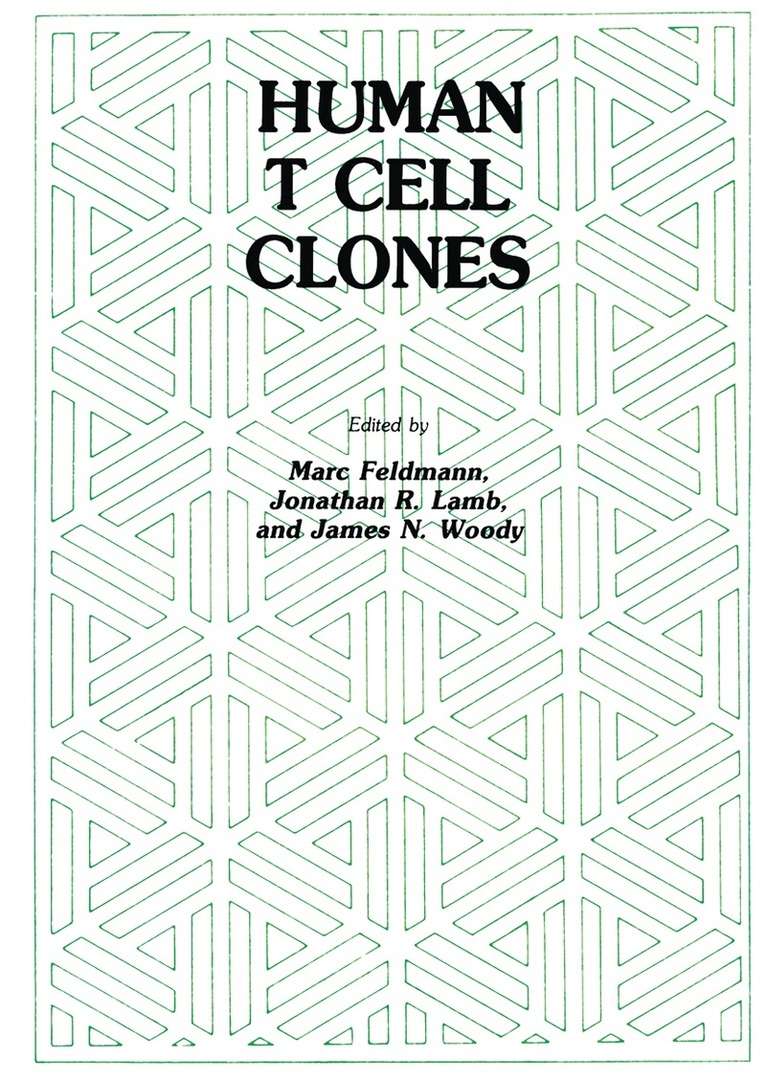
Most complex biological systems, such as enzyme pathways, are effec tively controlled near the beginning of the process. There is increasing evidence that the same is true for the immune system, with the initial interactions between antigen, antigen-presenting cells, and T cells hav ing a paramount influence on the ensuing events. Thus, analysis of the early stages of the immune responses has been a preoccupation of many immunologists. This has been considerably aided by the capac ity to expand these early events, and 'immortalize' them as clones of T cells, for detailed analysis. The discovery by Morgan, Ruscetti, and Gallo (Science 193, 1007, 1976) of T-cell growth factor (now termed interleukin-2 or IL-2) has had a major impact in immunology that is far from over. The greater ease of handling murine tissues experimentally, with the availability of more precisely defined reagents such as inbred strains, has meant that, to date, most of the work on long-term T-cell cultures has been per formed in the mouse, as summarized by Fathman and Fitch (eds. , Iso lation, Characterization and Utilization of T Lymphocyte Clones, Aca demic Press, NY, 1982). However, the limitations of working with human tissues are counterbalanced by the great long-term importance of understanding disorders of human immune regulation, especially since it is becoming evident that these are far from rare. Immune deficiencies such as agammaglobulinemia and T-cell deficiencies are not common, but immune hyperresponsiveness occurring in allergy and allergiC diseases (e. g.