Jonathan Rosenbaum - Böcker
Visar alla böcker från författaren Jonathan Rosenbaum. Handla med fri frakt och snabb leverans.
23 produkter
23 produkter
1 426 kr
Skickas inom 11-20 vardagar
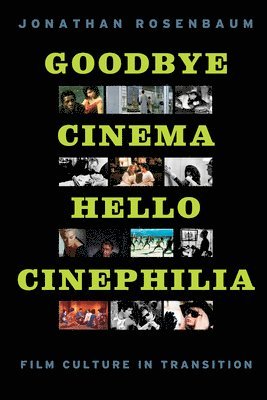
The esteemed film critic Jonathan Rosenbaum has brought global cinema to American audiences for the last four decades. His incisive writings on individual filmmakers define film culture as a diverse and ever-evolving practice, unpredictable yet subject to analyses just as diversified as his own discriminating tastes. For Rosenbaum, there is no high or low cinema, only more interesting or less interesting films, and the pieces collected here, from an appreciation of Marilyn Monroe's intelligence to a classic discussion on and with Jean-Luc Godard, amply testify to his broad intellect and multifaceted talent. "Goodbye Cinema, Hello Cinephilia" gathers together over fifty examples of Rosenbaum's criticism from the past four decades, each of which demonstrates his passion for the way we view movies, as well as how we write about them. Charting our changing concerns with the interconnected issues that surround video, DVDs, the Internet, and new media, the writings collected here also highlight Rosenbaum's polemics concerning the digital age.From the rediscovery and recirculation of classic films, to the social and aesthetic impact of technological changes, Rosenbaum doesn't disappoint in assembling a magisterial cast of little-known filmmakers as well as the familiar faces and iconic names that have helped to define our era. As we move into this new decade of moviegoing - one in which Hollywood will continue to feel the shockwaves of the digital age - Jonathan Rosenbaum remains a valuable guide. "Goodbye Cinema, Hello Cinephilia" is a consummate collection of his work, not simply for fans of this seminal critic, but for all those open to the wide variety of films he embraces and helps us understand.
254 kr
Skickas inom 7-10 vardagar
The esteemed film critic Jonathan Rosenbaum has brought global cinema to American audiences for the last four decades. His incisive writings on individual filmmakers define film culture as a diverse and ever-evolving practice, unpredictable yet subject to analyses just as diversified as his own discriminating tastes. For Rosenbaum, there is no high or low cinema, only more interesting or less interesting films, and the pieces collected here, from an appreciation of Marilyn Monroe's intelligence to a classic discussion on and with Jean-Luc Godard, amply testify to his broad intellect and multifaceted talent. "Goodbye Cinema, Hello Cinephilia" gathers together over fifty examples of Rosenbaum's criticism from the past four decades, each of which demonstrates his passion for the way we view movies, as well as how we write about them. Charting our changing concerns with the interconnected issues that surround video, DVDs, the Internet, and new media, the writings collected here also highlight Rosenbaum's polemics concerning the digital age.From the rediscovery and recirculation of classic films, to the social and aesthetic impact of technological changes, Rosenbaum doesn't disappoint in assembling a magisterial cast of little-known filmmakers as well as the familiar faces and iconic names that have helped to define our era. As we move into this new decade of moviegoing - one in which Hollywood will continue to feel the shockwaves of the digital age - Jonathan Rosenbaum remains a valuable guide. "Goodbye Cinema, Hello Cinephilia" is a consummate collection of his work, not simply for fans of this seminal critic, but for all those open to the wide variety of films he embraces and helps us understand.
1 245 kr
Skickas inom 7-10 vardagar
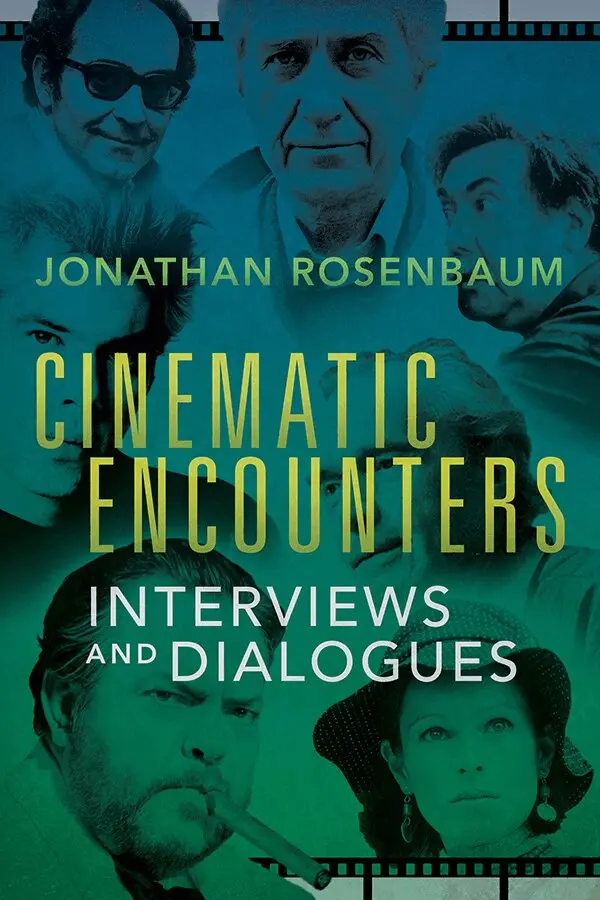
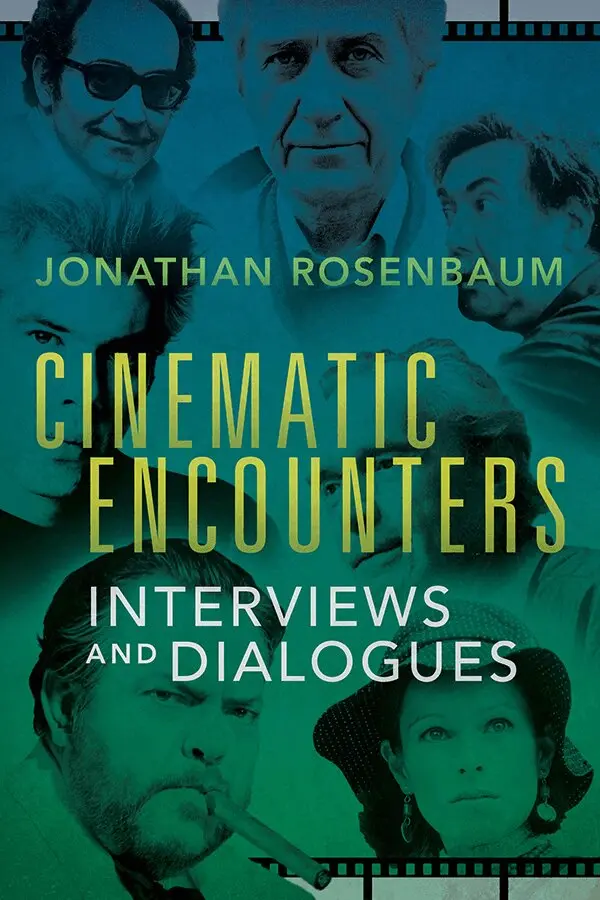
Godard. Fuller. Rivette. Endfield. Tarr. In his celebrated career as a film critic, Jonathan Rosenbaum has undertaken wide-ranging dialogues with many of the most daring and important auteurs of our time. Cinematic Encounters collects more than forty years of interviews that embrace Rosenbaum's vision of film criticism as a collaboration involving multiple voices. Rosenbaum accompanies Orson Welles on a journey back to Heart of Darkness, the unmade film meant to be Welles's Hollywood debut. Jacques Tati addresses the primacy of dÉcor and soundtrack in his comedic masterpiece PlayTime, while Jim Jarmusch explains the influence of real and Hollywoodized Native Americans in Dead Man. By arranging the chapters chronologically, Rosenbaum invites readers to pursue thematic threads as if the discussions were dialogues between separate interviews. The result is a rare gathering of filmmakers trading thoughts on art and process, on great works and false starts, and on actors and intimate moments.
1 245 kr
Skickas inom 7-10 vardagar
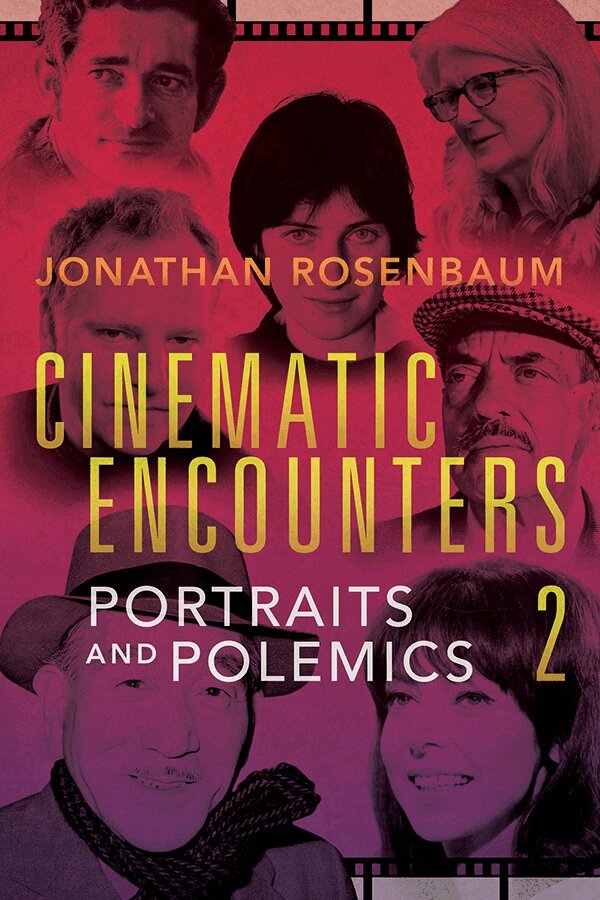
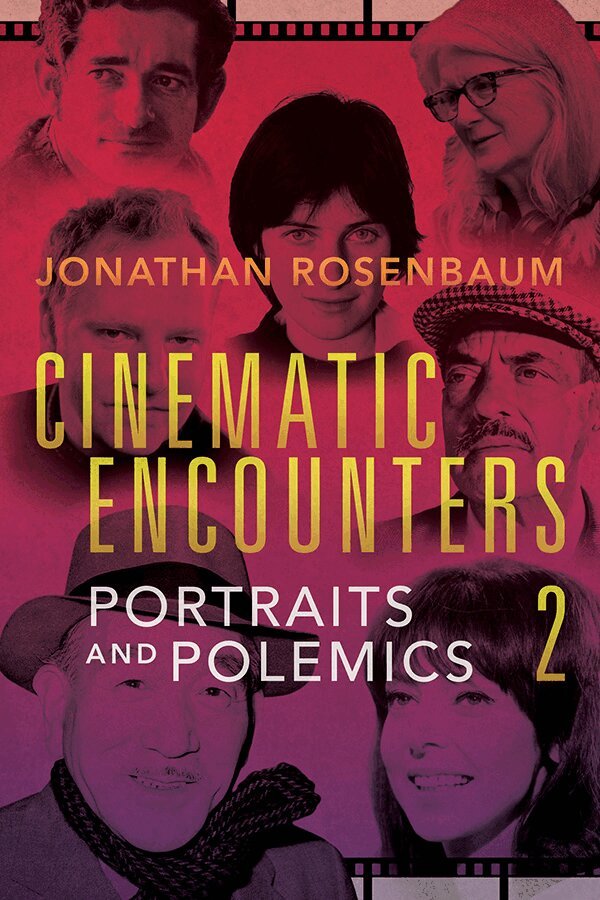
Eschewing the idea of film reviewer-as-solitary-expert, Jonathan Rosenbaum continues to advance his belief that a critic's ideal role is to mediate and facilitate our public discussion of cinema. Portraits and Polemics presents debate as an important form of cinematic encounter whether one argues with filmmakers themselves, on behalf of their work, or with one's self. Rosenbaum takes on filmmakers like Chantal Akerman, Richard Linklater, Manoel De Oliveira, Mark Rappaport, Elaine May, and Béla Tarr. He also engages, implicitly and explicitly, with other writers, arguing with Pauline Kael—and Wikipedia—over Jacques Demy, with the Hollywood Reporter and Variety reviewers of Jarmusch's The Limits of Control, with David Thomson about James L. Brooks, and with many American and English film critics about misrepresented figures from Jerry Lewis to Yasujiro Ozu to Orson Welles. Throughout, Rosenbaum mines insights, pursues pet notions, and invites readers to join the fray.
235 kr
Skickas
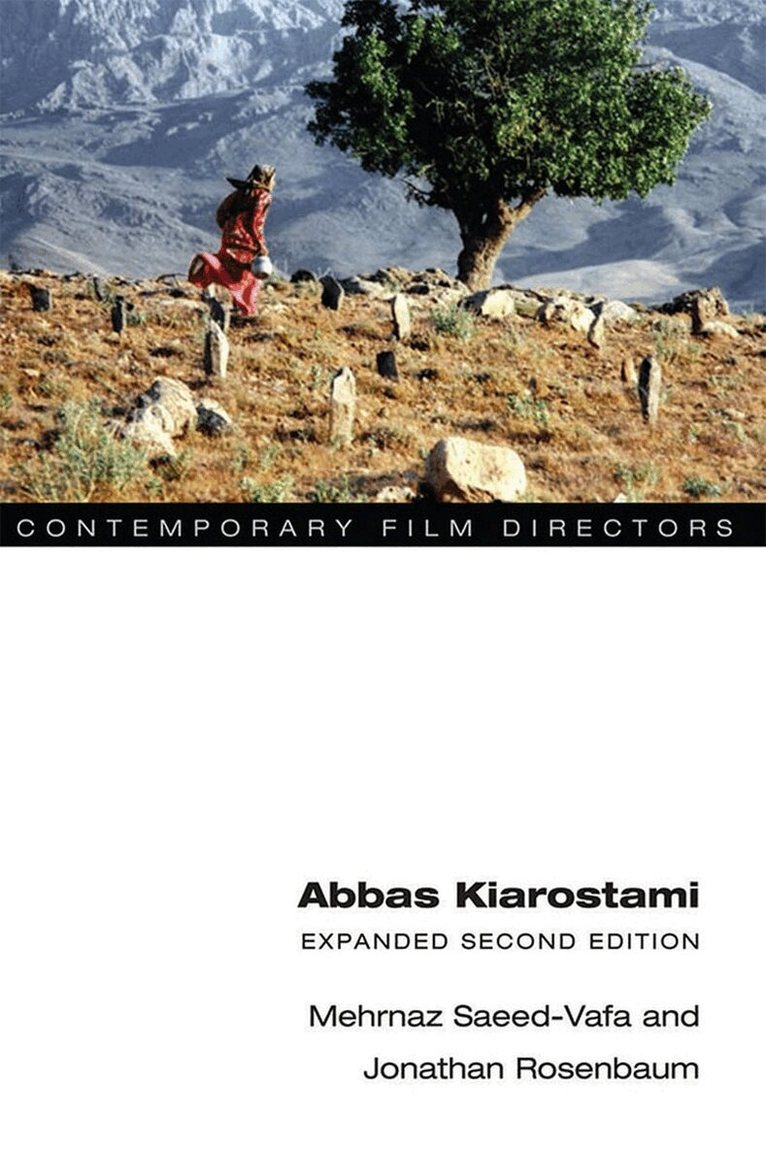
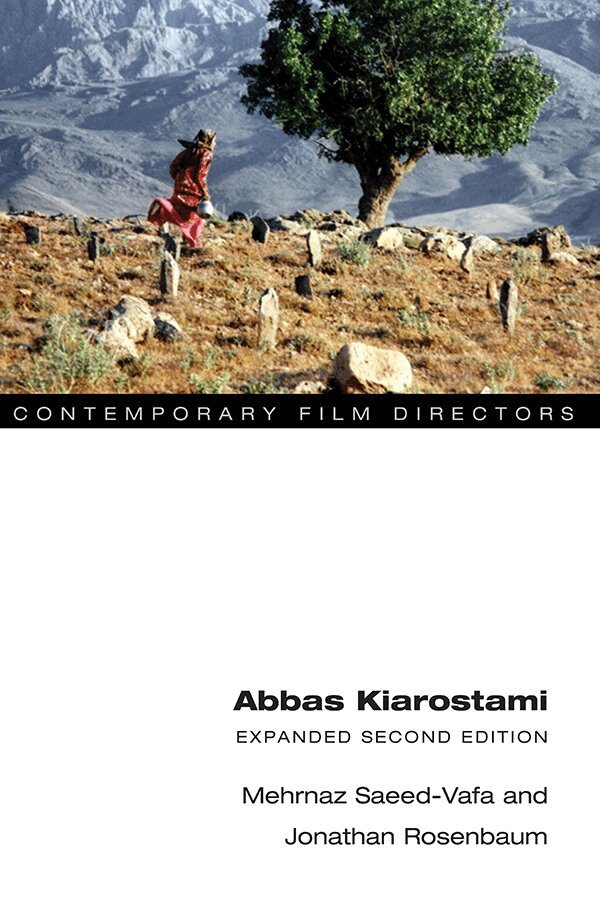
Before his death in 2016, Abbas Kiarostami wrote or directed more than thirty films in a career that mirrored Iranian cinema's rise as an international force. His 1997 feature Taste of Cherry made him the first Iranian filmmaker to win the Palme d'Or at Cannes. Critics' polls continue to place Close-Up (1990) and Through the Olive Trees (1994) among the masterpieces of world cinema. Yet Kiarostami's naturalistic impulses and winding complexity made him one of the most divisive-if influential-filmmakers of his time. In this expanded second edition, award-winning Iranian filmmaker Mehrnaz Saeed-Vafa and film critic Jonathan Rosenbaum renew their illuminating cross-cultural dialogue on Kiarostami's work. The pair chart the filmmaker's late-in-life turn toward art galleries, museums, still photography, and installations. They also bring their distinct but complementary perspectives to a new conversation on the experimental film Shirin. Finally, Rosenbaum offers an essay on watching Kiarostami at home while Saeed-Vafa conducts a deeply personal interview with the director on his career and his final feature, Like Someone in Love.
274 kr
Skickas inom 7-10 vardagar
Godard. Fuller. Rivette. Endfield. Tarr. In his celebrated career as a film critic, Jonathan Rosenbaum has undertaken wide-ranging dialogues with many of the most daring and important auteurs of our time. Cinematic Encounters collects more than forty years of interviews that embrace Rosenbaum's vision of film criticism as a collaboration involving multiple voices. Rosenbaum accompanies Orson Welles on a journey back to Heart of Darkness, the unmade film meant to be Welles's Hollywood debut. Jacques Tati addresses the primacy of dÉcor and soundtrack in his comedic masterpiece PlayTime, while Jim Jarmusch explains the influence of real and Hollywoodized Native Americans in Dead Man. By arranging the chapters chronologically, Rosenbaum invites readers to pursue thematic threads as if the discussions were dialogues between separate interviews. The result is a rare gathering of filmmakers trading thoughts on art and process, on great works and false starts, and on actors and intimate moments.
274 kr
Skickas inom 7-10 vardagar
Eschewing the idea of film reviewer-as-solitary-expert, Jonathan Rosenbaum continues to advance his belief that a critic's ideal role is to mediate and facilitate our public discussion of cinema. Portraits and Polemics presents debate as an important form of cinematic encounter whether one argues with filmmakers themselves, on behalf of their work, or with one's self. Rosenbaum takes on filmmakers like Chantal Akerman, Richard Linklater, Manoel De Oliveira, Mark Rappaport, Elaine May, and Béla Tarr. He also engages, implicitly and explicitly, with other writers, arguing with Pauline Kael—and Wikipedia—over Jacques Demy, with the Hollywood Reporter and Variety reviewers of Jarmusch's The Limits of Control, with David Thomson about James L. Brooks, and with many American and English film critics about misrepresented figures from Jerry Lewis to Yasujiro Ozu to Orson Welles. Throughout, Rosenbaum mines insights, pursues pet notions, and invites readers to join the fray.
285 kr
Skickas inom 5-8 vardagar
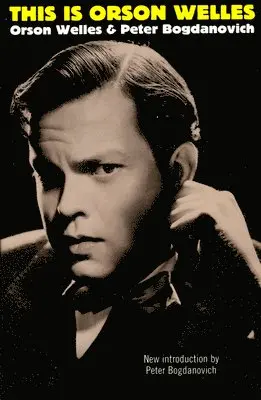
Innovative film and theatre director, radio producer, actor, writer, painter, narrator, and magician, Orson Welles (1915-1985) was the last true Renaissance man of the twentieth century. From such great radio works as "War of the Worlds" to his cinematic masterpieces Citizen Kane, The Magnificent Ambersons, Othello, Macbeth, Touch of Evil, and Chimes at Midnight , Welles was a master storyteller, as expansive as he was enigmatic. This Is Orson Welles , a collection of penetrating and witty conversations between Welles and Peter Bogdanovich, includes insights into Welles's radio, theatre, film, and television work Hollywood producers, directors, and stars and almost everything else, from acting to magic, literature to comic strips, bullfighters to gangsters. Now including Welles's revealing memo to Universal about his artistic intentions for Touch of Evil, (of which the "director's edition" was released in Fall 1998) this book, which Welles ultimately considered his autobiography, is a masterpiece as unique and engaging as the best of his works.
663 kr
Skickas inom 3-6 vardagar
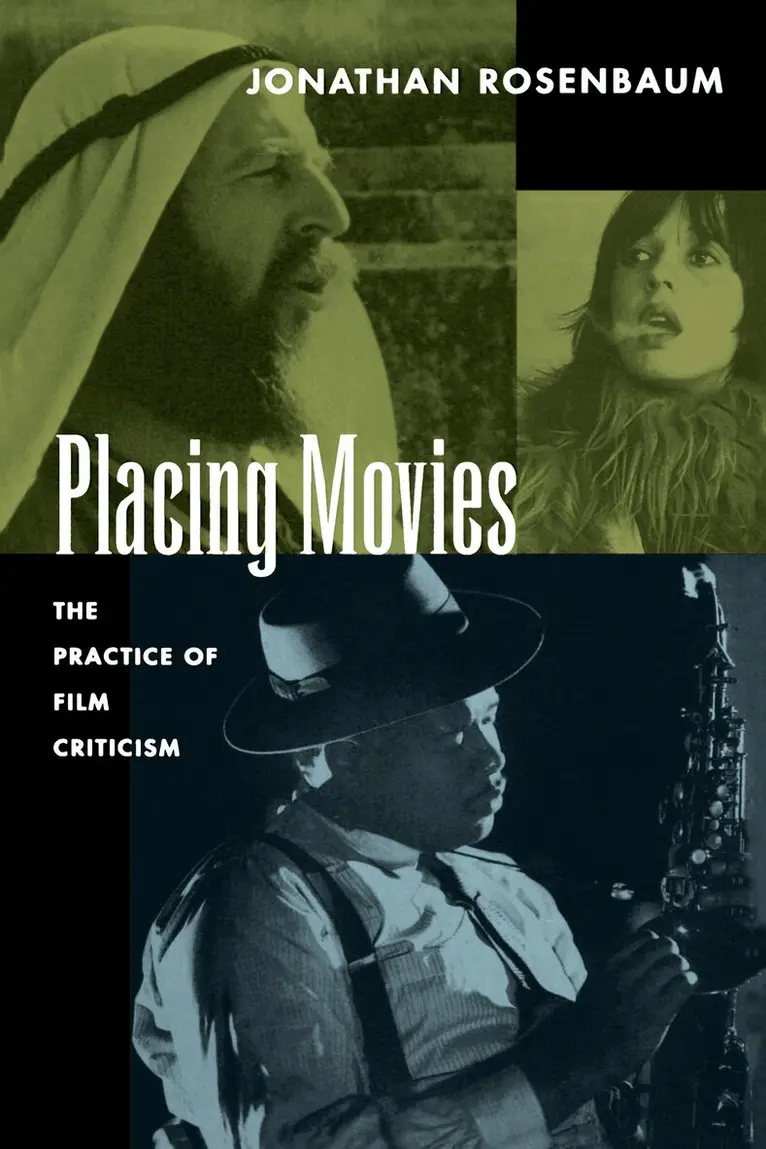
Jonathan Rosenbaum, longtime contributor to such publications as Film Quarterly, Sight and Sound, and The Village Voice, is arguably the most eloquent, insightful film critic writing in America today. Placing Movies, the first collection of his work, gathers together thirty of his most distinctive and illuminating pieces. Written over a span of twenty-one years, these essays cover an extraordinarily broad range of films--from Hollywood blockbusters to foreign art movies to experimental cinema. They include not just reviews but perceptive commentary on directors, actors, and trends; and thoughtful analysis of the practice of film criticism. It is this last element--Rosenbaum's reflections on the art of film criticism--that sets this collection apart from other volumes of film writing. Both in the essays themselves and in the section introductions, Rosenbaum provides a rare insider's view of his profession: the backstage politics, the formulation of critical judgments, the function of film commentary. Taken together, these pieces serve as a guided tour of the profession of film criticism. They also serve as representative samples of Rosenbaum's unique brand of film writing.Among the highlights are memoirs of director Jacques Tati and maverick critic Manny Farber, celebrations of classics such as Gentlemen Prefer Blondes and The Manchurian Candidate, and considered reevaluations of Orson Welles and Woody Allen.
279 kr
Skickas inom 7-10 vardagar
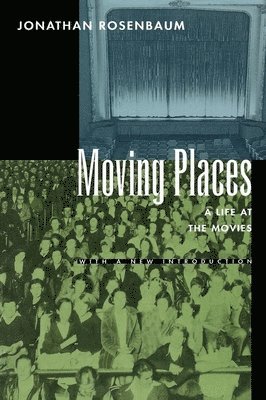
"Moving Places" is the brilliant account of a life steeped in and shaped by the movies - part autobiography, part film analysis, and part social history. Jonathan Rosenbaum, one of America's most gifted film critics, began his moviegoing in the 1950s in small-town Alabama, where his family owned and managed a chain of theaters. Starting in the Deep South of his boyhood, Rosenbaum leads us through a series of "screen memories", making us aware of movies as markers of the past - when and where we saw them, with whom, and what we did afterward. The mood swings easily from sensual and poignant regret to screwball exuberance, punctuated along the way by a tribute to the glamorous Grace Kelly of "Rear Window", a meditation on "The Rocky Horror Picture Show" and its improbable audience-community, and an extended riff on Rosenbaum's encounters with "On Moonlight Bay". Originally published in 1980, "Moving Places" is reissued now both as a companion volume to the author's latest book and as a means of introducing a new generation of film buffs to this unique, often humorous exploration of one man's life at the movies.
548 kr
Skickas inom 3-6 vardagar
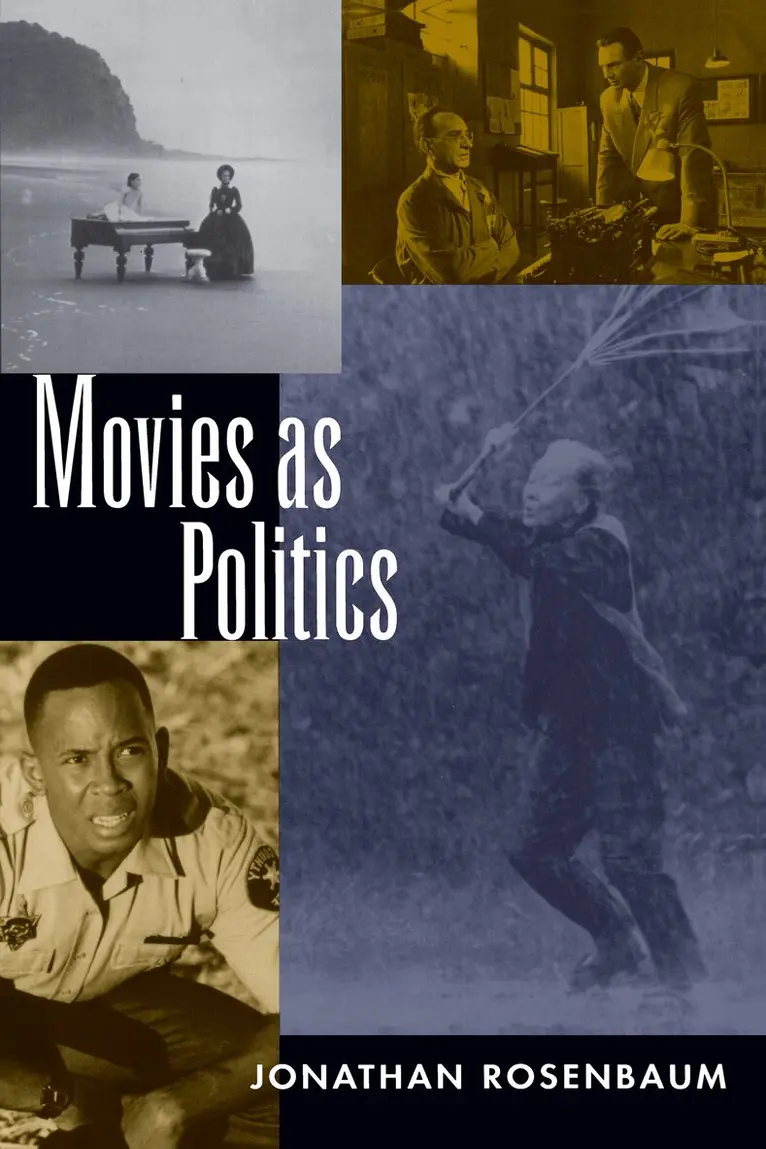
In this new collection of reviews and essays, Jonathan Rosenbaum focuses on the political and social dynamics of the contemporary movie scene. Rosenbaum, widely regarded as the most gifted contemporary American commentator on the cinema, explores the many links between film and our ideological identities as individuals and as a society. Readers will find revealing examinations of, for example, racial stereotyping in the debates surrounding Do the Right Thing, key films from Africa, China, Japan, and Taiwan, Hollywood musicals and French serials, and the cultural amnesia accompanying cinematic treatments of the Russian Revolution, the civil rights movement, and the Vietnam War. From Schindler's List, Star Wars, Pulp Fiction, Forrest Gump, The Piano, and Ace Ventura: Pet Detective to the maverick careers of Orson Welles, Jacques Tati, Nicholas Ray, Chantal Akerman, Todd Haynes, and Andrei Tarkovsky, Rosenbaum offers a polemically pointed survey that makes clear the high stakes involved in every aspect of filmmaking and filmgoing.
304 kr
Skickas inom 7-10 vardagar
Of the dozens of books written about Orson Welles, most focus on the central enigma of Welles' career: why did someone so extravagantly talented neglect to finish so many projects? Film critic Jonathan Rosenbaum has long believed that to dwell on this aspect of the Welles canon is to overlook the wealth of information available by studying the unrealized works. "Discovering Orson Welles" collects Rosenbaum's writings to date on Welles - some thirty-five years of them - and makes an irrefutable case for the seriousness of his work, illuminating both Welles the artist and Welles the man. The book is also a chronicle of Rosenbaum's highly personal writer's journey and his efforts to arrive at the truth. The essays, interviews, and reviews are arranged chronologically and are accompanied by commentary that updates the scholarship.Highlights include Rosenbaum's 1972 interview with Welles about his first Hollywood project, "Heart of Darkness"; Rosenbaum's rebuttal to Pauline Kael's famous essay "Raising Kane"; detailed essays and comprehensive discussions of Welles' major unfinished work, including two unrealized projects, "The Big Brass Ring" and "The Cradle Will Rock"; and an account of Rosenbaum's work as consultant on the 1998 re-editing of Touch of Evil, based on a studio memo by Welles.
626 kr
Skickas inom 11-20 vardagar
In his astute and deeply informed film reviews and essays, Jonathan Rosenbaum regularly provides new and brilliant insights into the cinema as art, entertainment, and commerce. Guided by a personal canon of great films, Rosenbaum sees, in the ongoing hostility toward the idea of a canon shared by many within the field of film studies, a missed opportunity both to shape the discussion about cinema and to help inform and guide casual and serious filmgoers alike. In Essential Cinema, Rosenbaum forcefully argues that canons of great films are more necessary than ever, given that film culture today is dominated by advertising executives, sixty-second film reviewers, and other players in the Hollywood publicity machine who champion mediocre films at the expense of genuinely imaginative and challenging works. He proposes specific definitions of excellence in film art through the creation a personal canon of both well-known and obscure movies from around the world and suggests ways in which other canons might be similarly constructed.Essential Cinema offers in-depth assessments of an astonishing range of films: established classics such as Rear Window, M, and Greed; ambitious but flawed works like The Thin Red Line and Breaking the Waves; eccentric masterpieces from around the world, including Irma Vep and Archangel; and recent films that have bitterly divided critics and viewers, among them Eyes Wide Shut and A.I. He also explores the careers of such diverse filmmakers as Robert Altman, Raul Ruiz, Frank Tashlin, Elaine May, Sam Fuller, Terrence Davies, Edward Yang, Hou Hsiao-hsien, and Orson Welles. In conclusion, Rosenbaum offers his own film canon of 1,000 key works from the beginning of cinema to the present day. A cogent and provocative argument about the art of film, Essential Cinema is also a fiercely independent reference book of must-see movies for film lovers everywhere.
350 kr
Tillfälligt slut
In his astute and deeply informed film reviews and essays, Jonathan Rosenbaum regularly provides new and brilliant insights into the cinema as art, entertainment, and commerce. Guided by a personal canon of great films, Rosenbaum sees, in the ongoing hostility toward the idea of a canon shared by many within the field of film studies, a missed opportunity both to shape the discussion about cinema and to help inform and guide casual and serious filmgoers alike. In Essential Cinema, Rosenbaum forcefully argues that canons of great films are more necessary than ever, given that film culture today is dominated by advertising executives, sixty-second film reviewers, and other players in the Hollywood publicity machine who champion mediocre films at the expense of genuinely imaginative and challenging works. He proposes specific definitions of excellence in film art through the creation a personal canon of both well-known and obscure movies from around the world and suggests ways in which other canons might be similarly constructed.Essential Cinema offers in-depth assessments of an astonishing range of films: established classics such as Rear Window, M, and Greed; ambitious but flawed works like The Thin Red Line and Breaking the Waves; eccentric masterpieces from around the world, including Irma Vep and Archangel; and recent films that have bitterly divided critics and viewers, among them Eyes Wide Shut and A.I. He also explores the careers of such diverse filmmakers as Robert Altman, Raul Ruiz, Frank Tashlin, Elaine May, Sam Fuller, Terrence Davies, Edward Yang, Hou Hsiao-hsien, and Orson Welles. In conclusion, Rosenbaum offers his own film canon of 1,000 key works from the beginning of cinema to the present day. A cogent and provocative argument about the art of film, Essential Cinema is also a fiercely independent reference book of must-see movies for film lovers everywhere.
190 kr
Skickas inom 7-10 vardagar
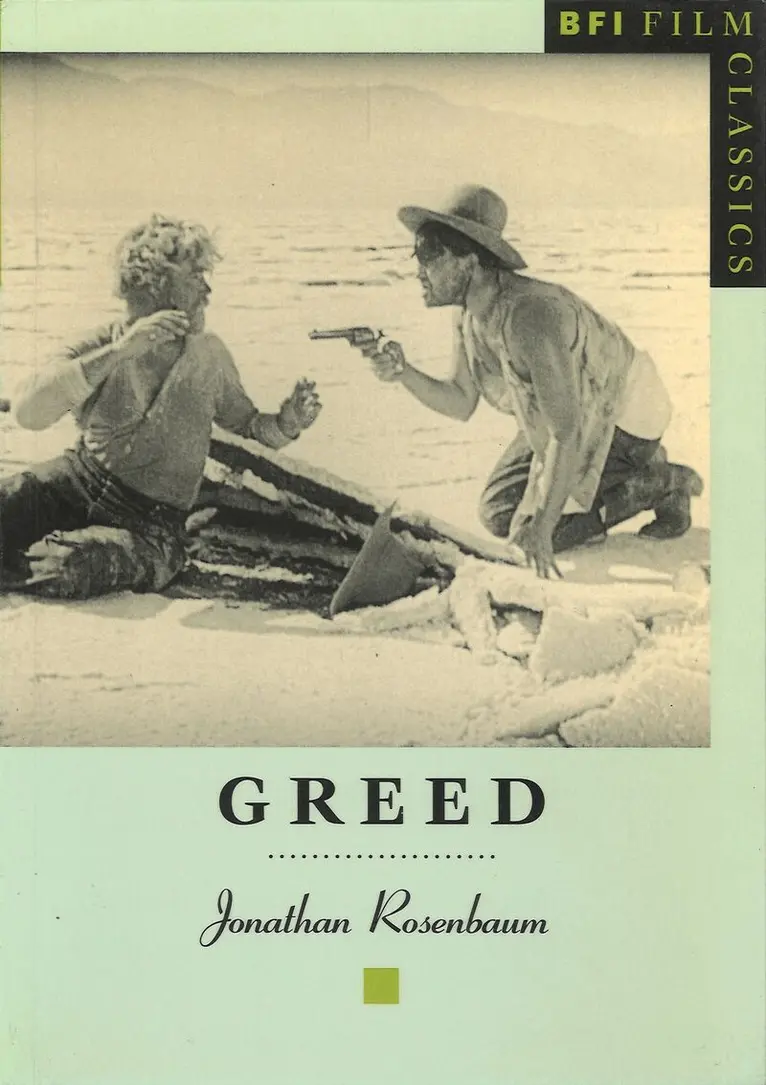
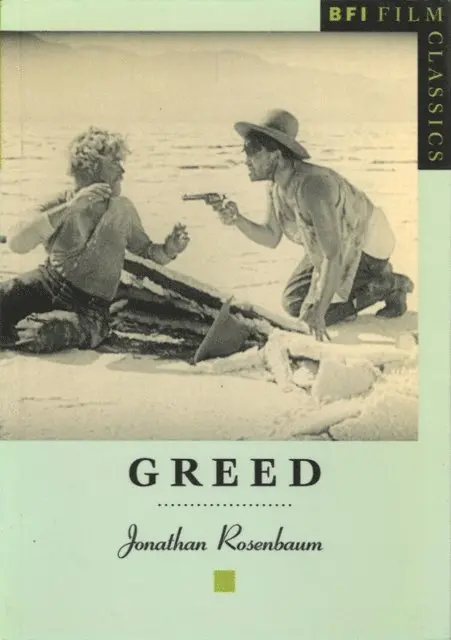
Greed is a legendary film begun in 1923. It was to have been Erich von Stroheim's masterwork, but his colossal ambitions were to be his undoing. His obsession with realistic detail and determination to extract every ounce of drama from his source, Frank Norris's novel McTeague, stretched the shooting schedule to inordinate lengths, resulting in a film which ran for over seven hours. Jonathan Rosenbaum has made a meticulous study of all the sources. In a fascinating piece of detective work, he reconstructs the history of one of cinema's greatest ruins.
181 kr
Skickas
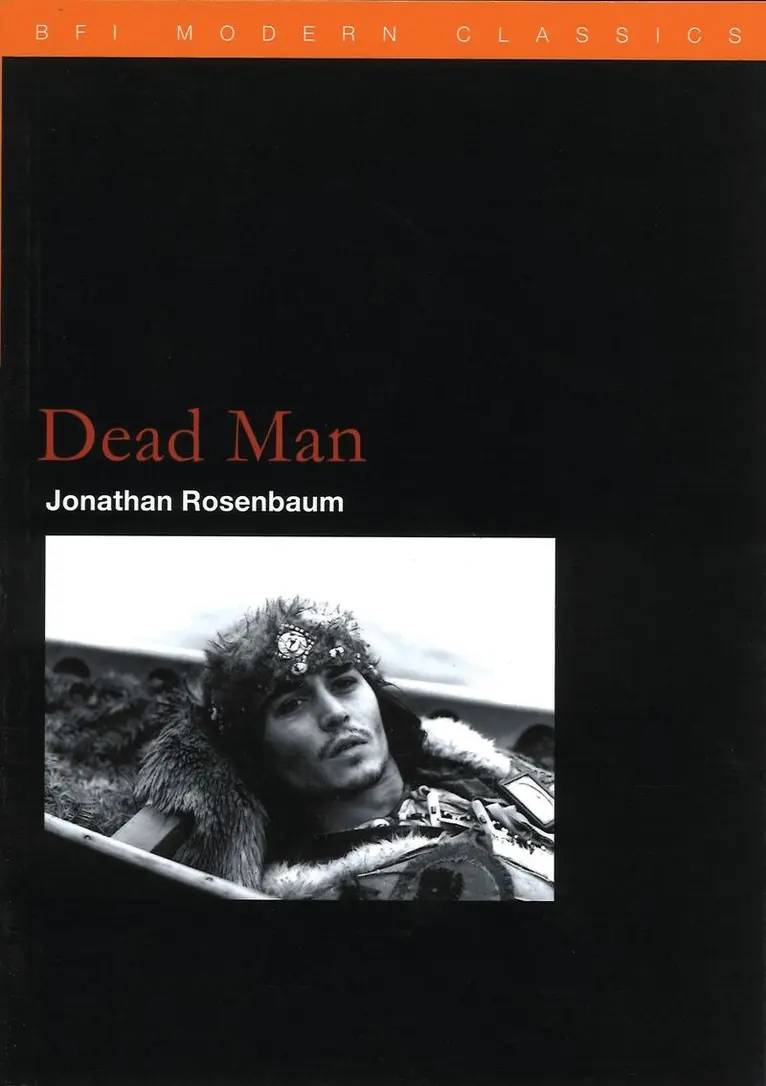
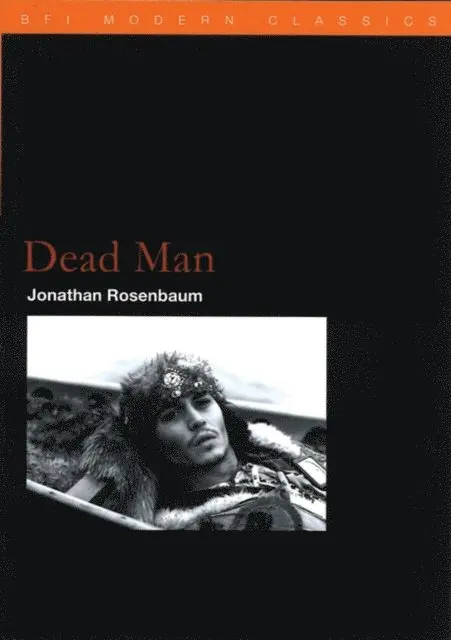
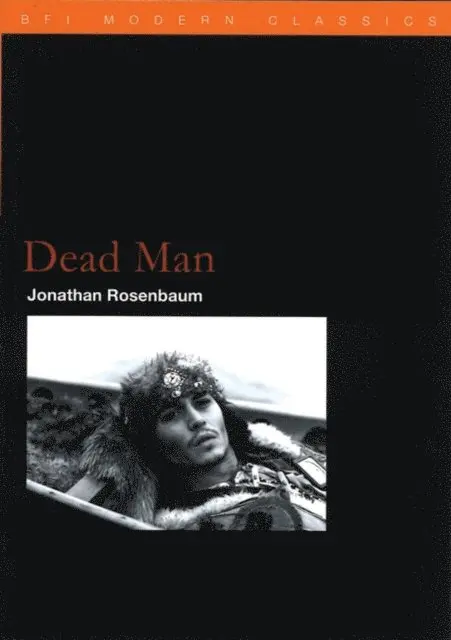
When it was released in 1995, Dead Man puzzled many audiences and critics. Jim Jarmusch’s reputation was for directing slick, hip contemporary films. And Dead Man was a black-and-white Western. As time has passed, though, the number of its admirers has grown rapidly. Indeed Dead Man, with its dark and unconventional treatment of violence, racism and capitalism, may be Jarmusch’s finest work to date.This is Jonathan Rosenbaum’s view. For him, Dead Man is both a quantum leap and a logical next step in Jarmusch’s career. Starring Johnny Depp as the uprooted accountant William Blake and Gary Farmer as his enigmatic Native American companion, Nobody, and with startling cameos from Robert Mitchum, John Hurt and Iggy Pop, Dead Man is by turns shocking, comic and deeply moving. This book explorers and celebrates a masterpiece of 1990s American cinema.
660 kr
Skickas inom 10-15 vardagar
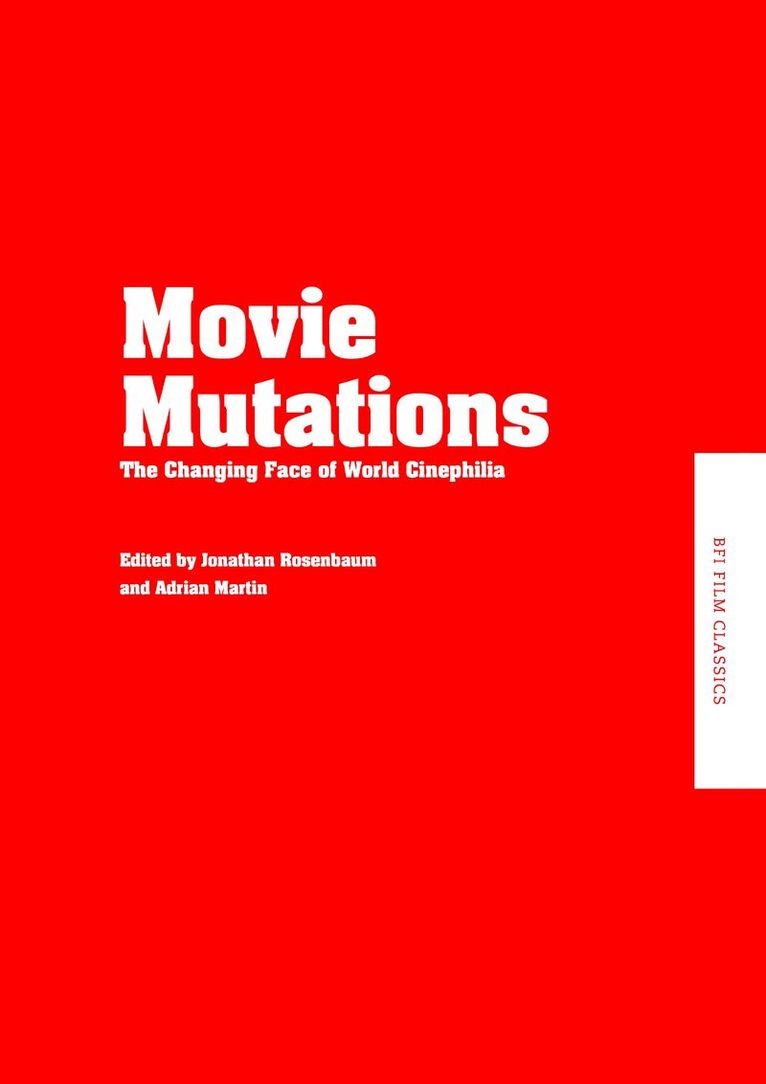
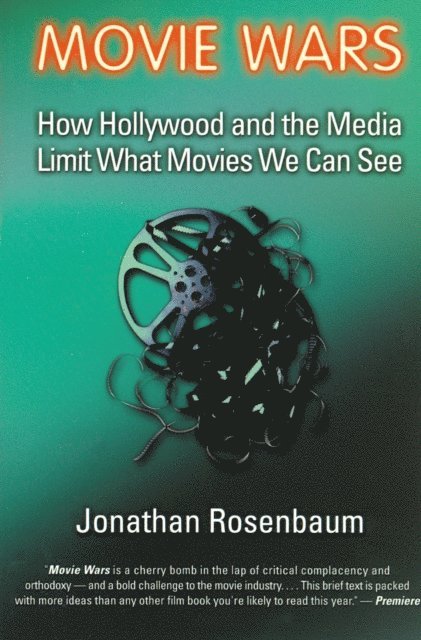
The idea of cinephilia is a crucial one for students of the cinema, but it is often associated with a bygone arthouse era. At the beginning of the twenty-first century, corporatism, public relations and bottom-line accounting seem to govern mainstream film-making. Formula-driven Hollywood blockbusters dominate the world marketplace. In times like these can 'the love of cinema' still flourish? In fact contemporary cinema is stunningly varied and rich. From Taiwan and Iran to Brazil and the Baltic states, it is flourishing and constantly mutating. Directors like Abbas Kiarostami, Hou Hsiao-hsien and Tsai Ming-liang are making extraordinary films that are the equal of the great classics, previously unrecognised works from the past are being discovered, and new definitions and boundaries of genres are being formulated. Even when this work is not widely distributed it is seen at film festivals on every continent and available on DVD; and it is being discussed in a proliferating number of print and web publications. Those who follow and share such work, as contributors from around the world demonstrate in this book, are forming new kinds of critical communities that enable significant exchanges between cultures at a time when other forces seem bent on keeping them mutually isolated. In contrast to any talk of 'the death of cinema', Movie Mutations pronounces the art form alive, well, and still developing in new and unforeseen directions. In weaving together transnational discussions and debates, Movie Mutations shows why the idea of cinephilia is just as relevant today as it ever was.
273 kr
Skickas inom 3-6 vardagar
140 kr
Skickas
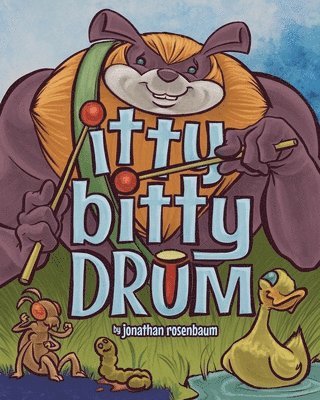
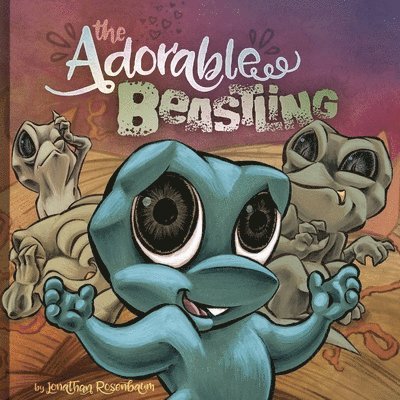
The Ugly Duckling but in reverse. Beastlings are fierce and scare for food, and this young group of Beastlings have an oddball that just can't scare. She was too cute to scare anything. We wonder if she’ll survive. Just like the original fable, this story is about being yourself and being ok with it.
288 kr
Skickas inom 5-8 vardagar
402 kr
Skickas inom 5-8 vardagar
243 kr
Skickas inom 5-8 vardagar
392 kr
Tillfälligt slut