
Jonathan Singerton - Böcker
Visar alla böcker från författaren Jonathan Singerton. Handla med fri frakt och snabb leverans.
3 produkter
3 produkter
832 kr
Skickas inom 10-15 vardagar
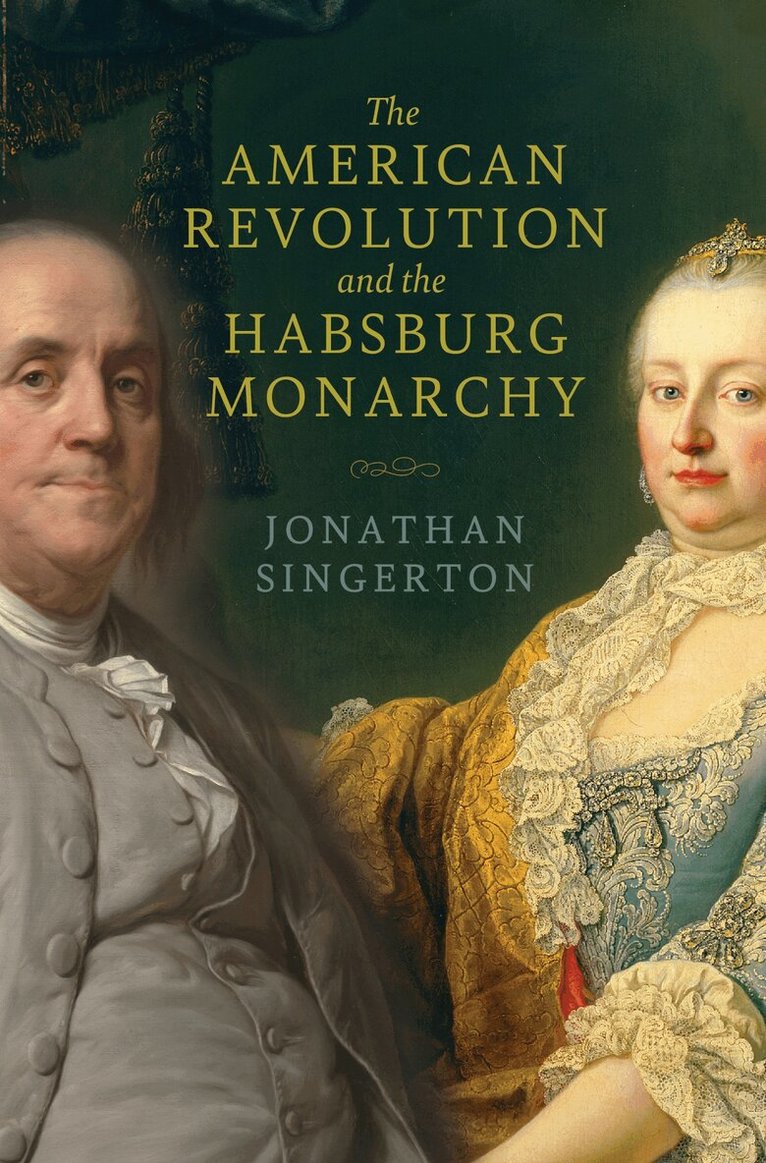
In 1783, the Peace of Paris treaties famously concluded the American Revolution. However, the Revolution could have come to an end two years earlier had diplomats from the Habsburg realms—the largest continental European power—succeeded in their attempts to convene a Congress of Vienna in 1781. Bringing together materials from nearly fifty American, Austrian, Belgian, British, Czech, Dutch, French, German, Hungarian, Italian, Slovak, and Swedish archives, Jonathan Singerton reconstructs the full sweep of relations between the nascent United States and one of the oldest European dynasties during and after the American Revolution.The first account to analyze the impact of the American Revolution in the Habsburg lands in full, this book highlights how the American call to liberty was answered across the furthest reaches of central and eastern Europe. Although the United States failed to sway one of the largest, most powerful states in Europe to its side in the War for American Independence, for several years, the Habsburg ruling and mercantile elites saw opportunity, especially for commerce, in the news of the American Revolution. In the end, only Thomas Jefferson’s disdain for Holy Roman Emperor Joseph II and avoidance of Habsburg diplomatic representatives in Paris prevented Vienna’s formal recognition of the United States, resulting in a half century of uneven Habsburg-American relations.By delineating the earliest social and economic exchanges between the Habsburg monarchy and the United States after 1776, Singerton offers a broad reexamination of the American Revolution and its international reverberations and presents the Habsburg monarchy as a globally-oriented power in the late eighteenth century.
378 kr
Skickas inom 10-15 vardagar
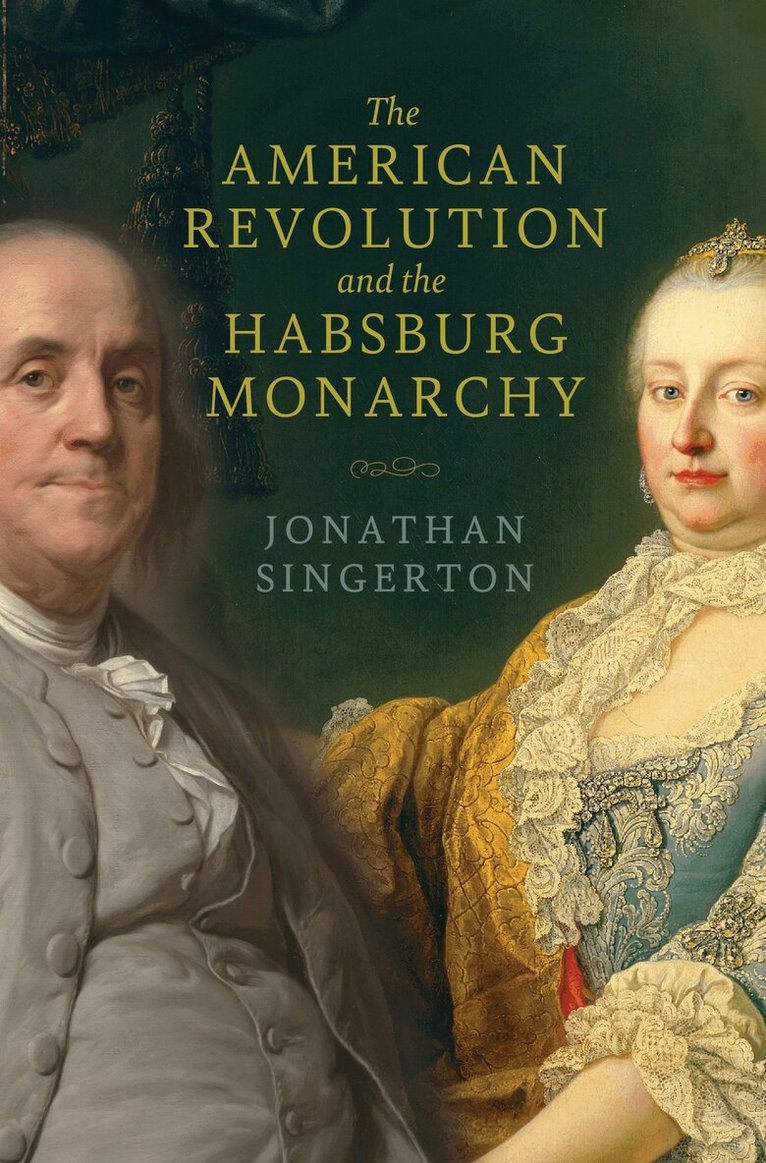
In 1783, the Peace of Paris treaties famously concluded the American Revolution. However, the Revolution could have come to an end two years earlier had diplomats from the Habsburg realms—the largest continental European power—succeeded in their attempts to convene a Congress of Vienna in 1781. Bringing together materials from nearly fifty American, Austrian, Belgian, British, Czech, Dutch, French, German, Hungarian, Italian, Slovak, and Swedish archives, Jonathan Singerton reconstructs the full sweep of relations between the nascent United States and one of the oldest European dynasties during and after the American Revolution.The first account to analyze the impact of the American Revolution in the Habsburg lands in full, this book highlights how the American call to liberty was answered across the furthest reaches of central and eastern Europe. Although the United States failed to sway one of the largest, most powerful states in Europe to its side in the War for American Independence, for several years, the Habsburg ruling and mercantile elites saw opportunity, especially for commerce, in the news of the American Revolution. In the end, only Thomas Jefferson’s disdain for Holy Roman Emperor Joseph II and avoidance of Habsburg diplomatic representatives in Paris prevented Vienna’s formal recognition of the United States, resulting in a half century of uneven Habsburg-American relations.By delineating the earliest social and economic exchanges between the Habsburg monarchy and the United States after 1776, Singerton offers a broad reexamination of the American Revolution and its international reverberations and presents the Habsburg monarchy as a globally-oriented power in the late eighteenth century.
1 653 kr
Skickas inom 10-15 vardagar
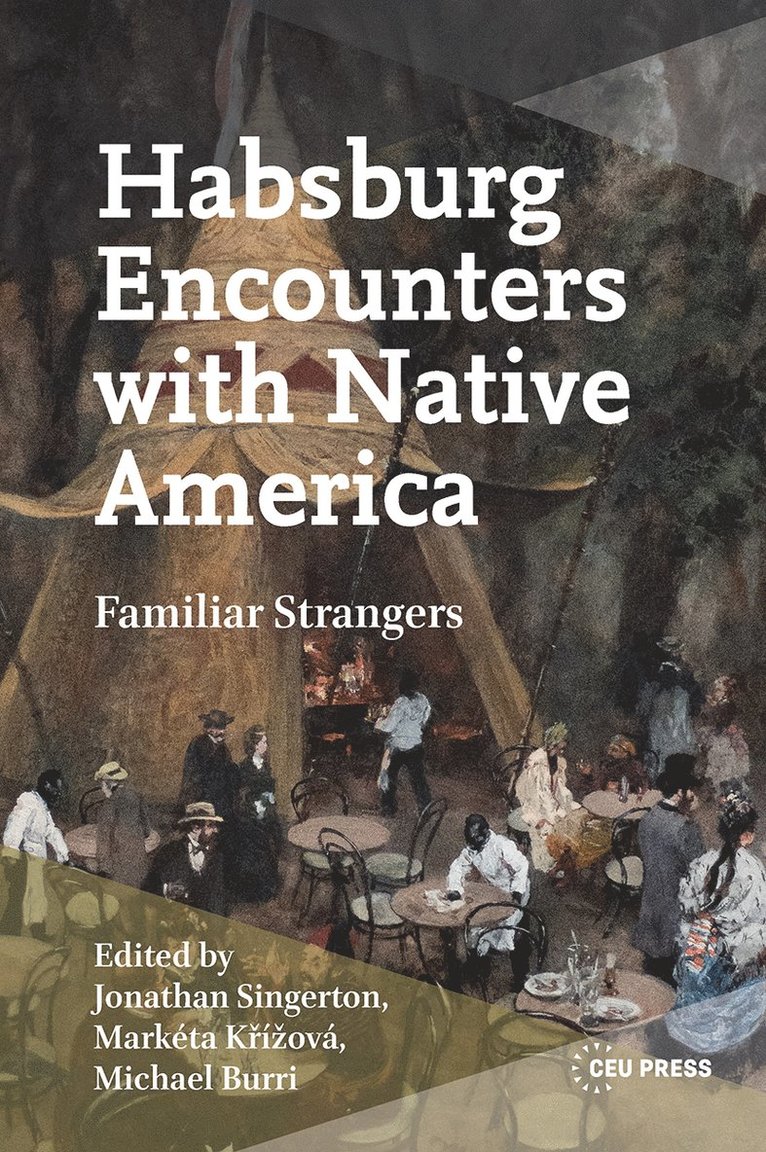
The central European lands of the Habsburg monarchy have long shared an intertwined past with the Indigenous inhabitants of the Americas. This volume focuses on the process of encountering these peoples as a continual action across several centuries that has produced numerous and varied instances of cultural dialogues, perspectives, and understandings. Moreover, this central European element is something that has not been considered in its own right before now and has been overshadowed by the focus on a wider Germanic fascination for Indigenous cultures. Breaking away from this wider narrative allows us not only to recover a more distinct historical connection but also uncovers the particular dynamics of direct and indirect contact between Indigenous worlds and that of the Habsburg monarchy.