Jonathan Z Smith – författare
Visar alla böcker från författaren Jonathan Z Smith. Handla med fri frakt och snabb leverans.
8 produkter
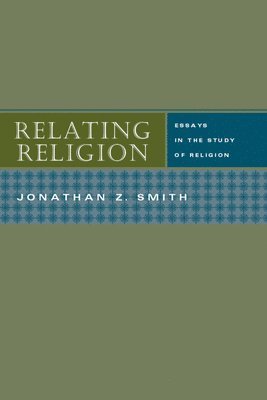
Relating Religion – Essays in the Study of Religion
Häftad, 2004
368 kr
Lägg i varukorg
One of the most influential theorists of religion, Jonathan Z. Smith is best known for his analyses of religious studies as a discipline and for his advocacy and refinement of comparison as the basis for the history of religions. Relating Religion gathers seventeen essays—four of them never before …
Map is not Territory
Studies in the History of Religions
Häftad, 1993
724 kr
Lägg i varukorg
In Map Is Not Territory, Jonathan Z. Smith engages previous interpretations of religious texts from late antiquity, critically evaluates the notion of sacred space and time as it is represented in the works of Mircea Eliade, and tackles important problems of methodology.
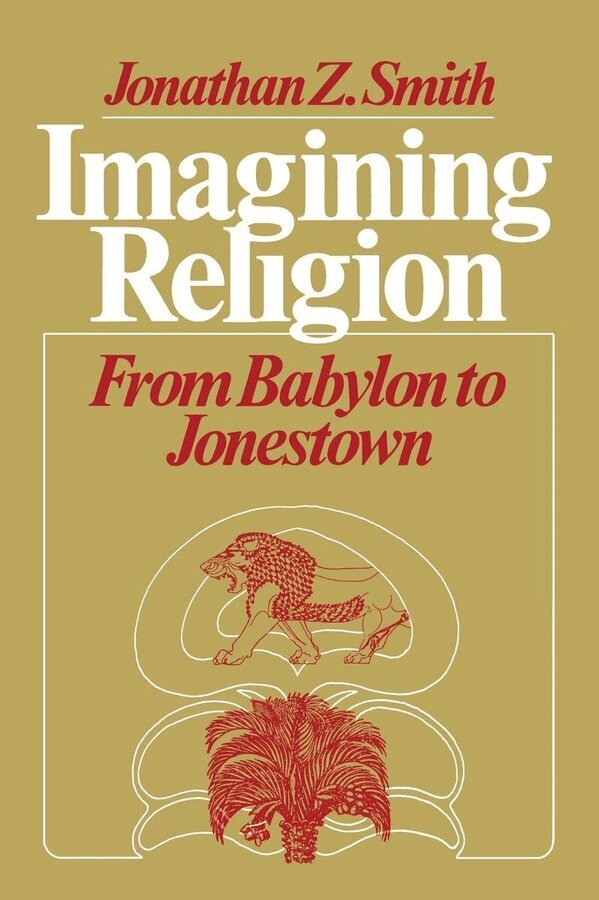
Imagining Religion
From Babylon to Jonestown
Häftad, 1988
342 kr
Lägg i varukorg
With this influential book of essays, Jonathan Z. Smith has pointed the academic study of religion in a new theoretical direction, one neither theological nor willfully ideological. Making use of examples as apparently diverse and exotic as the Maori cults in nineteenth-century New Zealand and the …
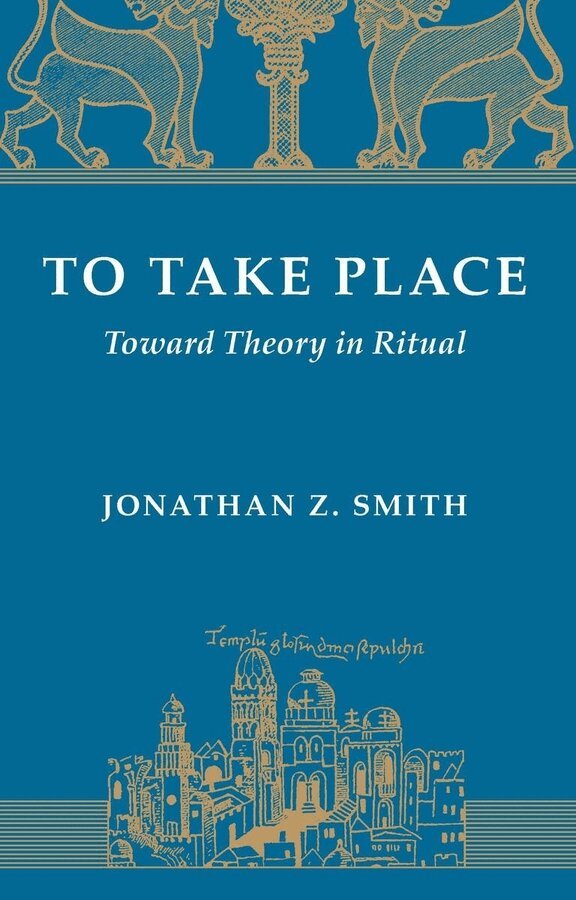
To Take Place
Toward Theory in Ritual
Häftad, 1992
3,0 utav 5 stjärnor. Totalt antal röster: (1)
342 kr
Lägg i varukorg
In this broad-ranging inquiry into ritual and its relation to place, Jonathan Z. Smith prepares the way for a new approach to the comparative study of religion. Smith stresses the importance of place—in particular, constructed ritual environments—to a proper understanding of the ways in which …
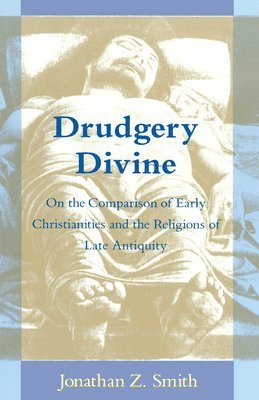
Drudgery Divine – On the Comparison of Early Christianities and the Religions of Late Antiquity
Häftad, 1994
602 kr
Lägg i varukorg
Relating Religion
Essays in the Study of Religion
Inbunden, 2004
857 kr
Lägg i varukorg
One of the most influential theorists of religion, Jonathan Z. Smith is best known for his analyses of religious studies as a discipline and for his advocacy and refinement of comparison as the basis for the history of religions. Relating Religion gathers seventeen essays—four of them never before …
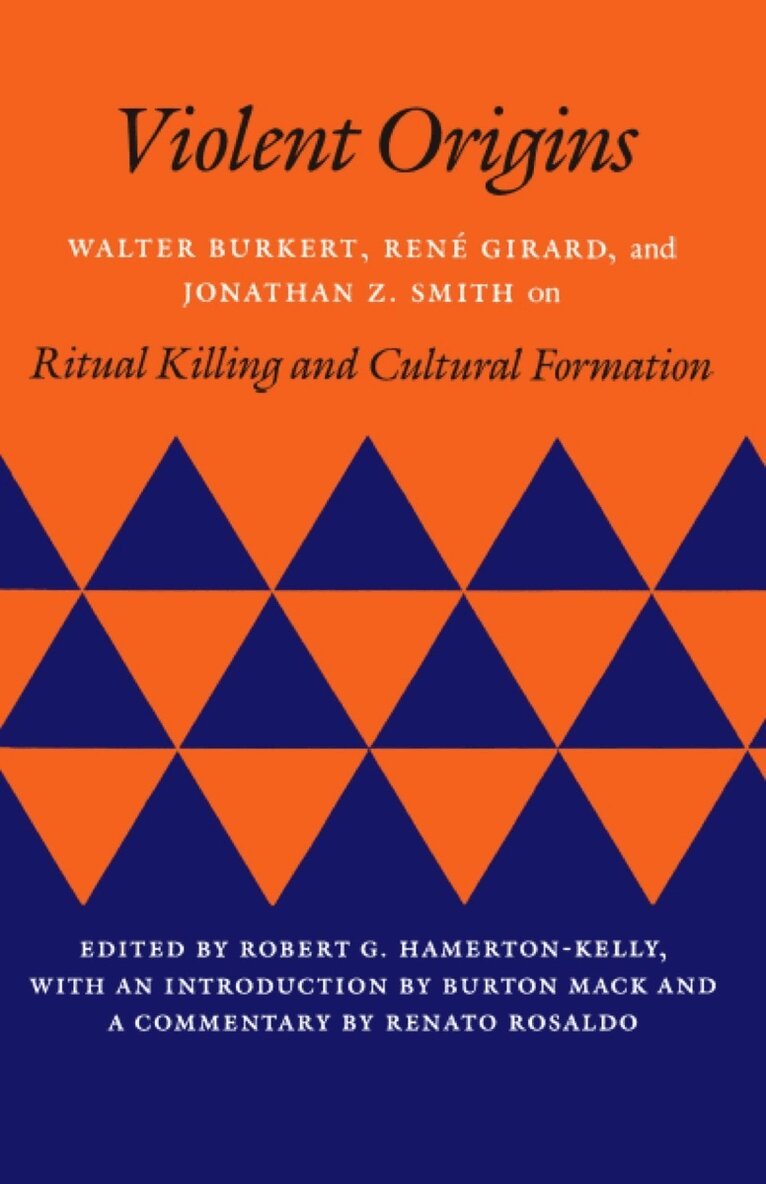
Violent Origins
Walter Burkert, René Girard, and Jonathan Z. Smith on Ritual Killing and Cultural Formation
Av Walter Burkert, René Girard m. fl.
Häftad, 1988
384 kr
Lägg i varukorg
Burkert, Girard, and Smith hold important and contradictory theories about the nature and origin of ritual sacrifice, and the role violence plays in religion and culture. These papers and conversations derive from a conference that pursued the possibility and utility of a general theory of religion …
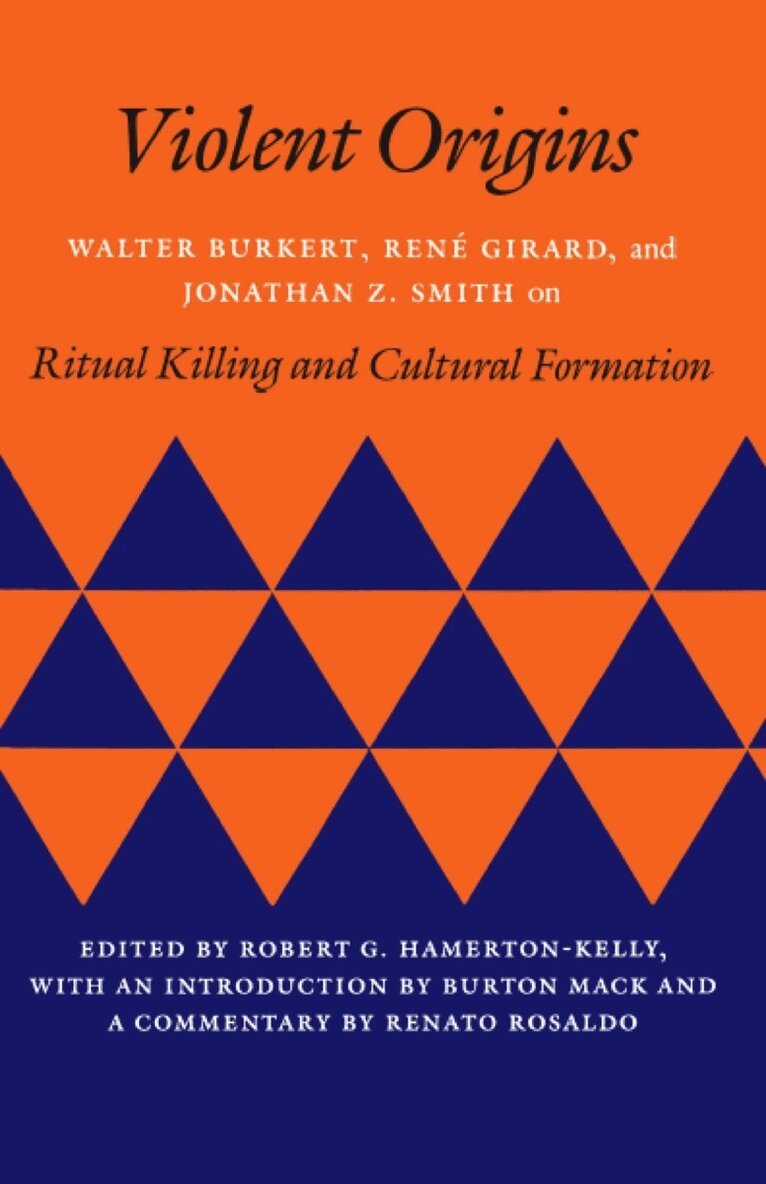
Violent Origins
Walter Burkert, René Girard, and Jonathan Z. Smith on Ritual Killing and Cultural Formation
Av Walter Burkert, René Girard m. fl.
E-bok, 1988
468 kr
Lägg i varukorg
Burkert, Girard, and Smith hold important and contradictory theories about the nature and origin of ritual sacrifice, and the role violence plays in religion and culture. These papers and conversations derive from a conference that pursued the possibility and utility of a general theory of religion …