Jordi Pàmias – författare
Visar alla böcker från författaren Jordi Pàmias. Handla med fri frakt och snabb leverans.
4 produkter
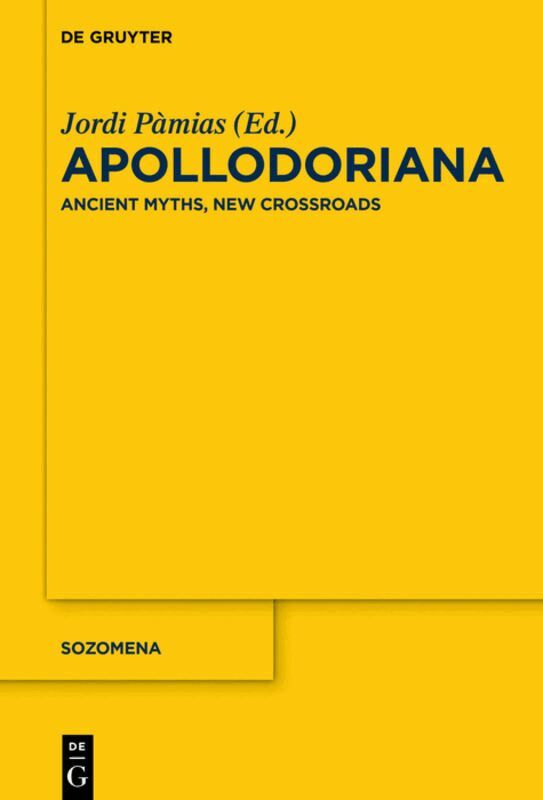
Apollodoriana
Ancient Myths, New Crossroads
Av Jordi Pàmias
Inbunden, 2017
2149 kr
Lägg i varukorg
A growing interest in myth over the last decades has brought to the fore the main mythographical manual that has came down to us from Antiquity: Apollodorus’ Bibliotheca. A number of recent editions shows this trend, like the commented translations of Carrière & Massonie (1991) and Scarpi & Ciani …
Apollodoriana
Ancient Myths, New Crossroads
Av Jordi Pamias
E-bok, 2017
2041 kr
Lägg i varukorg
A growing interest in myth over the last decades has brought to the fore the main mythographical manual that has came down to us from Antiquity: Apollodorus’ Bibliotheca. A number of recent editions shows this trend, like the commented translations of Carrière & Massonie (1991) and Scarpi & Ciani …
Apollodoriana
Ancient Myths, New Crossroads
Av Jordi Pamias
E-bok, 2017
1997 kr
Lägg i varukorg
A growing interest in myth over the last decades has brought to the fore the main mythographical manual that has came down to us from Antiquity: Apollodorus’ Bibliotheca. A number of recent editions shows this trend, like the commented translations of Carrière & Massonie (1991) and Scarpi & Ciani …
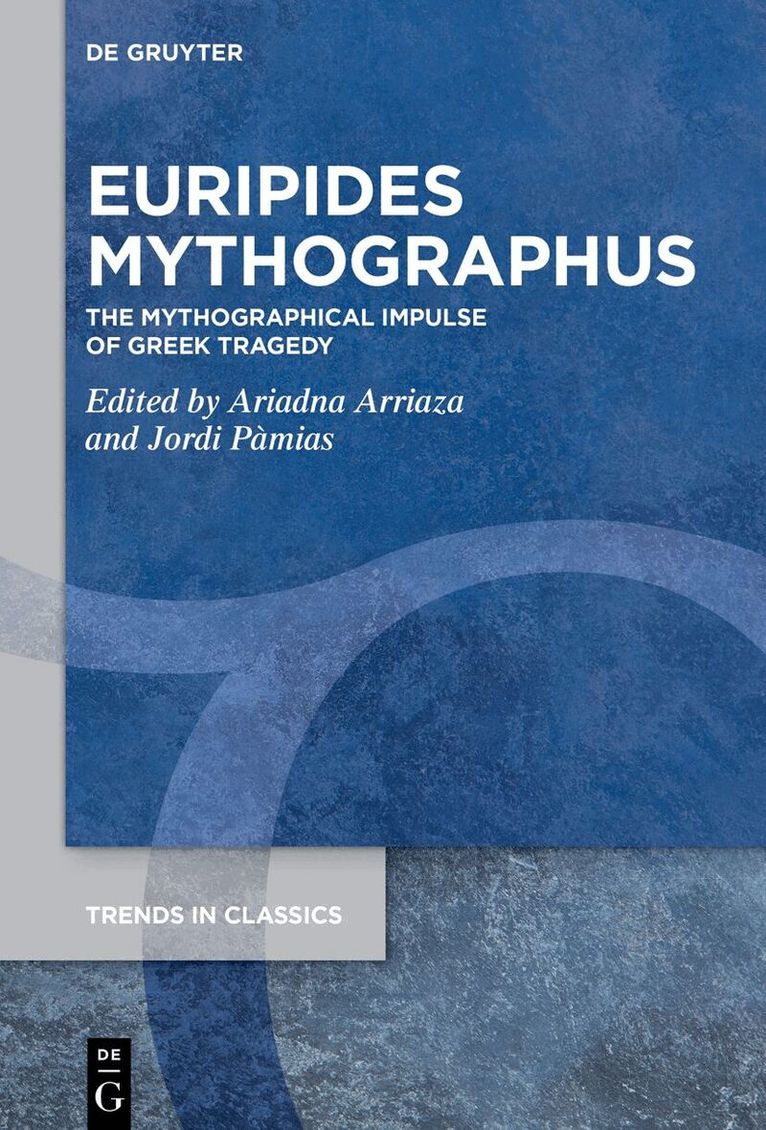
Euripides Mythographus
The Mythographical Impulse of Greek Tragedy
Av Ariadna Arriaza, Jordi Pàmias
Inbunden, 2026
1938 kr
Lägg i varukorg
As literacy expanded in Classical Athens, myths became increasingly fixed through textualization, fostering a more analytical and critical approach to storytelling. Euripides did not merely adapt myths for the stage but actively interrogated their origins, authority, and reliability. His tragedies …