Jorge Daniel Veneciano - Böcker
Visar alla böcker från författaren Jorge Daniel Veneciano. Handla med fri frakt och snabb leverans.
2 produkter
2 produkter
479 kr
Skickas inom 7-10 vardagar
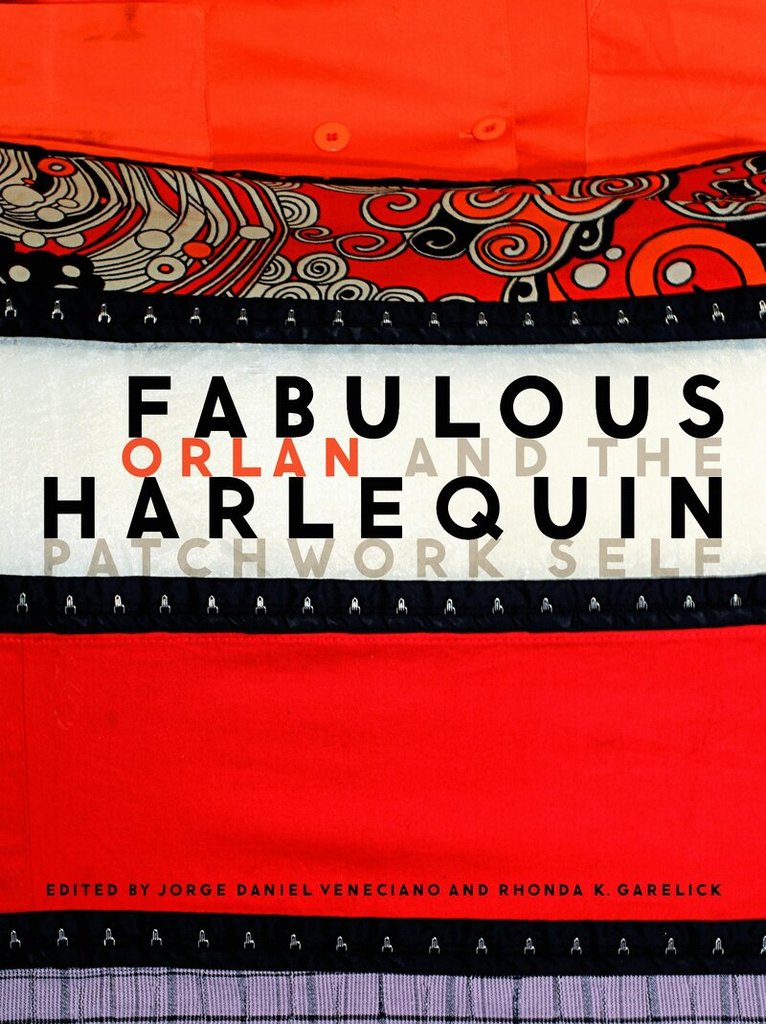
For four decades the internationally renowned French artist ORLAN has interrogated every defining aspect of being human—gender, ethnicity, religion, beauty, physiognomy, and even physiology itself—through an endlessly mutating oeuvre that defies categorization. Performance, sculpture, photography, poetry, design—ORLAN not only creates within these media, she disappears into them, willfully dissolving and reconfiguring her identity through her work. ORLAN is most famous for her series of cosmetic-surgery performances in the 1990s in which she reconfigured her face and body as a critique of the standards of beauty imposed on women. In 2008, in a seemingly radical departure, ORLAN chose to disappear from her work entirely, effacing her famously protean features from her creations. In fact, she had chosen an even more dramatic way to dismantle her identity and perform it anew. With her Harlequin Coat project ORLAN borrows the commedia dell'arte trickster hero, the harlequin, as her alter ego, using his patchwork motif as a metaphor for the fragmented, multicolored, multilayered performance of the human signature. It is her most collaborative work to date, involving, at different stages, artists from the worlds of fashion, design, film, and technology. In reaching back to this Italian Renaissance character ORLAN simultaneously reaches forward into the most pressing of contemporary concerns: How can we be sure of who and what we are? Fabulous Harlequin showcases photographs of ORLAN's projects along with critical essays on ORLAN's work.
520 kr
Skickas inom 7-10 vardagar
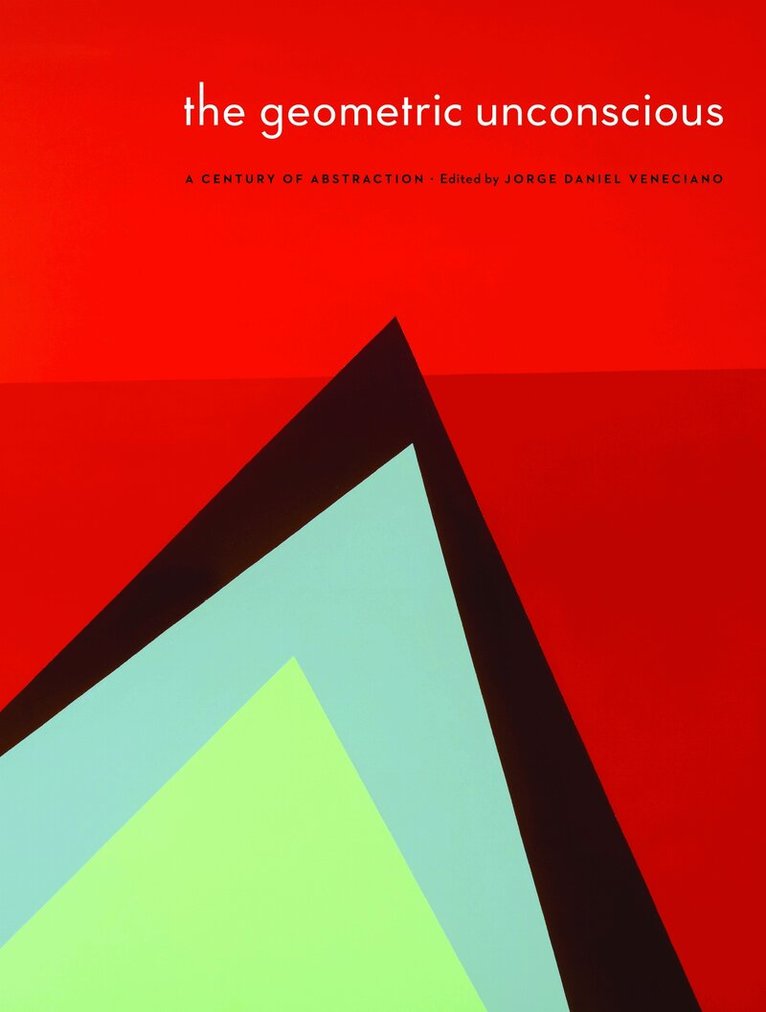
Inspired by the Sheldon Museum of Art's holdings in geometric abstraction, this book introduces adventurous new thinking about a visual approach that has captivated both artists and viewers for more than a century. Four richly illustrated essays explore the European genesis of geometric abstraction, its translation into an American context, and its current direction, charting the style's aesthetic, intellectual, and social implications. Sharon L. Kennedy's essay draws on the Sheldon's collection to trace the style's beginnings and its various transformations by twentieth-century American artists. Peter Halley invokes contemporary theory in rethinking how postmodern artists engage with geometry while challenging its most basic presumptions. Jeremy Gilbert-Rolfe delves into the work of four contemporary artists who are taking geometry in new directions, and Jorge Daniel Veneciano reveals the persistent manner in which theorists and defenders of geometric abstraction have obscured aspects of its history and contributed to the esoteric aura of modern art. Featured throughout are full-color reproductions of art from both the Sheldon and private collections, including paintings, sculptures, and works on paper by diverse artists such as Ilya Bolotowsky, Carmen Herrera, Donald Judd, Agnes Martin, Piet Mondrian, Odili Donald Odita, Frank Stella, and Charmion von Wiegand.