Jori N. Hall - Böcker
Visar alla böcker från författaren Jori N. Hall. Handla med fri frakt och snabb leverans.
5 produkter
5 produkter
995 kr
Skickas inom 10-15 vardagar
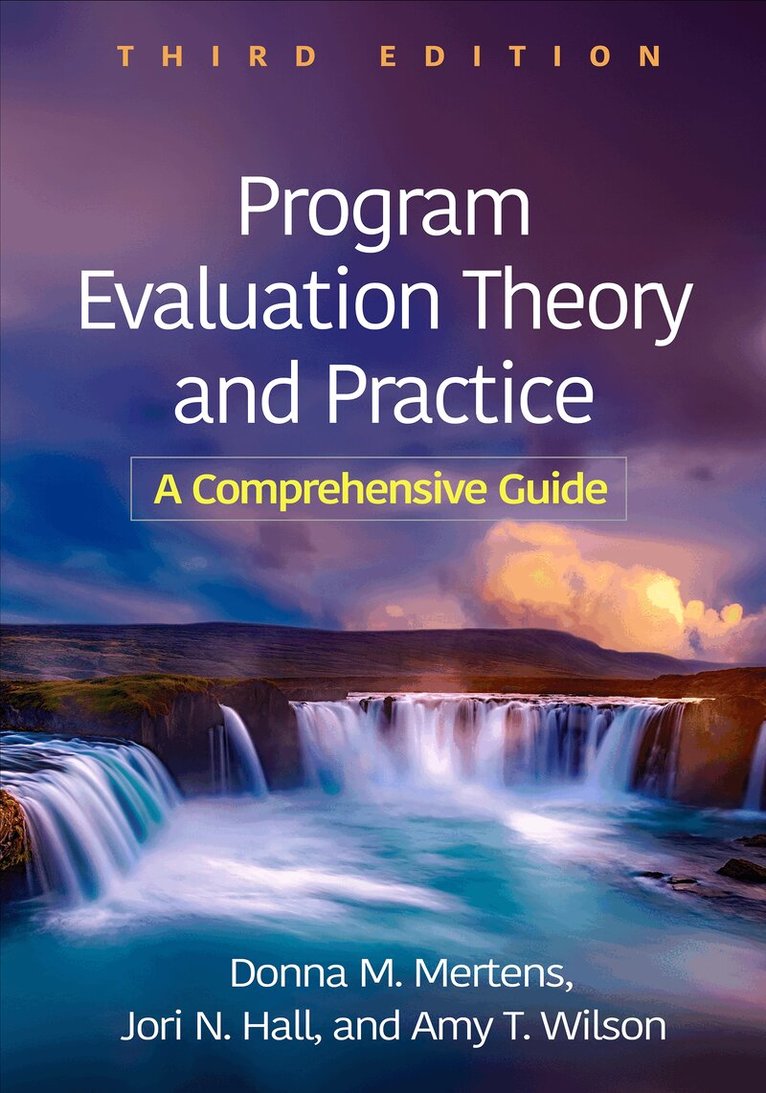
Covering both the theory and practice of evaluation in one engaging volume, this leading text is now in a revised third edition. It features additional evaluation approaches, such as the Indigenous paradigm; new examples, ranging from small to large and multi-site evaluations; and more. Instructors praise the diverse evaluations, many with reflective commentary from evaluators, and rich pedagogical features. The text describes the major theoretical paradigms in evaluation and the ways they inform methodological choices. Readers learn effective strategies for clarifying their own theoretical assumptions; working with stakeholders; developing questions; using quantitative, qualitative, and mixed methods designs; choosing data collection and sampling strategies; analyzing data; and communicating and utilizing findings. The book includes guidance for planning an evaluation of a specific project or program. Extensive recommended online resources and tools are provided at the companion website.New to This EditionRestructured section on philosophical frameworks, with a new chapter on the Indigenous paradigm and expanded coverage of disability, feminist, and LGBTQ+ theories. Additional sample studies, including multi-site and systems- and complexity-informed evaluations. Expanded coverage of logic models, cost–benefit evaluations, and mixed methods designs. New and updated coverage of data collection technologies, qualitative coding methods, Sustainable Development Goals, and uses and pitfalls of artificial intelligence. Pedagogical FeaturesReflection questions that prepare students to read each chapter. "Extending Your Thinking" questions and learning activities. New within-chapter maps to aid in navigating chapter sections. Boxes offering sample evaluations and closer looks at key concepts. Helpful checklists and tables, bolded key terms, and an end-of-book Glossary. Companion website with links to recommended online resources and tools.
1 468 kr
Skickas inom 7-10 vardagar
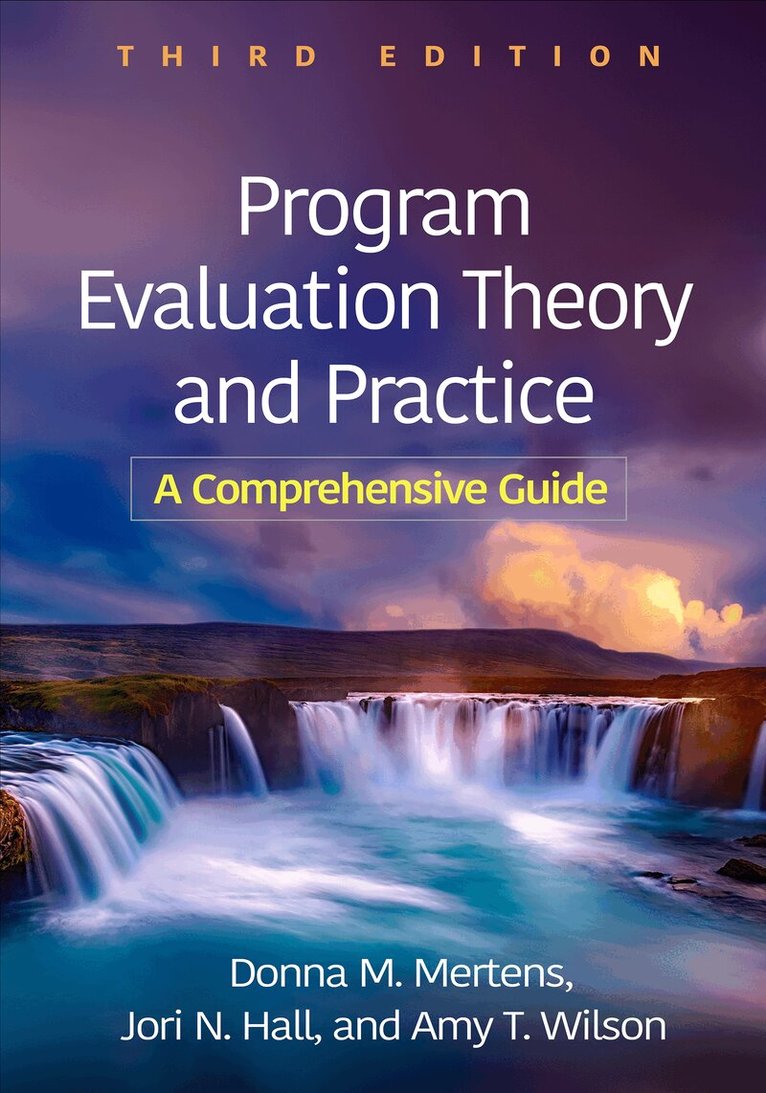
Covering both the theory and practice of evaluation in one engaging volume, this leading text is now in a revised third edition. It features additional evaluation approaches, such as the Indigenous paradigm; new examples, ranging from small to large and multi-site evaluations; and more. Instructors praise the diverse evaluations, many with reflective commentary from evaluators, and rich pedagogical features. The text describes the major theoretical paradigms in evaluation and the ways they inform methodological choices. Readers learn effective strategies for clarifying their own theoretical assumptions; working with stakeholders; developing questions; using quantitative, qualitative, and mixed methods designs; choosing data collection and sampling strategies; analyzing data; and communicating and utilizing findings. The book includes guidance for planning an evaluation of a specific project or program. Extensive recommended online resources and tools are provided at the companion website.New to This EditionRestructured section on philosophical frameworks, with a new chapter on the Indigenous paradigm and expanded coverage of disability, feminist, and LGBTQ+ theories. Additional sample studies, including multi-site and systems- and complexity-informed evaluations. Expanded coverage of logic models, cost–benefit evaluations, and mixed methods designs. New and updated coverage of data collection technologies, qualitative coding methods, Sustainable Development Goals, and uses and pitfalls of artificial intelligence. Pedagogical FeaturesReflection questions that prepare students to read each chapter. "Extending Your Thinking" questions and learning activities. New within-chapter maps to aid in navigating chapter sections. Boxes offering sample evaluations and closer looks at key concepts. Helpful checklists and tables, bolded key terms, and an end-of-book Glossary. Companion website with links to recommended online resources and tools.
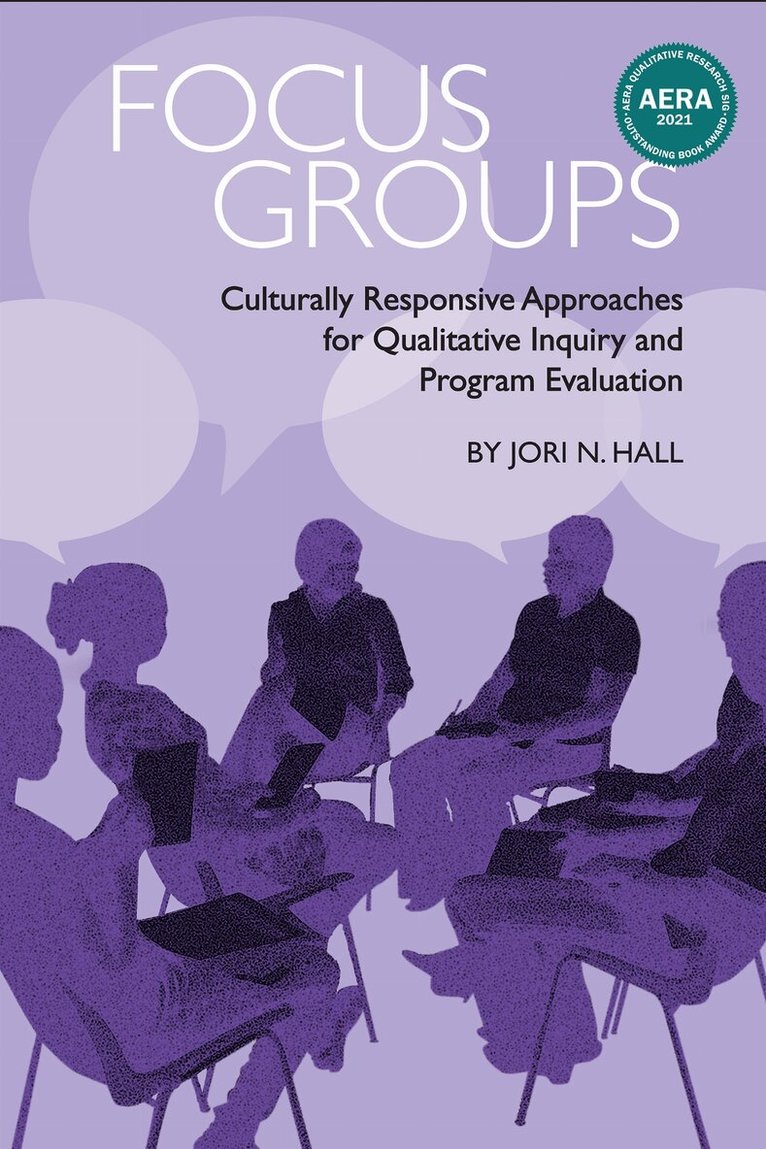
Focus Groups
Culturally Responsive Approaches for Qualitative Inquiry and Program Evaluation
Häftad, Engelska, 2020
480 kr
Skickas inom 7-10 vardagar
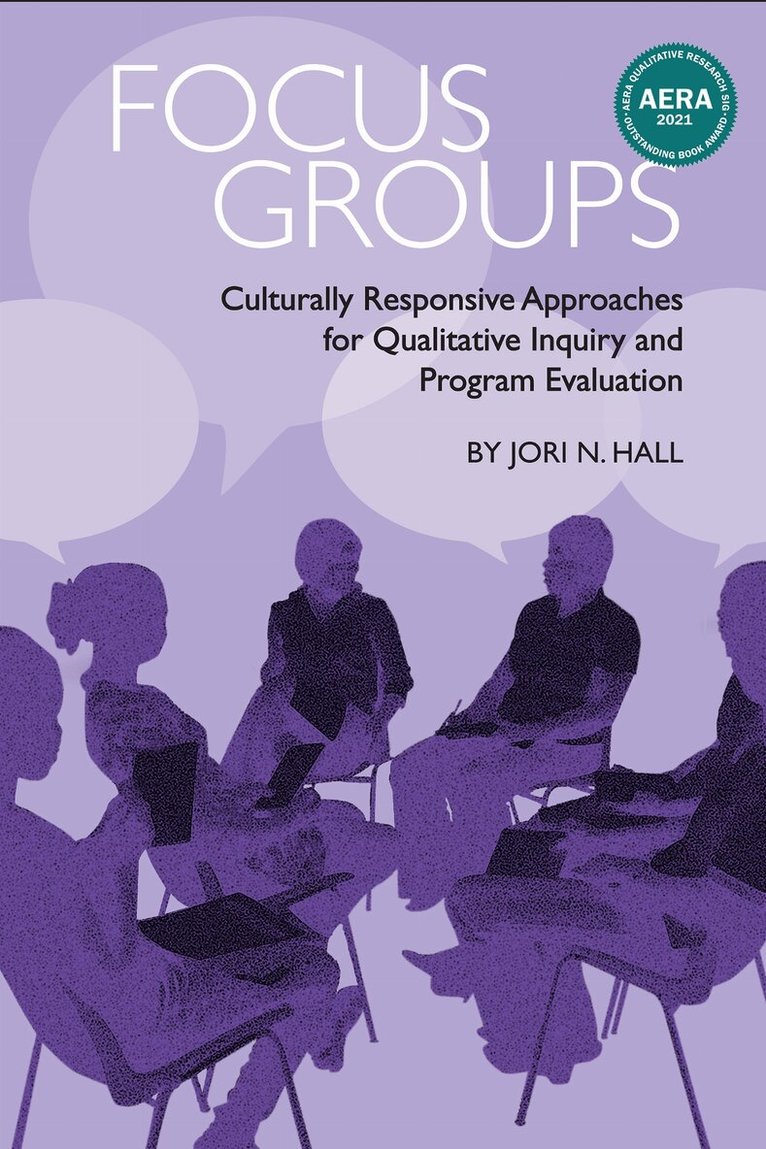
Focus Groups: Culturally Responsive Approaches for Qualitative Inquiry and Program Evaluation takes an in-depth look at how culturally-responsive focus groups are developed and implemented within the context of qualitative inquiry broadly, and program evaluation more specifically. The book showcases various forms of focus groups and how they can be responsive to specific communities across different disciplines. This book provides:an historical perspective on focus groupsa theoretical foundation helpful for supporting focus groups with marginalized groups, vulnerable populations (older adults, children), and participants within non-Western settingsbasic procedures for conducting focus groupsguidelines for cultural responsiveness andcase examples of alternative approaches to focus groups that target specific communities and those in different contexts.It also considers ethical issues around the use of culturally responsive focus groups, while providing guidance on analyzing and interpreting your data and establishing the credibility of your study. Focus Groups is an information rich resource for qualitative researchers and program evaluators at various levels who want to learn about or enhance their knowledge on designing and conducting culturally responsive focus groups.
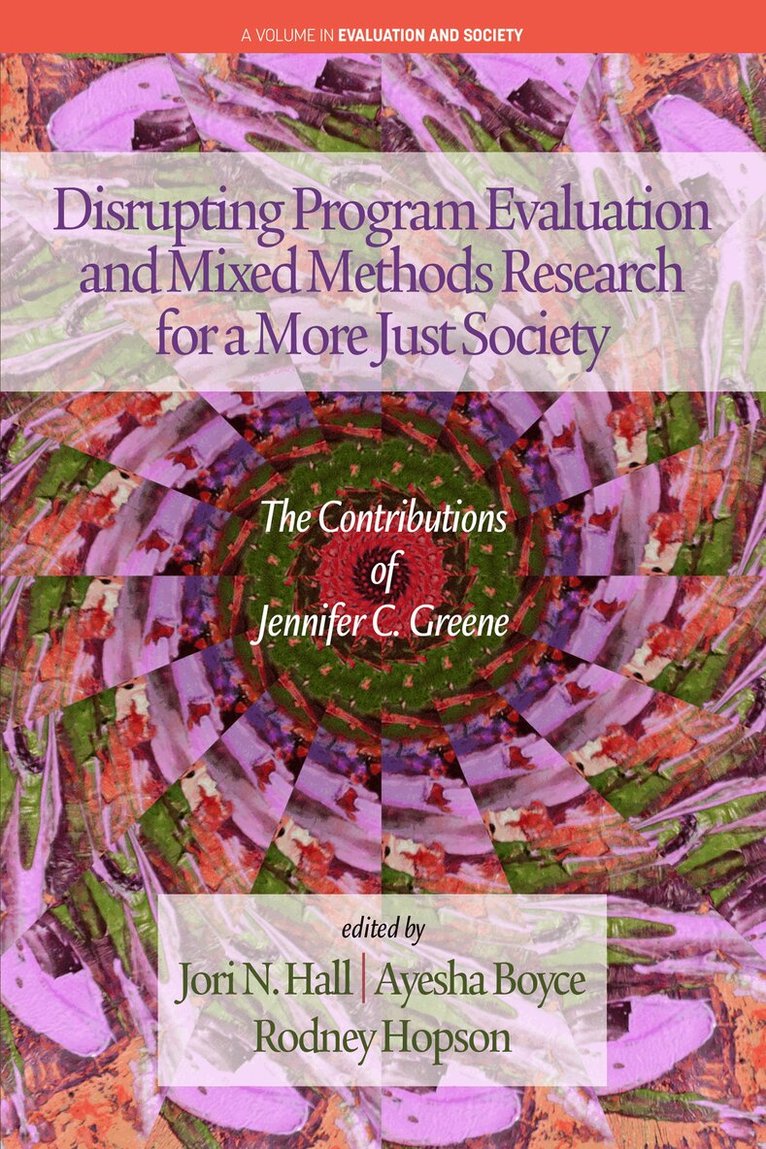
Disrupting Program Evaluation and Mixed Methods Research for a More Just Society
The Contributions of Jennifer C. Greene
Häftad, Engelska, 2022
599 kr
Skickas inom 7-10 vardagar
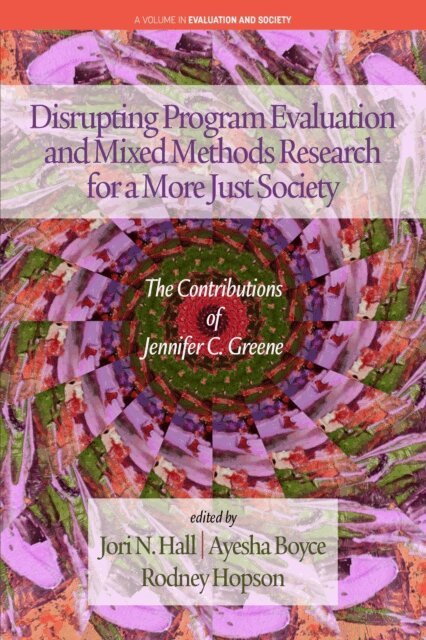
While women have influenced the fields of program evaluation and mixed methods research, their contributions are rarely acknowledged. In this edited volume, we recognize the contributions Jennifer C. Greene made to evaluation and mixed methods, focusing on how she disrupted traditional ways methods are conceptualized and implemented. We aim to provide a range of perspectives on how Greene disrupted social science theory, methodology, and training through her commitment to the values of democracy, diversity, and dialogue. Accordingly, the volume makes explicit how Greene democratized social science inquiry and training by emphasizing inclusive, culturally responsive, and educative theories, methods, and pedagogical practices. Second, it clarifies how her commitment to diversity supported scholars from diverse disciplinary backgrounds and cultures (within and beyond the United States) and validated often ignored perspectives on phenomena or experiences. And third, it showcases how her commitment to dialogue opened spaces for non-traditional methodological approaches that engage, communicate, and disseminate program evaluation and mixed methods work. Taken together, the first-hand accounts presented in this volume offer a historical perspective and practical guidance on program evaluation and mixed methods conceptualization, implementation, and training.
Disrupting Program Evaluation and Mixed Methods Research for a More Just Society
The Contributionsof Jennifer C. Greene
Inbunden, Engelska, 2022
1 059 kr
Skickas inom 7-10 vardagar
While women have influenced the fields of program evaluation and mixed methods research, their contributions are rarely acknowledged. In this edited volume, we recognize the contributions Jennifer C. Greene made to evaluation and mixed methods, focusing on how she disrupted traditional ways methods are conceptualized and implemented. We aim to provide a range of perspectives on how Greene disrupted social science theory, methodology, and training through her commitment to the values of democracy, diversity, and dialogue. Accordingly, the volume makes explicit how Greene democratized social science inquiry and training by emphasizing inclusive, culturally responsive, and educative theories, methods, and pedagogical practices. Second, it clarifies how her commitment to diversity supported scholars from diverse disciplinary backgrounds and cultures (within and beyond the United States) and validated often ignored perspectives on phenomena or experiences. And third, it showcases how her commitment to dialogue opened spaces for non-traditional methodological approaches that engage, communicate, and disseminate program evaluation and mixed methods work. Taken together, the first-hand accounts presented in this volume offer a historical perspective and practical guidance on program evaluation and mixed methods conceptualization, implementation, and training.