Amy T. Wilson - Böcker
Visar alla böcker från författaren Amy T. Wilson. Handla med fri frakt och snabb leverans.
4 produkter
4 produkter
1 051 kr
Skickas
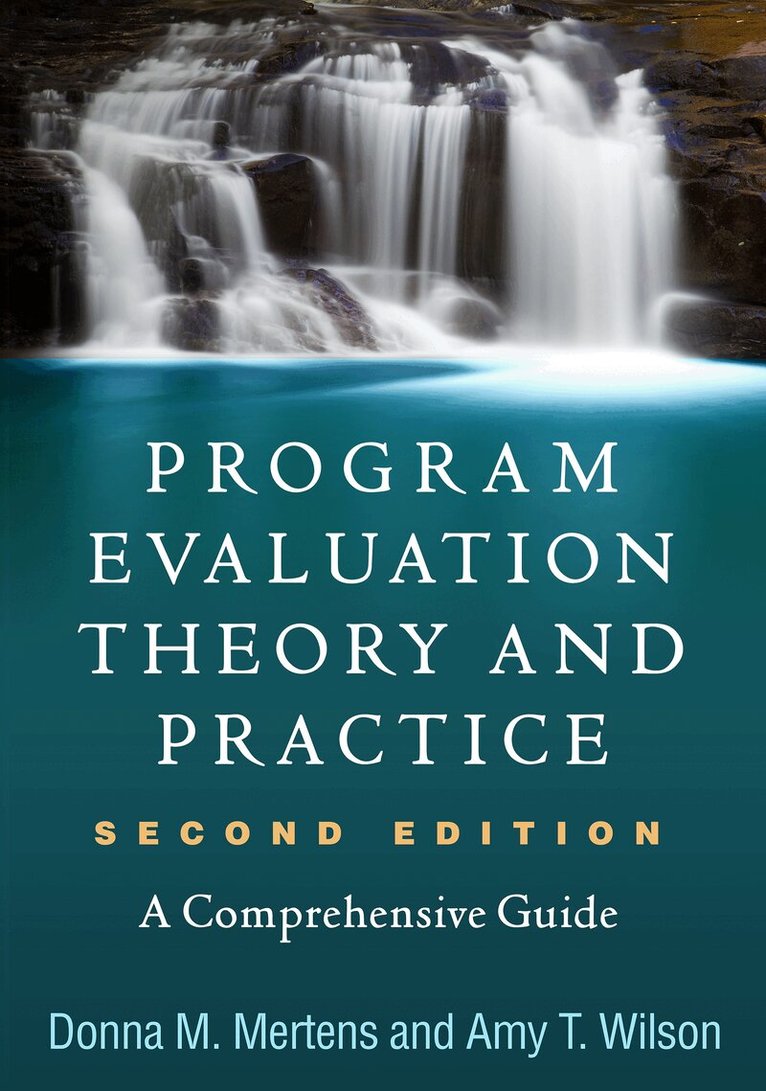
The leading text that covers both the theory and practice of evaluation in one engaging volume has now been revised and updated with additional evaluation approaches (such as mixed methods and principles-focused evaluation) and new methods (such as technologically based strategies). The book features examples of small- and large-scale evaluations from a range of fields, many with reflective commentary from the evaluators; helpful checklists; and carefully crafted learning activities. Major theoretical paradigms in evaluation--and the ways they inform methodological choices--are explained. Readers learn effective strategies for clarifying their own theoretical assumptions; working with stakeholders; developing questions; using quantitative, qualitative, and mixed methods designs; selecting data collection and sampling strategies; analyzing data; and communicating and utilizing findings. The new companion website provides extensive recommended online resources and tools, organized by chapter. New to This Edition*Additional evaluation approaches: collaborative evaluation, principles-focused evaluation, and desk reviews.*Coverage of new data collection technologies and methods of qualitative coding.*Expanded discussions of logic models, cost–benefit analysis, and mixed methods designs.*Many new and updated sample studies.Pedagogical Features*Reflection questions that prepare students to read each chapter.*"Extending Your Thinking" questions and practical activities.*Boxes delving into key concepts and example studies.*End-of-book Glossary, and highlighted key terms throughout.*Companion website with links to helpful resources on all aspects of evaluation.
1 244 kr
Tillfälligt slut
The leading text that covers both the theory and practice of evaluation in one engaging volume has now been revised and updated with additional evaluation approaches (such as mixed methods and principles-focused evaluation) and new methods (such as technologically based strategies). The book features examples of small- and large-scale evaluations from a range of fields, many with reflective commentary from the evaluators; helpful checklists; and carefully crafted learning activities. Major theoretical paradigms in evaluation--and the ways they inform methodological choices--are explained. Readers learn effective strategies for clarifying their own theoretical assumptions; working with stakeholders; developing questions; using quantitative, qualitative, and mixed methods designs; selecting data collection and sampling strategies; analyzing data; and communicating and utilizing findings. The new companion website provides extensive recommended online resources and tools, organized by chapter. New to This Edition*Additional evaluation approaches: collaborative evaluation, principles-focused evaluation, and desk reviews.*Coverage of new data collection technologies and methods of qualitative coding.*Expanded discussions of logic models, cost–benefit analysis, and mixed methods designs.*Many new and updated sample studies.Pedagogical Features*Reflection questions that prepare students to read each chapter.*"Extending Your Thinking" questions and practical activities.*Boxes delving into key concepts and example studies.*End-of-book Glossary, and highlighted key terms throughout.*Companion website with links to helpful resources on all aspects of evaluation.
999 kr
Skickas inom 10-15 vardagar
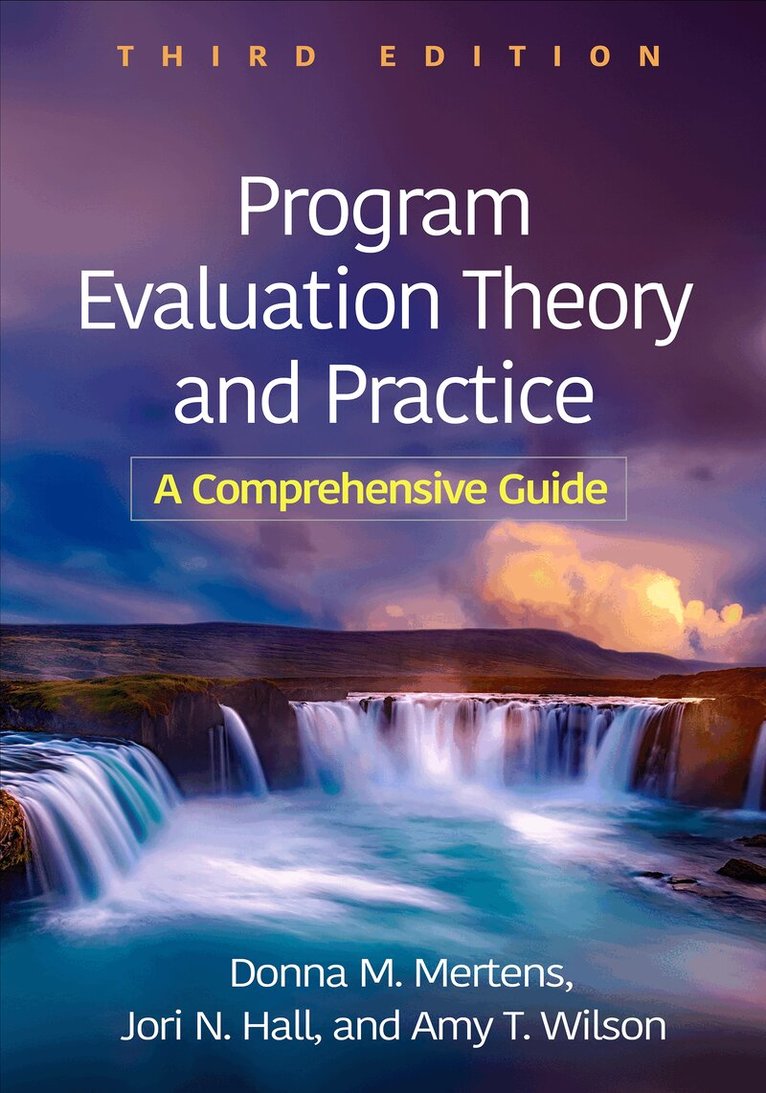
Covering both the theory and practice of evaluation in one engaging volume, this leading text is now in a revised third edition. It features additional evaluation approaches, such as the Indigenous paradigm; new examples, ranging from small to large and multi-site evaluations; and more. Instructors praise the diverse evaluations, many with reflective commentary from evaluators, and rich pedagogical features. The text describes the major theoretical paradigms in evaluation and the ways they inform methodological choices. Readers learn effective strategies for clarifying their own theoretical assumptions; working with stakeholders; developing questions; using quantitative, qualitative, and mixed methods designs; choosing data collection and sampling strategies; analyzing data; and communicating and utilizing findings. The book includes guidance for planning an evaluation of a specific project or program. Extensive recommended online resources and tools are provided at the companion website.New to This EditionRestructured section on philosophical frameworks, with a new chapter on the Indigenous paradigm and expanded coverage of disability, feminist, and LGBTQ+ theories. Additional sample studies, including multi-site and systems- and complexity-informed evaluations. Expanded coverage of logic models, cost–benefit evaluations, and mixed methods designs. New and updated coverage of data collection technologies, qualitative coding methods, Sustainable Development Goals, and uses and pitfalls of artificial intelligence. Pedagogical FeaturesReflection questions that prepare students to read each chapter. "Extending Your Thinking" questions and learning activities. New within-chapter maps to aid in navigating chapter sections. Boxes offering sample evaluations and closer looks at key concepts. Helpful checklists and tables, bolded key terms, and an end-of-book Glossary. Companion website with links to recommended online resources and tools.
1 475 kr
Skickas inom 7-10 vardagar
Covering both the theory and practice of evaluation in one engaging volume, this leading text is now in a revised third edition. It features additional evaluation approaches, such as the Indigenous paradigm; new examples, ranging from small to large and multi-site evaluations; and more. Instructors praise the diverse evaluations, many with reflective commentary from evaluators, and rich pedagogical features. The text describes the major theoretical paradigms in evaluation and the ways they inform methodological choices. Readers learn effective strategies for clarifying their own theoretical assumptions; working with stakeholders; developing questions; using quantitative, qualitative, and mixed methods designs; choosing data collection and sampling strategies; analyzing data; and communicating and utilizing findings. The book includes guidance for planning an evaluation of a specific project or program. Extensive recommended online resources and tools are provided at the companion website.New to This EditionRestructured section on philosophical frameworks, with a new chapter on the Indigenous paradigm and expanded coverage of disability, feminist, and LGBTQ+ theories. Additional sample studies, including multi-site and systems- and complexity-informed evaluations. Expanded coverage of logic models, cost–benefit evaluations, and mixed methods designs. New and updated coverage of data collection technologies, qualitative coding methods, Sustainable Development Goals, and uses and pitfalls of artificial intelligence. Pedagogical FeaturesReflection questions that prepare students to read each chapter. "Extending Your Thinking" questions and learning activities. New within-chapter maps to aid in navigating chapter sections. Boxes offering sample evaluations and closer looks at key concepts. Helpful checklists and tables, bolded key terms, and an end-of-book Glossary. Companion website with links to recommended online resources and tools.