José Alaniz - Böcker
Visar alla böcker från författaren José Alaniz. Handla med fri frakt och snabb leverans.
13 produkter
13 produkter
1 311 kr
Skickas inom 7-10 vardagar
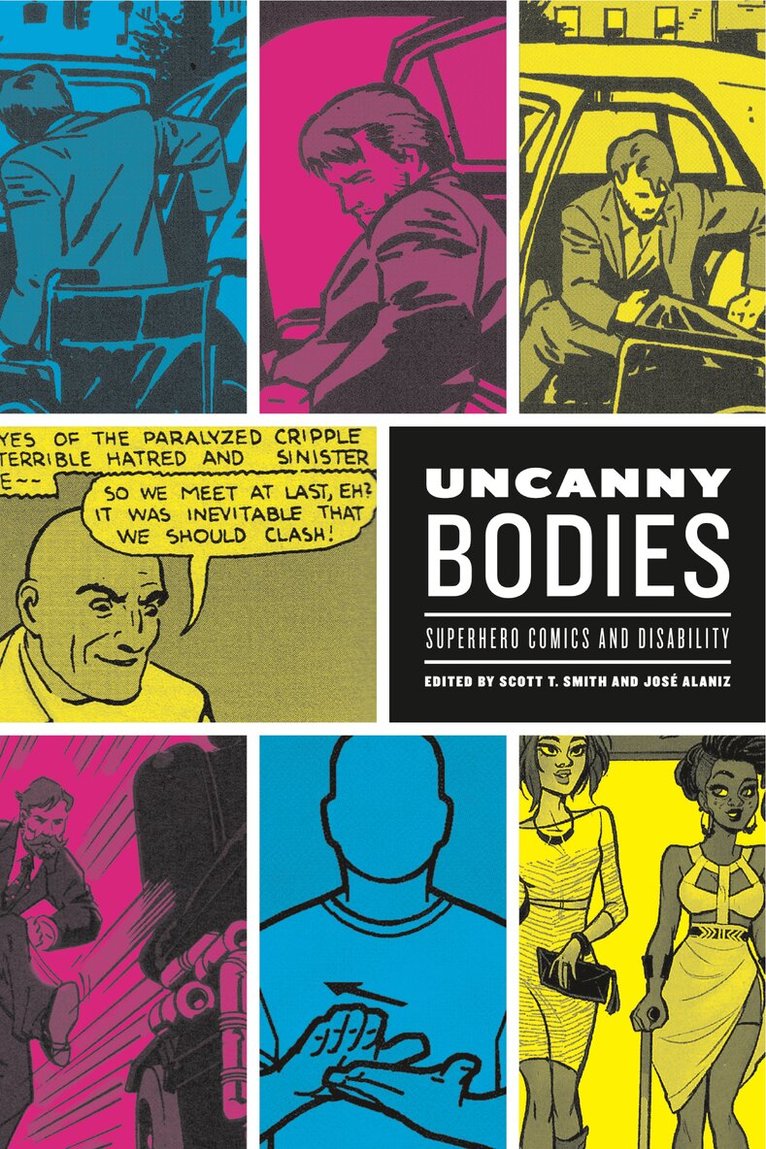
Superhero comics reckon with issues of corporeal control. And while they commonly deal in characters of exceptional or superhuman ability, they have also shown an increasing attention and sensitivity to diverse forms of disability, both physical and cognitive. The essays in this collection reveal how the superhero genre, in fusing fantasy with realism, provides a visual forum for engaging with issues of disability and intersectional identity (race, ethnicity, class, gender, and sexuality) and helps to imagine different ways of being in the world.Working from the premise that the theoretical mode of the uncanny, with its interest in what is simultaneously known and unknown, ordinary and extraordinary, opens new ways to think about categories and markers of identity, Uncanny Bodies explores how continuums of ability in superhero comics can reflect, resist, or reevaluate broader cultural conceptions about disability. The chapters focus on lesser-known characters—such as Echo, Omega the Unknown, and the Silver Scorpion—as well as the famous Barbara Gordon and the protagonist of the acclaimed series Hawkeye, whose superheroic uncanniness provides a counterpoint to constructs of normalcy. Several essays explore how superhero comics can provide a vocabulary and discourse for conceptualizing disability more broadly. Thoughtful and challenging, this eye-opening examination of superhero comics breaks new ground in disability studies and scholarship in popular culture.In addition to the editors, the contributors are Sarah Bowden, Charlie Christie, Sarah Gibbons, Andrew Godfrey-Meers, Marit Hanson, Charles Hatfield, Naja Later, Lauren O’Connor, Daniel J. O'Rourke, Daniel Pinti, Lauranne Poharec, and Deleasa Randall-Griffiths.
423 kr
Skickas inom 7-10 vardagar
Superhero comics reckon with issues of corporeal control. And while they commonly deal in characters of exceptional or superhuman ability, they have also shown an increasing attention and sensitivity to diverse forms of disability, both physical and cognitive. The essays in this collection reveal how the superhero genre, in fusing fantasy with realism, provides a visual forum for engaging with issues of disability and intersectional identity (race, ethnicity, class, gender, and sexuality) and helps to imagine different ways of being in the world.Working from the premise that the theoretical mode of the uncanny, with its interest in what is simultaneously known and unknown, ordinary and extraordinary, opens new ways to think about categories and markers of identity, Uncanny Bodies explores how continuums of ability in superhero comics can reflect, resist, or reevaluate broader cultural conceptions about disability. The chapters focus on lesser-known characters—such as Echo, Omega the Unknown, and the Silver Scorpion—as well as the famous Barbara Gordon and the protagonist of the acclaimed series Hawkeye, whose superheroic uncanniness provides a counterpoint to constructs of normalcy. Several essays explore how superhero comics can provide a vocabulary and discourse for conceptualizing disability more broadly. Thoughtful and challenging, this eye-opening examination of superhero comics breaks new ground in disability studies and scholarship in popular culture.In addition to the editors, the contributors are Sarah Bowden, Charlie Christie, Sarah Gibbons, Andrew Godfrey-Meers, Marit Hanson, Charles Hatfield, Naja Later, Lauren O’Connor, Daniel J. O'Rourke, Daniel Pinti, Lauranne Poharec, and Deleasa Randall-Griffiths.
2 741 kr
Skickas inom 5-8 vardagar
717 kr
Skickas inom 5-8 vardagar
404 kr
Skickas inom 10-15 vardagar
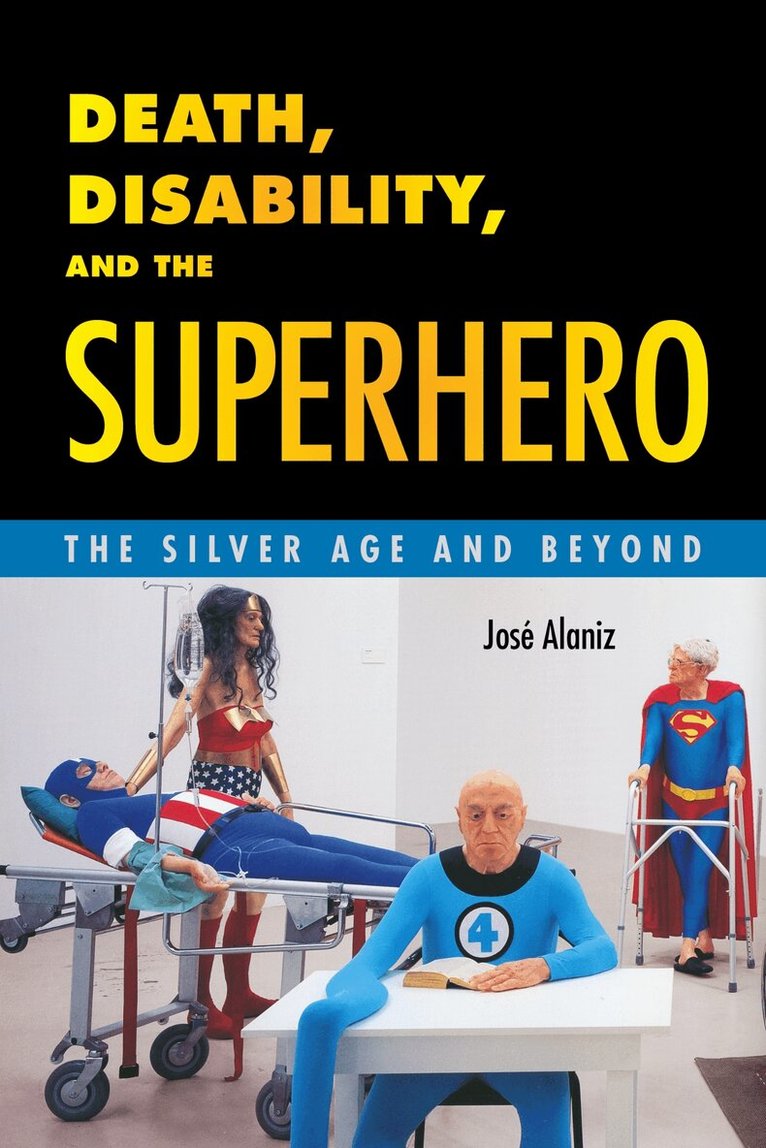
The Thing. Daredevil. Captain Marvel. The Human Fly. Drawing on DC and Marvel comics from the 1950s to the 1990s and marshaling insights from three burgeoning fields of inquiry in the humanities--disability studies, death and dying studies, and comics studies--José Alaniz seeks to redefine the contemporary understanding of the superhero. Beginning in the Silver Age, the genre increasingly challenged and complicated its hypermasculine, quasi-eugenicist biases through such disabled figures as Ben Grimm/The Thing, Matt Murdock/Daredevil, and the Doom Patrol.Alaniz traces how the superhero became increasingly vulnerable, ill, and mortal in this era. He then proceeds to a reinterpretation of characters and series--some familiar (Superman), some obscure (She-Thing). These genre changes reflected a wider awareness of related body issues in the postwar United States as represented by hospice, death with dignity, and disability rights movements. The persistent highlighting of the body's ""imperfection"" comes to forge a predominant aspect of the superheroic self. Such moves, originally part of the Silver Age strategy to stimulate sympathy, enhance psychological depth, and raise the dramatic stakes, developed further in such later series as The Human Fly, Strikeforce: Morituri, and the landmark graphic novel The Death of Captain Marvel, all examined in this volume. Death and disability, presumed routinely absent or denied in the superhero genre, emerge to form a core theme and defining function of the Silver Age and beyond.
357 kr
Skickas inom 7-10 vardagar
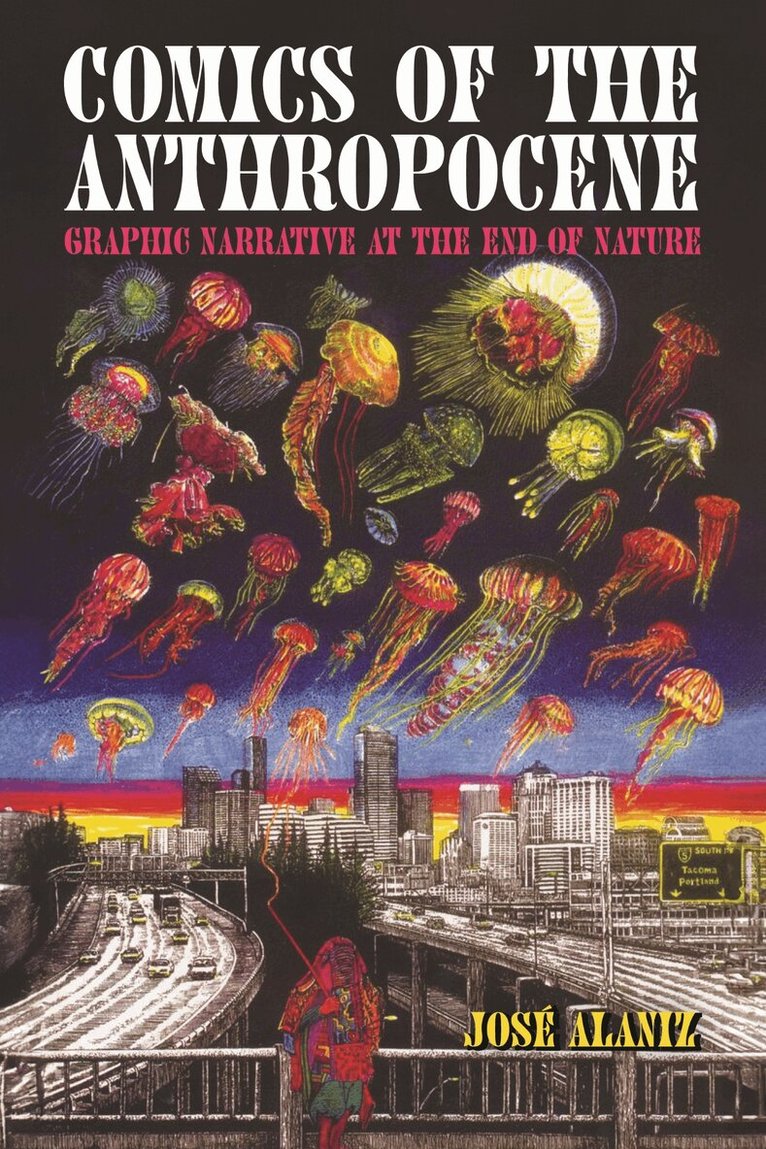
Since the first Earth Day in 1970, how have US comics artists depicted the human-caused destruction of the natural world? How do these representations manifest in different genres of comics like superheroes, biography, underground comix, and journalism? What resources unique to the comics medium do they bring to their tasks? How do these works resonate with the ethical and environmental issues raised by global conversations about the anthropogenic sixth mass extinction and climate change? How have comics mourned the loss of nature over the last five decades? Are comics "ecological objects," in philosopher Timothy Morton’s parlance?Weaving together insights from comics studies, environmental humanities, critical animal studies, and affect studies to answer these questions, Comics of the Anthropocene: Graphic Narrative at the End of Nature explores the representation of animals, pollution, mass extinctions, and climate change in the Anthropocene Era, our current geological age of human-induced environmental transformation around the globe.Artists and works examined in Comics of the Anthropocene include R. Crumb, McGregor et al.’s Black Panther, Jack Kirby’s Kamandi: The Last Boy on Earth, the comics of the Pacific Northwest and Murphy/Zulli’s landmark alternative series The Puma Blues. This book breaks new ground in confronting our most daunting modern crisis through a discussion of how graphic narrative has uniquely addressed the ecology issue.
1 345 kr
Skickas inom 7-10 vardagar
Since the first Earth Day in 1970, how have US comics artists depicted the human-caused destruction of the natural world? How do these representations manifest in different genres of comics like superheroes, biography, underground comix, and journalism? What resources unique to the comics medium do they bring to their tasks? How do these works resonate with the ethical and environmental issues raised by global conversations about the anthropogenic sixth mass extinction and climate change? How have comics mourned the loss of nature over the last five decades? Are comics "ecological objects," in philosopher Timothy Morton’s parlance?Weaving together insights from comics studies, environmental humanities, critical animal studies, and affect studies to answer these questions, Comics of the Anthropocene: Graphic Narrative at the End of Nature explores the representation of animals, pollution, mass extinctions, and climate change in the Anthropocene Era, our current geological age of human-induced environmental transformation around the globe.Artists and works examined in Comics of the Anthropocene include R. Crumb, McGregor et al.’s Black Panther, Jack Kirby’s Kamandi: The Last Boy on Earth, the comics of the Pacific Northwest and Murphy/Zulli’s landmark alternative series The Puma Blues. This book breaks new ground in confronting our most daunting modern crisis through a discussion of how graphic narrative has uniquely addressed the ecology issue.
340 kr
Skickas inom 7-10 vardagar
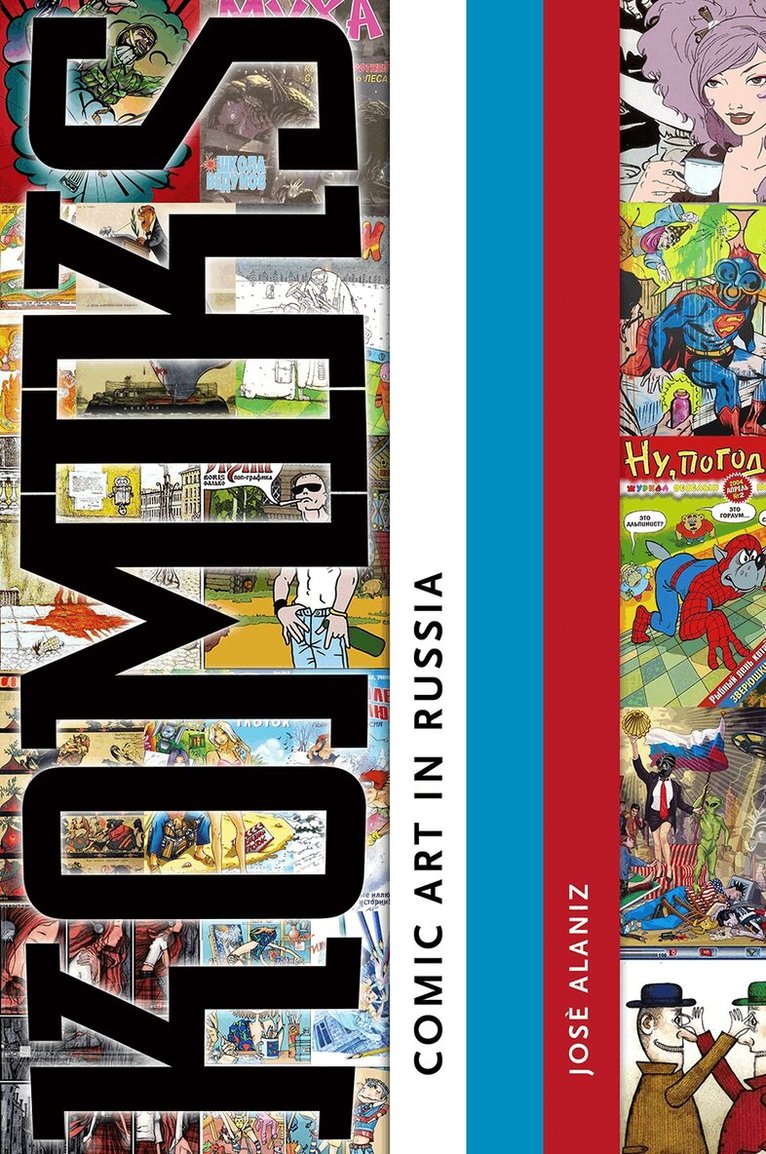
José Alaniz explores the problematic publication history of komiks--an art form much-maligned as ""bourgeois"" mass diversion before, during, and after the collapse of the USSR-- with an emphasis on the last twenty years. The book provides heretofore unavailable access to a rich artistry through unique archival research, interviews with major artists and publishers, and readings of several artists and works--many unknown in the West. The study examines the dizzying experimental comics work of the late Czarist and early revolutionary era, caricature from the satirical journal Krokodil, and the postwar series Petia Ryzhik (the ""Russian Tintin""). Detailed case studies include the Perestroika-era KOM studio, the first devoted to comics in the Soviet Union; post-Soviet komiks in contemporary art; autobiography and the work of Nikolai Maslov; and women's komiks by such artists as Lena Uzhinova, Namida and Re-I. Author José Alaniz examines issues such as anti-Americanism, censorship, the rise of consumerism, globalization (e.g., in Russian manga), the impact of the internet, and the hard-won establishment of a comics subculture in Russia.Komiks have often borne the brunt of ideological change--thriving in summers of relative freedom, freezing in hard winters of official disdain. This volume covers the art form's origins in religious icon-making and book illustration, and later the immensely popular lubok or woodblock print. Alaniz reveals komiks' vilification and marginalization under the Communists, the art form's economic struggles, and its eventual internet ""migration"" in the post-Soviet era. This book shows, as many Russians expressed about their own experiences in the same era, that komiks never had a ""normal life.""
1 293 kr
Skickas inom 10-15 vardagar
The Thing. Daredevil. Captain Marvel. The Human Fly. Drawing on DC and Marvel comics from the 1950s to the 1990s and marshaling insights from three burgeoning fields of inquiry in the humanities--disability studies, death and dying studies, and comics studies-- José Alaniz seeks to redefine the contemporary understanding of the superhero. Beginning in the Silver Age, the genre increasingly challenged and complicated its hypermasculine, quasi-eugenicist biases through such disabled figures as Ben Grimm/The Thing, Matt Murdock/Daredevil, and the Doom Patrol.Alaniz traces how the superhero became increasingly vulnerable, ill, and mortal in this era. He then proceeds to a reinterpretation of characters and series--some familiar (Superman), some obscure (She-Thing). These genre changes reflected a wider awareness of related body issues in the postwar U.S. as represented by hospice, death with dignity, and disability rights movements. The persistent highlighting of the body's ""imperfection"" comes to forge a predominant aspect of the superheroic self. Such moves, originally part of the Silver Age strategy to stimulate sympathy, enhance psychological depth, and raise the dramatic stakes, developed further in such later series as The Human Fly, Strikeforce: Morituri, and the landmark graphic novel The Death of Captain Marvel, all examined in this volume. Death and disability, presumed routinely absent or denied in the superhero genre, emerge to form a core theme and defining function of the Silver Age and beyond.
201 kr
Skickas inom 5-8 vardagar
251 kr
Skickas inom 5-8 vardagar
182 kr
Skickas inom 5-8 vardagar
Del 7 - Studies in European Comics and Graphic Novels
Comics of the New Europe
Reflections and Intersections
Häftad, Engelska, 2020
792 kr
Skickas inom 5-8 vardagar
A new generation of European cartoonistsBringing together the work of an array of North American and European scholars, this collection highlights a previously unexamined area within global comics studies. It analyses comics from countries formerly behind the Iron Curtain like East Germany, Poland, Czech Republic, Hungary, Romania, Yugoslavia, and Ukraine, given their shared history of WWII and communism. In addition to situating these graphic narratives in their national and subnational contexts, Comics of the New Europe pays particular attention to transnational connections along the common themes of nostalgia, memoir, and life under communism. The essays offer insights into a new generation of European cartoonists that looks forward, inspired and informed by traditions from Franco-Belgian and American comics, and back, as they use the medium of comics to reexamine and reevaluate not only their national pasts and respective comics traditions but also their own post-1989 identities and experiences.Contributors: Max Bledstein (University of Winnipeg), Dragana Obradović (University of Toronto), Aleksandra Sekulić (University of Arts in Belgrade), Pavel Kořínek (Institute of Czech Literature, Czech Academy of Sciences in Prague), Martin Foret (Palacký University), Michael Scholz (Uppsala University), Sean Eedy (Carleton University), Elizabeth Nijdam (University of British Columbia), Ewa Stańczyk (University of Amsterdam), Eszter Szép (Eötvös Loránd University)This publication is GPRC-labeled (Guaranteed Peer-Reviewed Content).In this video Martha Kuhlman discusses various aspects of the book 'Comics of the New Europe', focusing in particular on Czech authors.