José Gabilondo – författare
Visar alla böcker från författaren José Gabilondo. Handla med fri frakt och snabb leverans.
4 produkter
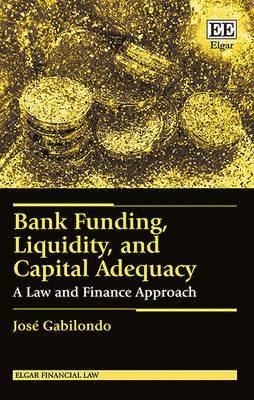
Bank Funding, Liquidity, and Capital Adequacy
A Law and Finance Approach
Inbunden, 2016
1485 kr
Lägg i varukorg
Focusing primarily on the banking system in the United States, this book offers an innovative framework that integrates a depository bank's liquidity and its capital adequacy into a unified notion of funding that helps to explain how the 2007-2008 crisis unfolded, why central banks succeeded in …
Bank Funding, Liquidity, and Capital Adequacy
A Law and Finance Approach
E-bok, 2016
422 kr
Lägg i varukorg
Focusing primarily on the banking system in the United States, this book offers an innovative framework that integrates a depository bank's liquidity and its capital adequacy into a unified notion of funding that helps to explain how the 2007-2008 crisis unfolded, why central banks succeeded in …
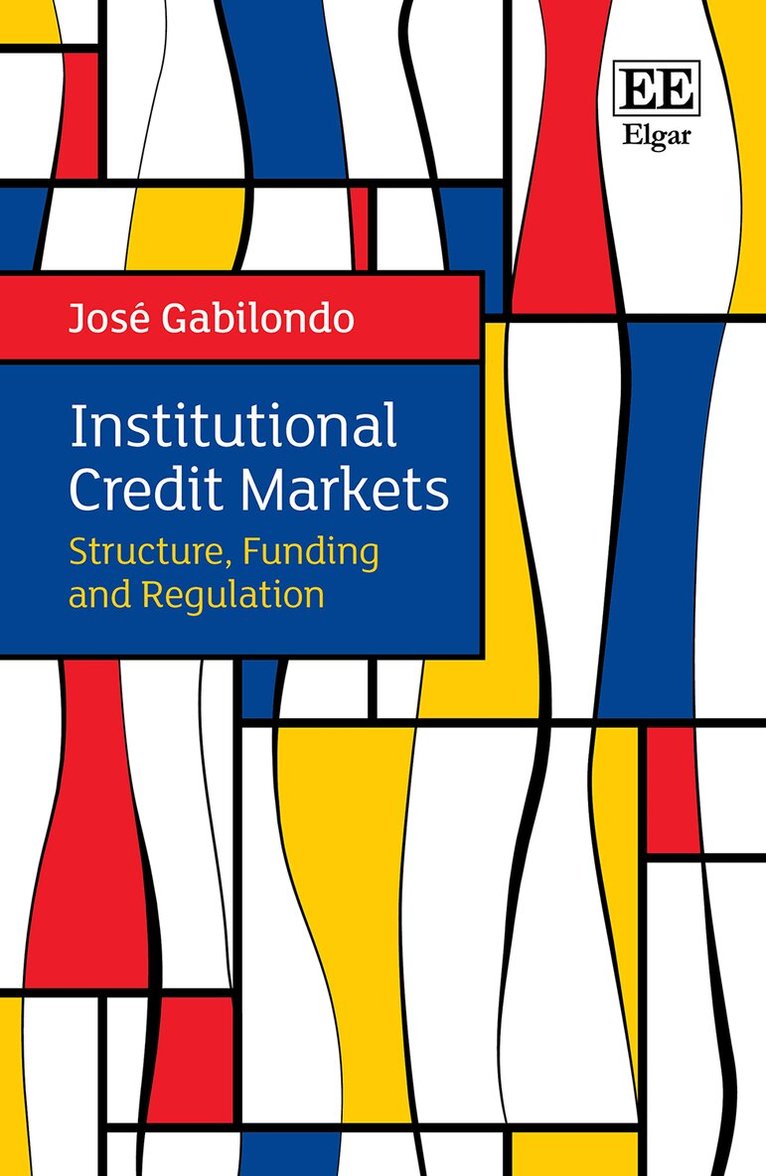
Institutional Credit Markets
Structure, Funding, and Regulation
Inbunden, 2023
1405 kr
Lägg i varukorg
Institutional Credit Markets provides a framework for understanding the institutional funding markets that undergird the U.S. credit system. It traces the evolution of the depository bank model, its non-bank competitors, and the financial conglomerates that span credit and capital markets.As …
Institutional Credit Markets
Structure, Funding, and Regulation
E-bok, 2023
422 kr
Lägg i varukorg
Institutional Credit Markets provides a framework for understanding the institutional funding markets that undergird the U.S. credit system. It traces the evolution of the depository bank model, its non-bank competitors, and the financial conglomerates that span credit and capital markets. As …