José Maria Eça de Queirós - Böcker
Visar alla böcker från författaren José Maria Eça de Queirós. Handla med fri frakt och snabb leverans.
8 produkter
8 produkter
265 kr
Skickas inom 7-10 vardagar
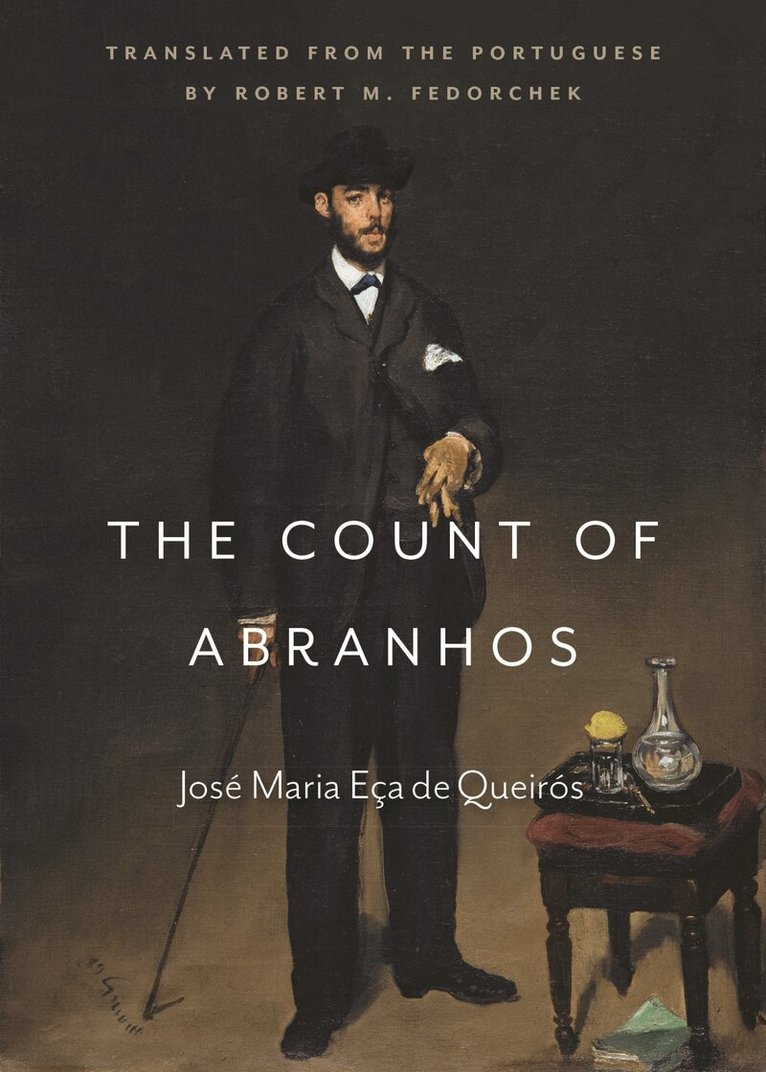
José Maria Eça de Queirós (1845-1900) was a Portuguese author in the realist style, whose work has been translated into 20 languages. The Count of Abranhos was published posthumously, and this is the first time it has been translated into English. Alípio Severo Abranhos, born to poor parents in a small town in the north of Portugal, goes off to spend his boyhood and adolescence with an aunt whose material well-being constitutes, for him, the lap of luxury. And he likes and becomes accustomed to luxury. As he follows a course of study for his bacharel at the University of Coimbra, certain negative character traits come to the fore, and upon completion of his degree he leaves behind a pregnant maid to take up residence in Lisbon. In the capital, he calculates—as a young man with neither position, nor fortune, nor social standing—how to get ahead in life. And the path is through marriage to a young woman of social status and promise of a sizable dowry, both of which can facilitate his rise in politics and government. Alípio’s weapons, his means, are various modes of hypocrisy—social hypocrisy, religious hypocrisy, filial hypocrisy, and political hypocrisy, with dishonesty, cowardice, and a farcical duel thrown in for good measure. Eça, like all accomplished novelists, does not tell us what Alípio becomes, rather he lets us see what he becomes, for with his unerring sense of satire, of character portrayal, and plot movement he lets the Count of Abranhos, with his steps and missteps, inform us himself of what he becomes. And with his actions, Alípio Severo Abranhos emerges as the personification, the very epitome, of the grim state of politics in nineteenth-century Portugal, a state engendered by the dogged pursuit of power. And through the obsequious eyes of Alípio’s biographer and the sycophantic hangers-on who wish to glory in his orbit, readers have a clear picture of the “great” man—a type who exhibits universal characteristics not confined to Eça de Queirós’s native country, nor to his time.
361 kr
Skickas inom 10-15 vardagar
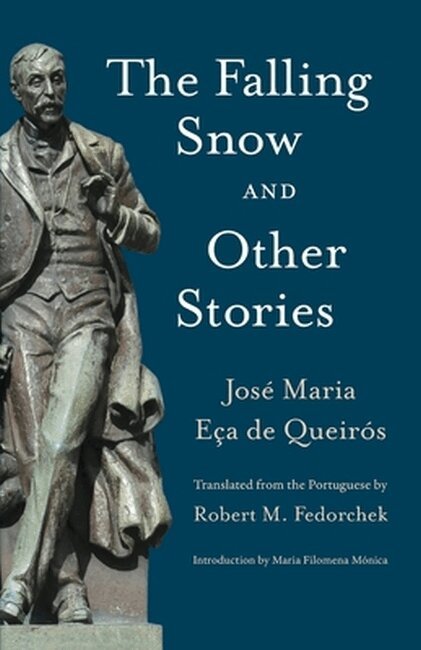
The great nineteenth-century Portuguese author José Maria Eça de Queirós (1845-1900) has long been known for his novels, especially The Crime of Father Amaro (1880) and The Maias (1888). However, he also wrote short stories, and a number of them, having stood the test of time, are now regarded as masterpieces. Although there is no question that Eça owes the lion's share of his reputation to his long fiction, the tales in this collection tell us that we are reading the work of a writer in full control of both genres.The eleven selections range widely in theme and length and, except for "The Catastrophe"(which was published posthumously), are arranged in order of the year of publication. "The Falling Snow" and "Master Devil" contain elements of both the fantastic and realistic, a number of which call to mind Edgar Allan Poe, a writer whom Eça read and greatly admired. The power of love becomes the obsession of love in "The Peculiarities of a Blonde Girl" and "José Matias," two of the stories that stand at the pinnacle of Eça's reputation as a short story writer. "Civilization" will speak to nostalgia for a rustic life, while "Perfection" searches, through Ulysses and a special goddess, into a different kind of life, one without blemish. Other tales explore the nature of sacrifice ("The Wet Nurse"), greed and betrayal ("The Treasure"), jealousy and vengeance ("The Dead Man"), and faith in a young rabbi named Jesus ("The Gentle Miracle"). No one knows why Eça withheld publication of "The Catastrophe," but this powerful story engages us with its naked intensity, its aroused passion, and its blunt honesty, for it amounts to a ringing endorsement of the exalted meaning of patriotism.
300 kr
Skickas inom 10-15 vardagar
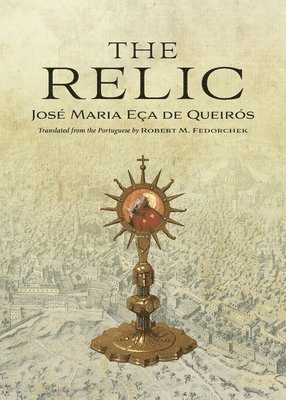
The Relic tells the story of an orphaned young man, Teodorico Raposo, who is brought to Lisbon from a provincial town in Portugal to live with his aunt, a rigid, stern—and oftentimes—forbidding Catholic. Her devout circle of acquaintances is made up almost entirely of priests, many of whom are more concerned with appearances than spirituality, and seeking her and their approval, Teodorico is driven to attend Mass, say rosaries, and frequent churches, all the while awakening to sensuality, women, and the material life in conflict with "Auntie's" devotions, which are—inwardly—devoid of the charity preached by Christ.When Teodorico obtains a degree from the University of Coimbra, Auntie sends him to the Holy Land to search for a relic to cure her ills. He meets up with a learned German author and, after a sojourn to Egypt, the two make their way to the land trod by Jesus. It is there that Teodorico has the dream that takes up nearly one third of the novel: he witnesses the travails that lead to the Passion and Crucifixion, as well as the aftermath of Christ's death.Faced now with his mission, Teodorico embarks on a search. He soon comes upon an item, a "true" relic authenticated by his German friend, the sanctity of which will send Auntie to the heights of spiritual bliss, so much so that she will make him her heir. But when Teodorico returns to Lisbon with it, deception awaits her as the result of a simple mistake that had been made, and disinheritance awaits him as a result of Auntie's anger and vindictiveness.
687 kr
Skickas inom 5-8 vardagar
505 kr
Skickas inom 3-6 vardagar
237 kr
Skickas inom 5-8 vardagar
355 kr
Skickas inom 5-8 vardagar
142 kr
Skickas
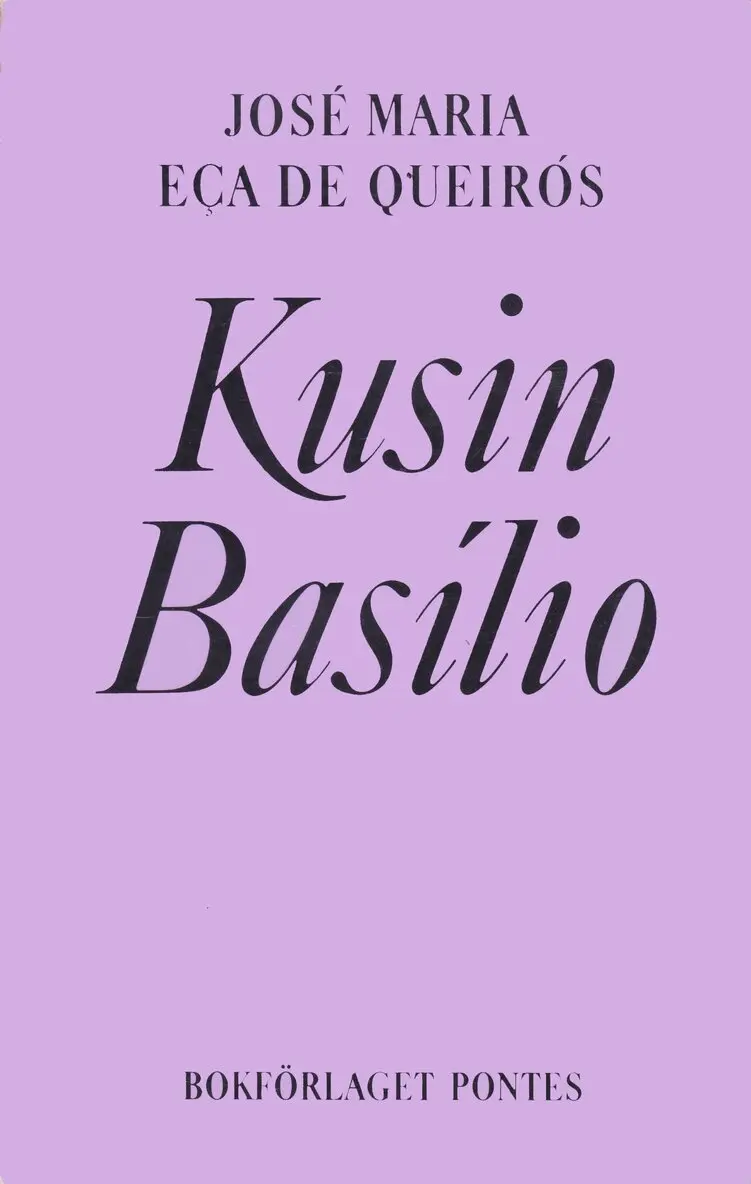
José Maria Eça de Queirós (1845-1900) är en av Portugals största författare och hans romaner har utgivits på engelska, tyska, franska och flera andra språk. Ingen av hans böcker har emellertid översatts till svenska tidigare, och föreliggande översättning av en av hans bästa romaner bidar därför till att fylla ett stort tomrum. Eça de Queirós är en berättare inom den realistiska genren och hans framställning utmärks av ironiska iakttagelser, satirisk skärpa och humoristisk klarsyn samtidigt som den speglar författarens djupa inlevelse och medkänsla. Handlingen i ”Kusin Basílio” kretsar kring ett äktenskapsbrott och utvecklas efter hand till en intrig med starka känslor och oväntade förvecklingar, och samtidigt framträder ett panorama över portugisiskt familje- och samhällsliv under 1800-talets senare hälft. Den förtätade atmosfären, de skarpt tecknade porträtten, de detaljrika och levande miljöskildringarna och tidsbilderna från ett svunnet Lissabon och sist men inte minst fulländande språket samverkar till att göra denna roman till ett konstverk. Denna roman utspelar sig i ett portugisiskt borgarhem med huvudstaden som fond. ”På ett raffinerat sätt ökar författaren spänningen i boken, och medan gasljusens, spårvagnarnas och hästdroskornas Lissabon passerar revy sugs man in i berättelsen likt i en malström.” – Pontus Persson i Ystads Allehanda ”Eça de Queirós är en utomordentlig skildrare av miljöer, av livet på gatorna, på de små sjabbiga hotellen för tillfälliga förbindelser, på barerna och kaféerna och i det centrum för djungeltelegrafen som São Carlosoperan var. I sin skenbara objektivitet ger han en obarmhärtig bild av samhället i den portugisiska huvudstaden.” – Kjell A Johansson i Dagens Nyheter ”Det är en spännande berättelse som håller en fången från början till slut, i oro och vånda, men också munterhet och skratt. Det skakande och allmängiltiga i denna historia om otrohet ligger i att förförelsen inte kommer som en följd av vantrivsel och förtryck utan gladeligen spirar ur en stilla harmoni som bara inte vet sitt eget bästa.” – Knut Ahnlund i Svenska Dagbladet