Joseph G. Rosa - Böcker
Visar alla böcker från författaren Joseph G. Rosa. Handla med fri frakt och snabb leverans.
6 produkter
6 produkter
327 kr
Skickas inom 7-10 vardagar
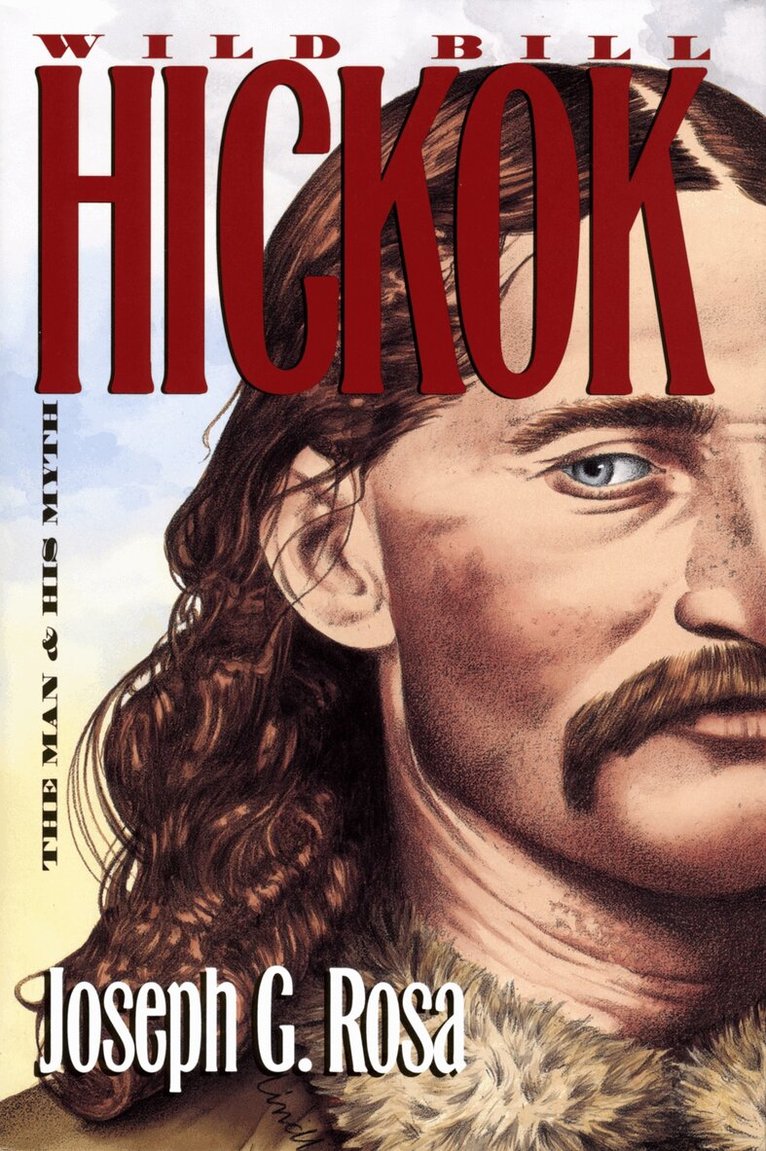
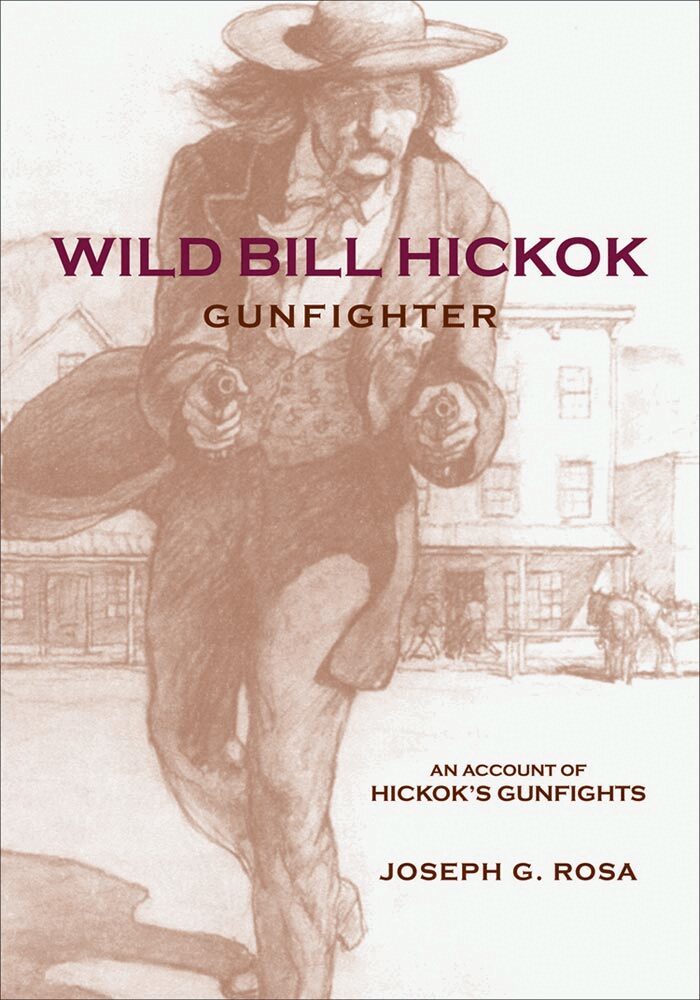
Eulogised and ostracised, James Butler Hickok was alternately labelled courageous, affable, and self-confident; cowardly, cold-blooded, and drunken; a fine specimen of manhood; an overdressed dandy with perfumed hair; an unequaled marksman; and a poor shot. Born in Illinois in 1837, he was shot dead in Deadwood only 39 years later. By then both famous and infamous, he was widely known as ""Wild Bill"". Excavating the reality behind the myth, this text delves into the exploits and ego that defined Hickok, and shows how the man was overtaken by his own legend. Rosa exposes a controversial and charismatic man - army and Indian scout, wagon master, courier, frontiersman, gunfighter, lawman, prospector, addicted gambler, and actor - who was elevated from regional fame to national notoriety by inadvertently being in the right place at the right time. Aggrandized in an 1867 ""Harper's New Monthly Magazine"" article, Hickok reluctantly embraced his exaggerated role in a far-fetched story that has inspired writers, folklorists and movie moguls. Dime novelists sensationalised him. Biographers praised and criticised. Gary Cooper portrayed him sensitively, Douglas Kennedy villainously, and Charles Bronson laconically. Howard Keel played him romantically (albeit historically incorrectly) against Doris Day's Calamity Jane. Culminating four decades of research on Wild West legends, this work aims to provide an accurate account of the larger-than-life character whose reported accomplishments - both real and imaginary - in Kansas, Missouri, and the surrounding territory frequently brought him unwanted publicity. Setting the record straight, Rosa exposes some of the deliberate lies that vested Hickok with a ""man-killer"" reputation he didn't deserve. The book shows that the number of men he killed is probably a lot closer to ten than to the more than 100 he is often credited with. Establishing the role an overzealous press and fortune-seeking dime novelists played in immortalising Wild Bill, Rosa reveals how myths were initiated and perpetuated to glorify the 19th-century frontier. He also illuminates why imaginative accounts of unorthodox heroes continue to skew our understanding of this era of American history.
328 kr
Skickas inom 3-6 vardagar
239 kr
Skickas inom 10-15 vardagar
238 kr
Skickas inom 5-8 vardagar
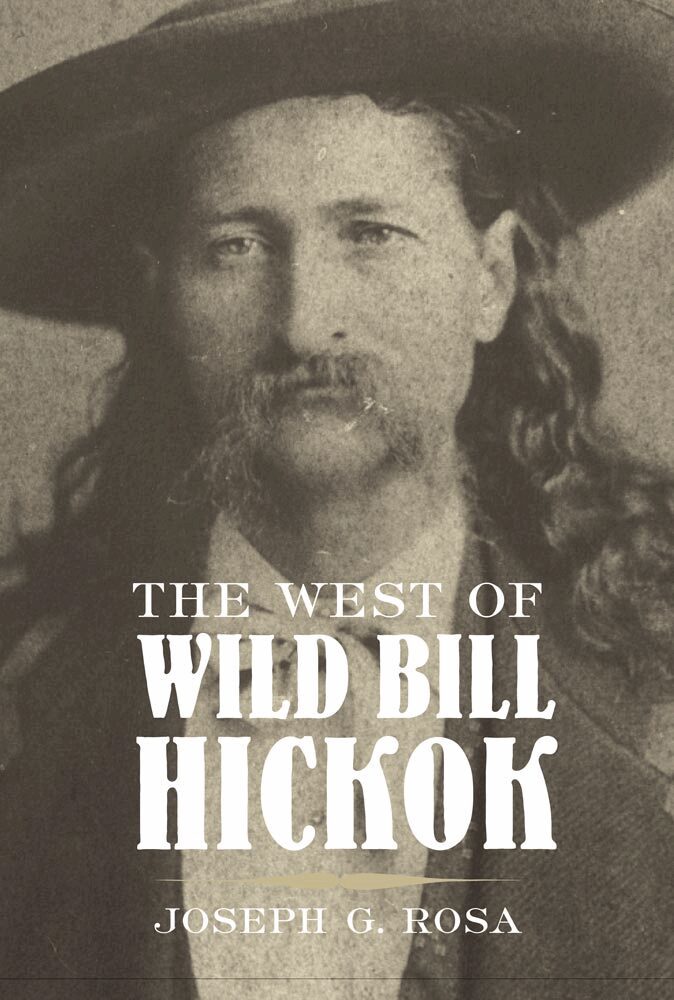
Of all the Old West figures whose images eventually found their way into our popular culture, none was better known than Wild Bill Hickok. This book, a companion volume to Joseph Rosa's exhaustive biography, They Called Him Wild Bill, reproduces in one volume nearly all the known portraits of Wild Bill, together with photographs of his family, his friends, his foes, and the places that knew him.
214 kr
Skickas inom 5-8 vardagar
247 kr
Skickas inom 10-15 vardagar
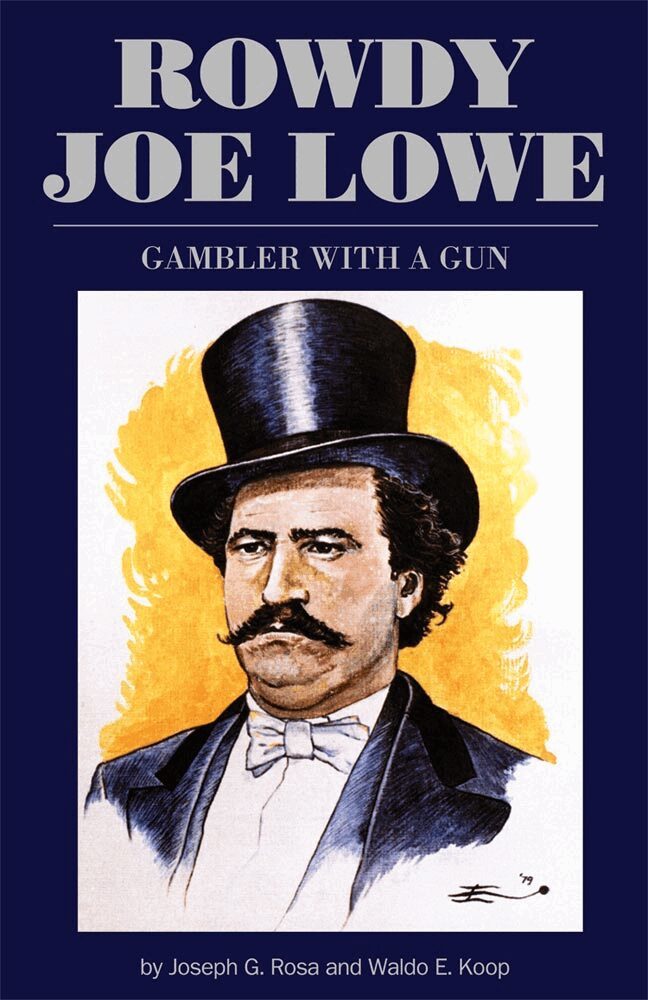
A view into the smoke-filled saloons, brothels, and gambling ""hells"" of the frontier WestJoseph Lowe attracted trouble the way a magnet draws iron. Eventually this strange talent cost him his life, but not before he had made his mark in a good many towns of the frontier West. ""Rowdy Joe,"" folks called him. He was every bit of that and more.The life that earned him his nickname began after the Civil War, when he mustered out of the Union Army and went West. He apparently worked as a mule skinner and at other jobs before getting into the entertainment business - saloons, dance halls, gambling parlors, brothels - at Ellsworth, Kansas.In this book the authors explain how taxation was used to control and manipulate what some called ""this evil in our midst."" In telling the story of Joe Lowe and his place in frontier history, they also focus on the measures taken by city councils to extract cash from the ""locusts of lechery"" in an effort to curtail their activities.Communities that employed police to enforce local ordinances and state laws found that enforced taxation was not only less deadly than the six-shooter, but more productive. Harsh fines could be imposed for ""soliciting"" or running a saloon or ""house"" without a license, and in this manner the city benefited from revenue paid for the privilege of remaining in business. Some like Lowe refused to pay, but invariably they met defeat.When things got hot in Kansas, Joe tried Texas, and then Colorado. It was in Denver that Joe got drunk once too often, repeatedly antagonized a former policeman, and was shot and killed.Rowdy Joe Lowe is a view into the smoke-filled saloons, brothels, and gambling ""hells"" of those who prospered or perished amongst the pasteboard pirates, pimps, or other characters of the frontier West.