Joseph H. Berke – författare
Visar alla böcker från författaren Joseph H. Berke. Handla med fri frakt och snabb leverans.
14 produkter
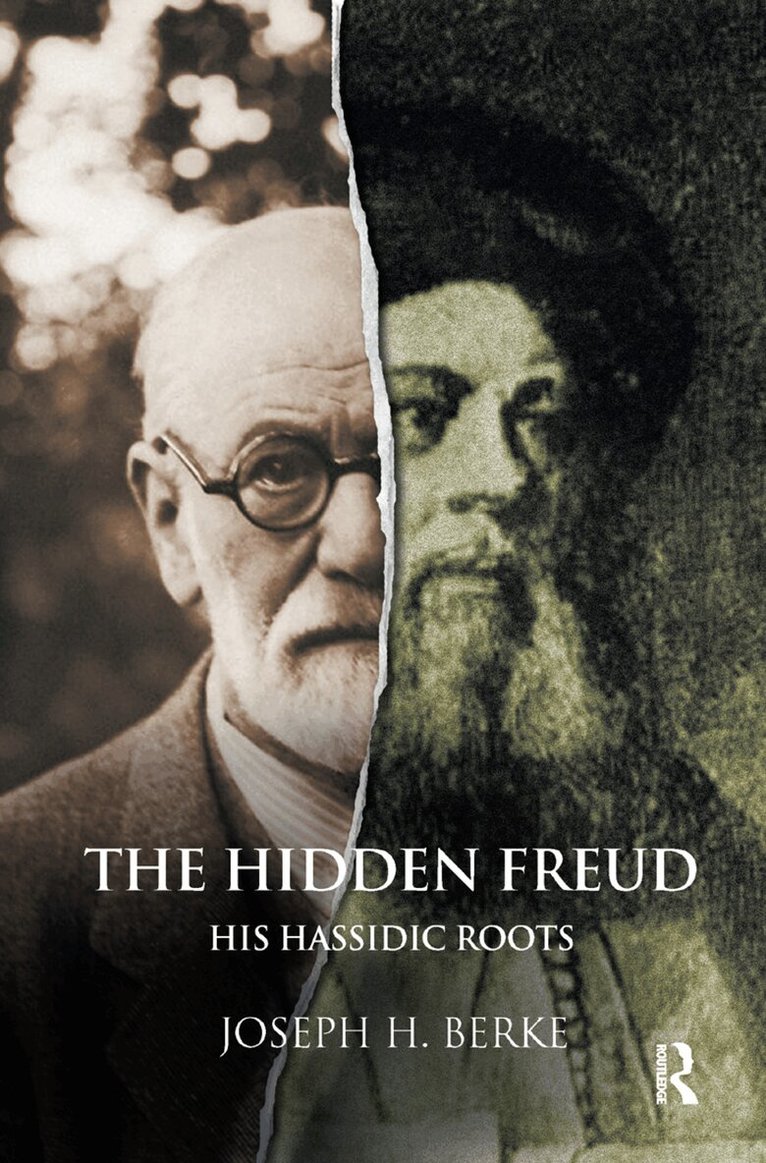
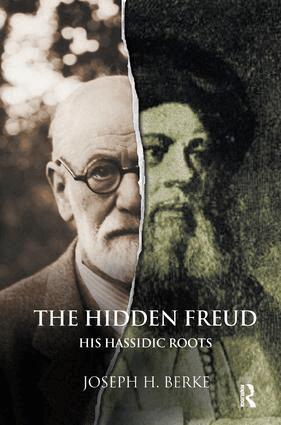
Hidden Freud
His Hassidic Roots
Inbunden, 2019
2433 kr
Lägg i varukorg
This book explores Sigmund Freud and his Jewish roots and demonstrates the input of the Jewish mystical tradition into Western culture via psychoanalysis. It shows how Freud utilized the Jewish mystical tradition to develop a science of subjectivity.
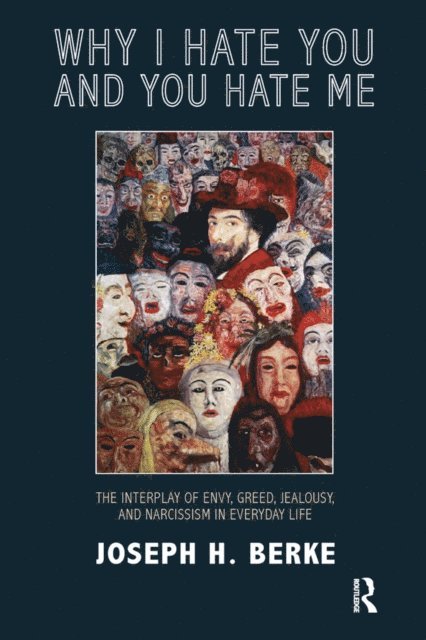
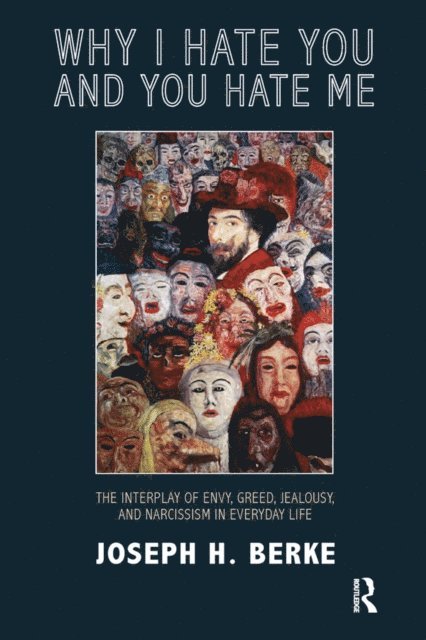
Why I Hate You and You Hate Me
The Interplay of Envy, Greed, Jealousy and Narcissism in Everyday Life
Inbunden, 2019
2433 kr
Lägg i varukorg
This book considers the experience of envy, greed, jealousy, and narcissism and how they operate between parents and children, brothers and sisters. It focuses on the object of these harmful emotions, what attracts malice to them, and how they may arouse it.
Even Paranoids Have Enemies
New Perspectives on Paranoia and Persecution
Av Joseph H. Berke, Stella Pierides m. fl.
Häftad, 1998
665 kr
Lägg i varukorg
'Even paranoids have enemies' is the reply Golda Meir is said to have made to Henry Kissinger who, during the 1973 Sinai talks, accused her of being paranoid for hesitating to grant further concessions to the Arabs. It is used as part of the title of this book to highlight the complex relationship …
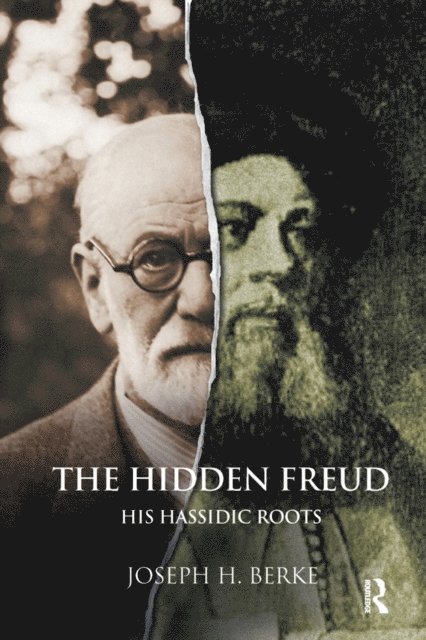
Hidden Freud
His Hassidic Roots
E-bok, 2018
676 kr
Lägg i varukorg
This book explores Sigmund Freud and his Jewish roots and demonstrates the input of the Jewish mystical tradition into Western culture via psychoanalysis. It shows how Freud utilized the Jewish mystical tradition to develop a science of subjectivity.
Why I Hate You and You Hate Me
The Interplay of Envy, Greed, Jealousy and Narcissism in Everyday Life
E-bok, 2018
589 kr
Lägg i varukorg
This book considers the experience of envy, greed, jealousy, and narcissism and how they operate between parents and children, brothers and sisters. It focuses on the object of these harmful emotions, what attracts malice to them, and how they may arouse it.
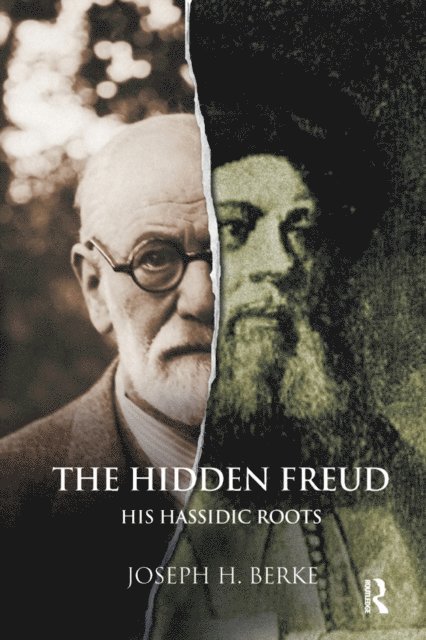
Hidden Freud
His Hassidic Roots
E-bok, 2018
676 kr
Lägg i varukorg
This book explores Sigmund Freud and his Jewish roots and demonstrates the input of the Jewish mystical tradition into Western culture via psychoanalysis. It shows how Freud utilized the Jewish mystical tradition to develop a science of subjectivity.
Why I Hate You and You Hate Me
The Interplay of Envy, Greed, Jealousy and Narcissism in Everyday Life
E-bok, 2018
589 kr
Lägg i varukorg
This book considers the experience of envy, greed, jealousy, and narcissism and how they operate between parents and children, brothers and sisters. It focuses on the object of these harmful emotions, what attracts malice to them, and how they may arouse it.
Centers of Power
The Convergence of Psychoanalysis and Kabbalah
Av Joseph H. Berke, Stanley R. Schneider
Inbunden, 2007
1512 kr
Lägg i varukorg
Kabbalah and psychoanalysis are conceptions about the nature of reality. The former is over two thousand years old. The latter has been formalized less than a hundred years ago. Nonetheless they are parallel journeys of discovery that have forever altered not only what we see, but the very nature …
Centers of Power
The Convergence of Psychoanalysis and Kabbalah
Av Joseph H. Berke, Stanley R. Schneider
Häftad, 2008
691 kr
Lägg i varukorg
Kabbalah and psychoanalysis are conceptions about the nature of reality. The former is over two thousand years old. The latter has been formalized less than a hundred years ago. Nonetheless they are parallel journeys of discovery that have forever altered not only what we see, but the very nature …
Centers of Power
The Convergence of Psychoanalysis and Kabbalah
Av Joseph H. Berke, Stanley R. Schneider
E-bok, 2008
779 kr
Lägg i varukorg
Kabbalah and psychoanalysis are conceptions about the nature of reality. The former is over two thousand years old. The latter has been formalized less than a hundred years ago. Nonetheless they are parallel journeys of discovery that have forever altered not only what we see, but the very nature …
Even Paranoids Have Enemies
New Perspectives on Paranoia and Persecution
Av Stanley Schneider, Andrea Sabbadini m. fl.
E-bok, 2006
593 kr
Lägg i varukorg
''Even paranoids have enemies'' is the reply Golda Meir is said to have made to Henry Kissinger who, during the 1973 Sinai talks, accused her of being paranoid for hesitating to grant further concessions to the Arabs. It is used as part of the title of this book to highlight the complex …
Even Paranoids Have Enemies
New Perspectives on Paranoia and Persecution
Av Stanley Schneider, Andrea Sabbadini m. fl.
E-bok, 2006
606 kr
Lägg i varukorg
''Even paranoids have enemies'' is the reply Golda Meir is said to have made to Henry Kissinger who, during the 1973 Sinai talks, accused her of being paranoid for hesitating to grant further concessions to the Arabs. It is used as part of the title of this book to highlight the complex …
Hidden Freud
His Hassidic Roots
Häftad, 2015
557 kr
Lägg i varukorg
This book explores Sigmund Freud and his Jewish roots and demonstrates the input of the Jewish mystical tradition into Western culture via psychoanalysis. It shows in particular how the ideas of Kabbalah and Hassidism have profoundly influenced and enriched our understanding of mental processes and …
Why I Hate You and You Hate Me
The Interplay of Envy, Greed, Jealousy and Narcissism in Everyday Life
Häftad, 2012
557 kr
Lägg i varukorg
'Man' himself is the source of the dark forces against which he is constantly struggling. The book shows how is possible to transcend this basic malice by knowing how, what, why and when it arises. Envy, greed, jealousy and narcissism (the flip side of envy) are the essential components of the …