Joseph J. Hobbs – författare
Visar alla böcker från författaren Joseph J. Hobbs. Handla med fri frakt och snabb leverans.
6 produkter
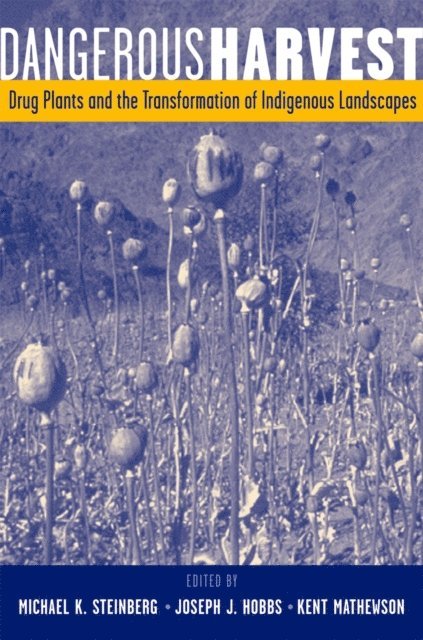
Dangerous Harvest
Drug Plants and the Transformation of Indigenous Landscapes
Av Kent Mathewson, Joseph J. Hobbs m. fl.
E-bok, 2004
359 kr
Lägg i varukorg
The global drug trade and its associated violence, corruption, and human suffering create global problems that include political and military conflicts, ethnic minority human rights violations, and stresses on economic development. Drug production and eradication affects the stability of many …
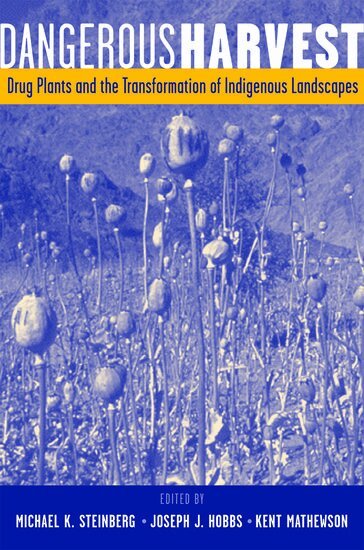
Dangerous Harvest
Drug Plants and the Transformation of Indigenous Landscapes
Av Michael K. Steinberg, Joseph J. Hobbs m. fl.
Häftad, 2004
569 kr
Lägg i varukorg
The global drug trade and its associated violence, corruption, and human suffering create global problems that include political and military conflicts, ethnic minority human rights violations, and stresses on economic development. Drug production and eradication affects the stability of many …
Dangerous Harvest
Drug Plants and the Transformation of Indigenous Landscapes
Av Kent Mathewson, Joseph J. Hobbs m. fl.
E-bok, 2004
359 kr
Lägg i varukorg
The global drug trade and its associated violence, corruption, and human suffering create global problems that include political and military conflicts, ethnic minority human rights violations, and stresses on economic development. Drug production and eradication affects the stability of many …
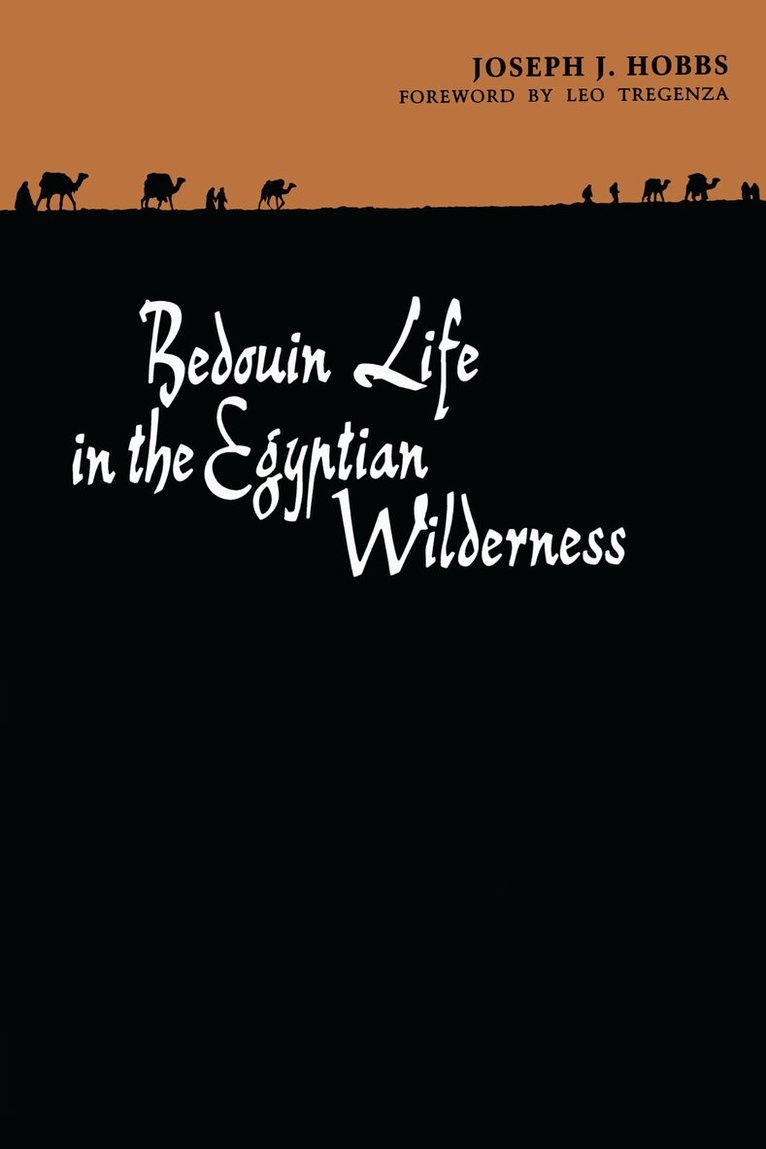
Bedouin Life in the Egyptian Wilderness
Häftad, 1992
219 kr
Lägg i varukorg
Between the Nile River and the Red Sea, in the northern half of Egypt's Eastern Desert, live the Bedouins of the Ma'aza tribe. Joseph Hobbs lived with the Khushmaan Ma'aza clan for almost two years, gathering information for a study of traditional Bedouin life and culture. The resulting work, …
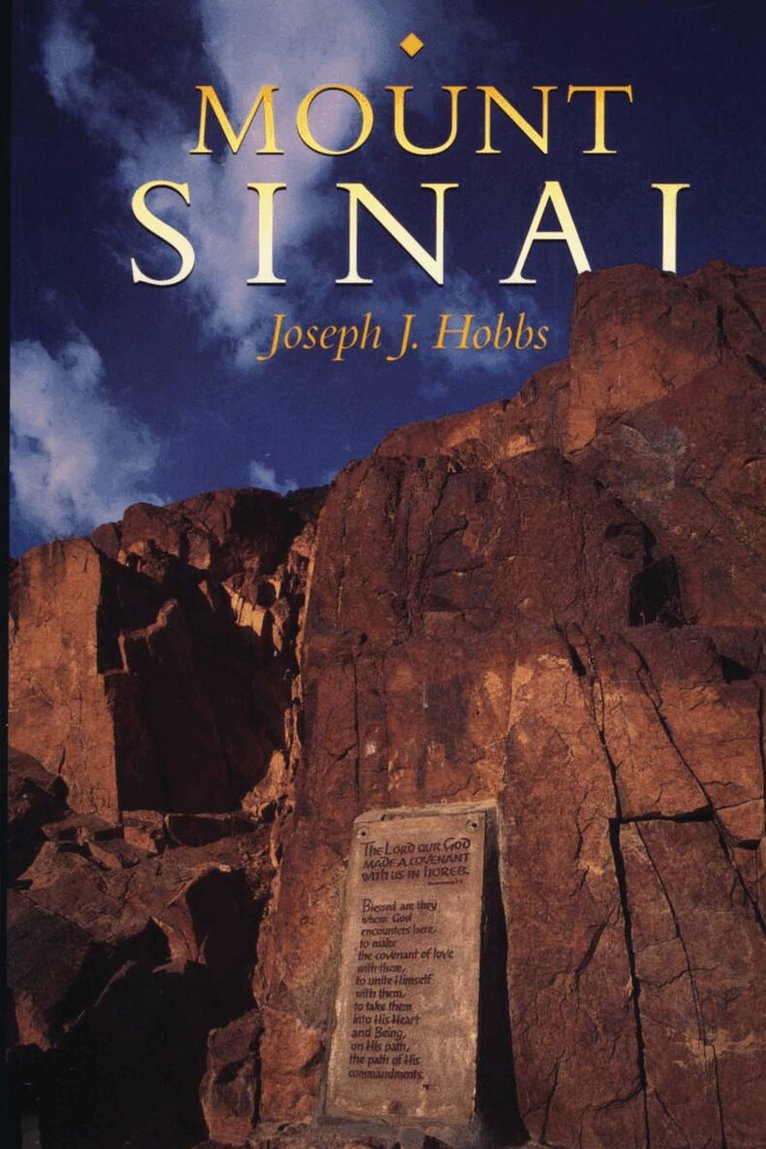
Mount Sinai
Häftad, 1995
389 kr
Lägg i varukorg
Amid the high mountains of Egypt's southern Sinai Peninsula stands Jebel Musa, "Mount Moses," revered by most Christians and Muslims as Mount Sinai. (Jewish tradition holds that Mount Sinai should remain terra incognita, unlocated, and does not associate it with this mountain.) In this fascinating …
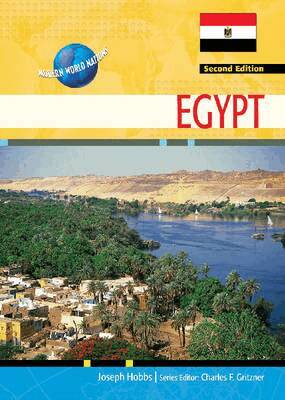
Egypt
Av Joseph J. Hobbs, Charles F. Gritzner
Inbunden, 2007
351 kr
Tillfälligt slut
Egypt lies at a crossroads between Africa, Asia, and Europe and is the largest country in the Middle East. In terms of population, it ranks 15th in the world. Most of its 79 million residents live near the Nile River, which is the country's most prominent geographical feature and the world's …