Michael K. Steinberg – författare
Visar alla böcker från författaren Michael K. Steinberg. Handla med fri frakt och snabb leverans.
3 produkter
3 produkter
503 kr
Skickas inom 5-8 vardagar
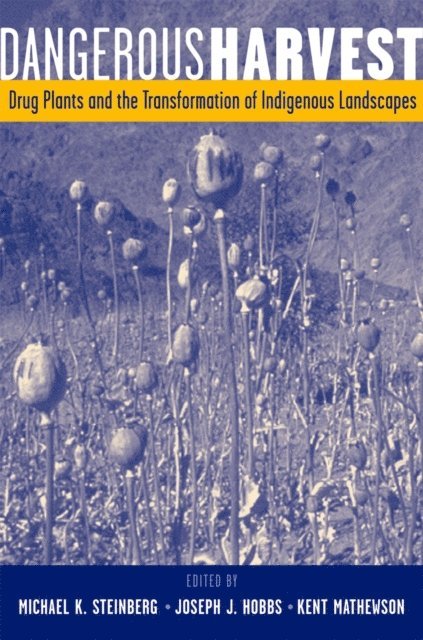
The global drug trade and its associated violence, corruption, and human suffering create global problems that include political and military conflicts, ethnic minority human rights violations, and stresses on economic development. Drug production and eradication affects the stability of many states, shaping and sometimes distorting their foreign policies. External demand for drugs has transformed many indigenous cultures from using local agricultural activity to being enmeshed in complex global problems.Dangerous Harvest presents a global overview of indigenous peoples' relations with drugs. It presents case studies from various cultural landscapes that are involved in drug plant production, trade, and use, and examines historical uses of illicit plant substances. It continues with coverage of eradication efforts, and the environmental impact of drug plant production. In its final chapter, it synthesizes the major points made and forecasts future directions of crop substitution programs, international eradication efforts, and changes in indigenous landscapes. The book helps unveil the farmer, not to glamorize those who grow drug plants but to show the deep historical, cultural, and economic ties between farmer and crop.
314 kr
Skickas inom 10-15 vardagar
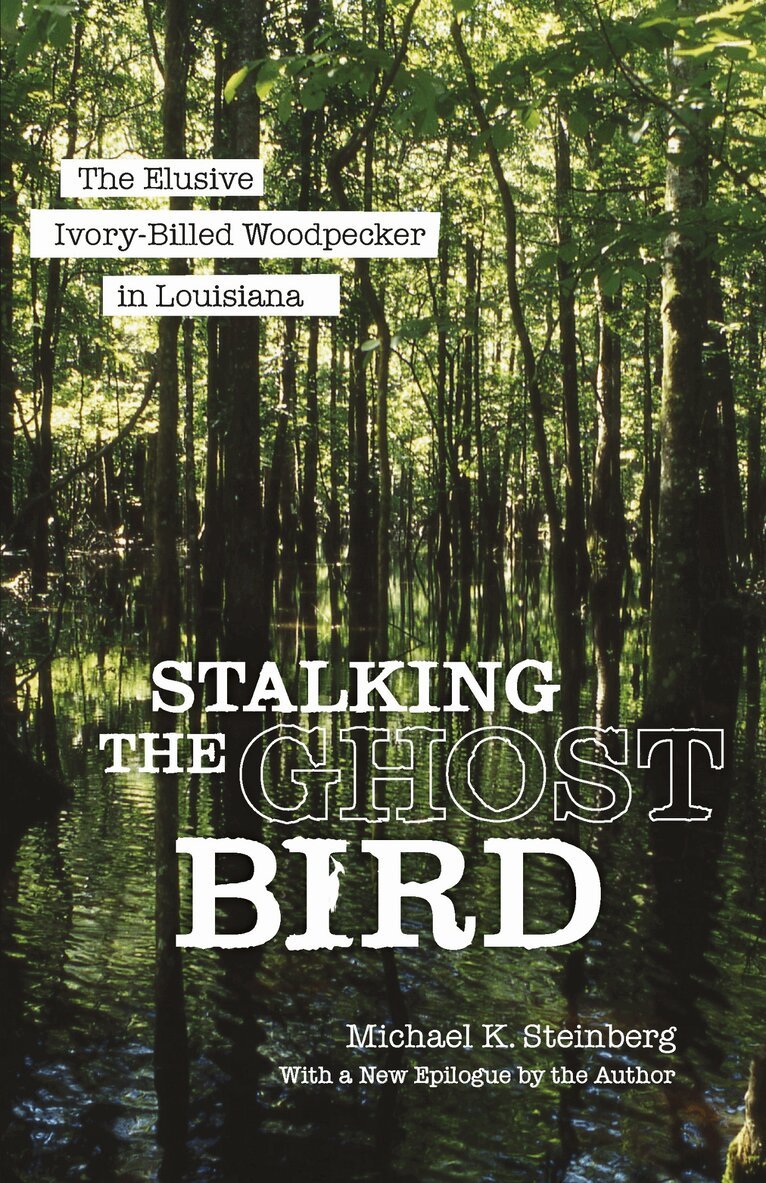
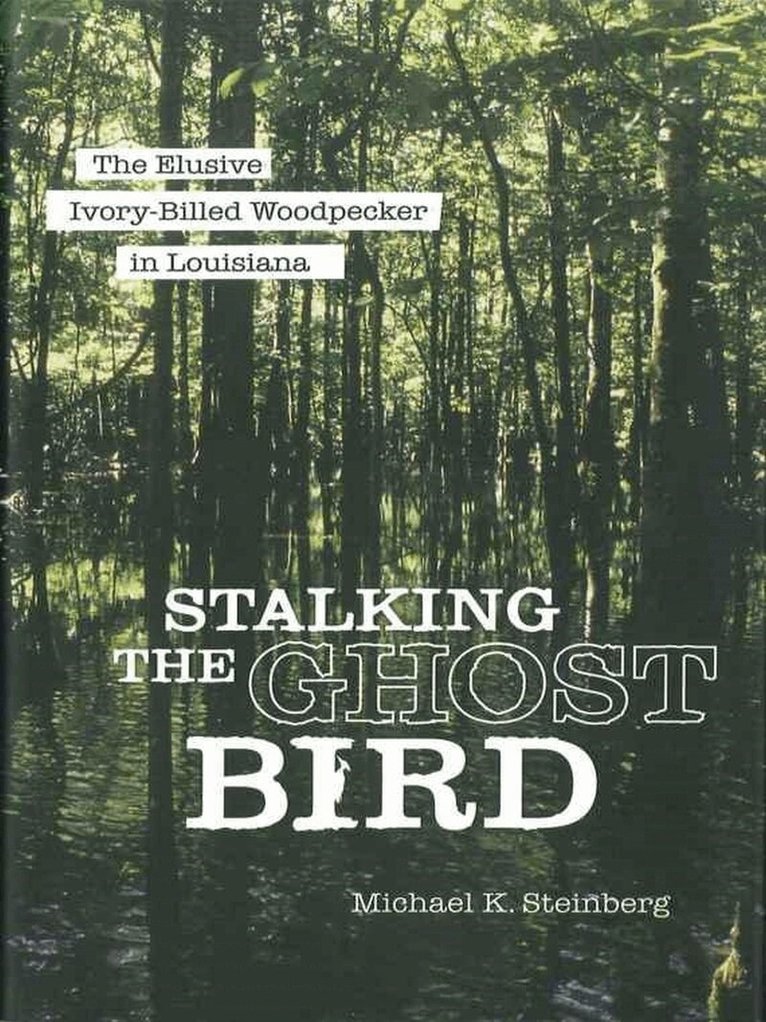
When a kayaker thought he spotted an ivory-billed woodpecker in 2004, the birding community took notice. Two birders traveled to the bayou where the sighting occurred, well aware that the last confirmed sighting of an ivory-bill had taken place over sixty years ago. Both men caught a glimpse of the bird, and a team began to search the surrounding swamplands. Even after long hours of surveillance and multiple sightings, the scientists cautiously refused to disclose their rediscovery of the extinct bird until they captured it on film. At last, armed with a short video and sound clip, they published their findings in Science, triggering a frenzy of media coverage and sparking a controversy among birders and scientists who continue to disagree about whether the bird really still exists.In Stalking the Ghost Bird, Michael K. Steinberg engages the lengthy debate over the ivory-bill's status by examining the reported sightings and extensive efforts to find the rare bird in Louisiana. Louisiana has long been at the center of the ivory-bill's story. John James Audubon wrote about the bird and its habitat during his stay in St. Francisville, and scientists James Tanner and George Lowery studied the ivory-bill in Louisiana in the 1930s and 1940s. More recently, bird experts have conducted targeted searches in Louisiana. Steinberg discusses these and other scientific expeditions, and he catalogs reported ivory-bill sightings since the 1950s, using a detailed timeline that includes both dates and specific locations.Interviews with conservation officials, ornithologists, and native Louisianans illuminate the ongoing controversy and explore why the ivory-bill, more than any other bird, arouses so much attention. Steinberg meets elderly residents of the Atchafalaya Basin who saw the ivory-bill while hunting in the 1930s and even ate the bird-which they called the "forest turkey"-during hard times. He paddles into Two O'Clock Bayou with one wildlife professor and travels to a cypress-filled wildlife refuge with the director of Louisiana's Nature Conservancy. His interviews illustrate how expert opinions vary, as well as how much local non-experts know.Steinberg also explores in detail the human impact on both the ivory-bill and its bottomland forest habitat, explains how forest-management practices in the South may pose problems for an ivory-bill recovery, and outlines where future searches for the bird should take place. In this absorbing study, Steinberg turns his lifelong interest in the majestic ivory-billed woodpecker into a tale that encapsulates both the mystery and intrigue surrounding the legendary bird and our fascination with it.
764 kr
Skickas inom 7-10 vardagar
The brook trout (Salvelinus fontinalis) is an iconic species among fly anglers and cold-water conservationists in eastern North America. This fish registers as a powerful symbol for its beauty and its imagery in art and literature. Its presence also tells us a great deal about the health of the larger environment. When an angler has a brook trout in hand, there is confidence that the water is close to pristine. Besides being an important indicator species, the brook trout, with its gold and reddish markings and its camouflaged green and black back, is one of the most beautiful freshwater fish in North America. And beyond the beauty of the fish itself, the environment in which it is found is also part of its past and present appeal. To fish for brook trout is often to fish in the last remote and rugged landscapes in the East, “fishscapes” that have not been polluted by stocking trucks that dump nonnative brown and rainbow trout in most of the East’s accessible cold waterways.Searching for Home Waters is part science, part environmental history, and part personal journey of the author, Michael K. Steinberg, and those he interviewed during his travels. The work takes a broad perspective that examines the status of brook trout in the eastern United States, employing a “landscape” approach. In other words, brook trout do not exist in a vacuum; they are impacted by logging, agriculture, fishing policies, suburban development, mining, air pollution, and climate change. Thus, while the book focuses specifically on the status and management of the brook trout—from Georgia to Labrador—it also tells the larger story of the status of the eastern environment. As a “pilgrimage,” this book is also a journey of the heart and contains Steinberg’s personal reflections on his relationship with the brook trout and its geography.