Joseph Logsdon - Böcker
Visar alla böcker från författaren Joseph Logsdon. Handla med fri frakt och snabb leverans.
2 produkter
2 produkter
325 kr
Skickas inom 10-15 vardagar
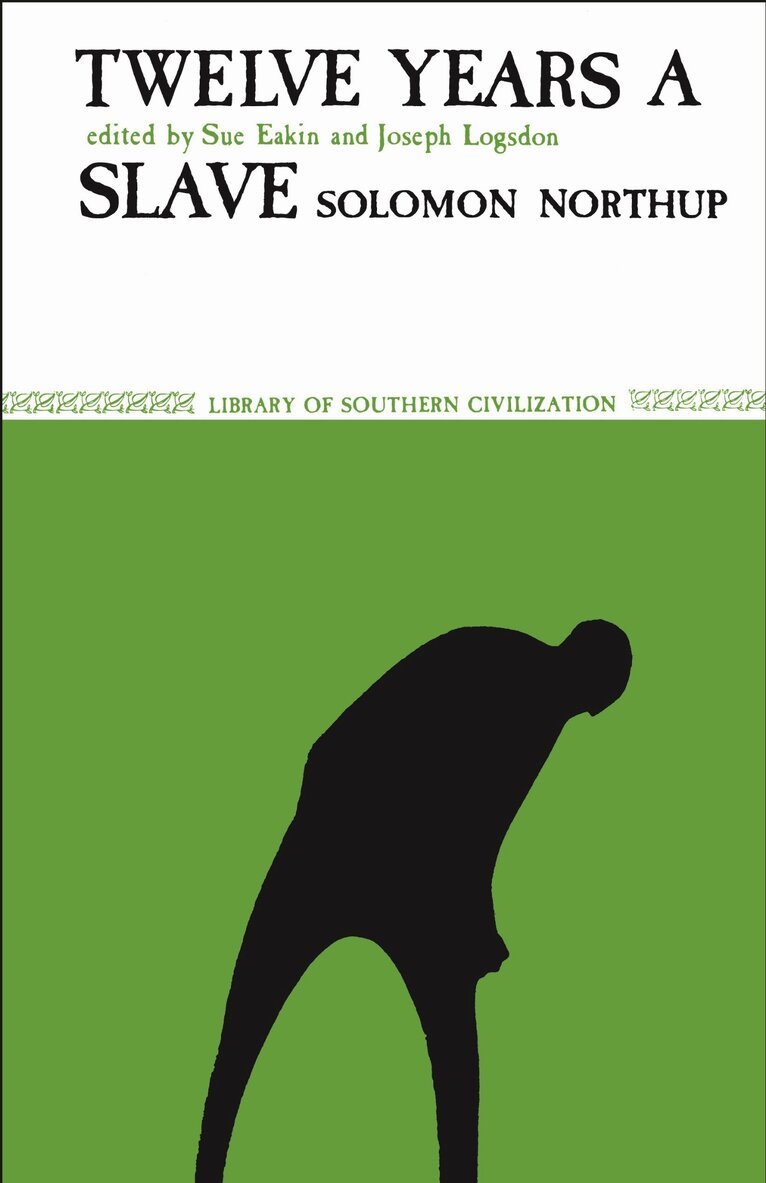
Solomon Northup was a free man, the son of an emancipated Negro Slave. Until the spring of 1841 he lived a simple, uneventful life with his wife and three children in Upstate New York. Then, suddenly, he fell victim to a series of bizarre events that make this one of the most amazing autobiographies ever written.Northup accepted an offer from two strangers in Saratoga, New York, to catch up with their traveling circus and play in its band. But when the chase ended, Northup had been drugged, beaten, and sold to a slave trader in Washington, D.C. Subsequently, he was shipped to New Orleans, where he was purchased by a planter in the Red River region of Louisiana. For the next twelve years Northup lived as a chattel slave under several masters. He might well have died a slave, except for another set of bizarre circumstances which enabled him to get word to his family and finally regain his freedom.These elements alone -- the kidnapping, enslavement, and rescue -- are sufficient for a sensational story. But Northup provides more. He was a shrewd observer of people and events. His memory was remarkable. He described cultivation of cotton and sugar in the Deep South. He detailed the daily routine and general life of the Negro slave. Indeed, he vividly portrayed the world of slavery -- from the underside.Originally published in 1853, Northup's autobiography is regarded as one of the best accounts of American Negro slavery ever written by a slave. It is reprinted in full here for the first time, as the initial volume in The Library of Southern civilisation.Northup's account has been carefully checked by the editors and has been found to be remarkably accurate. To his own narrative of a long and tragic adventure, Professors Eakin and Logsdon have added significant new details about Northup and the plantation country where he spent most of his time as a slave. Heretofore unknown information about the capture and trial of Northup's kidnappers has been included, adding still another fascinating episode to an already astounding story.
381 kr
Skickas inom 10-15 vardagar
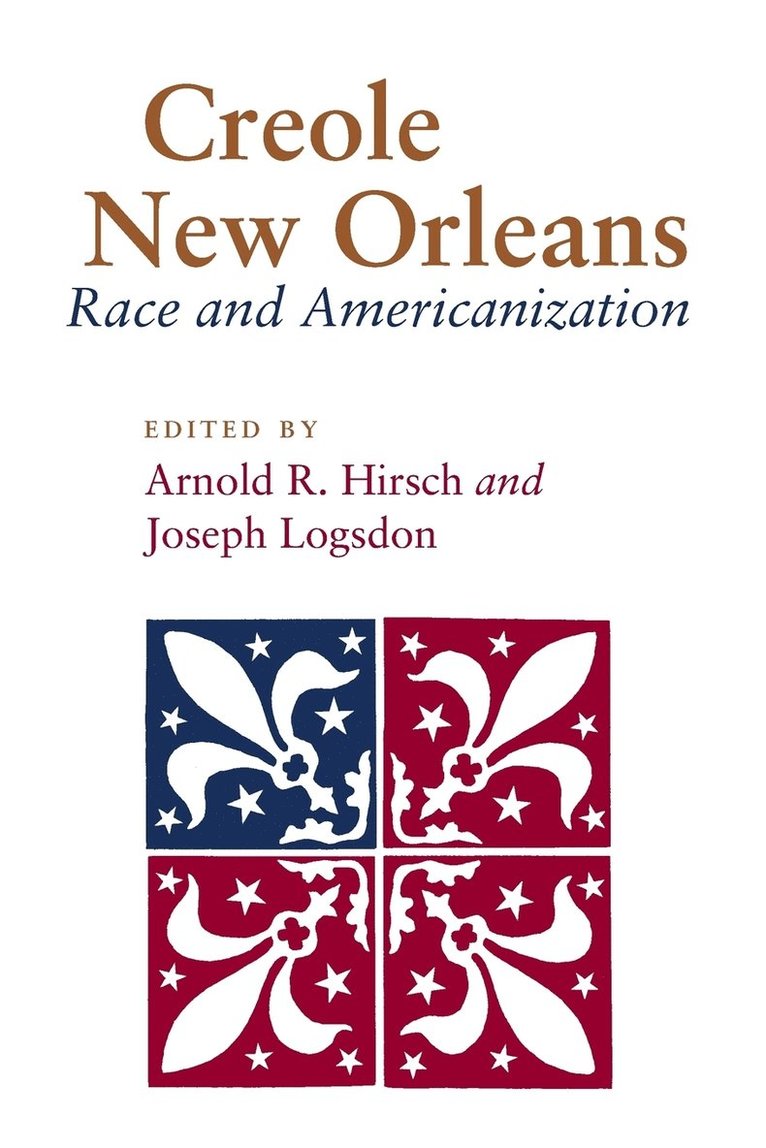
This collection of six original essays explores the peculiar ethnic composition and history of New Orleans, which the authors persuasively argue is unique among American cities. The focus of Creole New Orleans is on the development of a colonial Franco-African culture in the city, the ways that culture was influenced by the arrival of later immigrants, and the processes that led to the eventual dominance of the Anglo-American community.Essays in the book's first section focus not only on the formation of the curiously blended Franco-African culture but also on how that culture, once established, resisted change and allowed New Orleans to develop along French and African creole lines until the early nineteenth century. Jerah Johnson explores the motives and objectives of Louisiana's French founders, giving that issue the most searching analysis it has yet received. Gwendolyn Midlo Hall, in her account of the origins of New Orleans' free black population, offers a new approach to the early history of Africans in colonial Louisiana.The second part of the book focuses on the challenge of incorporating New Orleans into the United States. As Paul F. LaChance points out, the French immigrants who arrived after the Louisiana Purchase slowed the Americanization process by preserving the city's creole culture. Joesph Tregle then presents a clear, concise account of the clash that occurred between white creoles and the many white Americans who during the 1800s migrated to the city. His analysis demonstrates how race finally brought an accommodation between the white creole and American leaders.The third section centers on the evolution of the city's race relations during the nineteenth and twentieth centuries. Joseph Logsdon and Caryn Cossé Bell begin by tracing the ethno-cultural fault line that divided black Americans and creole through Reconstruction and the emergence of Jim Crow. Arnold R. Hirsch pursues the themes discerned by Logsdon and Bell from the turn of the century to the 1980s, examining the transformation of the city's racial politics.Collectively, these essays fill a major void in Louisiana history while making a significant contribution to the history of urbanization, ethnicity, and race relations. The book will serve as a cornerstone for future study of the history of New Orleans.