Joseph McAleer – författare
Visar alla böcker från författaren Joseph McAleer. Handla med fri frakt och snabb leverans.
7 produkter
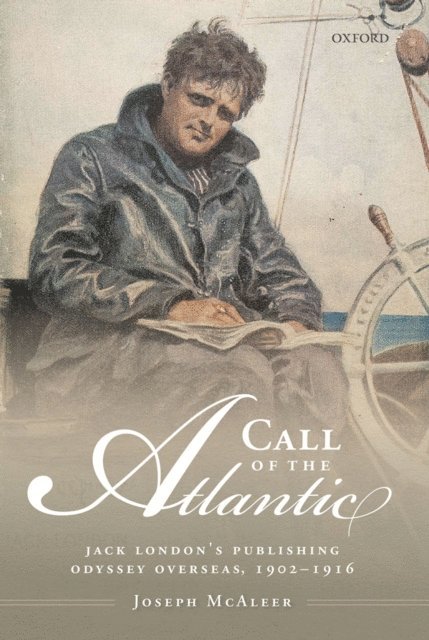
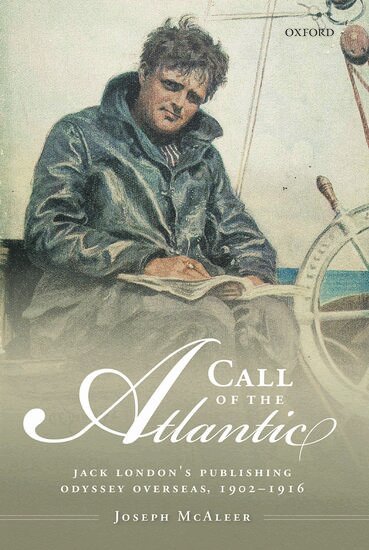
Call of the Atlantic
Jack London's Publishing Odyssey Overseas, 1902-1916
E-bok, 2015
1160 kr
Lägg i varukorg
Jack London (1876-1916) is one of the most popular American authors in the world today. Two novels, The Call of the Wild and White Fang , are regarded as literary classics and have never been out of print. His forty-four published books, and hundreds of short stories and essays have been translated …
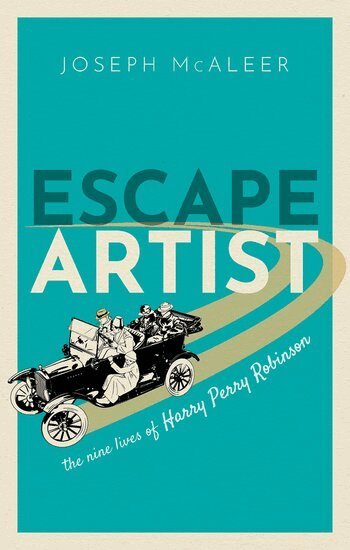
Escape Artist
The Nine Lives of Harry Perry Robinson
E-bok, 2020
221 kr
Lägg i varukorg
The life of Sir Harry Perry Robinson (1859-1930) unfolds like a Boy''s Own adventure. Born in India and educated at Oxford, Harry fled to the United States to make his name and fortune. After a stint in the gold mines of the American West, he became a major force in the railroad industry and helped …
Escape Artist
The Nine Lives of Harry Perry Robinson
E-bok, 2020
221 kr
Lägg i varukorg
The life of Sir Harry Perry Robinson (1859-1930) unfolds like a Boy''s Own adventure. Born in India and educated at Oxford, Harry fled to the United States to make his name and fortune. After a stint in the gold mines of the American West, he became a major force in the railroad industry and helped …
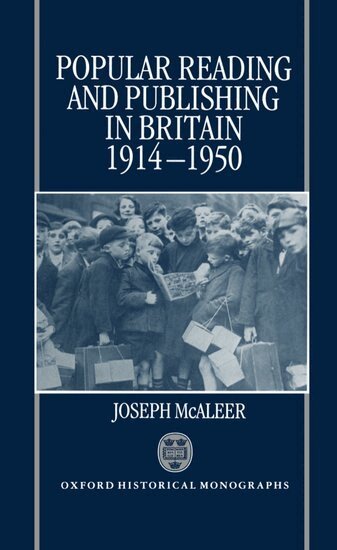
Popular Reading and Publishing in Britain 1914-1950
Inbunden, 1992
1050 kr
Lägg i varukorg
Before the advent of television, reading was among the most popular of leisure activities. `Light' fiction - romances, thrillers, westerns - was the sustenance of millions in wartime and in peace. This lively and scholarly study examines the size and complexion of the reading public and the …
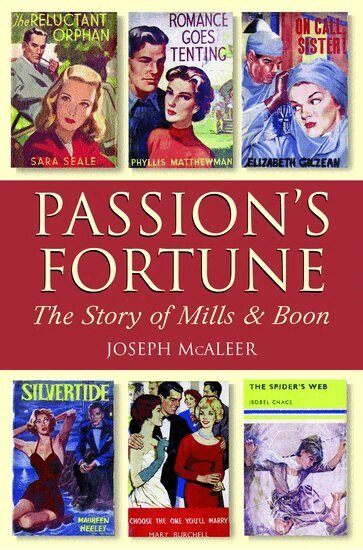
Passion's Fortune
The Story of Mills & Boon
Inbunden, 1999
2257 kr
Lägg i varukorg
This is the first history of Mills & Boon, the British publishing phenomenon which has become a household name, synonymous with romantic fiction. On the firm's 90th anniversary, Joseph McAleer has written the first history of Mills & Boon, drawing upon a long-lost archive of over 50,000 letters …
Call of the Atlantic
Jack London's Publishing Odyssey Overseas, 1902-1916
Inbunden, 2015
2102 kr
Lägg i varukorg
Jack London (1876-1916) is one of the most popular American authors in the world today. Two novels, The Call of the Wild and White Fang, are regarded as literary classics and have never been out of print. His forty-four published books, and hundreds of short stories and essays have been translated …
Escape Artist
The Nine Lives of Harry Perry Robinson
Inbunden, 2020
224 kr
Lägg i varukorg
The life of Sir Harry Perry Robinson (1859-1930) unfolds like a Boy's Own adventure. Born in India and educated at Oxford, Harry fled to the United States to make his name and fortune. After a stint in the gold mines of the American West, he became a major force in the railroad industry and helped …