Joseph S. Alter - Böcker
Visar alla böcker från författaren Joseph S. Alter. Handla med fri frakt och snabb leverans.
9 produkter
9 produkter
1 089 kr
Skickas inom 3-6 vardagar
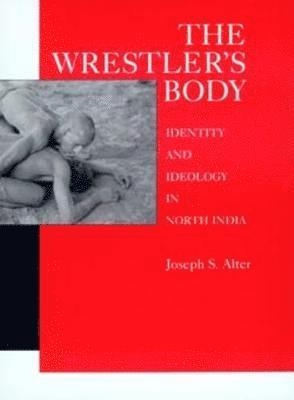
"The Wrestler's Body" tells the story of a way of life organized in terms of physical self-development. While Indian wrestlers are competitive athletes, they are also moral reformers whose conception of self and society is fundamentally somatic. Using the insights of anthropology, Joseph Alter writes an ethnography of the wrestler's physique that elucidates the somatic structure of the wrestler's identity and ideology. Young men in North India may choose to join an akhara, or gymnasium, where they subject themselves to a complex program of physical and moral fitness. Alter's first-hand description of each detail of the wrestler's regimen offers a unique perspective on South Asian culture and society. Wrestlers feel that moral reform of Indian national character is essential and advocate their way of life as an ideology of national health. Everyone is called on to become a wrestler and build collective strength through self-discipline.
400 kr
Skickas inom 7-10 vardagar
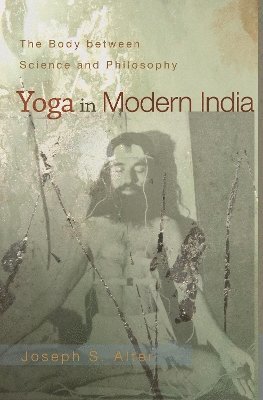
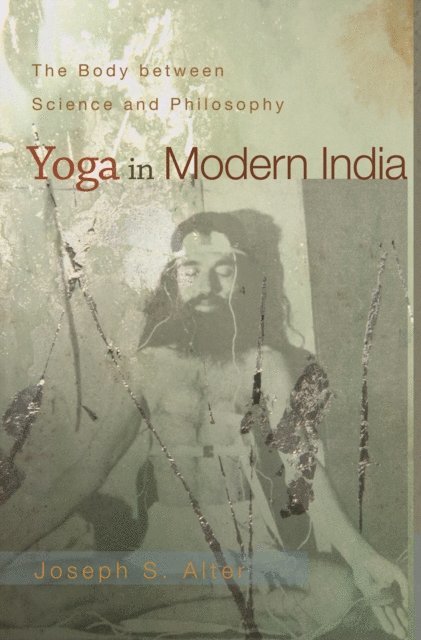
Yoga has come to be an icon of Indian culture and civilization, and it is widely regarded as being timeless and unchanging. Based on extensive ethnographic research and an analysis of both ancient and modern texts, Yoga in Modern India challenges this popular view by examining the history of yoga, focusing on its emergence in modern India and its dramatically changing form and significance in the twentieth century. Joseph Alter argues that yoga's transformation into a popular activity idolized for its health value is based on modern ideas about science and medicine. Alter centers his analysis on an interpretation of the seminal work of Swami Kuvalayananda, one of the chief architects of the Yoga Renaissance in the early twentieth century. From this point of orientation he explores current interpretations of yoga and considers how practitioners of yogic medicine and fitness combine the ideas of biology, physiology, and anatomy with those of metaphysics, transcendence, and magical power.The first serious ethnographic history of modern yoga in India, this fluently written book is must reading not only for students and scholars but also practitioners who seek a deeper understanding of how yoga developed over time into the exceedingly popular phenomenon it is today.
314 kr
Skickas inom 10-15 vardagar
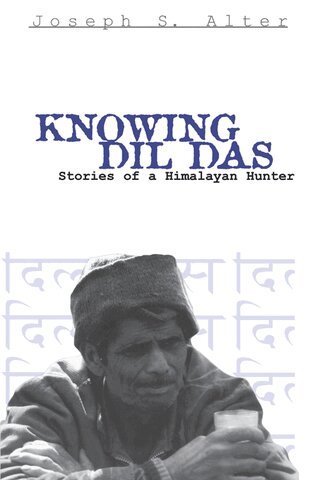
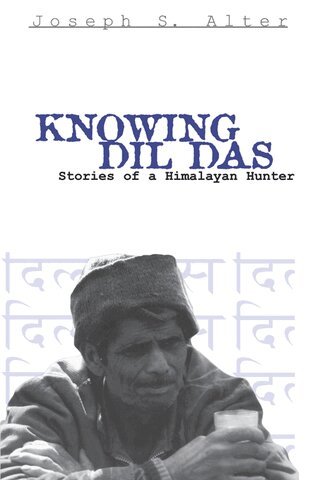
Dil Das was a poor farmer-an untouchable-living near Mussoorie, a colonial hill station in the Himalayas. As a boy he became acquainted with a number of American missionary children attending a boarding school in town and, over the years, developed close friendships with them and, eventually, with their sons. The basis for these friendships was a common passion for hunting. This passion and the friendships it made possible came to dominate Dil Das's life.When Joseph S. Alter, one of the boys who had hunted with Dil Das, became an adult and a scholar, he set out to write the life history of Dil Das as a way of exploring Garhwali peasant culture. But Alter found his friend uninterested in talking about traditional ethnographic subjects, such as community life, family, or work. Instead, Dil Das spoke almost exclusively about hunting with his American friends-telling endless tales about friendship and hunting that seemed to have nothing to do with peasant culture.When Dil Das died in 1986, Alter put the project away. Years later, he began rereading Dil Das's stories, this time from a completely new perspective. Instead of looking for information about peasant culture, he was able to see that Dil Das was talking against culture. From this viewpoint Dil Das's narrative made sense for precisely those reasons that had earlier seemed to render it useless-his apparent indifference toward details of everyday life, his obsession with hunting, and, above all, his celebration of friendship.To a degree in fact, but most significantly in Dil Das's memory, hunting served to merge his and the missionary boys' identities and, thereby, to supersede and render irrelevant all differences of class, caste, and nationality. For Dil Das the intimate experience of hunting together radically decentered the prevailing structure of power and enabled him to redefine himself outside the framework of normal social classification.Thus, Knowing Dil Das is not about peasant culture but about the limits of culture and history. And it is about the moral ambiguity of writing and living in a field of power where, despite intimacy, self and other are unequal.
744 kr
Skickas inom 10-15 vardagar
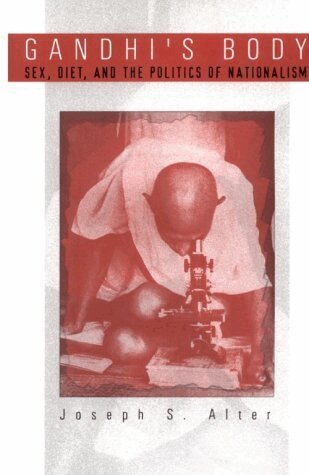
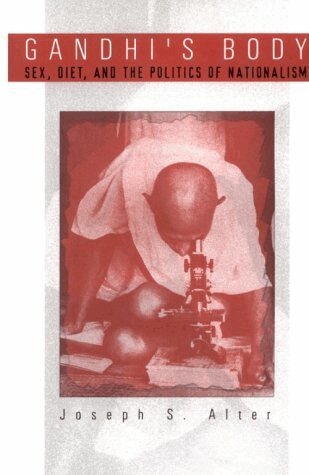
No single person is more directly associated with India and India's struggle for independence than Mahatma Gandhi. His name has equally become synonymous with the highest principles of global equality, human dignity, and freedom.Joseph Alter argues, however, that Gandhi has not been completely understood by biographers and political scholars, and in Gandhi's Body he undertakes a reevaluation of the Mahatma's life and thought. In his revisionist and iconoclastic approach, Alter moves away from the usual focus on nonviolence, peace, and social reform and takes seriously what most scholars who have studied Gandhi tend to ignore: Gandhi's preoccupation with sex, his obsession with diet reform, and his vehement advocacy for naturopathy. Alter concludes that a distinction cannot be made between Gandhi's concern with health, faith in nonviolence, and his sociopolitical agenda.In this original and provocative study, Joseph Alter demonstrates that these seemingly idiosyncratic aspects of Gandhi's personal life are of central importance to understanding his politics-and not only Gandhi's politics but Indian nationalism in general. Using the Mahatma's own writings, Alter places Gandhi's bodily practices in the context of his philosophy; for example, he explores the relationship between Gandhi's fasting and his ideas about the metaphysics of emptiness and that between his celibacy and his beliefs about nonviolence.Alter also places Gandhi's ideas and practices in their national and transnational contexts. He discusses how and why nature cure became extremely popular in India during the early part of the twentieth century, tracing the influence of two German naturopaths on Gandhi's thinking and on the practice of yoga in India. More important, he argues that the reconstruction of yoga in terms of European naturopathy was brought about deliberately by a number of activists in India-of whom Gandhi was only the most visible-interested in creating a "scientific" health regimen, distinct from Western precedents, that would make the Indian people fit for self-rule. Gandhi's Body counters established arguments that Indian nationalism was either a completely indigenous Hindu-based movement or simply a derivative of Western ideals.
647 kr
Skickas inom 10-15 vardagar
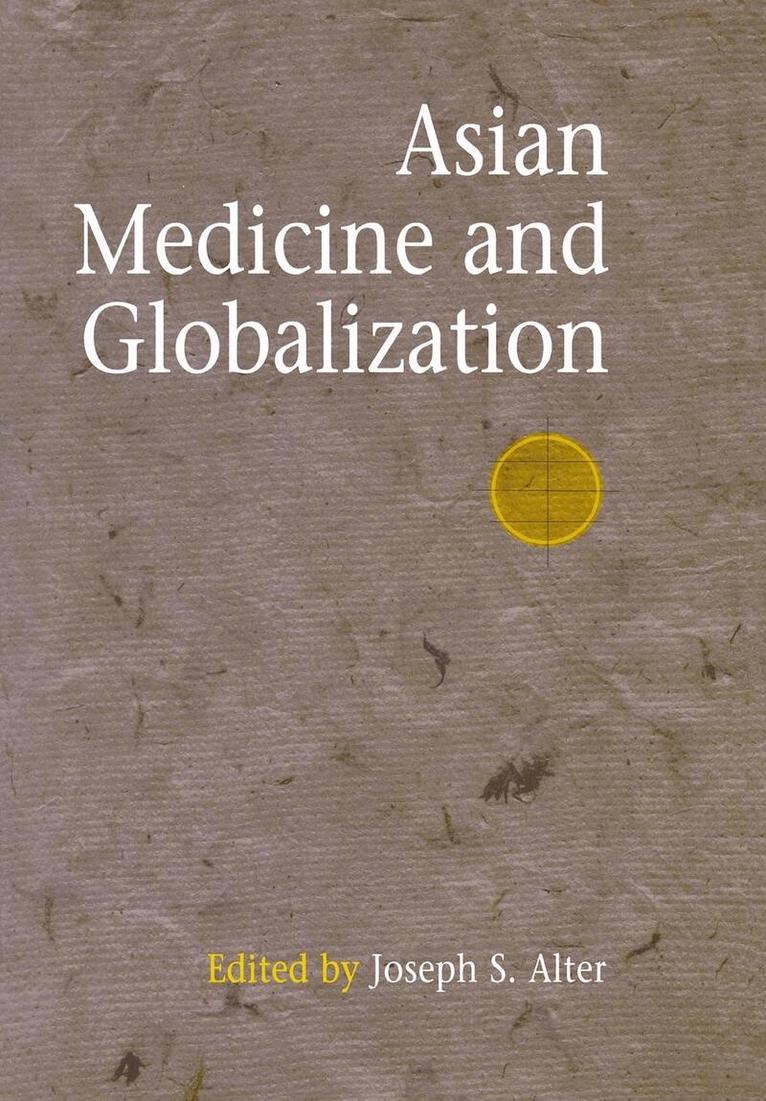
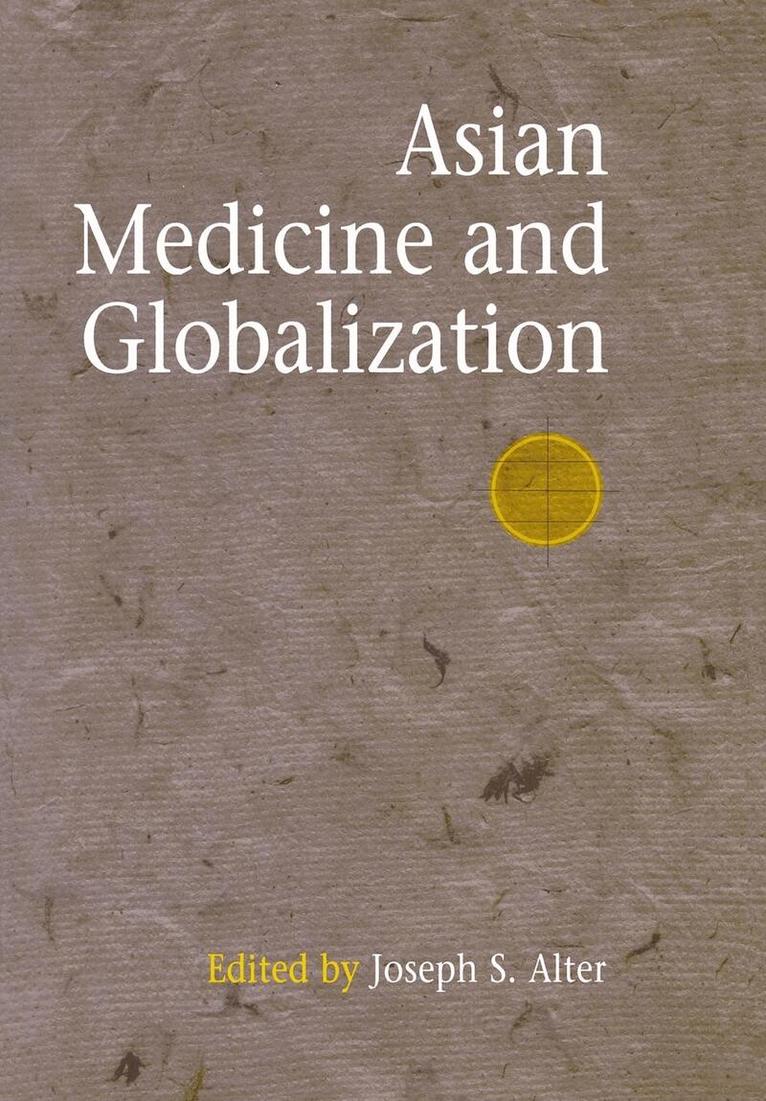
Medical systems function in specific cultural contexts. It is common to speak of the medicine of China, Japan, India, and other nation-states. Yet almost all formalized medical systems claim universal applicability and, thus, are ready to cross the cultural boundaries that contain them. There is a critical tension, in theory and practice, in the ways regional medical systems are conceptualized as "nationalistic" or inherently transnational. This volume is concerned with questions and problems created by the friction between nationalism and transnationalism at a time when globalization has greatly complicated the notion of cultural, political, and economic boundedness.Offering a range of perspectives, the contributors address questions such as: How do states concern themselves with the modernization of "traditional" medicine? How does the global hegemony of science enable the nationalist articulation of alternative medicine? How do global discourses of science and "new age" spirituality facilitate the transnationalization of "Asian" medicine? As more and more Asian medical practices cross boundaries into Western culture through the popularity of yoga and herbalism, and as Western medicine finds its way east, these systems of meaning become inextricably interrelated. These essays consider the larger implications of transmissions between cultures.
China-Latin America and the Caribbean
Infrastructure, Connectivity, and Everyday Life
Inbunden, Engelska, 2024
823 kr
Skickas inom 7-10 vardagar
A long history of migration, trade, and shared interests links China to Latin America and the Caribbean. Over the past twenty years, China has increased direct investment and restructured trade relations in the region. In addition, Chinese public sector enterprises, private companies, and various branches of the central government have planned, developed, and built a large number of infrastructure projects in Latin America and the Caribbean, such as dams, roads, railways, energy grids, security systems, telecommunication networks, hospitals, and schools. These projects have had a profound impact on local environments and economies and help shape the lived experiences of individuals. Each chapter in this volume examines how the impact of these infrastructure projects varies in different countries, focusing on how they produce new forms of global connectivity between various sectors of the economy and the resulting economic and cultural links that permeate everyday life.
1 835 kr
Kommande
New Asian Connectivitiesbrings together scholarship in the humanities, social sciences, business, and law to reimagine the nuances of regional interconnectivity in Asia and to challenge notions of boundaries and boundedness in reconceptualizing the field of Asian studies. Focusing on connections that animate Asian regionalism and the academic study of Asia, this edited volume operates in three overlapping interdisciplinary areas: the construction of cultural positionality; the interdependence of governance, policy, and legislation; and the enmeshment of regionalized political economies amid increasingly decentralized global power. These contributions foreground analyses of cultural production, economic flows, and social mobility that cut across South and Southeast Asia and extend toward East and West Asia to form new networks of regional interconnection. Pushing against the rigid boundaries of nationalized identities, state institutions, internationalized development schemes, and government-sanctioned trade policies, these essays reexamine the diverse dimensions of intra-Asian regionalism and its robustness as an approach to scholarly inquiry.
607 kr
Kommande
New Asian Connectivitiesbrings together scholarship in the humanities, social sciences, business, and law to reimagine the nuances of regional interconnectivity in Asia and to challenge notions of boundaries and boundedness in reconceptualizing the field of Asian studies. Focusing on connections that animate Asian regionalism and the academic study of Asia, this edited volume operates in three overlapping interdisciplinary areas: the construction of cultural positionality; the interdependence of governance, policy, and legislation; and the enmeshment of regionalized political economies amid increasingly decentralized global power. These contributions foreground analyses of cultural production, economic flows, and social mobility that cut across South and Southeast Asia and extend toward East and West Asia to form new networks of regional interconnection. Pushing against the rigid boundaries of nationalized identities, state institutions, internationalized development schemes, and government-sanctioned trade policies, these essays reexamine the diverse dimensions of intra-Asian regionalism and its robustness as an approach to scholarly inquiry.
748 kr
Skickas inom 7-10 vardagar
Grounded in ethnographic case studies that examine experiences from which wisdom emerges, Capturing the Ineffable provides a rigorous analysis of the sociocultural context of wisdom in the contemporary world. Each chapter in the volume deals with different aspects and showcases how communities in different contexts - nursing homes, religious organizations, corporations, and monastic institutions, for example - engage with the ineffability of wisdom.Contributors draw from a range of disciplines and cross-cultural and historical data in order to interpret the meaning and value of wisdom as a human endeavour. This book also represents an anthropological method for evaluating various philosophical and scientific approaches to understanding wisdom, including how wisdom is learned and taught. Readers will be able to appreciate how action, emotion, uncertainty, and cultural systems come to bear on wisdom as a value in human life and expression. In the end, Capturing the Ineffable reveals how the conception and paradoxical nature of wisdom dispels the dichotomies of self/other, structure/agency, known/unknown, nature/culture, and the like. What is at stake is a recasting of wisdom as a particular kind of anthropological endeavour and, thus, a return to and modification of philosophical anthropology.