Joseph S. Tiedemann - Böcker
Visar alla böcker från författaren Joseph S. Tiedemann. Handla med fri frakt och snabb leverans.
6 produkter
6 produkter
1 424 kr
Tillfälligt slut
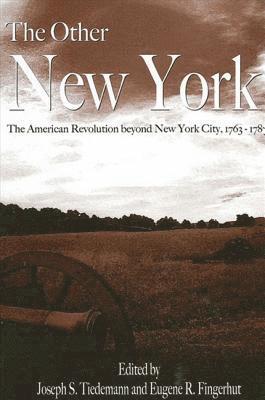
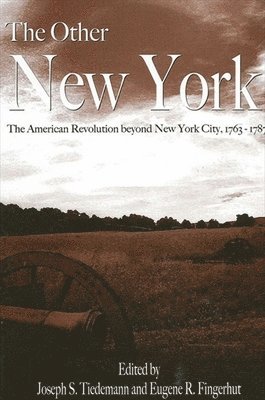
Essays exploring rural New York during the American Revolution.The Other New York provides the first comprehensive look at New York State's rural areas during the American Revolution. This county-by-county survey of the regions outside of New York City describes the social and cultural conditions on the eve of the Revolution and details the events leading up to the conflict, the battles and campaigns fought within the state, the hardships civilians experienced while creating new local governments and supplying the war effort, and postwar reconstruction efforts. It also chronicles the impact that the war had on the European Americans, Native Americans, and African Americans. These groups endured years of strife yet went on to create New York State.
394 kr
Tillfälligt slut
Essays exploring rural New York during the American Revolution.The Other New York provides the first comprehensive look at New York State's rural areas during the American Revolution. This county-by-county survey of the regions outside of New York City describes the social and cultural conditions on the eve of the Revolution and details the events leading up to the conflict, the battles and campaigns fought within the state, the hardships civilians experienced while creating new local governments and supplying the war effort, and postwar reconstruction efforts. It also chronicles the impact that the war had on the European Americans, Native Americans, and African Americans. These groups endured years of strife yet went on to create New York State.
Reluctant Revolutionaries
New York City and the Road to Independence, 1763–1776
Inbunden, Engelska, 1997
691 kr
Skickas inom 10-15 vardagar
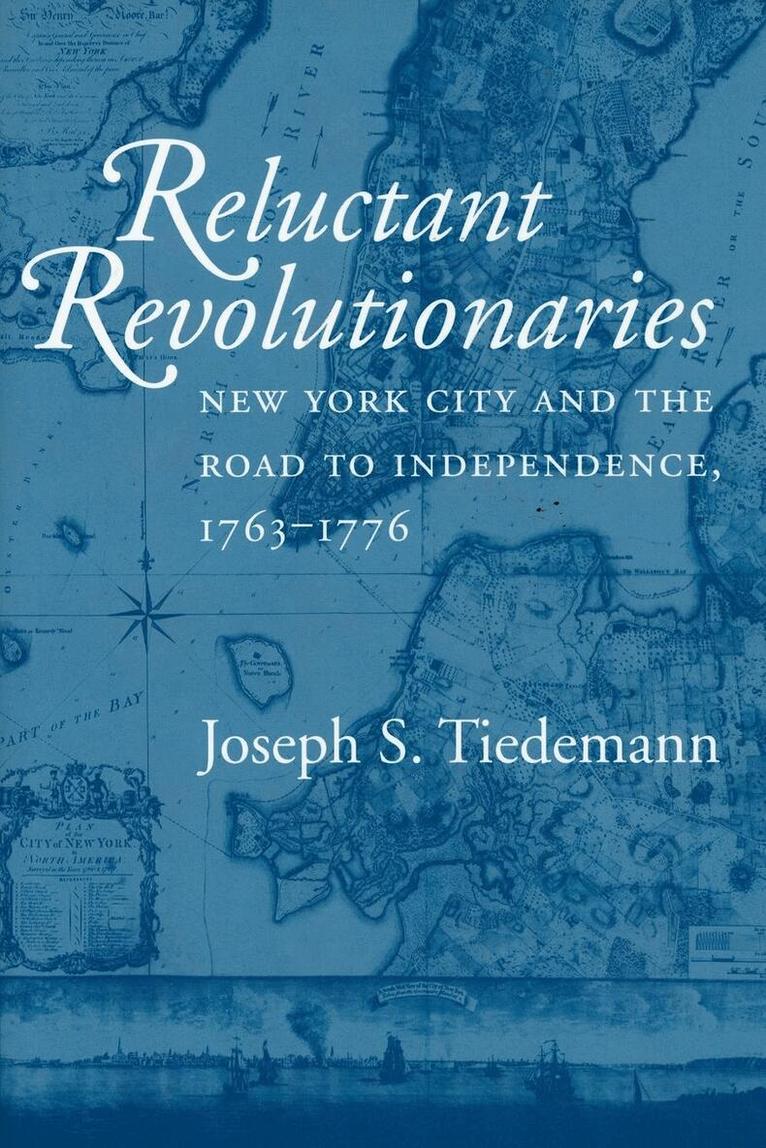
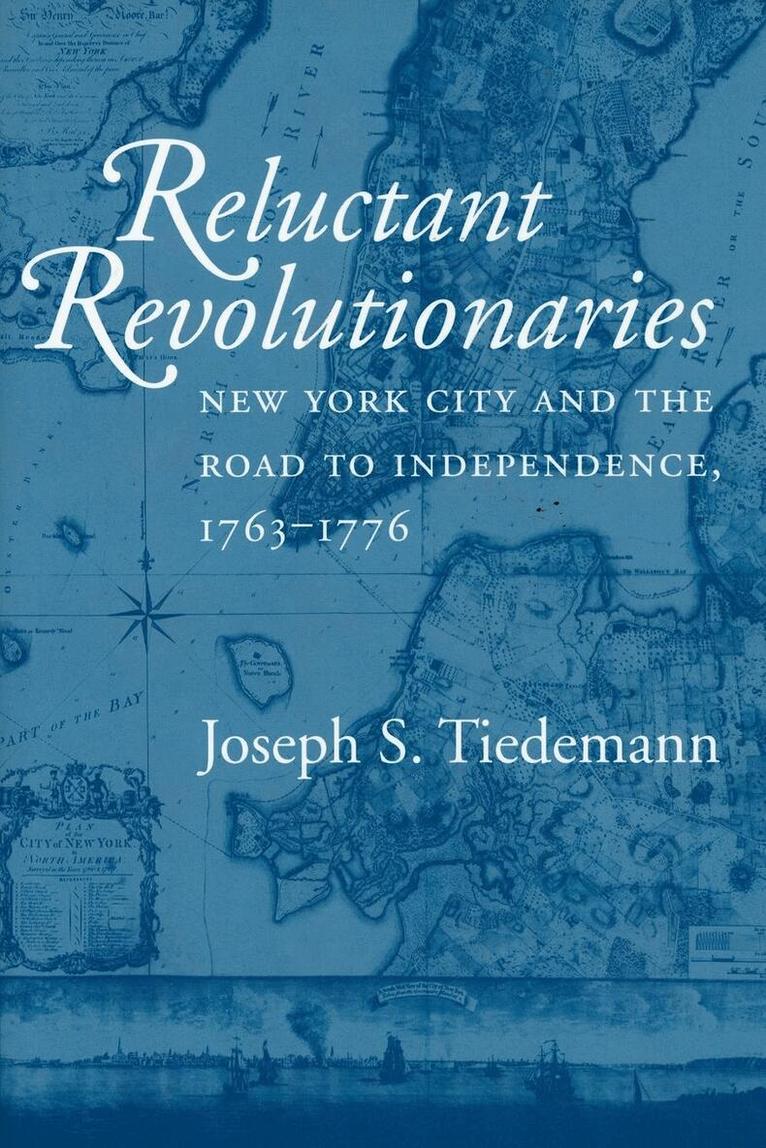
The question of why New Yorkers were such reluctant revolutionaries has long bedeviled historians. In an innovative study of New York City between 1763 and 1776, Joseph S. Tiedemann explains how conscientiously residents labored to build a consensus under difficult circumstances. New Yorkers acted the way they did not because they were mostly loyalist or because a few patrician conservatives were able to stem the tide of revolution but because the population of their city was so heterogeneous that consensus was not easily achieved.Differences within the city's pluralistic population slowed the process of hammering out a course of action acceptable to the large majority. The consensus that finally emerged had to be cautious rather than militant in order to unite as many people as possible behind the revolutionary banner. Ultimately, the time it took was far less significant, Tiedemann notes, than the fact that New York proceeded to declare independence, and went on to become a pivotal state in the new nation. In framing his argument, Tiedemann explains the limitations of interpretations offered by both progressive, New Left, and consensus historians. Citing the work of scholars as diverse as Walter Laqueur, Theda Skocpol, and Louis Kreisberg, Tiedemann pays close attention to the dynamics of British colonial rule and its impact on New York.
Reluctant Revolutionaries
New York City and the Road to Independence, 1763–1776
Häftad, Engelska, 2008
568 kr
Skickas inom 10-15 vardagar
The question of why New Yorkers were such reluctant revolutionaries has long bedeviled historians. In an innovative study of New York City between 1763 and 1776, Joseph S. Tiedemann explains how conscientiously residents labored to build a consensus under difficult circumstances. New Yorkers acted the way they did not because they were mostly loyalist or because a few patrician conservatives were able to stem the tide of revolution but because the population of their city was so heterogeneous that consensus was not easily achieved.Differences within the city's pluralistic population slowed the process of hammering out a course of action acceptable to the large majority. The consensus that finally emerged had to be cautious rather than militant in order to unite as many people as possible behind the revolutionary banner. Ultimately, the time it took was far less significant, Tiedemann notes, than the fact that New York proceeded to declare independence, and went on to become a pivotal state in the new nation. In framing his argument, Tiedemann explains the limitations of interpretations offered by both progressive, New Left, and consensus historians. Citing the work of scholars as diverse as Walter Laqueur, Theda Skocpol, and Louis Kreisberg, Tiedemann pays close attention to the dynamics of British colonial rule and its impact on New York.
Other Loyalists
Ordinary People, Royalism, and the Revolution in the Middle Colonies, 1763-1787
Inbunden, Engelska, 2009
1 018 kr
Skickas inom 7-10 vardagar
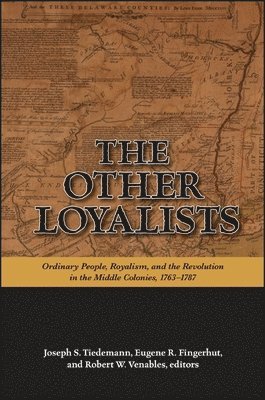
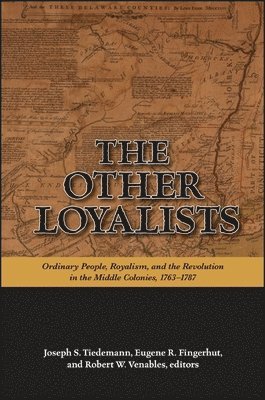
Fascinating stories of ordinary people in the Middle Colonies who remained loyal to the Crown.In The Other Loyalists we meet for the first time the ordinary people of the Middle Colonies who remained loyal to Britain during the American Revolution. The first important new scholarship in decades, these essays uncover the reasons why middle- and lower-class citizens chose to become Loyalists, how they participated in and endured the Revolution, and what happened to them because of their defeat. In unprecedented clarity we are allowed to see the tragedy, violence, and suffering of places such as the lower Delaware and Hudson valleys, the Delmarva Peninsula, western Pennsylvania, and northern Virginia. This book fills an important void in our understanding of the American Revolution, reminding us that not all Loyalists were members of the elite and that their motivations were a complicated medley of political beliefs, religious convictions, and self-interest.
Other Loyalists
Ordinary People, Royalism, and the Revolution in the Middle Colonies, 1763-1787
Häftad, Engelska, 2010
394 kr
Tillfälligt slut
Fascinating stories of ordinary people in the Middle Colonies who remained loyal to the Crown.In The Other Loyalists we meet for the first time the ordinary people of the Middle Colonies who remained loyal to Britain during the American Revolution. The first important new scholarship in decades, these essays uncover the reasons why middle- and lower-class citizens chose to become Loyalists, how they participated in and endured the Revolution, and what happened to them because of their defeat. In unprecedented clarity we are allowed to see the tragedy, violence, and suffering of places such as the lower Delaware and Hudson valleys, the Delmarva Peninsula, western Pennsylvania, and northern Virginia. This book fills an important void in our understanding of the American Revolution, reminding us that not all Loyalists were members of the elite and that their motivations were a complicated medley of political beliefs, religious convictions, and self-interest.