Joshua R. Greenberg - Böcker
Visar alla böcker från författaren Joshua R. Greenberg. Handla med fri frakt och snabb leverans.
2 produkter
2 produkter
Advocating the Man
Masculinity, Organized Labor, and the Household in New York, 1800-1840
Inbunden, Engelska, 2009
1 287 kr
Skickas inom 3-6 vardagar
Joshua R. Greenberg argues that working men's conceptions of household-based masculine obligations informed organized responses to the changing economy in early nineteenth-century New York City. Rather than a particularized class consciousness as the source of working men's identity, Greenberg claims that household issues and concerns guided workplace and political reactions to the new industrial economy. Although the contemporary breakdown of traditional artisanal households sometimes divided workers' domestic and occupational space, skilled journeymen did not ideologically, culturally, or politically experience a separate sphere of existence. As part of this household-based market engagement, working men perceived numerous obstacles to their ability to fulfill domestic responsibilities. Potential threats came in the form of financial institutions and policy, such as the power of monopolies and the proliferation of paper money. They also came in the form of competition from prison laborers and female and African American workers.In response to such threats, working men used trade unions and labor parties to champion household-based masculinity and protect their roles as breadwinners and fathers. Consulting a diverse range of sources, Greenberg demonstrates the critical relationship between the household, the workplace, and the nascent labor movement. By placing gender at the center of his examination, he challenges existing scholarship on working men and the market revolution of the early nineteenth century and critiques gender studies that envision journeymen as rowdy stereotypes. Instead, Greenberg treats these men primarily as domestic actors, relating their involvement in politics and the workplace to their household duties and obligations.
391 kr
Skickas inom 10-15 vardagar
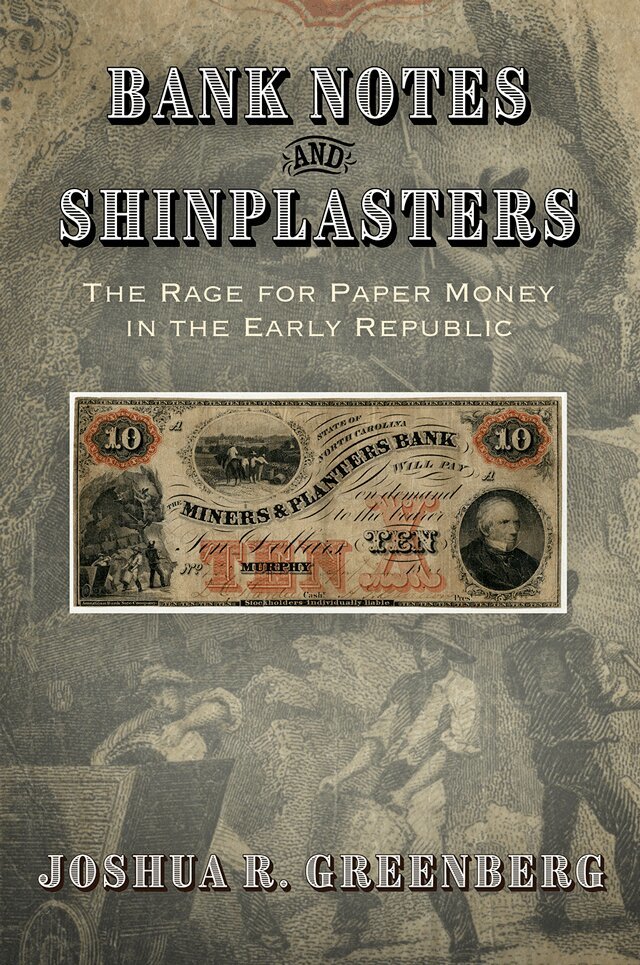
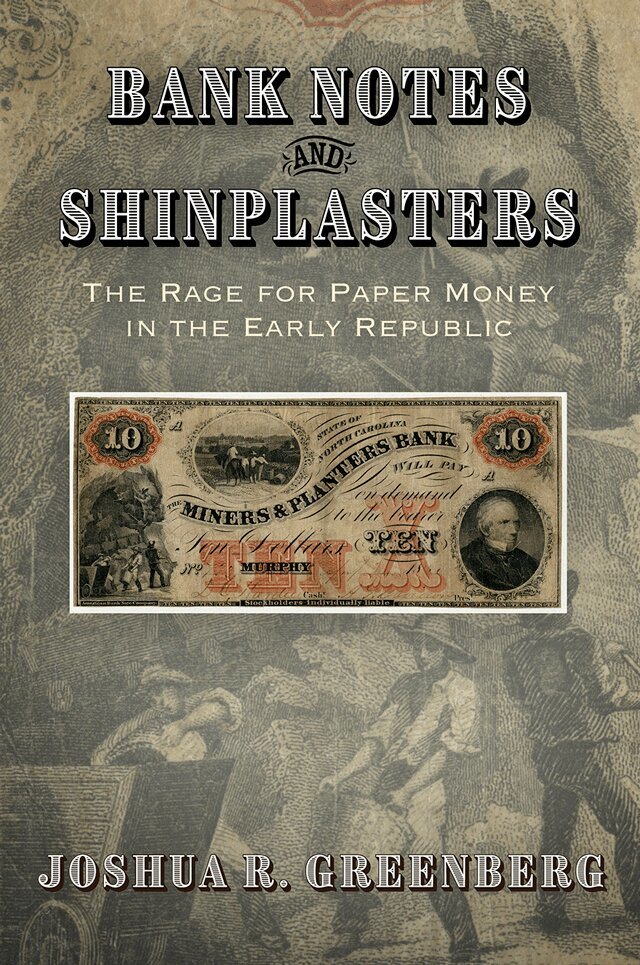
The colorful history of paper money before the Civil WarBefore Civil War greenbacks and a national bank network established a uniform federal currency in the United States, the proliferation of loosely regulated banks saturated the early American republic with upwards of 10,000 unique and legal bank notes. This number does not even include the plethora of counterfeit bills and the countless shinplasters of questionable legality issued by unregulated merchants, firms, and municipalities. Adding to the chaos was the idiosyncratic method for negotiating their value, an often manipulative face-to-face discussion consciously separated from any haggling over the price of the work, goods, or services for sale. In Bank Notes and Shinplasters, Joshua R. Greenberg shows how ordinary Americans accumulated and wielded the financial knowledge required to navigate interpersonal bank note transactions.Locating evidence of Americans grappling with their money in fiction, correspondence, newspapers, printed ephemera, government documents, legal cases, and even on the money itself, Greenberg argues Americans, by necessity, developed the ability to analyze the value of paper financial instruments, assess the strength of banking institutions, and even track legislative changes that might alter the rules of currency circulation. In his examination of the doodles, calculations, political screeds, and commercial stamps that ended up on bank bills, he connects the material culture of cash to financial, political, and intellectual history.The book demonstrates that the shift from state-regulated banks and private shinplaster producers to federally authorized paper money in the Civil War era led to the erasure of the skill, knowledge, and lived experience with banking that informed debates over economic policy. The end result, Greenberg writes, has been a diminished public understanding of how currency and the financial sector operate in our contemporary era, from the 2008 recession to the rise of Bitcoin.