Joshua R. Held - Böcker
Visar alla böcker från författaren Joshua R. Held. Handla med fri frakt och snabb leverans.
2 produkter
2 produkter
1 380 kr
Kommande
Milton's Pauline Universalism clarifies, and argues for, John Milton's universalism while acknowledging limitations that often apply in the England of this Protestant author and political figure. Milton denied ancient Christian universalism, the heretical belief that all people regardless of belief, deeds, or qualities will be saved from any negative consequences after death, including divine punishment. Yet Milton emphasized a universal offer of salvation, an Arminian approach that follows (certain texts of) Paul, leaving some aspects of Christian universalism intact in a definite and lasting sense for him. This book analyzes Pauline conceptions of universalism at work in Milton's era, based on Paul's statement that "There is neither Jew nor Greek, there is neither bond nor free, there is neither male nor female: for ye are all one in Christ Jesus." Its focus on the larger context of Paul's argument and on interpretations by Milton and other early modern thinkers reveals that Milton, by writing his major epic about the original human beings, suggests how equality might have worked, and why it degenerated after the Fall. Universal lineage from Adam and Eve entails universal guilt but points toward a shared human offer of salvation. Ultimately, this book argues that Milton maintains a robust conception of universalism, especially in his most substantive poetic work Paradise Lost, that this universalism combines theological aspects with attendant socio-political ones including race, and that important aspects of his universalism derive from the first-century Christian leader Paul.
416 kr
Skickas inom 7-10 vardagar
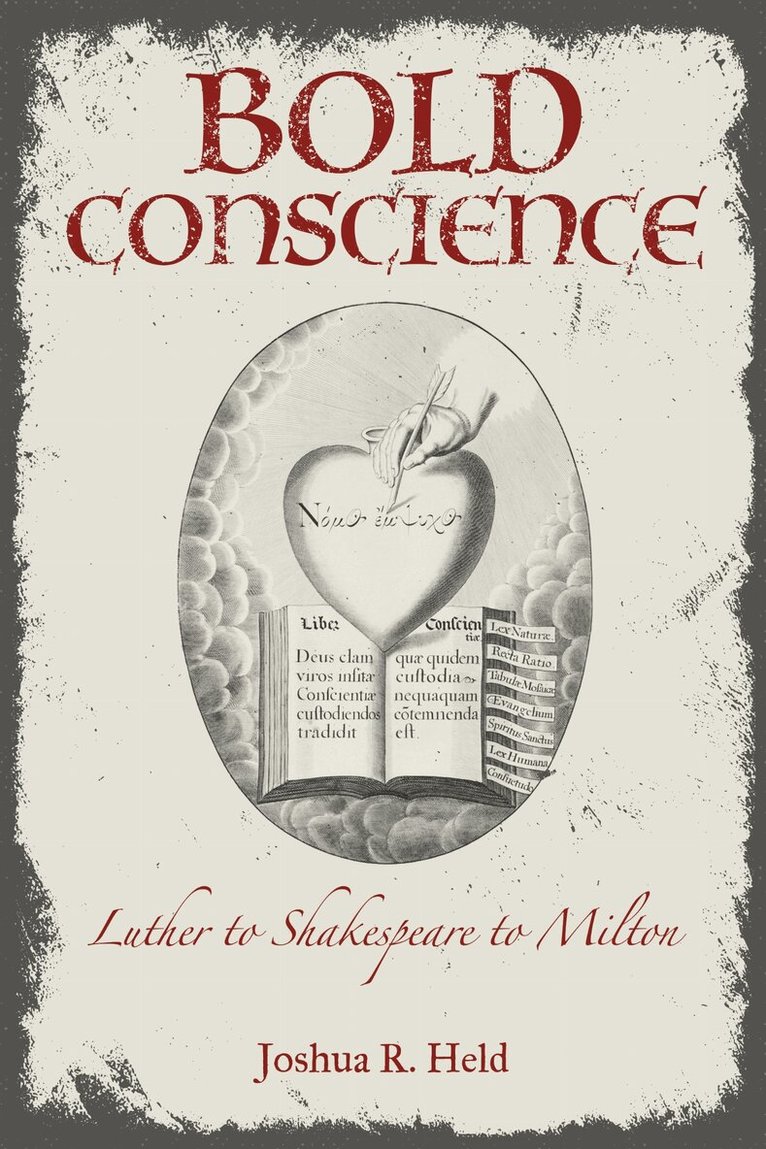
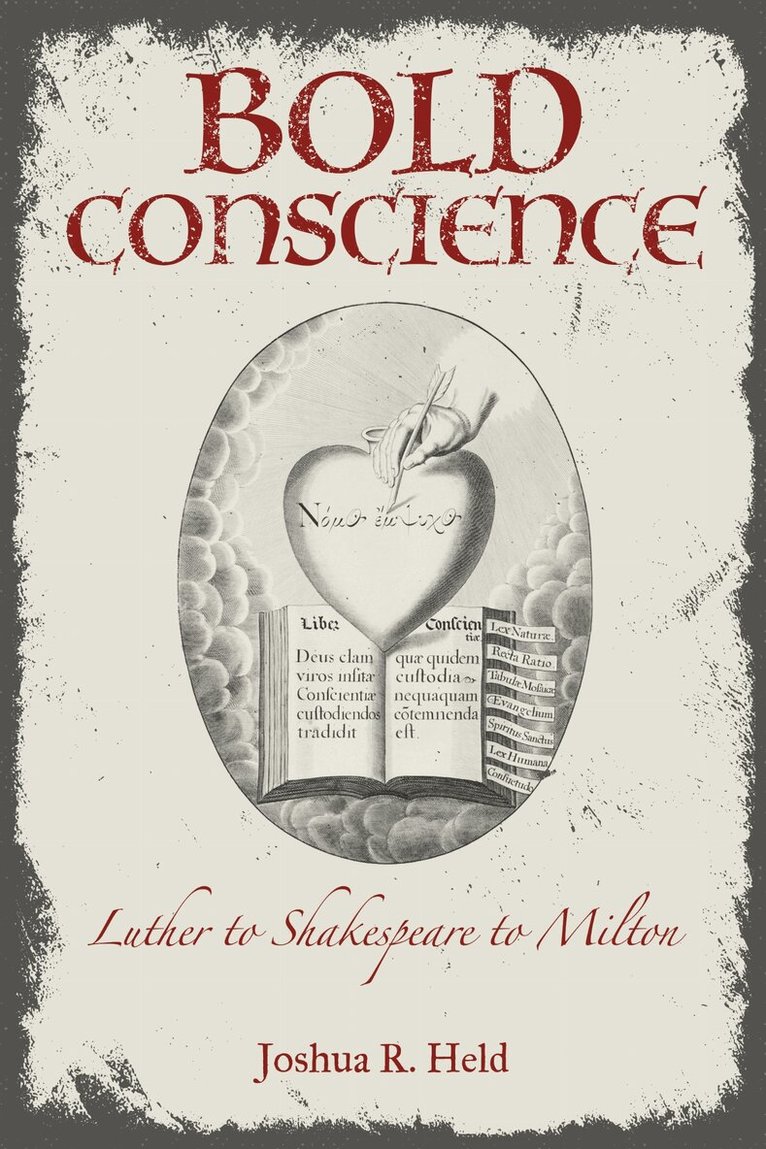
How the conscience in early modern England emerged as a fulcrum for public actionBold Conscience chronicles the shifting conception of conscience in early modern England, as it evolved from a faculty of restraint—what Shakespeare labels “coward conscience”—to one of bold and forthright self-assertion. The concept of conscience played an important role in post-Reformation England, from clerical leaders to laymen, not least because of its central place in determining loyalties during the English Civil War and the regicide of King Charles I. Yet the most complex and lasting perspectives on conscience emerged from deliberately literary voices—William Shakespeare, John Donne, and John Milton.Joshua Held argues that literary texts by these authors transform the idea of conscience as a private, shameful state to one of boldness fit for navigating both royal power and common dissent in the public realm. Held tracks the increasing political power of conscience from Shakespeare’s Hamlet and Henry VIII to Donne’s court sermons and Milton’s Areopagitica, showing finally that in Paradise Lost, Milton roots boldness in the inner paradise of a pure, common conscience.Applying a fine-grain analysis to literary England from about 1601 to 1667, this study also looks back to the 1520s, to Luther’s theological foundations of the concept, and forward to 1689, to Locke’s transformation of the idea alongside the term “consciousness.” Ultimately, Held’s study shows how conscience emerges at once as a bulwark against absolute sovereignty and as a stronghold of personal certainty.