Joshua Reeves - Böcker
Visar alla böcker från författaren Joshua Reeves. Handla med fri frakt och snabb leverans.
10 produkter
10 produkter
199 kr
Skickas inom 3-6 vardagar
96 kr
Skickas inom 5-8 vardagar
168 kr
Skickas inom 5-8 vardagar
130 kr
Skickas inom 5-8 vardagar
1 466 kr
Skickas inom 7-10 vardagar
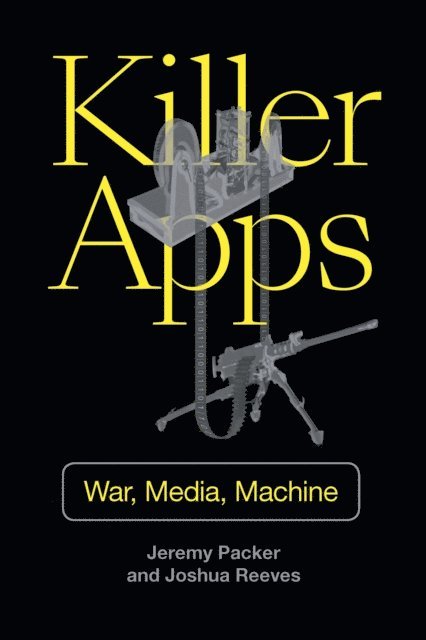
In Killer Apps Jeremy Packer and Joshua Reeves provide a detailed account of the rise of automation in warfare, showing how media systems are central to building weapons systems with artificial intelligence in order to more efficiently select and eliminate military targets. Drawing on the insights of a wide range of political and media theorists, Packer and Reeves develop a new theory for understanding how the intersection of media and military strategy drives today's AI arms race. They address the use of media to search for enemies in their analyses of the history of automated radar systems, the search for extraterrestrial life, and the development of military climate science, which treats the changing earth as an enemy. As the authors demonstrate, contemporary military strategy demands perfect communication in an evolving battlespace that is increasingly inhospitable to human frailties, necessitating humans' replacement by advanced robotics, machine intelligence, and media systems.
362 kr
Skickas inom 7-10 vardagar
In Killer Apps Jeremy Packer and Joshua Reeves provide a detailed account of the rise of automation in warfare, showing how media systems are central to building weapons systems with artificial intelligence in order to more efficiently select and eliminate military targets. Drawing on the insights of a wide range of political and media theorists, Packer and Reeves develop a new theory for understanding how the intersection of media and military strategy drives today's AI arms race. They address the use of media to search for enemies in their analyses of the history of automated radar systems, the search for extraterrestrial life, and the development of military climate science, which treats the changing earth as an enemy. As the authors demonstrate, contemporary military strategy demands perfect communication in an evolving battlespace that is increasingly inhospitable to human frailties, necessitating humans' replacement by advanced robotics, machine intelligence, and media systems.
1 061 kr
Skickas inom 10-15 vardagar
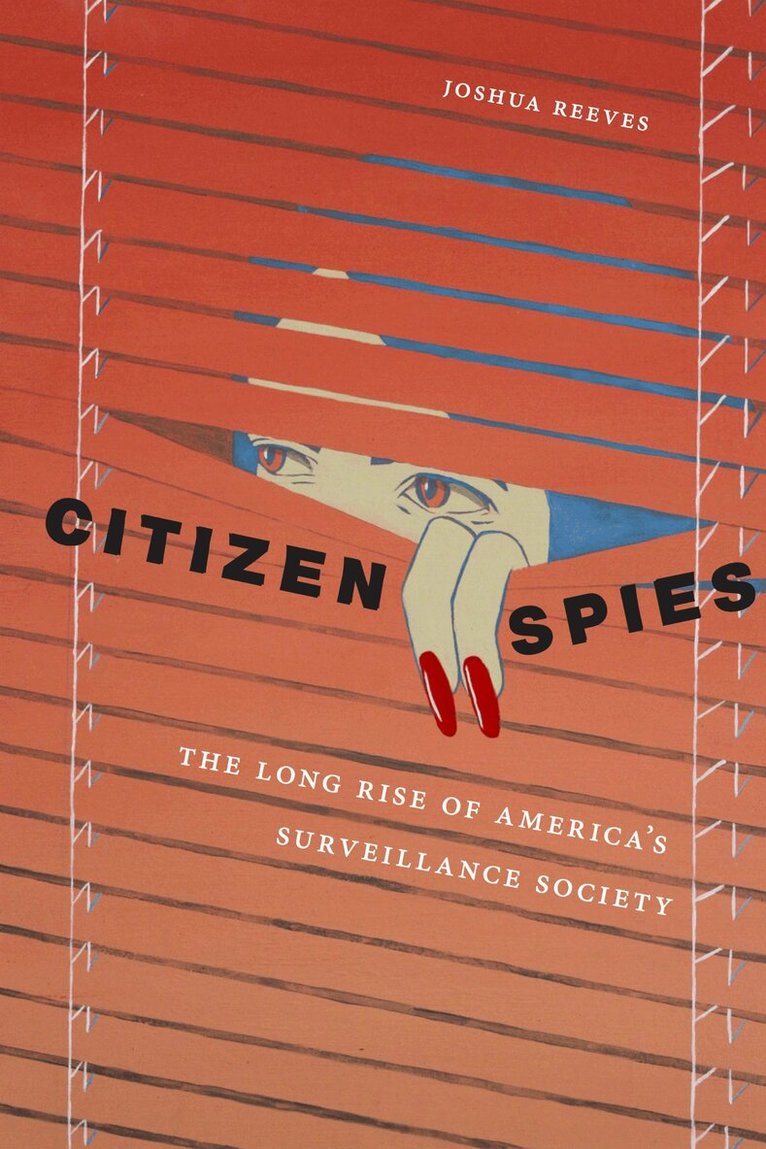
The history of recruiting citizens to spy on each other in the United States. Ever since the revelations of whistleblower Edward Snowden, we think about surveillance as the data-tracking digital technologies used by the likes of Google, the National Security Administration, and the military. But in reality, the state and allied institutions have a much longer history of using everyday citizens to spy and inform on their peers. Citizen Spies shows how "If You See Something, Say Something" is more than just a new homeland security program; it has been an essential civic responsibility throughout the history of the United States. From the town crier of Colonial America to the recruitment of youth through "junior police," to the rise of Neighborhood Watch, AMBER Alerts, and Emergency 9-1-1, Joshua Reeves explores how ordinary citizens have been taught to carry out surveillance on their peers. Emphasizing the role humans play as "seeing" and "saying" subjects, he demonstrates how American society has continuously fostered cultures of vigilance, suspicion, meddling, snooping, and snitching. Tracing the evolution of police crowd-sourcing from "Hue and Cry" posters and America's Most Wanted to police-affiliated social media, as well as the U.S.'s recurrent anxieties about political dissidents and ethnic minorities from the Red Scare to the War on Terror, Reeves teases outhow vigilance toward neighbors has long been aligned with American ideals of patriotic and moral duty. Taking the long view of the history of the citizen spy, this book offers a much-needed perspective for those interested in how we arrived at our current moment in surveillance culture and contextualizes contemporary trends in policing.
336 kr
Skickas inom 7-10 vardagar
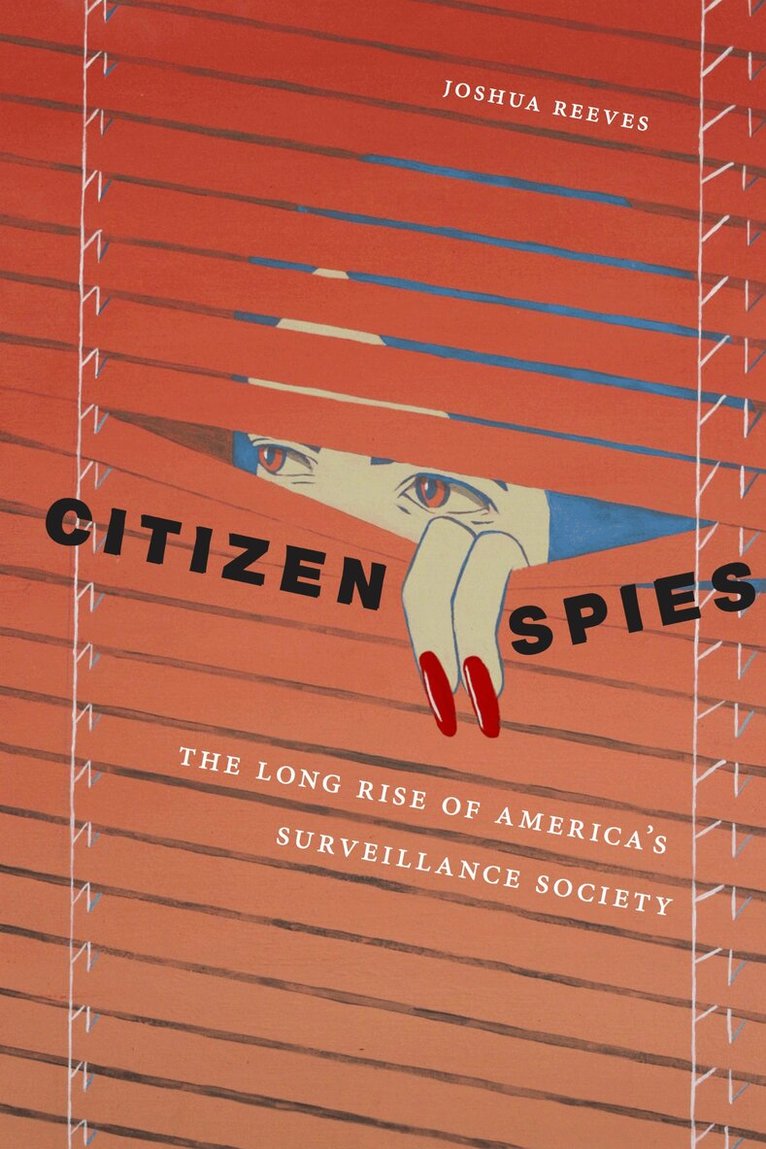
The history of recruiting citizens to spy on each other in the United States. Ever since the revelations of whistleblower Edward Snowden, we think about surveillance as the data-tracking digital technologies used by the likes of Google, the National Security Administration, and the military. But in reality, the state and allied institutions have a much longer history of using everyday citizens to spy and inform on their peers. Citizen Spies shows how "If You See Something, Say Something" is more than just a new homeland security program; it has been an essential civic responsibility throughout the history of the United States. From the town crier of Colonial America to the recruitment of youth through "junior police," to the rise of Neighborhood Watch, AMBER Alerts, and Emergency 9-1-1, Joshua Reeves explores how ordinary citizens have been taught to carry out surveillance on their peers. Emphasizing the role humans play as "seeing" and "saying" subjects, he demonstrates how American society has continuously fostered cultures of vigilance, suspicion, meddling, snooping, and snitching. Tracing the evolution of police crowd-sourcing from "Hue and Cry" posters and America's Most Wanted to police-affiliated social media, as well as the U.S.'s recurrent anxieties about political dissidents and ethnic minorities from the Red Scare to the War on Terror, Reeves teases outhow vigilance toward neighbors has long been aligned with American ideals of patriotic and moral duty. Taking the long view of the history of the citizen spy, this book offers a much-needed perspective for those interested in how we arrived at our current moment in surveillance culture and contextualizes contemporary trends in policing.
1 269 kr
Skickas inom 7-10 vardagar
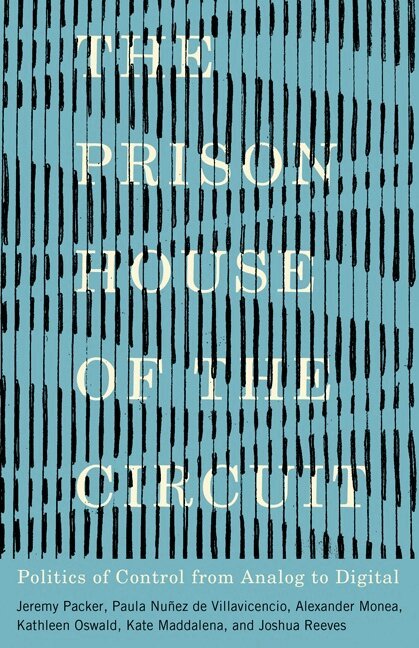
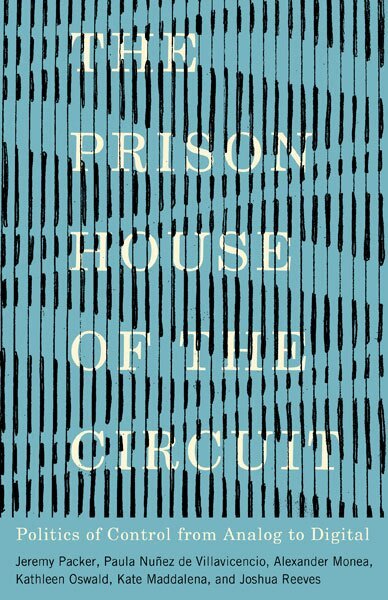
Has society ceded its self-governance to technogovernance?The Prison House of the Circuit presents a history of digital media using circuits and circuitry to understand how power operates in the contemporary era. Through the conceptual vocabulary of the circuit, it offers a provocative model for thinking about governance and media.The authors, writing as a collective, provide a model for collective research and a genealogical framework that interrogates the rise of digital society through the lens of Foucault’s ideas of governance, circulation, and power. The book includes five in-depth case studies investigating the transition from analog media to electronic and digital forms: military telegraphy and human–machine incorporation, the establishment of national electronic biopolitical governance in World War I, media as the means of extending spatial and temporal policing, automobility as the mechanism uniting mobility and media, and visual augmentation from Middle Ages spectacles to digital heads-up displays. The Prison House of the Circuit ultimately demonstrates how contemporary media came to create frictionless circulation to maximize control, efficacy, and state power.
309 kr
Skickas inom 7-10 vardagar
Has society ceded its self-governance to technogovernance?The Prison House of the Circuit presents a history of digital media using circuits and circuitry to understand how power operates in the contemporary era. Through the conceptual vocabulary of the circuit, it offers a provocative model for thinking about governance and media.The authors, writing as a collective, provide a model for collective research and a genealogical framework that interrogates the rise of digital society through the lens of Foucault’s ideas of governance, circulation, and power. The book includes five in-depth case studies investigating the transition from analog media to electronic and digital forms: military telegraphy and human–machine incorporation, the establishment of national electronic biopolitical governance in World War I, media as the means of extending spatial and temporal policing, automobility as the mechanism uniting mobility and media, and visual augmentation from Middle Ages spectacles to digital heads-up displays. The Prison House of the Circuit ultimately demonstrates how contemporary media came to create frictionless circulation to maximize control, efficacy, and state power.