Joshua S. Mostow - Böcker
Visar alla böcker från författaren Joshua S. Mostow. Handla med fri frakt och snabb leverans.
4 produkter
4 produkter
535 kr
Skickas inom 7-10 vardagar
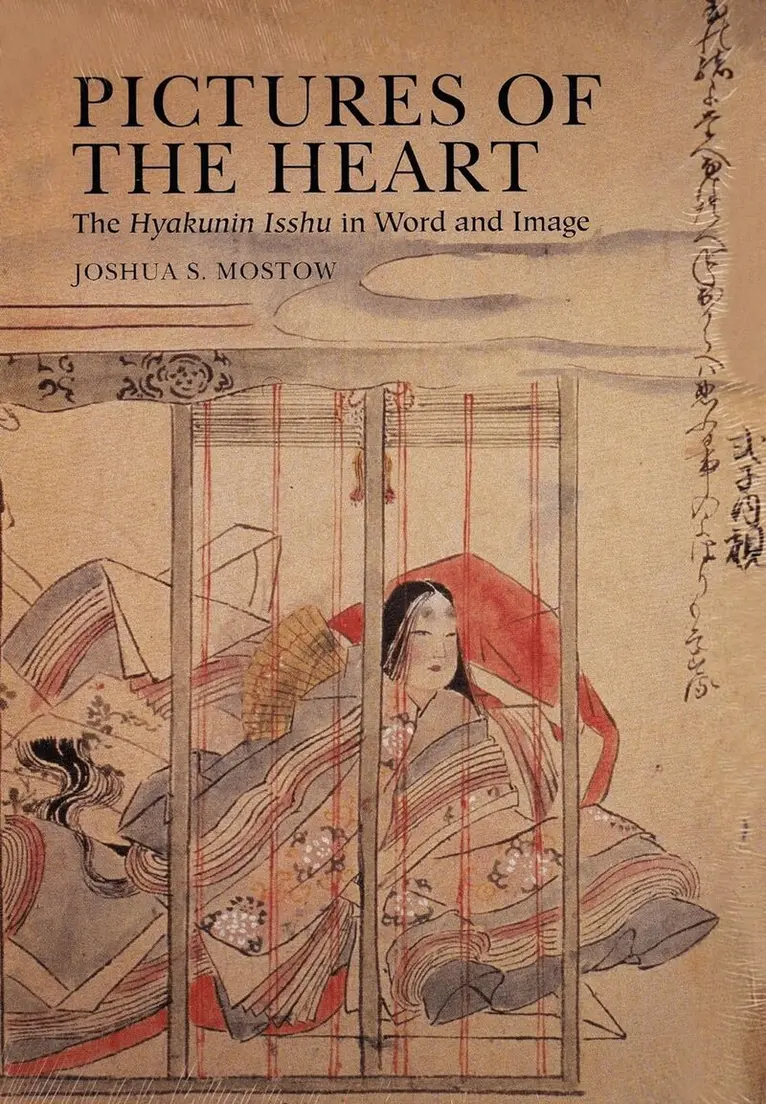
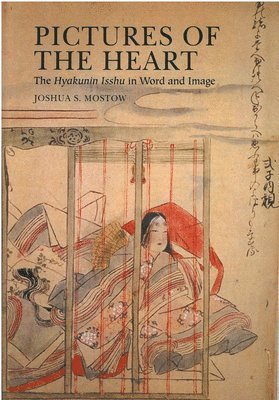
The Hyakunin Isshu, or One Hundred Poets, One Poem Each, is a sequence of one hundred Japanese poems in the tanka form, selected by the famous poet and scholar Fujiwara no Teika (1162–1241) and arranged, in part, to represent the history of Japanese poetry from the seventh century down to Teika’s own day. The anthology is, without doubt, the most popular and widely known collection of poetry in Japan– a distinction it has maintained for hundreds of years. In this study, Joshua Mostow challenges the idea of a final or authoritative reading of the Hyakunin Isshu and presents a refreshing, persuasive case for a reception history of this seminal work.In addition to providing a new translation of this classic text and biographical information on each poet, Mostow examines issues relating to text and image that are central to the Japanese arts from the Heian into the early modern period. By using Edo-period woodblock illustrations as pictorializations of the poems—as "pictures of the heart," or meaning, of the poems—text and image are pieced together in a holistic approach that will stand as a model for further research in the interrelationship between Japanese visual and verbal art.
865 kr
Skickas inom 11-20 vardagar
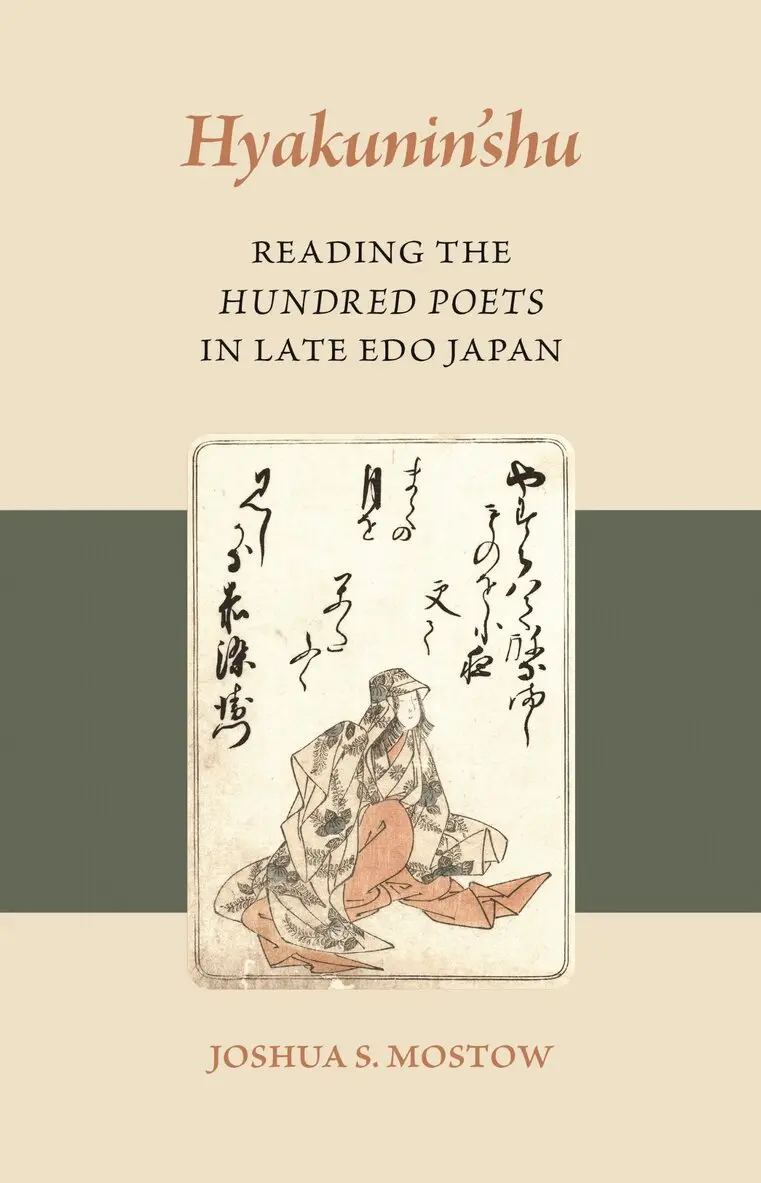
Hyakunin’shu: Reading the Hundred Poets in Late Edo Japan explores the "popular literary literacy" of the Japanese at the edge of modernity. By reproducing and translating a popular annotated and illustrated Ansei-era (1854–1859) edition of the Hyakunin isshu--for hundreds of years the most basic and best-known waka primer in the entire Japanese literary canon--Joshua Mostow reveals how commoners of the time made sense of the collection. Thanks to the popularization of the poems in the early modern period and the advent of commercial publishing, the Hyakunin’shu (as it was popularly called) was no longer the exclusive intellectual property of the upper classes but part of a poetic heritage shared by all literate Japanese. Mostow traces the Hyakunin’shu’s history from the first published collections in the early sixteenth century and printed commentaries of formerly esoteric and secret exegesis to later editions that include imagined portraits of the poets and, ultimately, pictures of the "heart"--pictorializations of the meaning of the poems themselves. His study illuminates the importance of "variant One Hundred Poets," such as the Warrior One Hundred Poets, in popularizing the collection and the work’s strong association with feminine education from the early eighteenth century onward. The National Learning (Kokugaku) movement pursued a philological analysis of the poems, leading to translations of the Hyakunin’shu into contemporary, vernacular, spoken Japanese. The poems eventually served as the basis of a card game that became a staple of New Year festivities. This volume presents some innovations in translating premodern Japanese poetry: in the Introduction, Mostow considers the Hyakunin’shu’s reception during the Edo, when male homoerotic relationships were taken for granted, and makes the case for his translating the love poems in a non-heteronormative way. In addition, the translated poems are lineated to give readers a sense of the original edition’s chirashi-gaki, or "scattered writing," allowing them to see how each poem’s sematic elements are distributed on the page.
324 kr
Skickas inom 7-10 vardagar
Hyakunin’shu: Reading the Hundred Poets in Late Edo Japan explores the "popular literary literacy" of the Japanese at the edge of modernity. By reproducing and translating a popular annotated and illustrated Ansei-era (1854–1859) edition of the Hyakunin isshu—for hundreds of years the most basic and best-known waka primer in the entire Japanese literary canon—Joshua Mostow reveals how commoners of the time made sense of the collection. Thanks to the popularization of the poems in the early modern period and the advent of commercial publishing, the Hyakunin’shu (as it was popularly called) was no longer the exclusive intellectual property of the upper classes but part of a poetic heritage shared by all literate Japanese. Mostow traces the Hyakunin’shu’s history from the first published collections in the early sixteenth century and printed commentaries of formerly esoteric and secret exegesis to later editions that include imagined portraits of the poets and, ultimately, pictures of the "heart"— pictorializations of the meaning of the poems themselves. His study illuminates the importance of "variant One Hundred Poets," such as the Warrior One Hundred Poets, in popularizing the collection and the work’s strong association with feminine education from the early eighteenth century onward. The National Learning (Kokugaku) movement pursued a philological analysis of the poems, leading to translations of the Hyakunin’shu into contemporary, vernacular, spoken Japanese. The poems eventually served as the basis of a card game that became a staple of New Year festivities. This volume presents some innovations in translating premodern Japanese poetry: in the Introduction, Mostow considers the Hyakunin’shu’s reception during the Edo, when male homoerotic relationships were taken for granted, and makes the case for his translating the love poems in a non-heteronormative way. In addition, the translated poems are lineated to give readers a sense of the original edition’s chirashi-gaki, or "scattered writing," allowing them to see how each poem’s sematic elements are distributed on the page.
Del 69 - Brill's Japanese Studies Library
Ise monogatari Reader
Contexts and Receptions
Inbunden, Engelska, 2021
2 201 kr
Skickas inom 5-8 vardagar
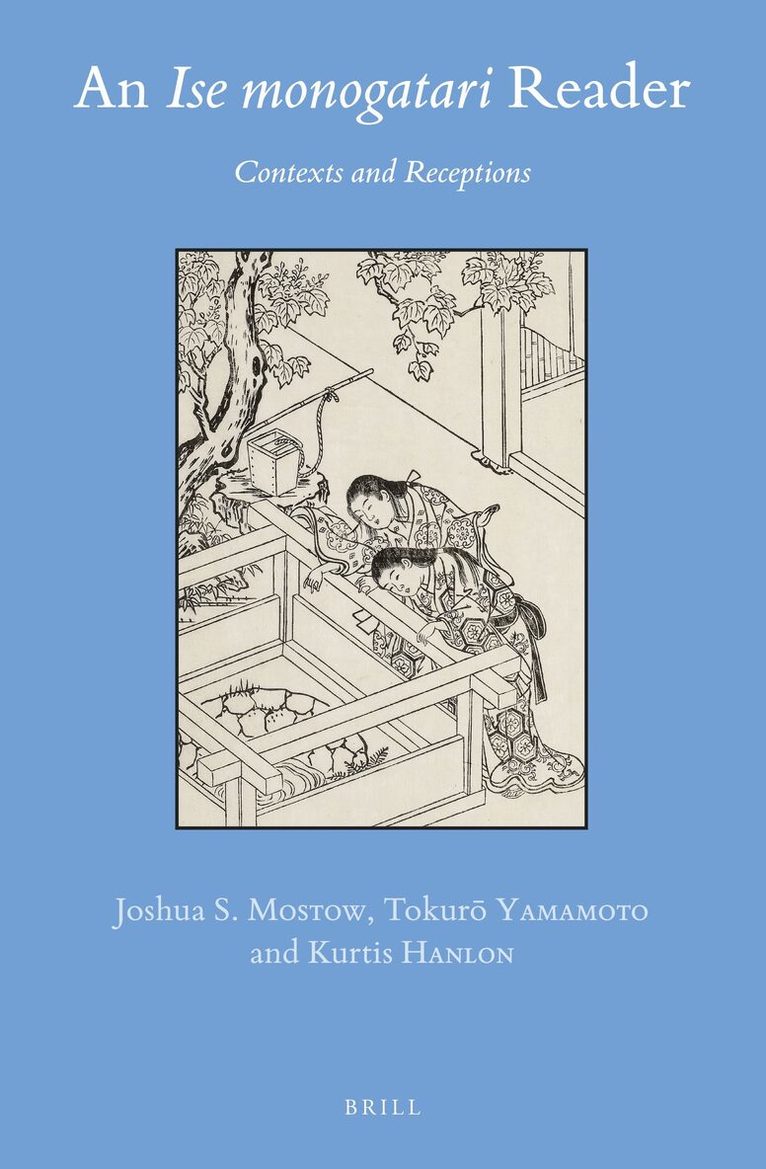
An “Ise monogatari” Reader is the first collection of essays in English on The Ise Stories, a canonical literary text ranked beside The Tale of Genji. Eleven scholars from Japan, North America, and Europe explore the historical and political context in which this literary court romance was created, or relate it to earlier works such as the Man’yōshū and later works such as the Genji and noh theater. Its medieval commentary tradition is also examined, as well as early modern illustrated editions and parodies. The collection brings cutting-edge scholarship of the very highest level to English readers, scholars, and students. Contributors are: Aoki Shizuko, Fujihara Mika, Fujishima Aya, Gotō Shōko, Imanishi Yūichirō, Susan Blakeley Klein, Laura Moretti, Joshua S. Mostow, Ōtani Setsuko, Takahashi Tōru, and Yamamoto Tokurō