Joshua Schouten de Jel - Böcker
Visar alla böcker från författaren Joshua Schouten de Jel. Handla med fri frakt och snabb leverans.
4 produkter
4 produkter
2 255 kr
Skickas inom 10-15 vardagar
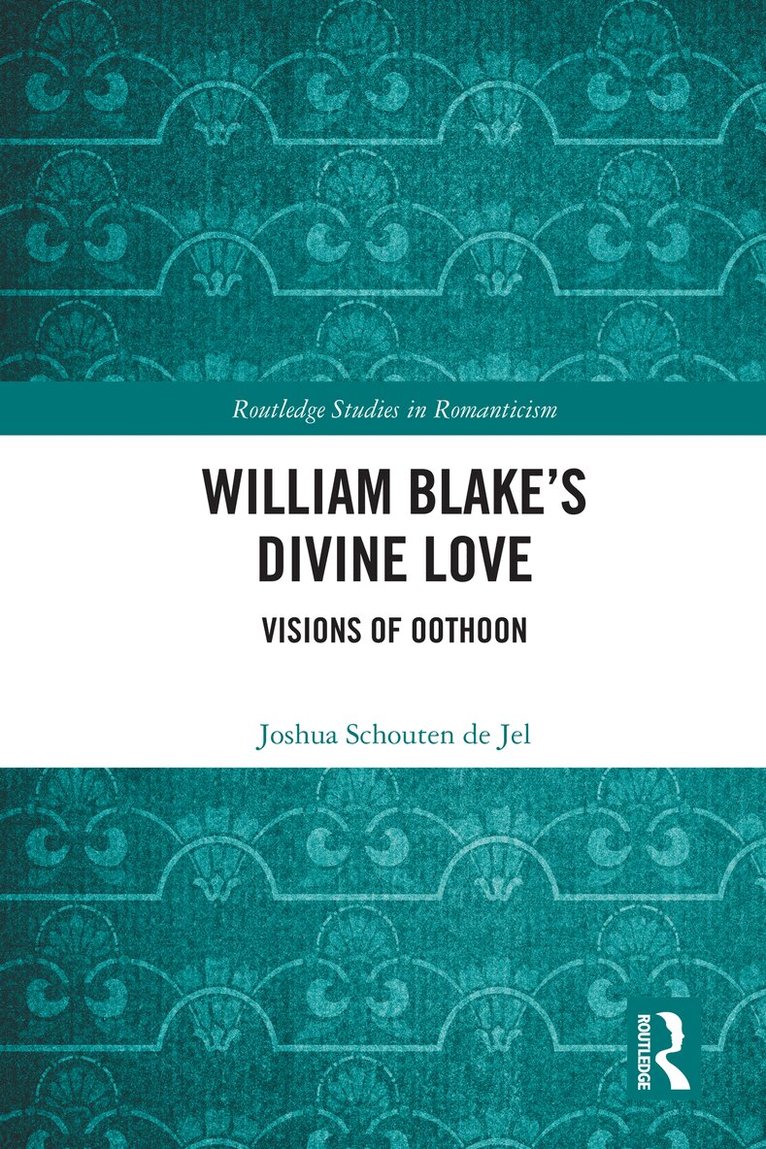
Despite the fact that William Blake summarises the plot of Visions of the Daughters of Albion (1793) in just eight lines in the prefatory ‘Argument,’ there are several contentious moments in the poem which continue to cause debate. Critics read Oothoon’s call to Theotormon’s eagles and her offer to catch girls of silver and gold as either evidence of her rape-damaged psyche or confirmation of her selfless love which transcends her socio-sexual state. How do we reconcile the attack of Theotormon’s eagles and the wanton play of the girls with Oothoon’s articulate and highly sophisticated expressions of spiritual truth and free love?In William Blake’s Divine Love: Visions of Oothoon, Joshua Schouten de Jel explores the hermeneutical possibilities of Oothoon’s self-annihilation and the epistemological potential of her visual copulation by establishing an artistic and hagiographical heritage which informs the pictorial representation and poetic pronunciation of Oothoon’s enlightened entelechy. Working with Michelangelo’s The Punishment of Tityus (1532) and Gian Lorenzo Bernini’s Ecstasy of Saint Teresa (1647–51), Oothoon’s ecstatic figuration reflects two iconographic traditions which, framed by the linguistic tropes of divine love expressed within a female-centred mystagogy, reveal the soteriological significance of Oothoon’s willing self-sacrifice.
721 kr
Skickas inom 10-15 vardagar
Despite the fact that William Blake summarises the plot of Visions of the Daughters of Albion (1793) in just eight lines in the prefatory ‘Argument,’ there are several contentious moments in the poem which continue to cause debate. Critics read Oothoon’s call to Theotormon’s eagles and her offer to catch girls of silver and gold as either evidence of her rape-damaged psyche or confirmation of her selfless love which transcends her socio-sexual state. How do we reconcile the attack of Theotormon’s eagles and the wanton play of the girls with Oothoon’s articulate and highly sophisticated expressions of spiritual truth and free love?In William Blake’s Divine Love: Visions of Oothoon, Joshua Schouten de Jel explores the hermeneutical possibilities of Oothoon’s self-annihilation and the epistemological potential of her visual copulation by establishing an artistic and hagiographical heritage which informs the pictorial representation and poetic pronunciation of Oothoon’s enlightened entelechy. Working with Michelangelo’s The Punishment of Tityus (1532) and Gian Lorenzo Bernini’s Ecstasy of Saint Teresa (1647–51), Oothoon’s ecstatic figuration reflects two iconographic traditions which, framed by the linguistic tropes of divine love expressed within a female-centred mystagogy, reveal the soteriological significance of Oothoon’s willing self-sacrifice.
1 160 kr
Skickas inom 10-15 vardagar
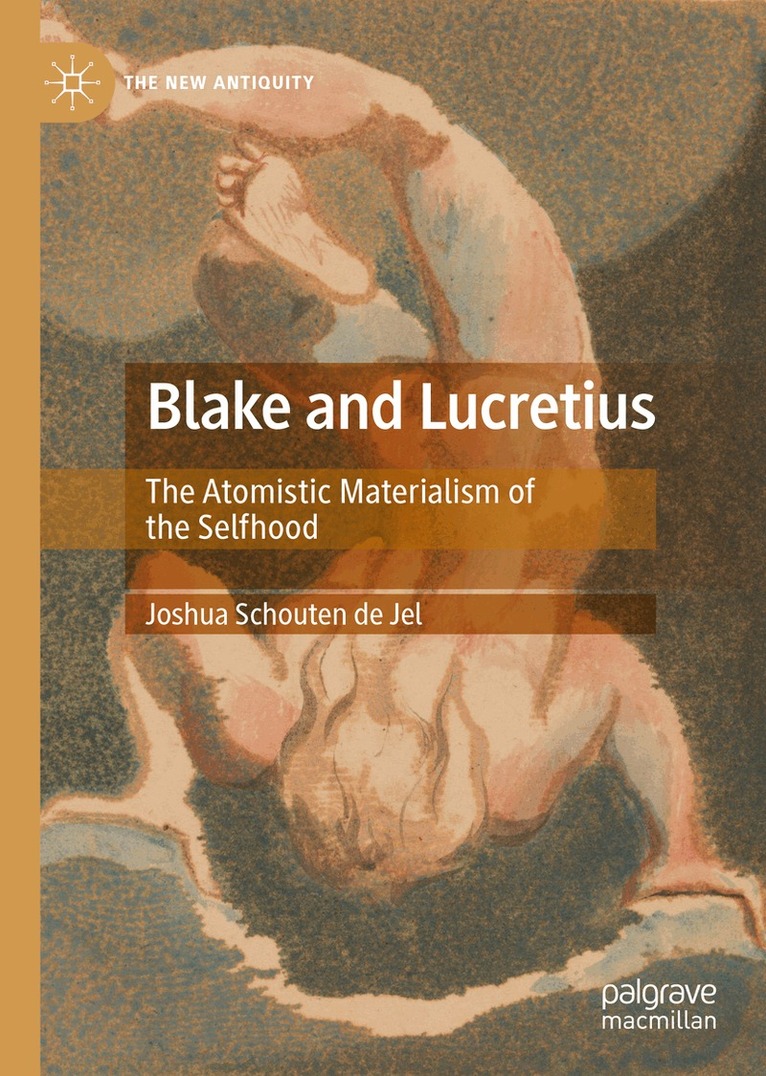
This book demonstrates the way in which William Blake aligned his idiosyncratic concept of the Selfhood – the lens through which the despiritualised subject beholds the material world – with the atomistic materialism of the Epicurean school as it was transmitted through the first-century BC Roman poet and philosopher Lucretius’ De Rerum Natura. By addressing this philosophical debt, this study sets out a threefold re-evaluation of Blake’s work: to clarify the classical stream of Blake’s philosophical heritage through Lucretius; to return Blake to his historical moment, a thirty-year period from 1790 to 1820 which has been described as the second Lucretian moment in England; and to employ a new exegetical model for understanding the phenomenological parameters and epistemological frameworks of Blake’s mythopoeia. Accordingly, it is revealed that Blake was not only aware of classical atomistic cosmogony and sense-based epistemology but that he systematically mapped postlapsarian existence onto an Epicurean framework.
1 160 kr
Skickas inom 10-15 vardagar
This book demonstrates the way in which William Blake aligned his idiosyncratic concept of the Selfhood – the lens through which the despiritualised subject beholds the material world – with the atomistic materialism of the Epicurean school as it was transmitted through the first-century BC Roman poet and philosopher Lucretius’ De Rerum Natura. By addressing this philosophical debt, this study sets out a threefold re-evaluation of Blake’s work: to clarify the classical stream of Blake’s philosophical heritage through Lucretius; to return Blake to his historical moment, a thirty-year period from 1790 to 1820 which has been described as the second Lucretian moment in England; and to employ a new exegetical model for understanding the phenomenological parameters and epistemological frameworks of Blake’s mythopoeia. Accordingly, it is revealed that Blake was not only aware of classical atomistic cosmogony and sense-based epistemology but that he systematically mapped postlapsarian existence onto an Epicurean framework.