Joshua Trey Barnett - Böcker
Visar alla böcker från författaren Joshua Trey Barnett. Handla med fri frakt och snabb leverans.
5 produkter
5 produkter
1 162 kr
Skickas inom 7-10 vardagar
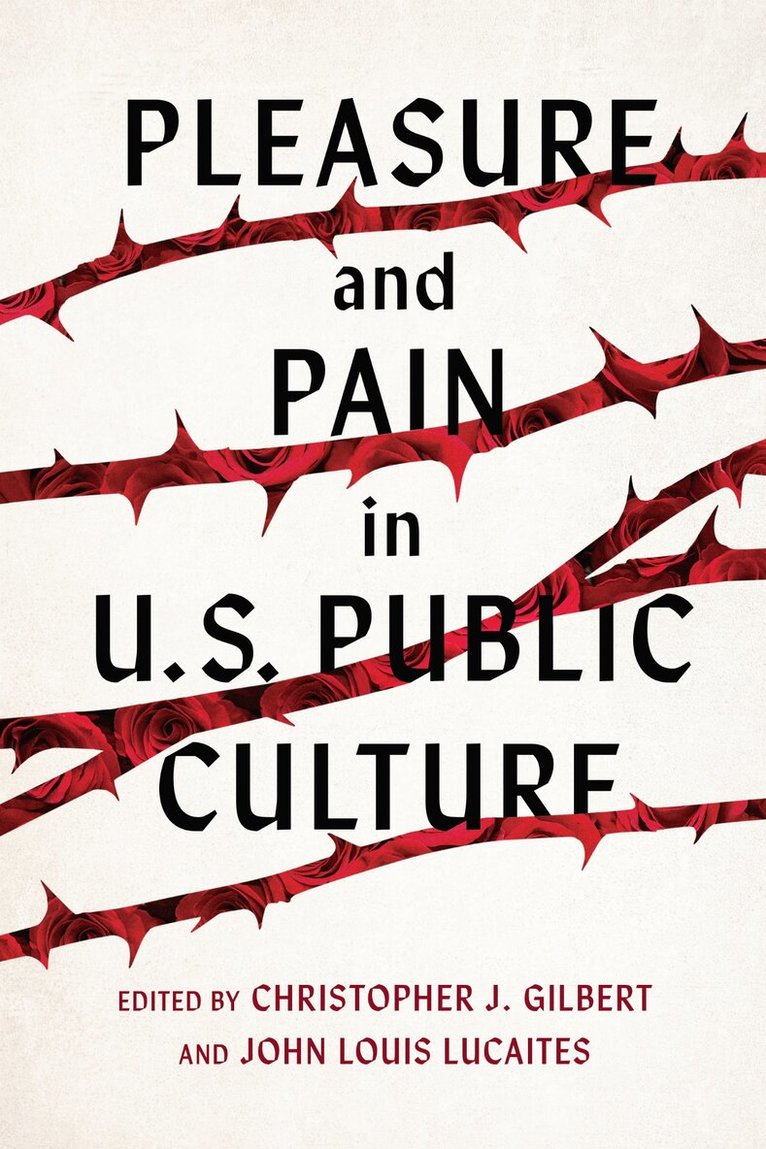
Unraveling the intricate dance of pleasure and pain in contemporary American cultureMainstream news and social media often highlight presentations of pain that invite a voyeuristic, pleasurable experience, whether the result of war, disasters, crime, accidents, or other catastrophes. This collection of essays explores pleasurable pains and painful pleasures, showing how they pervade contemporary western public culture.Deploying methodologies drawn from psychoanalysis, rhetoric and communication, political theory, and visual culture, Pleasure and Pain in US Public Culture offers insightful criticisms and theories about how pleasure and pain function in public discourse, media, and everyday communication practices.The contributors provide a sample of fascinating range of news reportage, television, film and cinema, stage drama, comic performances, street art, and other forms of popular culture. The media cited and analyzed include Spike Lee’s films, Afrofuturism, autoethnography, and the #MeToo movement.The collection takes up engrossing topics such as the cathartic allure of pain, ethical dilemmas surrounding public displays of suffering, and the transformative power of narratives that confront trauma. The essays also draw connections between theory and real-world outcomes, explore the implications of enjoying traumatic comedy, and link the natural world to otherwise mundane instances of interspecies violence. Brett Kavanaugh's Supreme Court nomination hearings and what they suggest about witnessing trauma is also discussed.Pleasure and Pain in US Public Culture will change how a reader sees the world. It imparts a startling vision of western culture permeated by pain and pleasure.
361 kr
Skickas inom 7-10 vardagar
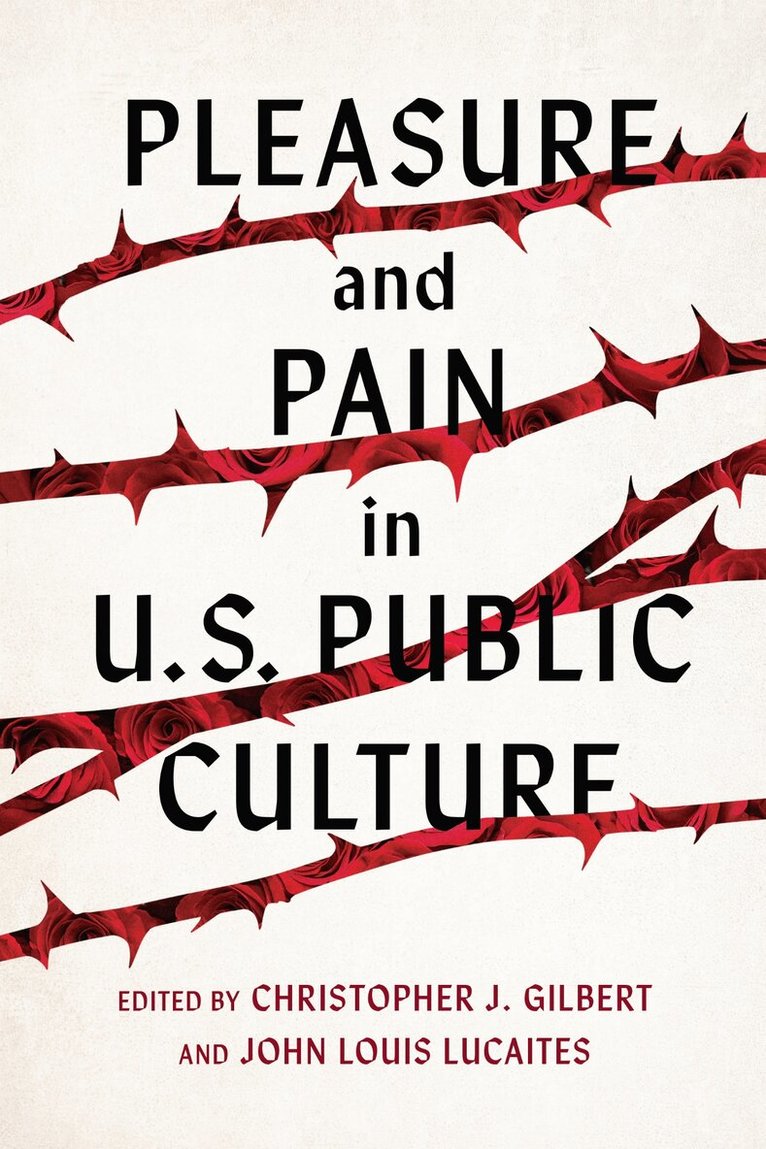
Unraveling the intricate dance of pleasure and pain in contemporary American cultureMainstream news and social media often highlight presentations of pain that invite a voyeuristic, pleasurable experience, whether the result of war, disasters, crime, accidents, or other catastrophes. This collection of essays explores pleasurable pains and painful pleasures, showing how they pervade contemporary western public culture.Deploying methodologies drawn from psychoanalysis, rhetoric and communication, political theory, and visual culture, Pleasure and Pain in US Public Culture offers insightful criticisms and theories about how pleasure and pain function in public discourse, media, and everyday communication practices.The contributors provide a sample of fascinating range of news reportage, television, film and cinema, stage drama, comic performances, street art, and other forms of popular culture. The media cited and analyzed include Spike Lee’s films, Afrofuturism, autoethnography, and the #MeToo movement.The collection takes up engrossing topics such as the cathartic allure of pain, ethical dilemmas surrounding public displays of suffering, and the transformative power of narratives that confront trauma. The essays also draw connections between theory and real-world outcomes, explore the implications of enjoying traumatic comedy, and link the natural world to otherwise mundane instances of interspecies violence. Brett Kavanaugh's Supreme Court nomination hearings and what they suggest about witnessing trauma is also discussed.Pleasure and Pain in US Public Culture will change how a reader sees the world. It imparts a startling vision of western culture permeated by pain and pleasure.
572 kr
Skickas inom 7-10 vardagar
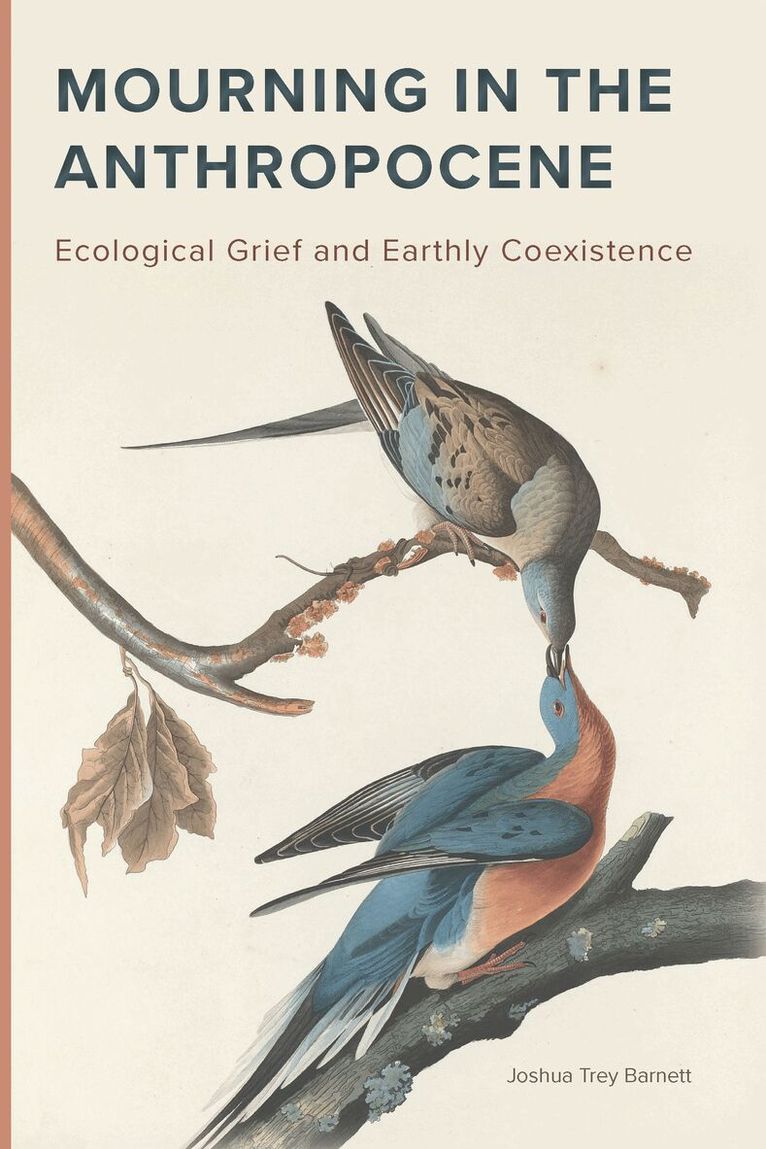
Enormous ecological losses and profound planetary transformations mean that ours is a time to grieve beyond the human. Yet, Joshua Trey Barnett argues in this eloquent and urgent book, our capacity to grieve for more-than-human others is neither natural nor inevitable. Weaving together personal narratives, theoretical meditations, and insightful readings of cultural artifacts, he suggests that ecological grief is best understood as a rhetorical achievement. As a collection of worldmaking practices, rhetoric makes things matter, bestows value, directs attention, generates knowledge, and foments feelings. By dwelling on three rhetorical practices—naming, archiving, and making visible—Barnett shows how they prepare us to grieve past, present, and future ecological losses. Simultaneously diagnostic and prescriptive, this book reveals rhetorical practices that set our ecological grief into motion and illuminates pathways to more connected, caring earthly coexistence.
1 553 kr
Skickas inom 7-10 vardagar
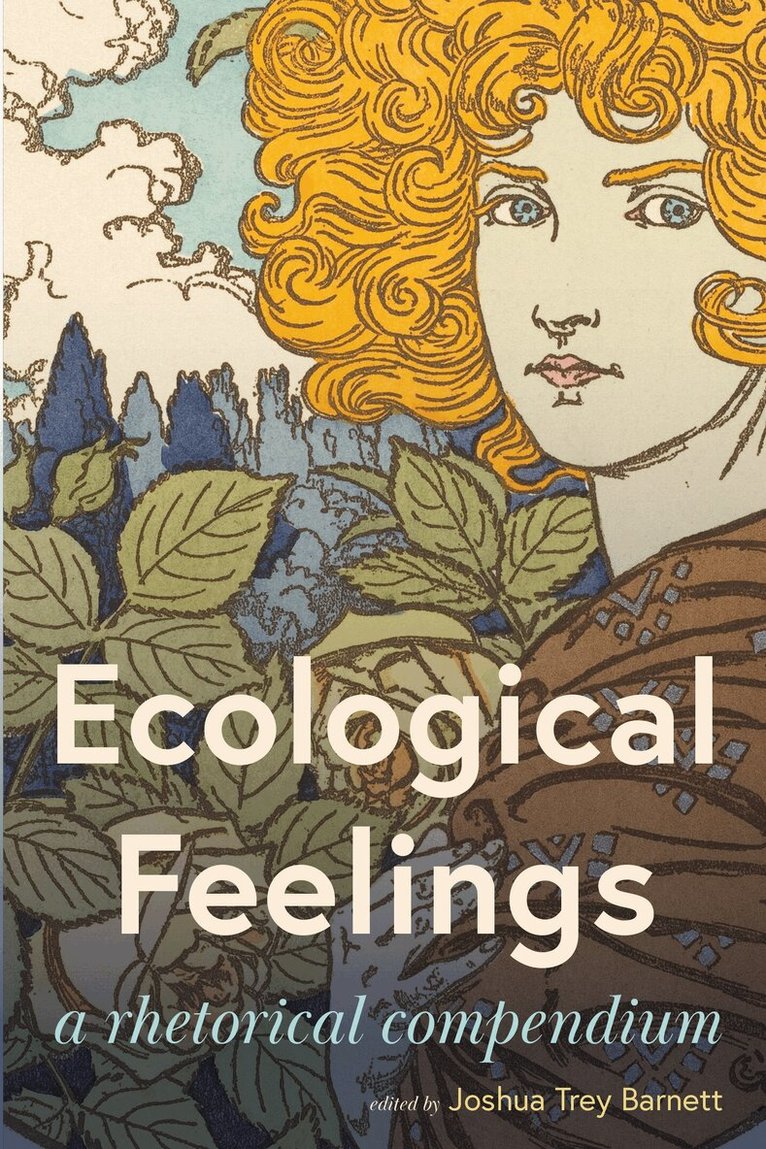
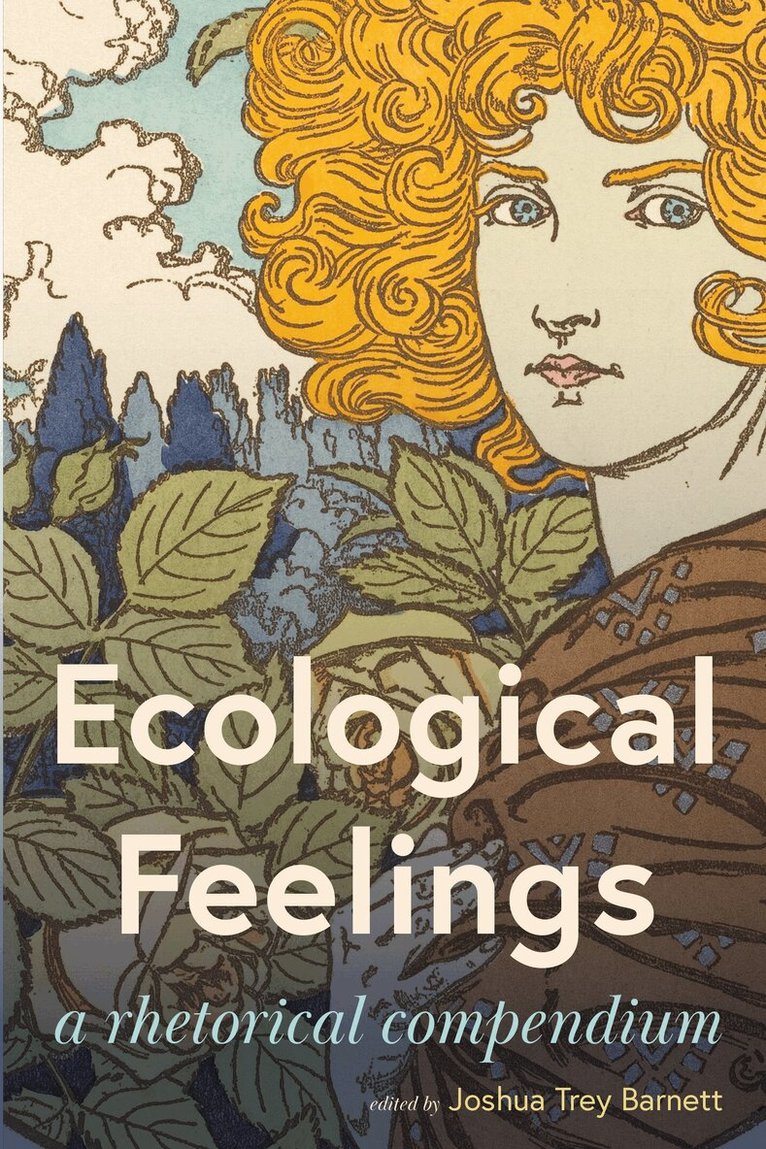
These days, earthly coexistence often feels bad. As environmental crises amass, they cast a shadow over an imagined future and the promises of better—or at least predictable—days to come. In times of climate chaos, mass extinction, and rampant environmental injustice, it is easy to despair. But, here and there, a glimmer of joy or optimism shines forth and reminds us that it is possible—even necessary—to love and to hope amid the ruins. The contributors to this volume grapple with a plurality of interrelated ecological feelings: care, concern, contempt, empathy, fear, grief, hope, joy, numbness, optimism, possessiveness, regret, and saudades. Informed by a rhetorical perspective, the essays collected here reveal what sets our ecological feelings into motion. Crucially, they also uncover some of the rhetorical practices through which we might collectively feel our way into a more harmonious earthly coexistence.
487 kr
Skickas inom 7-10 vardagar
These days, earthly coexistence often feels bad. As environmental crises amass, they cast a shadow over an imagined future and the promises of better—or at least predictable—days to come. In times of climate chaos, mass extinction, and rampant environmental injustice, it is easy to despair. But, here and there, a glimmer of joy or optimism shines forth and reminds us that it is possible—even necessary—to love and to hope amid the ruins. The contributors to this volume grapple with a plurality of interrelated ecological feelings: care, concern, contempt, empathy, fear, grief, hope, joy, numbness, optimism, possessiveness, regret, and saudades. Informed by a rhetorical perspective, the essays collected here reveal what sets our ecological feelings into motion. Crucially, they also uncover some of the rhetorical practices through which we might collectively feel our way into a more harmonious earthly coexistence.