Joshua Yumibe - Böcker
Visar alla böcker från författaren Joshua Yumibe. Handla med fri frakt och snabb leverans.
9 produkter
9 produkter
1 177 kr
Skickas inom 7-10 vardagar
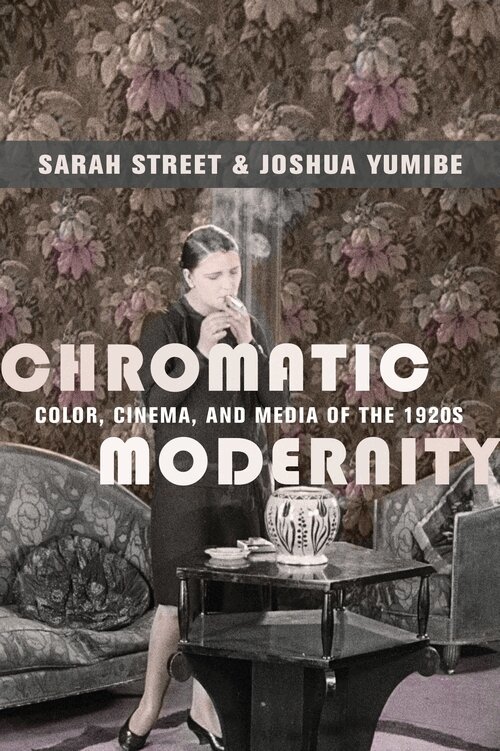
The era of silent film, long seen as black and white, has been revealed in recent scholarship as bursting with color. Yet the 1920s remain thought of as a transitional decade between early cinema and the rise of Technicolor—despite the fact that new color technologies used in film, advertising, fashion, and industry reshaped cinema and consumer culture. In Chromatic Modernity, Sarah Street and Joshua Yumibe provide a revelatory history of how the use of color in film during the 1920s played a key role in creating a chromatically vibrant culture.Focusing on the final decade of silent film, Street and Yumibe portray the 1920s as a pivotal and profoundly chromatic period of cosmopolitan exchange, collaboration, and experimentation in and around cinema. Chromatic Modernity explores contemporary debates over color’s artistic, scientific, philosophical, and educational significance. It examines a wide range of European and American films, including Opus 1 (1921), L’Inhumaine (1923), Die Nibelungen (1924), The Phantom of the Opera (1925), The Lodger (1927), Napoléon (1927), and Dracula (1932). A comprehensive, comparative study that situates film among developments in art, color science, and industry, Chromatic Modernity reveals the role of color cinema in forging new ways of looking at and experiencing the modern world.
629 kr
Skickas inom 3-6 vardagar
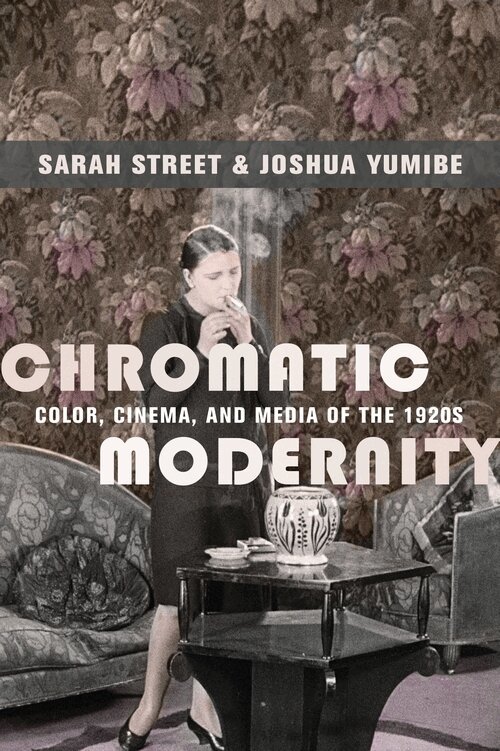
The era of silent film, long seen as black and white, has been revealed in recent scholarship as bursting with color. Yet the 1920s remain thought of as a transitional decade between early cinema and the rise of Technicolor—despite the fact that new color technologies used in film, advertising, fashion, and industry reshaped cinema and consumer culture. In Chromatic Modernity, Sarah Street and Joshua Yumibe provide a revelatory history of how the use of color in film during the 1920s played a key role in creating a chromatically vibrant culture.Focusing on the final decade of silent film, Street and Yumibe portray the 1920s as a pivotal and profoundly chromatic period of cosmopolitan exchange, collaboration, and experimentation in and around cinema. Chromatic Modernity explores contemporary debates over color’s artistic, scientific, philosophical, and educational significance. It examines a wide range of European and American films, including Opus 1 (1921), L’Inhumaine (1923), Die Nibelungen (1924), The Phantom of the Opera (1925), The Lodger (1927), Napoléon (1927), and Dracula (1932). A comprehensive, comparative study that situates film among developments in art, color science, and industry, Chromatic Modernity reveals the role of color cinema in forging new ways of looking at and experiencing the modern world.
426 kr
Skickas inom 7-10 vardagar
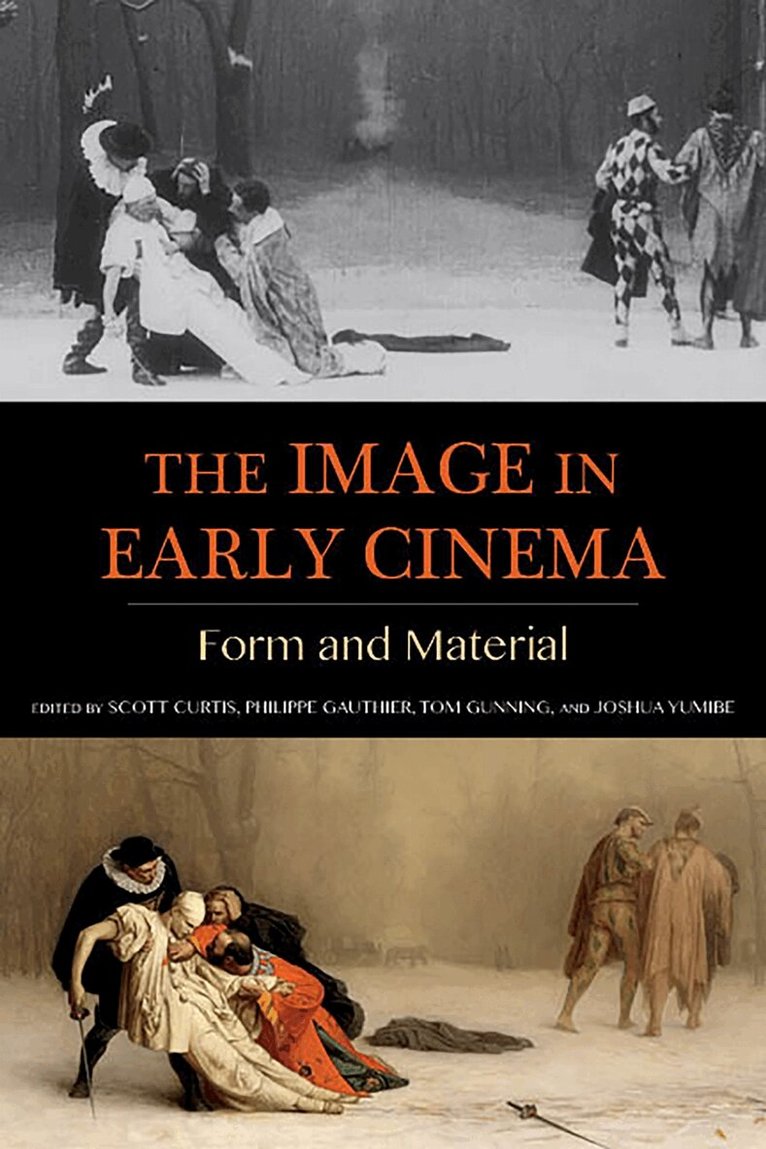
In The Image in Early Cinema, the contributors examine intersections between early cinematic form, technology, theory, practice, and broader modes of visual culture. They argue that early cinema emerged within a visual culture composed of a variety of traditions in art, science, education, and image making. Even as methods of motion picture production and distribution materialized, they drew from and challenged practices and conventions in other mediums. This rich visual culture produced a complicated, overlapping network of image-making traditions, innovations, and borrowing among painting, tableaux vivants, photography, and other pictorial and projection practices. Using a variety of concepts and theories, the contributors explore these crisscrossing traditions and work against an essentialist notion of media to conceptualize the dynamic interrelationship between images and their context.
424 kr
Skickas
Remnants of early films often have a story to tell. As material artifacts, these film fragments are central to cinema history, perhaps more than ever in our digital age of easy copying and sharing. If a digital copy is previewed before preservation or is shared with a researcher outside the purview of a film archive, knowledge about how the artifact was collected, circulated, and repurposed threatens to become obscured. When the question of origin is overlooked, the story can be lost. Concerned contributors in Provenance and Early Cinema challenge scholars digging through film archives to ask, "How did these moving images get here for me to see them?" This volume, which features the conference proceedings from Domitor, the International Society for the Study of Early Cinema, 2018, questions preservation, attribution, and patterns of reuse in order to explore singular artifacts with long and circuitous lives.
482 kr
Skickas inom 7-10 vardagar
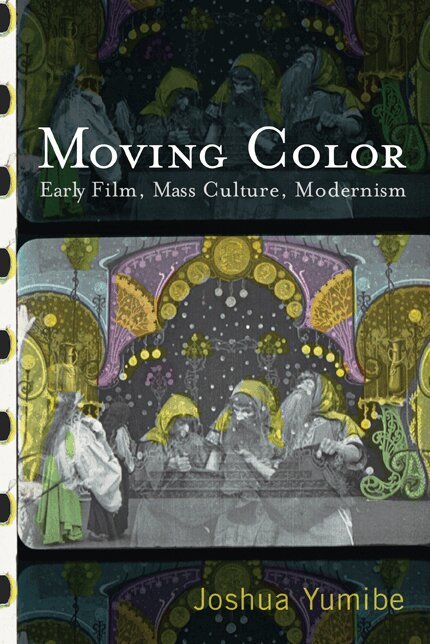
Color was used in film well before The Wizard of Oz. Thomas Edison, for example, projected two-colored films at his first public screening in New York City on April 23, 1896. These first colors of early cinema were not photographic; they were applied manually through a variety of laborious processes-most commonly by the hand-coloring and stenciling of prints frame by frame, and the tinting and toning of films in vats of chemical dyes. The results were remarkably beautiful.Moving Color is the first book-length study of the beginnings of color cinema. Looking backward, Joshua Yumibe traces the legacy of color history from the beginning of the nineteenth century to the cinema of the early twentieth century. Looking forward, he explores the implications of this genealogy on experimental and contemporary digital cinemas in which many colors have become, once again, vividly unhinged from photographic reality. Throughout this history, Moving Color revolves around questions pertaining to the sensuousness of color: how color moves us in the cinema-visually, emotionally, and physically.
412 kr
Skickas inom 7-10 vardagar
In the years before the First World War, showmen, entrepreneurs, educators, and scientists used magic lanterns and cinematographs in many contexts and many venues. To employ these silent screen technologies to deliver diverse and complex programs usually demanded audio accompaniment, creating a performance of both sound and image. These shows might include live music, song, lectures, narration, and synchronized sound effects provided by any available party—projectionist, local talent, accompanist or backstage crew—and would often borrow techniques from shadow plays and tableaux vivants. The performances were not immune to the influence of social and cultural forces, such as censorship or reform movements. This collection of essays considers the ways in which different visual practices carried out at the turn of the 20th century shaped performances on and beside the screen.
336 kr
Skickas inom 7-10 vardagar
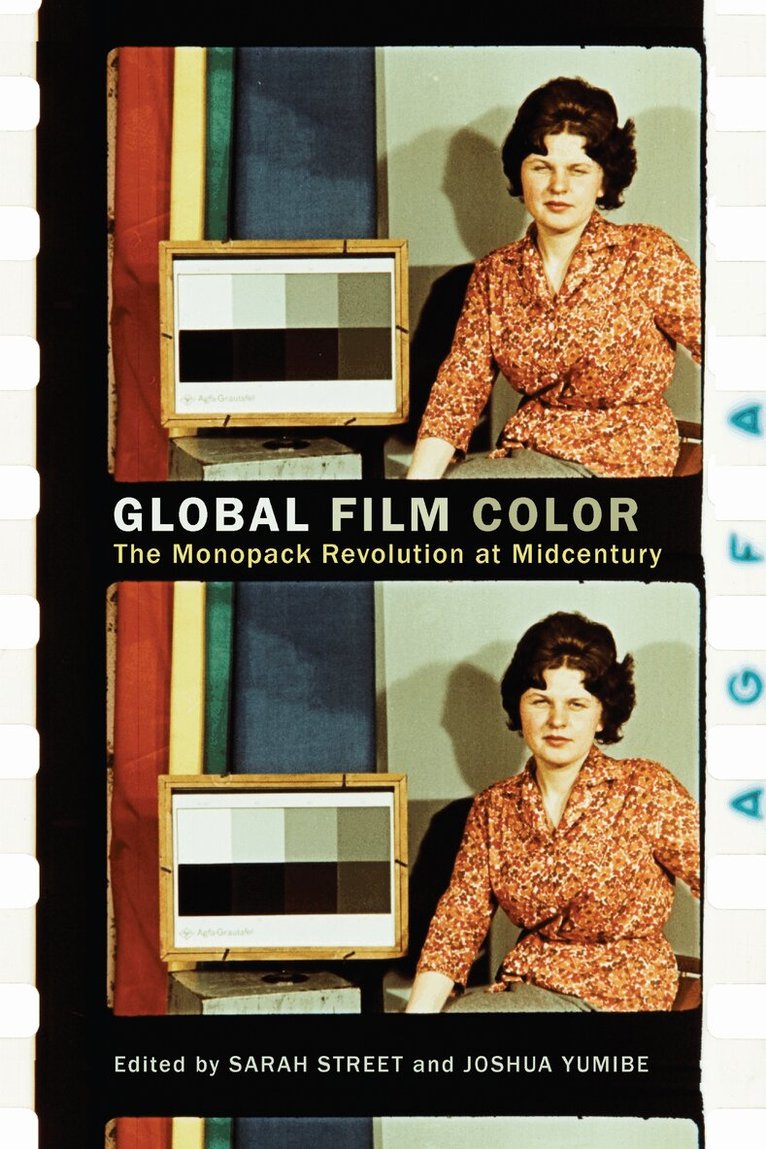
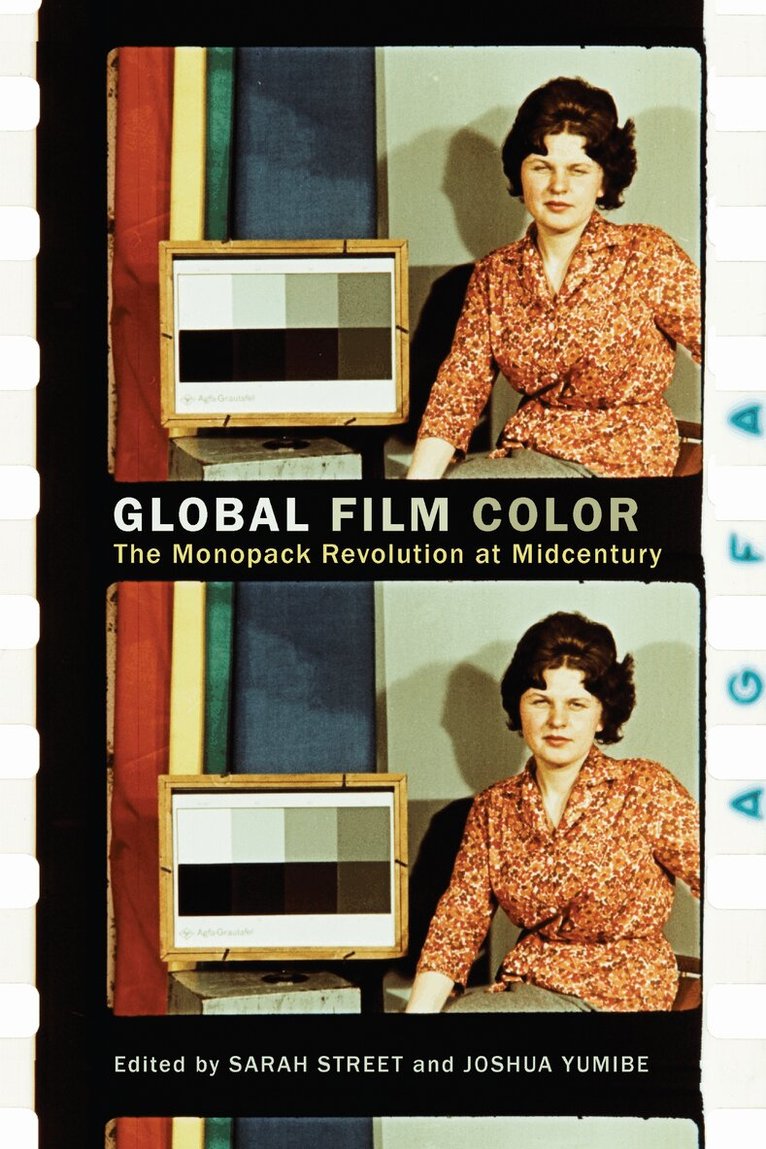
Global Film Color: The Monopack Revolution at Midcentury explores color filmmaking in a variety of countries and regions including India, China, Japan, and Russia, and across Europe and Africa. Most previous accounts of color film have concentrated on early 20th century color processes and Technicolor. Far less is known about the introduction and application of color technologies in the period from the mid-1940s to the 1980s, when photochemical, “monopack” color stocks came to dominate global film markets. As Eastmancolor, Agfacolor, Fujicolor and other film stocks became broadly available and affordable, national film industries increasingly converted to color, transforming the look and feel of global cinema. Covering a broad range of perspectives, the chapters explore themes such as transnational flows, knowledge exchange and transfer, the cyclical and asymmetrical circulation of technology in a global context, as well as the accompanying transformation of color film aesthetics in the postwar decades.
1 570 kr
Skickas inom 7-10 vardagar
Global Film Color: The Monopack Revolution at Midcentury explores color filmmaking in a variety of countries and regions including India, China, Japan, and Russia, and across Europe and Africa. Most previous accounts of color film have concentrated on early 20th century color processes and Technicolor. Far less is known about the introduction and application of color technologies in the period from the mid-1940s to the 1980s, when photochemical, “monopack” color stocks came to dominate global film markets. As Eastmancolor, Agfacolor, Fujicolor and other film stocks became broadly available and affordable, national film industries increasingly converted to color, transforming the look and feel of global cinema. Covering a broad range of perspectives, the chapters explore themes such as transnational flows, knowledge exchange and transfer, the cyclical and asymmetrical circulation of technology in a global context, as well as the accompanying transformation of color film aesthetics in the postwar decades.
660 kr
Tillfälligt slut
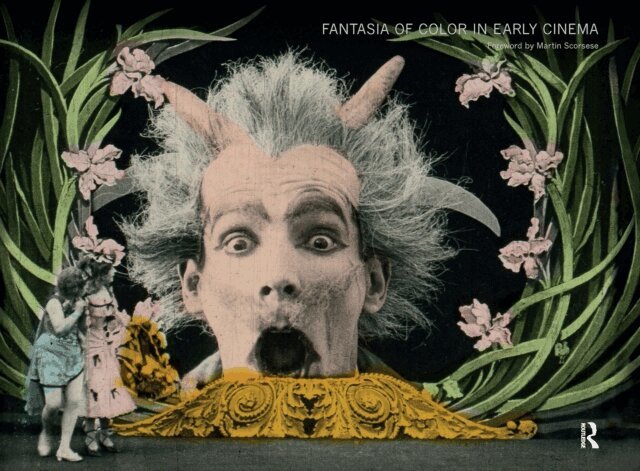
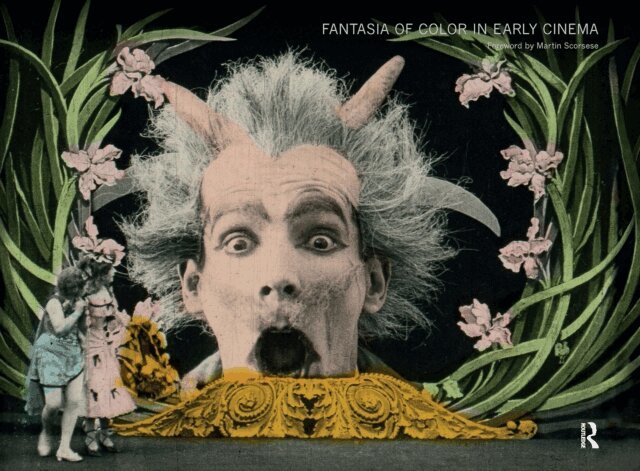
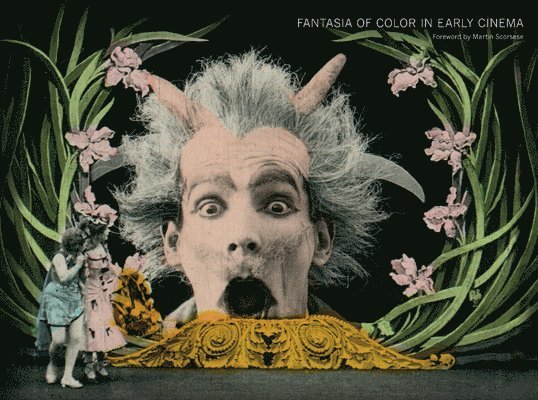
We normally think of early film as being black and white, but the first color cinematography appeared as early as the first decade of the twentieth century. In this visually stunning book, the editors present a treasure trove of early color film images from the archives of EYE Film Institute Netherlands, bringing to life their rich hues and forgotten splendor. Carefully selecting and reproducing frames from movies made before World War I, Fossati, Gunning, Rosen, and Yumibe share the images here in a full range of tones and colors. Accompanying essays discuss the history of early film and the technical processes that filmmakers employed to capture these fascinating images, while other contributions explore preservation techniques and describe the visual delights that early film has offered audiences, then and now. Featuring more than 300 color illustrations for readers to examine and enjoy, Fantasia of Color in Early Cinema will engage scholars and other readers of all ages and backgrounds.