Joy Dixon - Böcker
Visar alla böcker från författaren Joy Dixon. Handla med fri frakt och snabb leverans.
3 produkter
3 produkter
Del 119 - The Johns Hopkins University Studies in Historical and Political Science
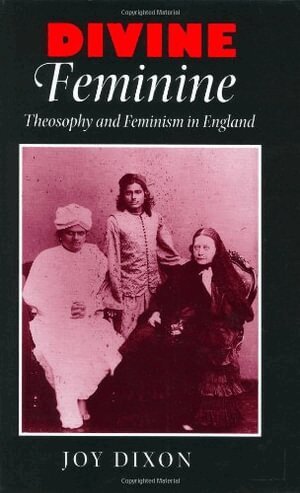
Divine Feminine
Theosophy and Feminism in England
Inbunden, Engelska, 2001
613 kr
Tillfälligt slut
In 1891, newspapers all over the world carried reports of the death of H. P. Blavatsky, the mysterious Russian woman who was the spiritual founder of the Theosophical Society. With the help of the equally mysterious Mahatmas who were her teachers, Blavatsky claimed to have brought the "ancient wisdom of the East" to the rescue of a materialistic West. In England, Blavatsky's earliest followers were mostly men, but a generation later the Theosophical Society was dominated by women, and theosophy had become a crucial part of feminist political culture. Divine Feminine is the first full-length study of the relationship between alternative or esoteric spirituality and the feminist movement in England. Historian Joy Dixon examines the Theosophical Society's claims that women and the East were the repositories of spiritual forces which English men had forfeited in their scramble for material and imperial power. Theosophists produced arguments that became key tools in many feminist campaigns. Many women of the Theosophical Society became suffragists to promote the spiritualizing of politics, attempting to create a political role for women as a way to "sacralize the public sphere."Dixon also shows that theosophy provides much of the framework and the vocabulary for today's New Age movement. Many of the assumptions about class, race, and gender which marked the emergence of esoteric religions at the end of the nineteenth century continue to shape alternative spiritualities today.
1 369 kr
Skickas inom 7-10 vardagar
In Britain at the end of the nineteenth century, the new sexual sciences—from anthropological accounts of religion as rooted in ancient fertility cults to psychoanalytic theories that explained religious experience in terms of psychosexual development—characterized religion as closely connected to the sexual. The outcome, as Joy Dixon argues, was a new sense that religion itself could be sexually suspect. One result was an increasing concern to police "sexual heresies" to produce a supposedly normal (healthy, monogamous, and heterosexual) religiosity. The overall effect was a narrowing of the sexual possibilities inside "orthodox" religion and the association of alternative forms of religion with dissident sexualities that continues to shape both religion and secularism today. Drawing on a wide range of materials from diverse elements of British society, this book emphasizes the dynamic relationships between the histories of religion and of sexuality and the historical contingency of the categories we use to understand the relationship between the two.
309 kr
Skickas
Thinking about relationships between religion and sexuality usually focuses on what religion has to say about sex. But new ideas about sex could also transform religion itself. In Britain at the end of the nineteenth century, the new sexual sciences—from anthropological accounts of religion as rooted in ancient fertility cults to psychoanalytic theories that explained religious experience in terms of psychosexual development—characterized religion as closely connected to the sexual. The outcome, as Joy Dixon traces in this book, was a new sense that religion itself could be sexually suspect. One result of that new suspicion was an increasing concern to police "sexual heresies" and to produce a supposedly normal (healthy, monogamous, and heterosexual) religiosity. The overall effect was a narrowing of the sexual possibilities inside "orthodox" religion and the increasing association of alternative forms of religion with dissident and marginal sexualities that continues to shape both religion and secularism today. Considering a wide range of materials emerging from a diverse array of British society, from modernist theologians and practitioners of sexual magic to conservative Christians and radical freethinkers, this book emphasizes the dynamic relationships between the histories of religion and of sexuality and the historical contingency of the categories we have used to understand the relationship between the two.