Joy Schulz – Författare
Visar alla böcker från författaren Joy Schulz. Handla med fri frakt och snabb leverans.
5 produkter
5 produkter
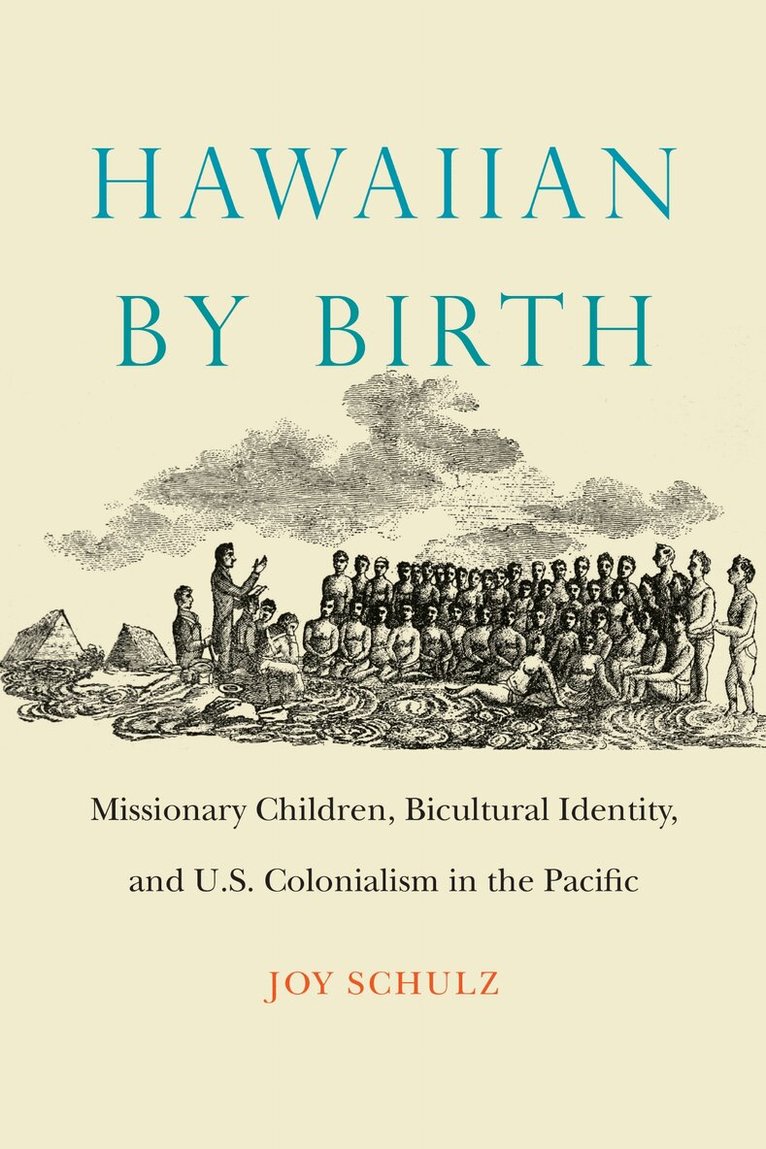
Hawaiian by Birth
Missionary Children, Bicultural Identity, and U.S. Colonialism in the Pacific
Inbunden, Engelska, 2017
558 kr
Skickas inom 10-15 vardagar
2018 Sally and Ken Owens Award from the Western History AssociationTwelve companies of American missionaries were sent to the Hawaiian Islands between 1819 and 1848 with the goal of spreading American Christianity and New England values. By the 1850s American missionary families in the islands had birthed more than 250 white children, considered Hawaiian subjects by the indigenous monarchy but U.S. citizens by missionary parents. In Hawaiian by Birth Joy Schulz explores the tensions among the competing parental, cultural, and educational interests affecting these children and, in turn, the impact the children had on nineteenth-century U.S. foreign policy.These children of white missionaries would eventually alienate themselves from the Hawaiian monarchy and indigenous population by securing disproportionate economic and political power. Their childhoods-complicated by both Hawaiian and American influences-led to significant political and international ramifications once the children reached adulthood. Almost none chose to follow their parents into the missionary profession, and many rejected the Christian faith. Almost all supported the annexation of Hawai‘i despite their parents’ hope that the islands would remain independent.Whether the missionary children moved to the U.S. mainland, stayed in the islands, or traveled the world, they took with them a sense of racial privilege and cultural superiority. Schulz adds children’s voices to the historical record with this first comprehensive study of the white children born in the Hawaiian Islands between 1820 and 1850 and their path toward political revolution.
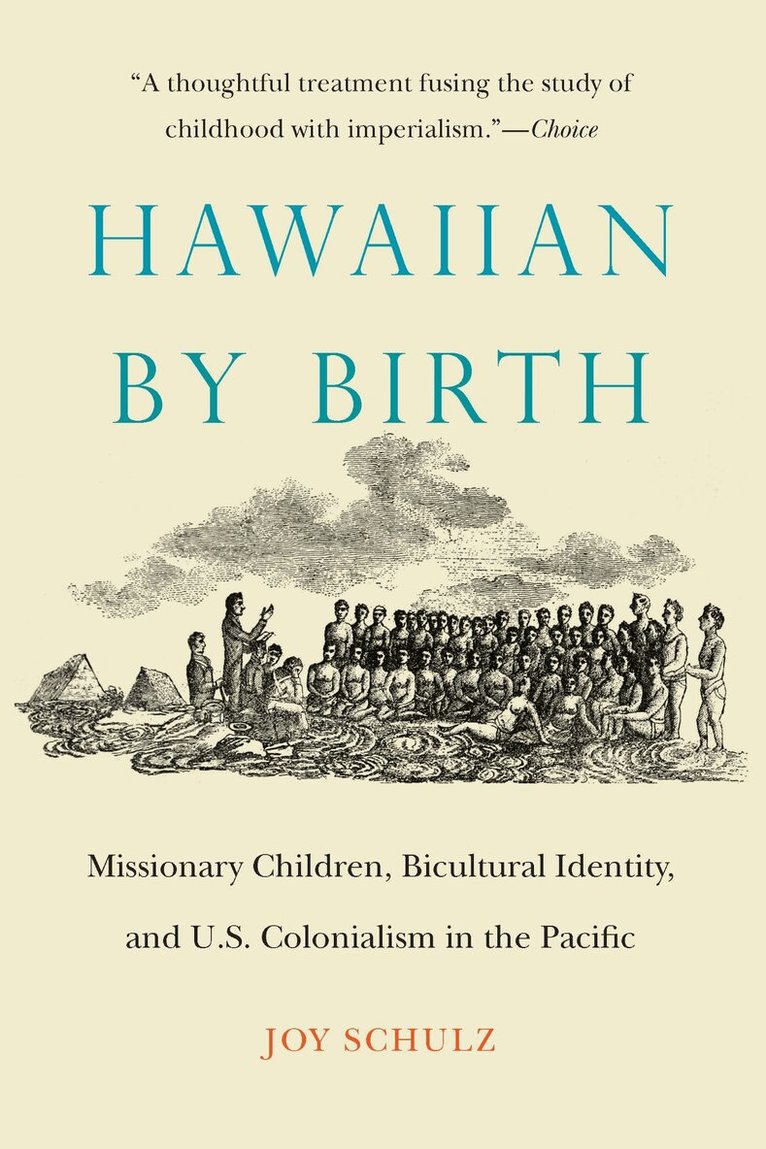
Hawaiian by Birth
Missionary Children, Bicultural Identity, and U.S. Colonialism in the Pacific
Häftad, Engelska, 2020
324 kr
Skickas inom 10-15 vardagar
2018 Sally and Ken Owens Award from the Western History AssociationTwelve companies of American missionaries were sent to the Hawaiian Islands between 1819 and 1848 with the goal of spreading American Christianity and New England values. By the 1850s American missionary families in the islands had birthed more than 250 white children, considered Hawaiian subjects by the indigenous monarchy but U.S. citizens by missionary parents. In Hawaiian by Birth Joy Schulz explores the tensions among the competing parental, cultural, and educational interests affecting these children and, in turn, the impact the children had on nineteenth-century U.S. foreign policy.These children of white missionaries would eventually alienate themselves from the Hawaiian monarchy and indigenous population by securing disproportionate economic and political power. Their childhoods-complicated by both Hawaiian and American influences-led to significant political and international ramifications once the children reached adulthood. Almost none chose to follow their parents into the missionary profession, and many rejected the Christian faith. Almost all supported the annexation of Hawai‘i despite their parents’ hope that the islands would remain independent.Whether the missionary children moved to the U.S. mainland, stayed in the islands, or traveled the world, they took with them a sense of racial privilege and cultural superiority. Schulz adds children’s voices to the historical record with this first comprehensive study of the white children born in the Hawaiian Islands between 1820 and 1850 and their path toward political revolution.
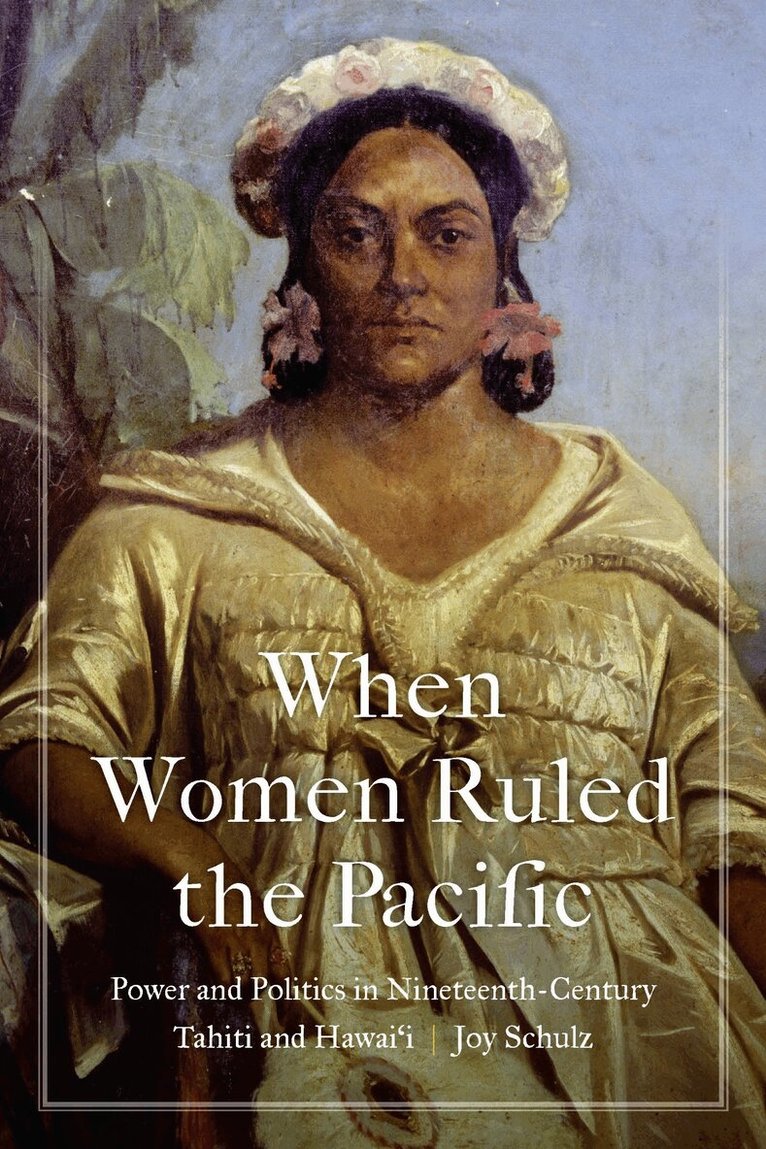
When Women Ruled the Pacific
Power and Politics in Nineteenth-Century Tahiti and Hawai'i
Inbunden, Engelska, 2023
558 kr
Skickas inom 10-15 vardagar
Throughout the nineteenth century British and American imperialists advanced into the Pacific, with catastrophic effects for Polynesian peoples and cultures. In both Tahiti and Hawai‘i, women rulers attempted to mitigate the effects of these encounters, utilizing their power amid the destabilizing influence of the English and Americans. However, as the century progressed, foreign diseases devastated the Tahitian and Hawaiian populations, and powerful European militaries jockeyed for more formal imperial control over Polynesian waystations, causing Tahiti to cede rule to France in 1847 and Hawai‘i to relinquish power to the United States in 1893.In When Women Ruled the Pacific Joy Schulz highlights four Polynesian women rulers who held enormous domestic and foreign power and expertly governed their people amid shifting loyalties, outright betrayals, and the ascendancy of imperial racism. Like their European counterparts, these Polynesian rulers fought arguments of lineage, as well as battles for territorial control, yet the freedom of Polynesian women in general and women rulers in particular was unlike anything Europeans and Americans had ever seen. Consequently, white chroniclers of contact had difficulty explaining their encounters, initially praising yet ultimately condemning Polynesian gender systems, resulting in the loss of women’s autonomy. The queens’ successes have been lost in the archives as imperial histories and missionary accounts chose to tell different stories. In this first book to consider queenship and women’s political sovereignty in the Pacific, Schulz recenters the lives of the women rulers in the history of nineteenth-century international relations.
144 kr
Skickas inom 5-8 vardagar
940 kr
Kommande
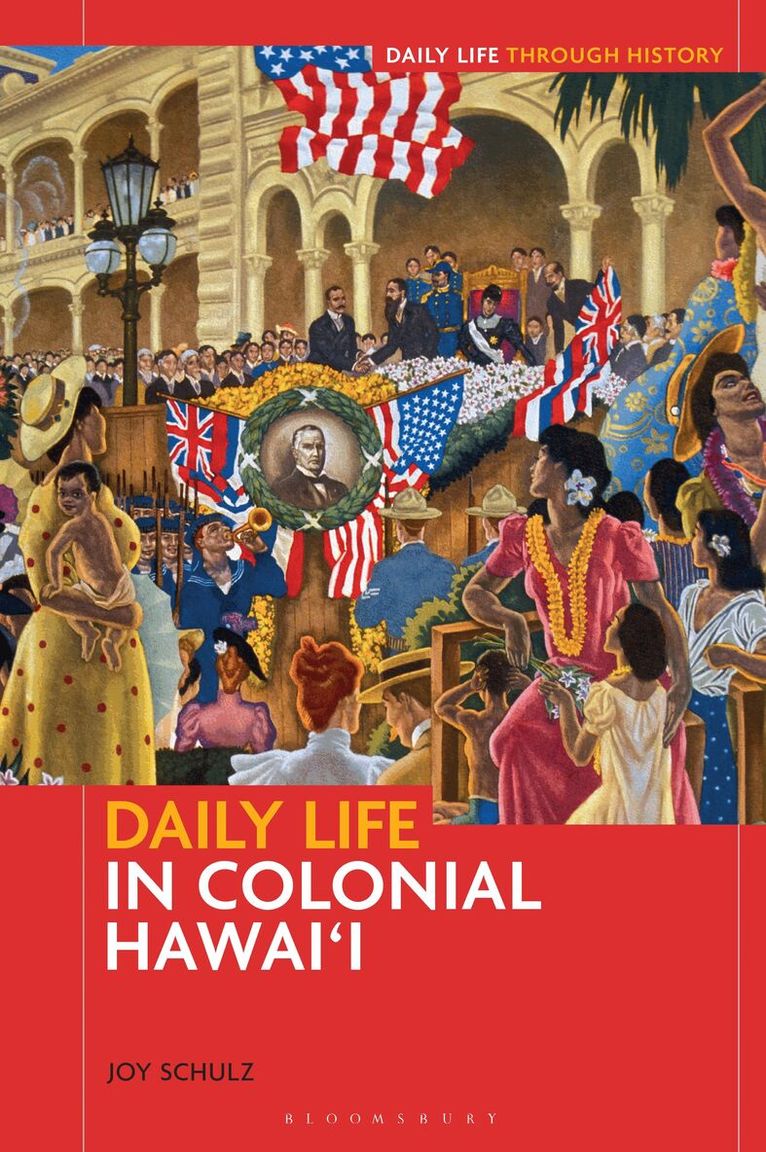
Discover the textures of everyday life in colonial Hawai'i—from missionary households and sugar plantations to hula schools and military bases—through the eyes of the people who lived it.Daily Life in Colonial Hawai'i offers a rich, ground-level view of life in the Hawaiian Islands during the complex and often turbulent colonial period. Spanning the decades between the arrival of American missionaries in the 1820s and the islands’ eventual admission as the 50th U.S. state in 1959, this book explores how colonialism reshaped Hawaiian society—and how Hawaiians and immigrants from around the world adapted, resisted, and made lives of their own.Organized thematically, each chapter examines a different facet of everyday experience, including missionary family routines, plantation labor and economic systems, the rise of public and private schooling, cultural practices such as hula and lei-making, religious transformations, military presence, and the birth of tourism. Drawing on a wide array of primary sources, Daily Life in Colonial Hawai'i brings into focus the stories of Native Hawaiians, Chinese and Japanese laborers, Portuguese immigrants, Filipino plantation workers, and American settlers navigating a world of rapid change and contested power.