Joyce K. Berry - Böcker
Visar alla böcker från författaren Joyce K. Berry. Handla med fri frakt och snabb leverans.
2 produkter
2 produkter
398 kr
Skickas inom 5-8 vardagar
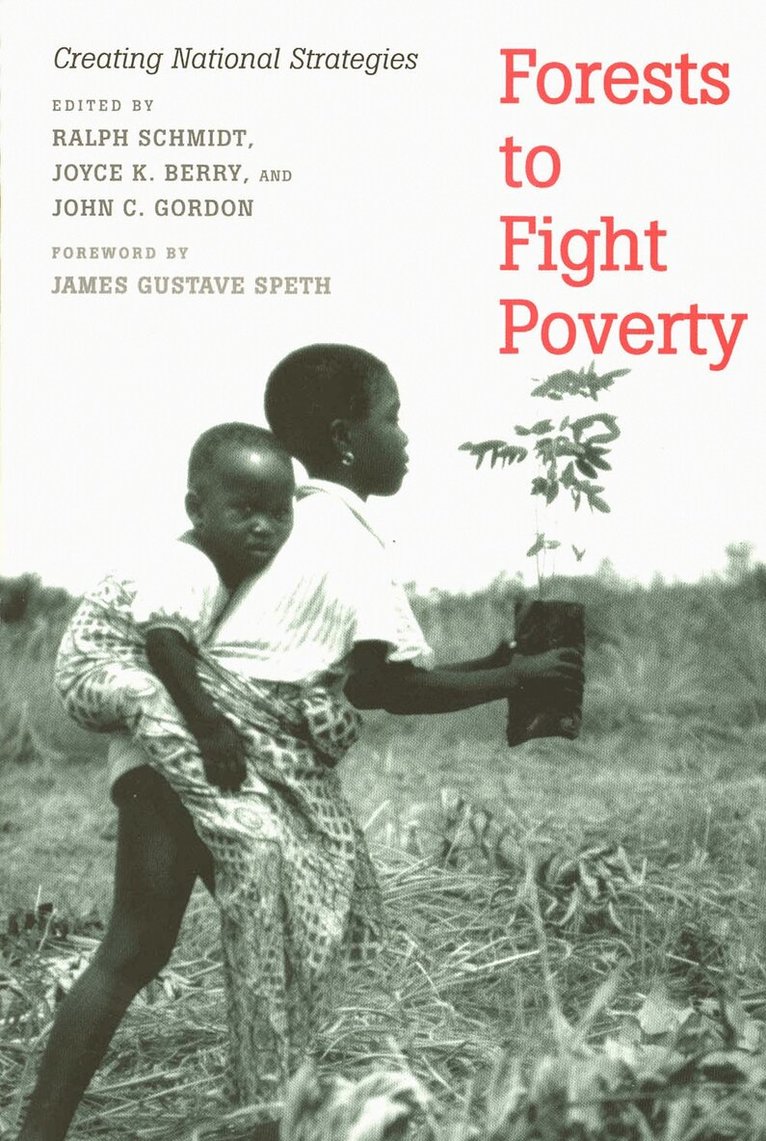
As the potential global impact of forest destruction and degradation becomes better understood, the link between poverty and deforestation in developing countries is of increasing concern. In this clear, focused book, eminent members of the worldwide forestry community, under the auspices of the United Nations Development Programme, explore the biological, social, and economic causes of tropical deforestation and offer remedies appropriate to the biology and culture of diverse regions and localities. Modern forestry techniques, the contributors show, make it possible to alleviate poverty through sustainable forest management and conservation. But, this can happen only if we understand and effectively manage each factor that significantly affects forests and local populations.The authors look at the relationships between forests and poverty; examine successes and failures in agroforestry, the development and maintenance of national parks, and commercialization; and assess the impact on forests of rural poor families, land ownership, and property rights. The authors also describe the importance of cooperation and partnerships at local, regional, and national levels in the creation of forest strategies, and they urge nations to use a locally based approach appropriate to the biology and culture of the specific geographic location.Contributors to this volume:Charles Benbrook, Joyce K. Berry, John C. Gordon, Calestous Juma, Ruben Guevara, Tapani Oksanen, David Pearce, Nancy Peluso, Ralph Schmidt, John Spears
Environmental Leadership Equals Essential Leadership
Redefining Who Leads and How
Häftad, Engelska, 2012
381 kr
Skickas inom 5-8 vardagar
An innovative guide to reshaping leadership practices to meet the needs of our changing worldThe important new approach to leadership that John Gordon and Joyce Berry explain in this book is built upon the experiences of environmental and natural resource organizations as they contend with complex, long-term problems. But the lessons learned apply beyond these groups--to all modern organizations, for-profit and non-profit, that are dealing with the complicated conditions of the twenty-first century.Leadership is a learned skill and can be acquired by anyone willing to make the effort, say the authors. And, through case studies of a variety of organizations, they emphasize that all members of productive groups must be ready to take the lead when their specific skills are most relevant to the problem at hand. The authors analyze how organizations and individuals can adopt this new leadership mode, and they discuss the results of a recent survey of leadership ideas and attitudes among active environmental leaders. Shifting emphasis away from celebrated leaders on the world stage, Gordon and Berry focus on “essential” leadership—the kind that engages each member of an organization on an everyday basis.