Juan Signes Codoñer – författare
Visar alla böcker från författaren Juan Signes Codoñer. Handla med fri frakt och snabb leverans.
12 produkter
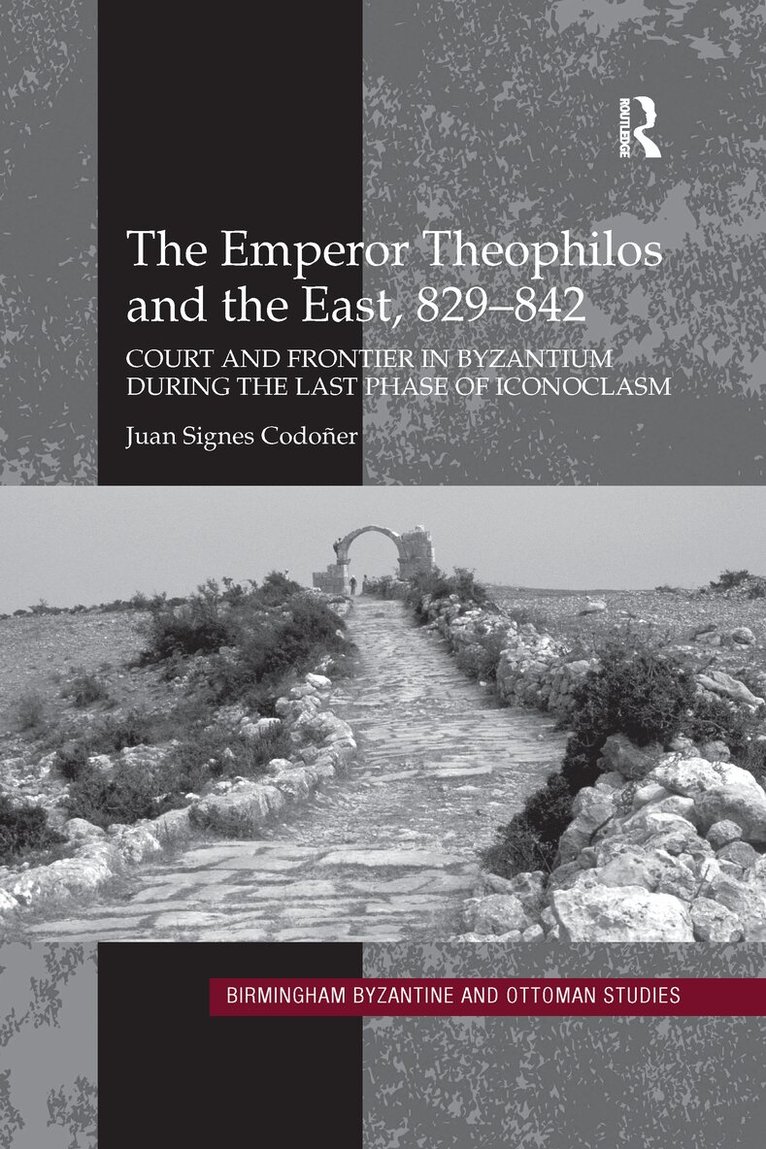
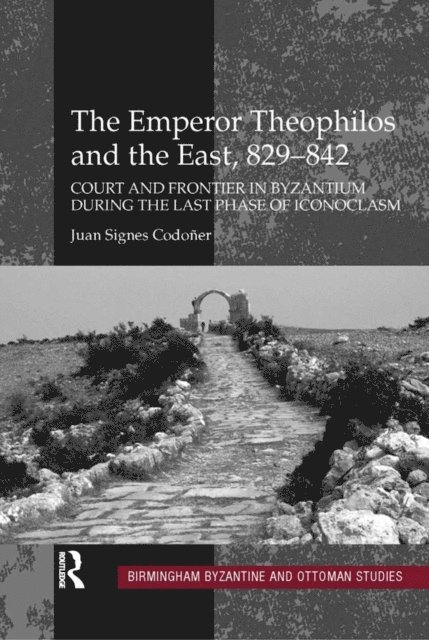
Emperor Theophilos and the East, 829–842
Court and Frontier in Byzantium during the Last Phase of Iconoclasm
Häftad, 2020
727 kr
Lägg i varukorg
Modern historiography has become accustomed to portraying the emperor Theophilos of Byzantium (829-842) in a favourable light, taking at face value the legendary account that makes of him a righteous and learned ruler, and excusing as ill fortune his apparent military failures against the Muslims. …
Emperor Theophilos and the East, 829-842
Court and Frontier in Byzantium During the Last Phase of Iconoclasm
Inbunden, 2014
2588 kr
Lägg i varukorg
Modern historiography has become accustomed to portraying the emperor Theophilos of Byzantium (829-842) in a favourable light, taking at face value the legendary account that makes of him a righteous and learned ruler, and excusing as ill fortune his apparent military failures against the Muslims. …
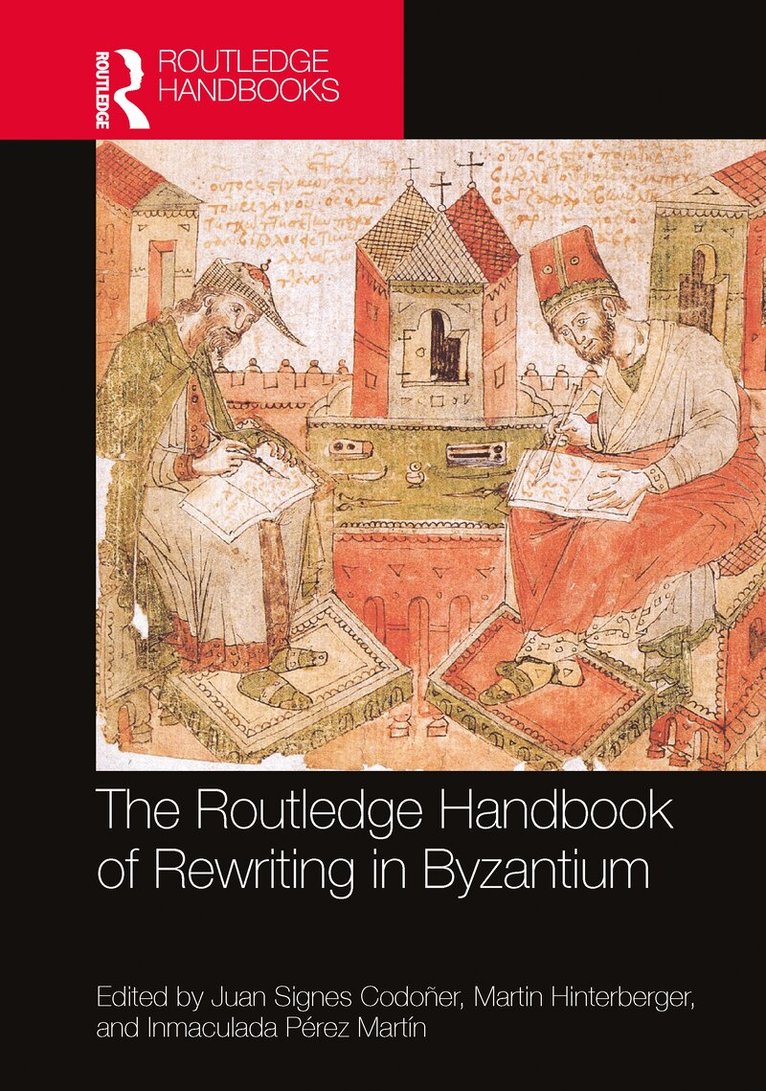
Routledge Handbook of Rewriting in Byzantium
Av Juan Signes Codoñer, Martin Hinterberger m. fl.
Inbunden, 2025
4360 kr
Lägg i varukorg
The Routledge Handbook of Rewriting in Byzantium presents an overview of the various rewriting processes involved in the production of Byzantine literature. Due to the lack of recent systematic research on the totality of Byzantine literature, which embraces a long millennium of texts, the fluid …
Routledge Handbook of Rewriting in Byzantium
Av Inmaculada Perez Martin, Martin Hinterberger m. fl.
E-bok, 2025
1095 kr
Lägg i varukorg
The Routledge Handbook of Rewriting in Byzantium presents an overview of the various rewriting processes involved in the production of Byzantine literature. Due to the lack of recent systematic research on the totality of Byzantine literature, which embraces a long millennium of texts, the fluid …
Routledge Handbook of Rewriting in Byzantium
Av Inmaculada Perez Martin, Martin Hinterberger m. fl.
E-bok, 2025
1072 kr
Lägg i varukorg
The Routledge Handbook of Rewriting in Byzantium presents an overview of the various rewriting processes involved in the production of Byzantine literature. Due to the lack of recent systematic research on the totality of Byzantine literature, which embraces a long millennium of texts, the fluid …
Emperor Theophilos and the East, 829-842
Court and Frontier in Byzantium during the Last Phase of Iconoclasm
E-bok, 2016
856 kr
Lägg i varukorg
Modern historiography has become accustomed to portraying the emperor Theophilos of Byzantium (829-842) in a favourable light, taking at face value the legendary account that makes of him a righteous and learned ruler, and excusing as ill fortune his apparent military failures against the Muslims. …
Emperor Theophilos and the East, 829-842
Court and Frontier in Byzantium during the Last Phase of Iconoclasm
E-bok, 2016
856 kr
Lägg i varukorg
Modern historiography has become accustomed to portraying the emperor Theophilos of Byzantium (829-842) in a favourable light, taking at face value the legendary account that makes of him a righteous and learned ruler, and excusing as ill fortune his apparent military failures against the Muslims. …
Chronographiae quae Theophanis Continuati nomine fertur Libri I-IV
Recensuerunt anglice verterunt indicibus instruxerunt Michael Featherstone et Juan Signes-Codoñer, nuper repertis schedis Caroli de Boor adiuvantibus
Av Juan Signes-Codoner, Jeffrey Michael Featherstone
E-bok, 2015
2370 kr
Lägg i varukorg
Taking up where the the chronicle of the monk Theophanes leaves off , the compilation known as Theophanes Continuatus was originally commissioned by the emperor Constantine VII (912–959) and marked the revival, or reinvention, of the genre of history in Byzantium, which also included the less …
Chronographiae Quae Theophanis Continuati Nomine Fertur Libri I-IV
Recensuerunt Anglice Verterunt Indicibus Instruxerunt Michael Featherstone Et Juan Signes-Codoñer, Nuper Repertis Schedis Caroli de Boor Adiuvantibus
Av Jeffrey Michael Featherstone, Juan Signes-Codoñer
Inbunden, 2015
2096 kr
Lägg i varukorg
Taking up where the the chronicle of the monk Theophanes leaves off , the compilation known as Theophanes Continuatus was originally commissioned by the emperor Constantine VII (912–959) and marked the revival, or reinvention, of the genre of history in Byzantium, which also included the less …
Chronographiae quae Theophanis Continuati nomine fertur Libri I-IV
Recensuerunt anglice verterunt indicibus instruxerunt Michael Featherstone et Juan Signes-Codoñer, nuper repertis schedis Caroli de Boor adiuvantibus
Av Juan Signes-Codoner, Jeffrey Michael Featherstone
E-bok, 2015
2370 kr
Lägg i varukorg
Taking up where the the chronicle of the monk Theophanes leaves off , the compilation known as Theophanes Continuatus was originally commissioned by the emperor Constantine VII (912–959) and marked the revival, or reinvention, of the genre of history in Byzantium, which also included the less …
Chronographiae quae Theophanis Continuati nomine fertur Liber VI
Recensuerunt anglice verterunt indicibus instruxerunt Michael Featherstone et Juan Signes Codoñer
Av Jeffrey Michael Featherstone, Juan Signes Codoñer
Inbunden, 2025
2500 kr
Lägg i varukorg
The volume presents a critical edition and translation of the final part of the Byzantine text known as Theophanes Continuatus. Entitled 'Book VI' by previous editors, the text follows upon Books I-IV and the Vita Basilii which recount the reigns of the emperors from AD 813 to the death of Basil I …
Breve guia de la literatura griega desde Hesiodo hasta Pleton
E-bok, 2019
182 kr
Lägg i varukorg
El presente libro es una historia de la literatura griega que abarca tanto la Antiguedad como la Edad Media, la primera obra de esta clase escrita en cualquier lengua que aborda este periodo de mas de dos milenios. Pese a los multiples cambios politicos, religiosos y culturales por los que pasaron …