

1 152 kr
Skickas inom 5-8 vardagar
1 152 kr
Skickas inom 5-8 vardagar
839 kr
Läs direkt efter köp
770 kr
Skickas inom 10-15 vardagar

432 kr
Skickas inom 5-8 vardagar
606 kr
Skickas inom 10-15 vardagar

1 047 kr
Skickas inom 10-15 vardagar

578 kr
Läs direkt efter köp
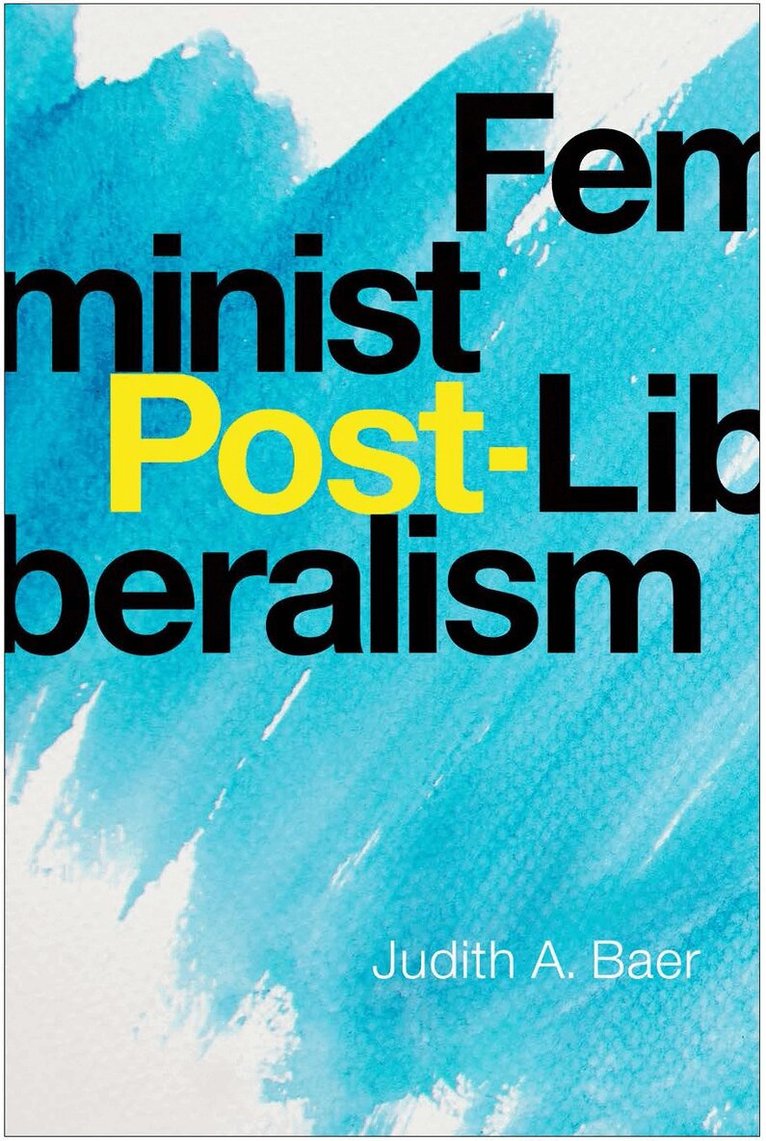
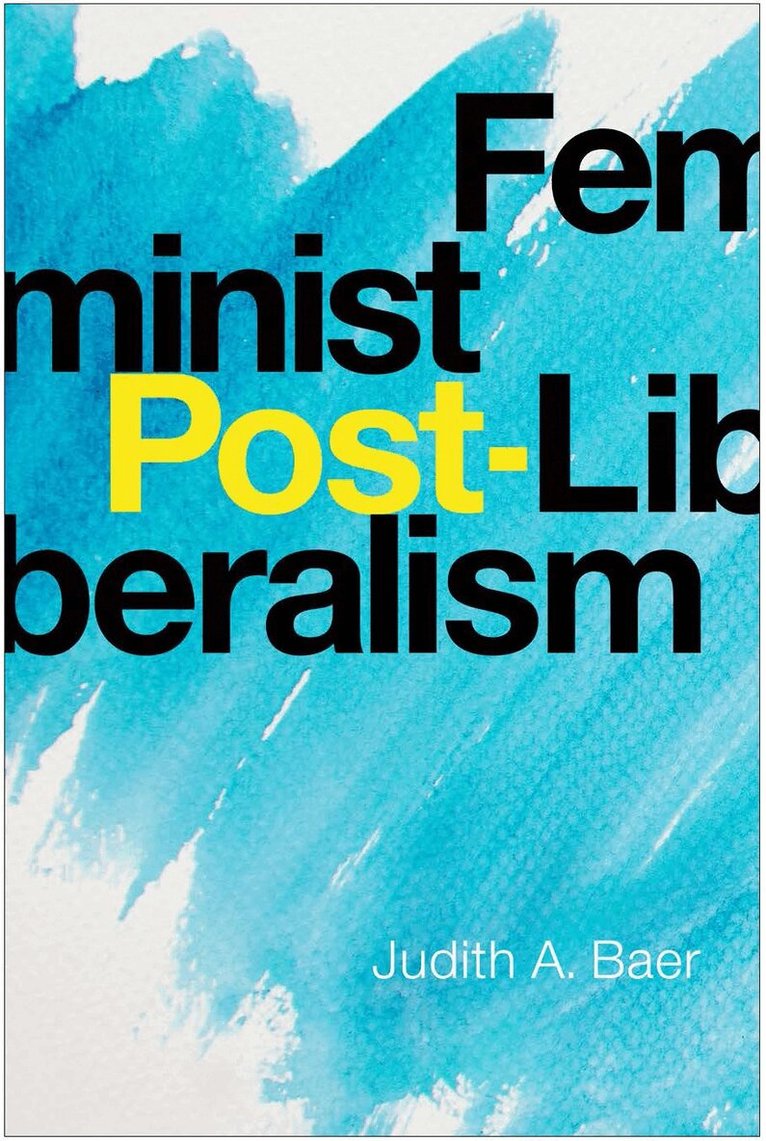
According to Judith Baer, feminist legal scholarship today does not effectively address the harsh realities of women''s lives. Feminists have marginalized themselves, she argues, by withdrawing from mainstream intellectual discourse. In Our Lives Before the Law, Baer thus presents the framework for a new feminist jurisprudence--one that would return feminism to relevance by connecting it in fresh and creative ways with liberalism. Baer starts from the traditional feminist premise that the legal system has a male bias and must do more to help women combat violence and overcome political, economic, and social disadvantages. She argues, however, that feminist scholarship has over-corrected for this bias. By emphasizing the ways in which the system fails women, feminists have lost sight of how it can be used to promote women''s interests and have made it easy for conventional scholars to ignore legitimate feminist concerns. In particular, feminists have wrongly linked the genuine flaws of conventional legal theory to its basis in liberalism, arguing that liberalism focuses too heavily on individual freedom and not enough on individual responsibility. In fact, Baer contends, liberalism rests on a presumption of personal responsibility and can be used as a powerful intellectual foundation for holding men and male institutions more accountable for their actions. The traditional feminist approach, Baer writes, has led to endless debates about such abstract matters as character differences between men and women, and has failed to deal sufficiently with concrete problems with the legal system. She thus constructs a new feminist interpretation of three central components of conventional theory--equality, rights, and responsibility--through analysis of such pressing legal issues as constitutional interpretation, reproductive choice, and fetal protection. Baer concludes by presenting the outline of what she calls "feminist post-liberalism": an approach to jurisprudence that not only values individual freedoms but also recognizes our responsibility for addressing individuals'' needs, however different those may be for men and women. Powerfully and passionately written, Our Lives Before the Law will have a major impact on the future course of feminist legal scholarship.
1 028 kr
Skickas inom 5-8 vardagar
351 kr
Skickas inom 5-8 vardagar
249 kr
Skickas inom 10-15 vardagar
1 152 kr
Skickas inom 5-8 vardagar
839 kr
Läs direkt efter köp
770 kr
Skickas inom 10-15 vardagar
432 kr
Skickas inom 5-8 vardagar
606 kr
Skickas inom 10-15 vardagar
1 047 kr
Skickas inom 10-15 vardagar
578 kr
Läs direkt efter köp
According to Judith Baer, feminist legal scholarship today does not effectively address the harsh realities of women''s lives. Feminists have marginalized themselves, she argues, by withdrawing from mainstream intellectual discourse. In Our Lives Before the Law, Baer thus presents the framework for a new feminist jurisprudence--one that would return feminism to relevance by connecting it in fresh and creative ways with liberalism. Baer starts from the traditional feminist premise that the legal system has a male bias and must do more to help women combat violence and overcome political, economic, and social disadvantages. She argues, however, that feminist scholarship has over-corrected for this bias. By emphasizing the ways in which the system fails women, feminists have lost sight of how it can be used to promote women''s interests and have made it easy for conventional scholars to ignore legitimate feminist concerns. In particular, feminists have wrongly linked the genuine flaws of conventional legal theory to its basis in liberalism, arguing that liberalism focuses too heavily on individual freedom and not enough on individual responsibility. In fact, Baer contends, liberalism rests on a presumption of personal responsibility and can be used as a powerful intellectual foundation for holding men and male institutions more accountable for their actions. The traditional feminist approach, Baer writes, has led to endless debates about such abstract matters as character differences between men and women, and has failed to deal sufficiently with concrete problems with the legal system. She thus constructs a new feminist interpretation of three central components of conventional theory--equality, rights, and responsibility--through analysis of such pressing legal issues as constitutional interpretation, reproductive choice, and fetal protection. Baer concludes by presenting the outline of what she calls "feminist post-liberalism": an approach to jurisprudence that not only values individual freedoms but also recognizes our responsibility for addressing individuals'' needs, however different those may be for men and women. Powerfully and passionately written, Our Lives Before the Law will have a major impact on the future course of feminist legal scholarship.
1 028 kr
Skickas inom 5-8 vardagar
351 kr
Skickas inom 5-8 vardagar
249 kr
Skickas inom 10-15 vardagar