Judith M. Barringer - Böcker
Visar alla böcker från författaren Judith M. Barringer. Handla med fri frakt och snabb leverans.
7 produkter
7 produkter
694 kr
Skickas inom 7-10 vardagar
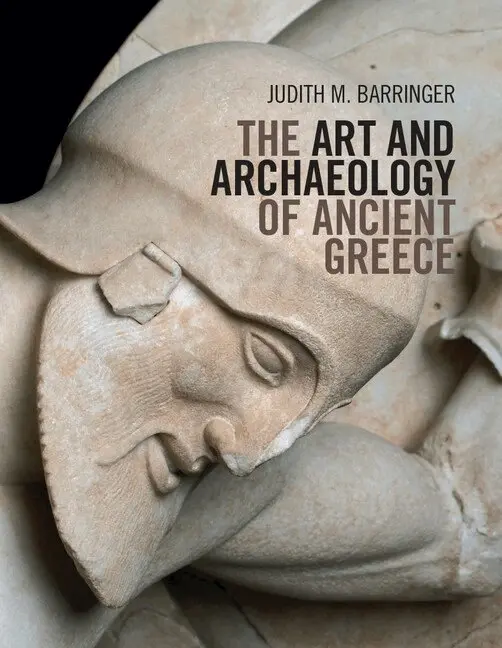
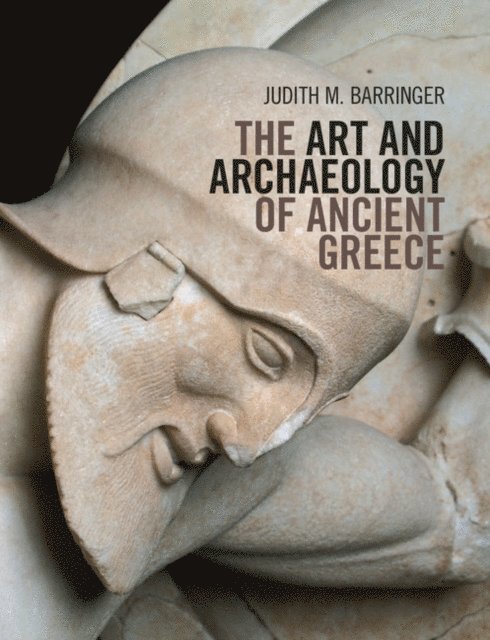
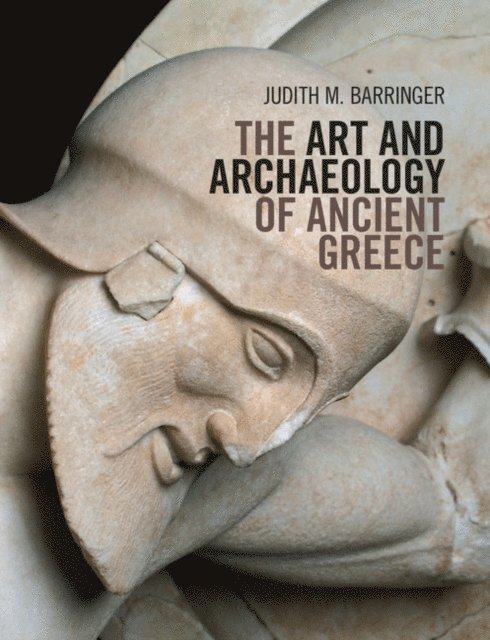
This richly illustrated, four-colour textbook introduces the art and archaeology of ancient Greece, from the Bronze Age through to the Roman conquest. Suitable for students with no prior knowledge of ancient art, this textbook reviews the main objects and monuments of the ancient Greek world, emphasizing the context and function of these artefacts in their particular place and time. Students are led to a rich understanding of how objects were meant to be perceived, what 'messages' they transmitted and how the surrounding environment shaped their meaning. The book contains nearly five hundred illustrations (with over four hundred in colour), including specially commissioned photographs, maps, floorplans and reconstructions. Judith M. Barringer examines a variety of media, including marble and bronze sculpture, public and domestic architecture, painted vases, coins, mosaics, terracotta figurines, reliefs, jewellery and wall paintings. Numerous text boxes, chapter summaries and timelines, complemented by a detailed glossary, support student learning.
1 065 kr
Skickas inom 7-10 vardagar
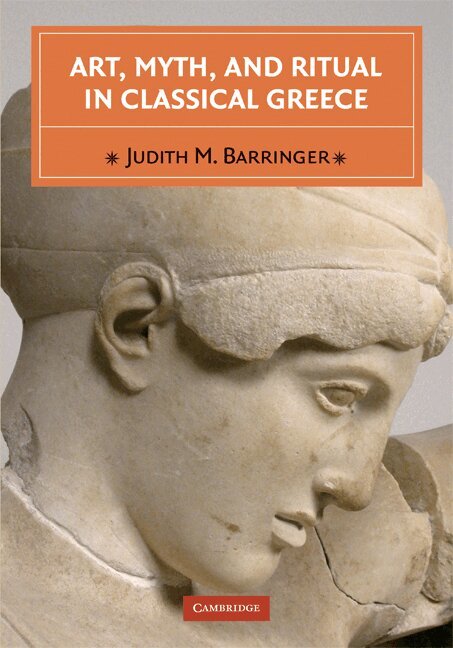
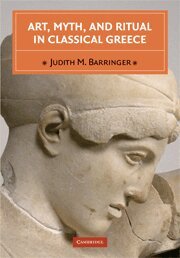
What do Greek myths mean and how was meaning created for the ancient viewer? In Art, Myth, and Ritual in Classical Greece, Judith Barringer considers the use of myth on monuments at several key sites - Olympia, Athens, Delphi, and Trysa - showing that myth was neither randomly selected nor purely decorative. The mythic scenes on these monuments had meaning, the interpretation of which depends on context. Barringer explains how the same myth can possess different meanings and how, in a monumental context, the mythological image relates to the site and often to other monuments surrounding it, which redouble, resonate, or create variation on a theme. The architectural sculpture examined here is discussed in a series of five case studies, which are chronologically arranged and offer a range of physical settings, historical and social circumstances, and interpretive problems. Providing new interpretations of familiar monuments, this volume also offers a comprehensive way of seeing and understanding Greek art and culture as an integrated whole.
409 kr
Skickas inom 7-10 vardagar
What do Greek myths mean and how was meaning created for the ancient viewer? In Art, Myth, and Ritual in Classical Greece, Judith Barringer considers the use of myth on monuments at several key sites - Olympia, Athens, Delphi, and Trysa - showing that myth was neither randomly selected nor purely decorative. The mythic scenes on these monuments had meaning, the interpretation of which depends on context. Barringer explains how the same myth can possess different meanings and how, in a monumental context, the mythological image relates to the site and often to other monuments surrounding it, which redouble, resonate, or create variation on a theme. The architectural sculpture examined here is discussed in a series of five case studies, which are chronologically arranged and offer a range of physical settings, historical and social circumstances, and interpretive problems. Providing new interpretations of familiar monuments, this volume also offers a comprehensive way of seeing and understanding Greek art and culture as an integrated whole.
497 kr
Skickas inom 7-10 vardagar
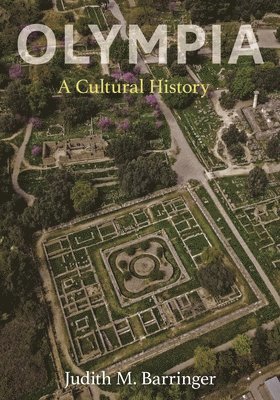
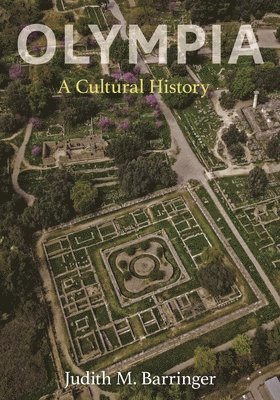
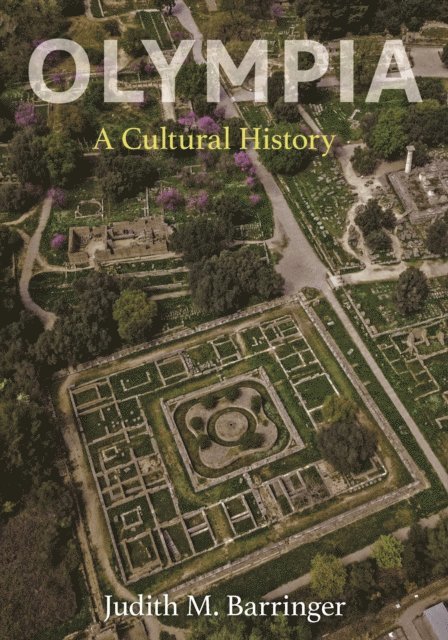
A comprehensive and richly illustrated history of one of the most important athletic, religious, and political sites in the ancient Greek and Roman worldThe memory of ancient Olympia lives on in the form of the modern Olympic Games. But in the ancient world, Olympia was renowned for far more than its athletic contests. In Olympia, Judith Barringer provides a comprehensive and richly illustrated history of one of the most important sites in the ancient Greek and Roman world, where athletic competitions took place alongside—and were closely connected with—crucial religious and political activities.Barringer describes the development of the Altis, the most sacred area of Olympia, where monuments to athletes successful in the games joined those erected to the gods and battlefield victories. Rival city-states and rulers built monuments to establish eminence, tout alliances, and join this illustrious company in a rich intergenerational dialogue. The political importance of Olympia was matched by its place as the largest sanctuary dedicated to Zeus, king of the gods. Befitting Zeus’s role as god of warfare, the Olympian oracle was consulted to ensure good omens for war, and the athletic games embodied the fierce competition of battle. Other gods and heroes were worshipped at Olympia too, Hera, Artemis, and Herakles among them.Drawing on a comprehensive knowledge of the archaeological record, Barringer describes the full span of Olympia’s history, from the first monumental building around 600 BC to the site’s gradual eclipse in the late Christianized Roman empire. Extensively illustrated with maps and diagrams, Olympia brings the development of Olympia vividly to life for modern readers.
284 kr
Skickas
A comprehensive and richly illustrated history of one of the most important athletic, religious, and political sites in the ancient Greek and Roman worldThe memory of ancient Olympia lives on in the form of the modern Olympic Games. But in the ancient world, Olympia was renowned for far more than its athletic contests. In Olympia, Judith Barringer provides a comprehensive and richly illustrated history of one of the most important sites in the ancient Greek and Roman world, where athletic competitions took place alongside—and were closely connected with—crucial religious and political activities.Barringer describes the development of the Altis, the most sacred area of Olympia, where monuments to athletes successful in the games joined those erected to the gods and battlefield victories. Rival city-states and rulers built monuments to establish eminence, tout alliances, and join this illustrious company in a rich intergenerational dialogue. The political importance of Olympia was matched by its place as the largest sanctuary dedicated to Zeus, king of the gods. Befitting Zeus’s role as god of warfare, the Olympian oracle was consulted to ensure good omens for war, and the athletic games embodied the fierce competition of battle. Other gods and heroes were worshipped at Olympia too, Hera, Artemis, and Herakles among them.Drawing on a comprehensive knowledge of the archaeological record, Barringer describes the full span of Olympia’s history, from the first monumental building around 600 BC to the site’s gradual eclipse in the late Christianized Roman empire. Extensively illustrated with maps and diagrams, Olympia brings the development of Olympia vividly to life for modern readers.
611 kr
Tillfälligt slut
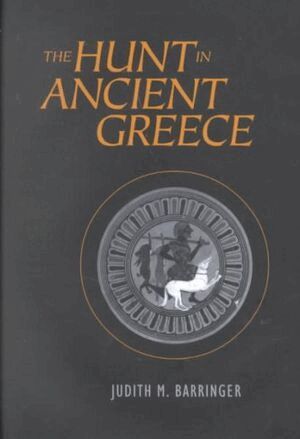
Hunting and its imagery continued to play a significant role in archaic and classical Greece long after hunting had ceased being a necessity for survival in everyday life. Drawing on vase paintings, sculpture, inscriptions, and other literary evidence, Judith Barringer reexamines the theme of the hunt and shows how the tradition it depicts helped maintain the dominance of the ruling social groups. Along with athletics and battle, hunting was a defining activity of the masculine aristocracy and was crucial to the efforts of the Athenian elite to control the social agenda, even as their political power declined. The Hunt in Ancient Greece examines descriptions of hunting in initiation rituals as well as the ideals of masculinity and adulthood such rites of passage promoted. Barringer argues that depictions of the hunt in literature and art also served as striking metaphors for the intricacies of courtship, shedding light on sexuality and gender roles. Through an exploration of various representations of the hunt, Barringer provides extraordinary insight into Athenian society.
1 498 kr
Skickas inom 7-10 vardagar
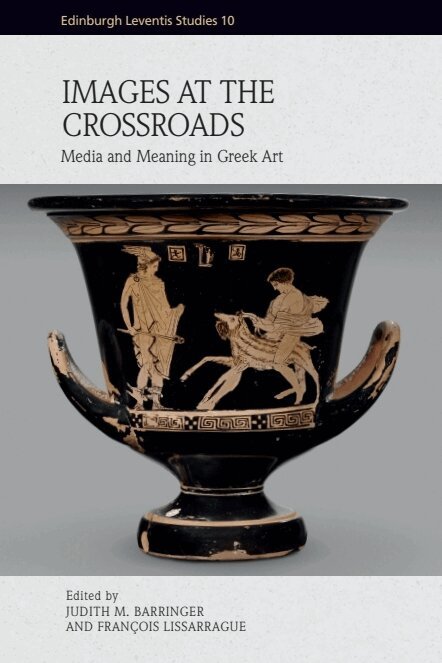
New studies on the interaction of various media in ancient Greek art This collection includes twenty-one new essays by leading scholars in the field of Greek art and archaeology. Exploring a range of media including vase painting, sculpture, gems and coins, they each address questions that cross the boundaries of specialised fields. They outline the range of visual experiences at stake in the various media used in antiquity and shed light on the specificities of each medium. They show how meaning is produced, according to the nature of the medium: its use, context and enunciative structure. Also explored are the different methodologies used to produce meaning: how do images 'make', or create, sense to their ancient viewers and how can we now access those meanings? This richly illustrated volume offers new interpretations and arguments concerning fundamental questions in the field, which expand our knowledge and understanding of Greek art, patrons and viewers.