Judith Pascoe – författare
Visar alla böcker från författaren Judith Pascoe. Handla med fri frakt och snabb leverans.
7 produkter
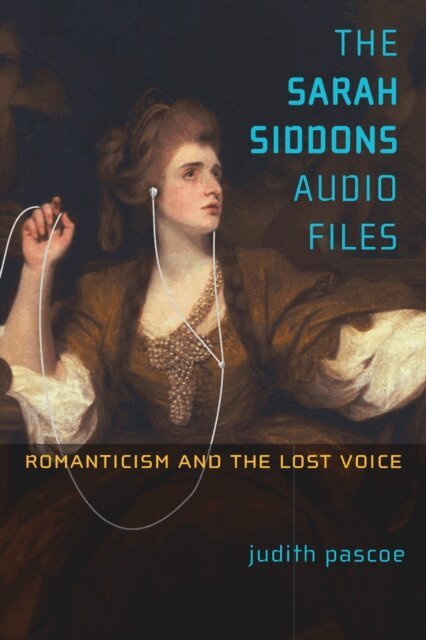
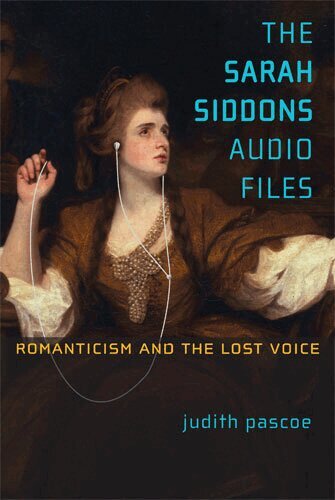
Sarah Siddons Audio Files
Romanticism and the Lost Voice
E-bok, 2013
631 kr
Lägg i varukorg
“The theatre scholar’s daunting but irresistible quest to recover some echoes of performance of the past has never been more engagingly presented than in Pascoe’s account of tracing the long-silenced voice of Sarah Siddons. Her report is a warm, witty, and highly informative exploration of the …
Sarah Siddons Audio Files
Romanticism and the Lost Voice
Häftad, 2013
364 kr
Lägg i varukorg
“The theatre scholar’s daunting but irresistible quest to recover some echoes of performance of the past has never been more engagingly presented than in Pascoe’s account of tracing the long-silenced voice of Sarah Siddons. Her report is a warm, witty, and highly informative exploration of the …
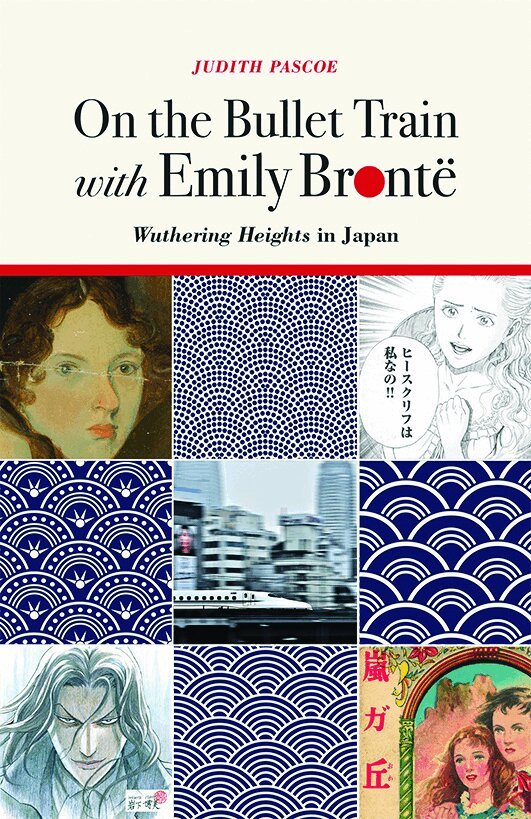
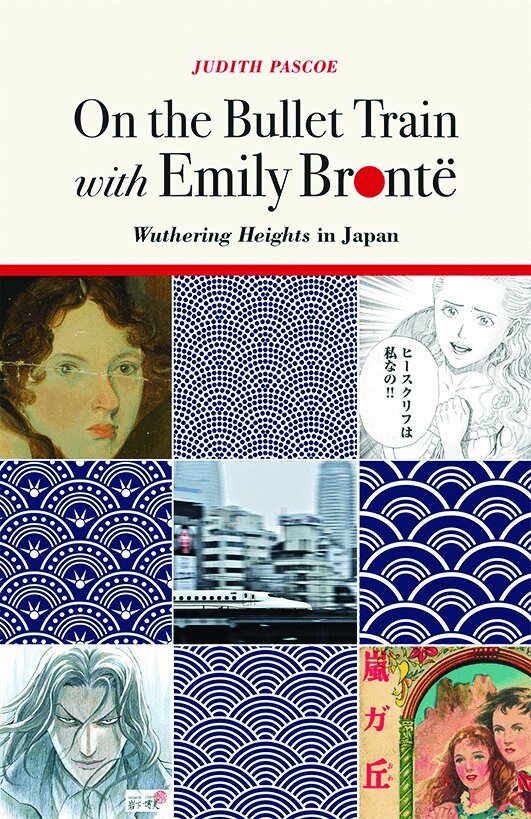
On the Bullet Train with Emily Brontë
Wuthering Heights in Japan
Häftad, 2019
371 kr
Lägg i varukorg
While teaching in Japan, Judith Pascoe was fascinated to discover the popularity that Emily Brontë’s novel Wuthering Heights has enjoyed there. Nearly one hundred years after its first formal introduction to the country, the novel continues to engage the imaginations of Japanese novelists, …
On the Bullet Train with Emily Bronte
Wuthering Heights in Japan
E-bok, 2017
486 kr
Lägg i varukorg
While teaching in Japan, Judith Pascoe was fascinated to discover the popularity that Emily Brontë’s novel Wuthering Heights has enjoyed there. Nearly 100 years after its first formal introduction to the country, the novel continues to engage the imaginations of Japanese novelists, filmmakers, …
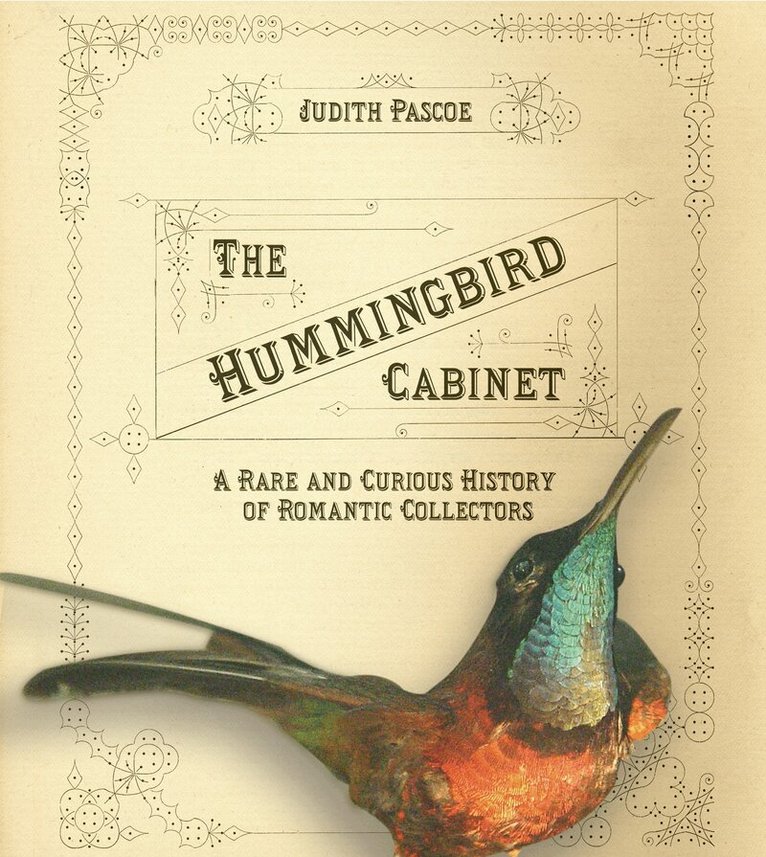
Hummingbird Cabinet
A Rare and Curious History of Romantic Collectors
Inbunden, 2005
619 kr
Lägg i varukorg
"This book is... a romantic history of romantic collecting. It takes seriously, and by necessity shares, the tendency of romantic histories to dwell upon their own fragmentariness, on the impossibility of capturing an intact history.... It traces the particular ways in which objects stepped into …
Sarah Siddons Audio Files
Romanticism and the Lost Voice
Inbunden, 2011
947 kr
Tillfälligt slut
“The theatre scholar’s daunting but irresistible quest to recover some echoes of performance of the past has never been more engagingly presented than in Pascoe’s account of tracing the long-silenced voice of Sarah Siddons. Her report is a warm, witty, and highly informative exploration of the …
On the Bullet Train with Emily Brontë
Wuthering Heights in Japan
Inbunden, 2017
1057 kr
Tillfälligt slut
While teaching in Japan, Judith Pascoe was fascinated to discover the popularity that Emily Brontë’s novel Wuthering Heights has enjoyed there. Nearly one hundred years after its first formal introduction to the country, the novel continues to engage the imaginations of Japanese novelists, …