Judith Pettigrew - Böcker
Visar alla böcker från författaren Judith Pettigrew. Handla med fri frakt och snabb leverans.
4 produkter
4 produkter
721 kr
Skickas inom 10-15 vardagar
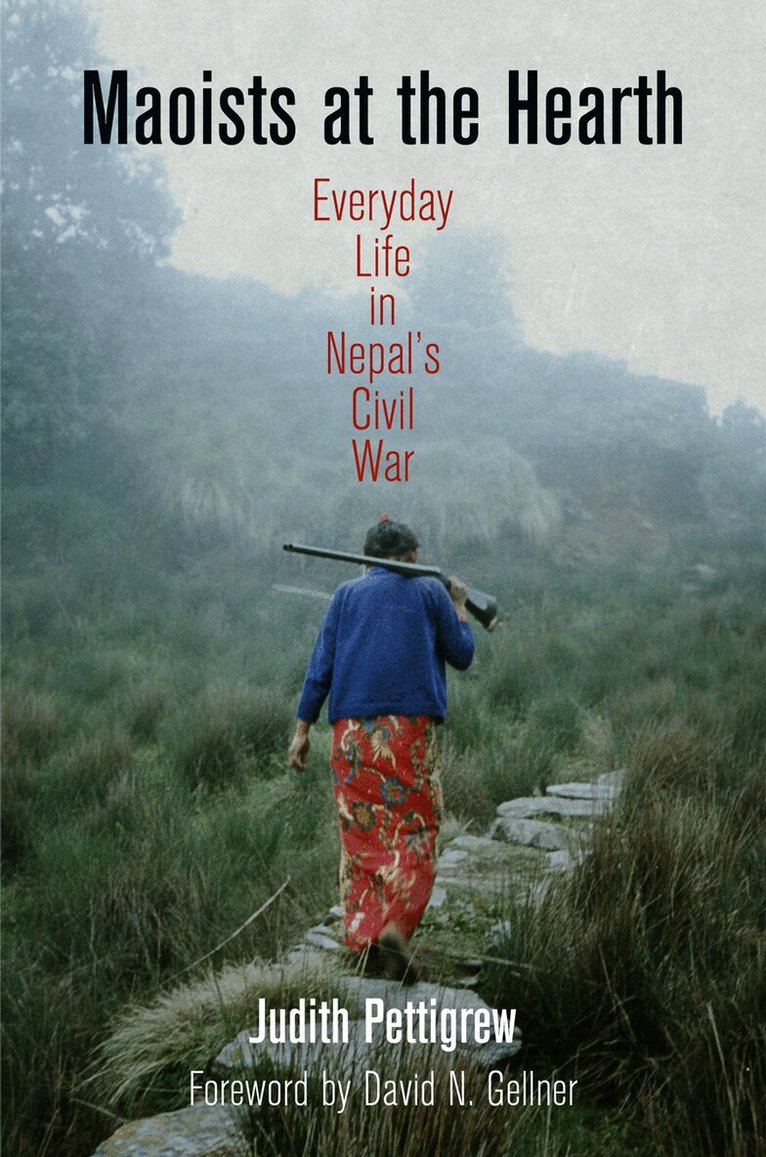
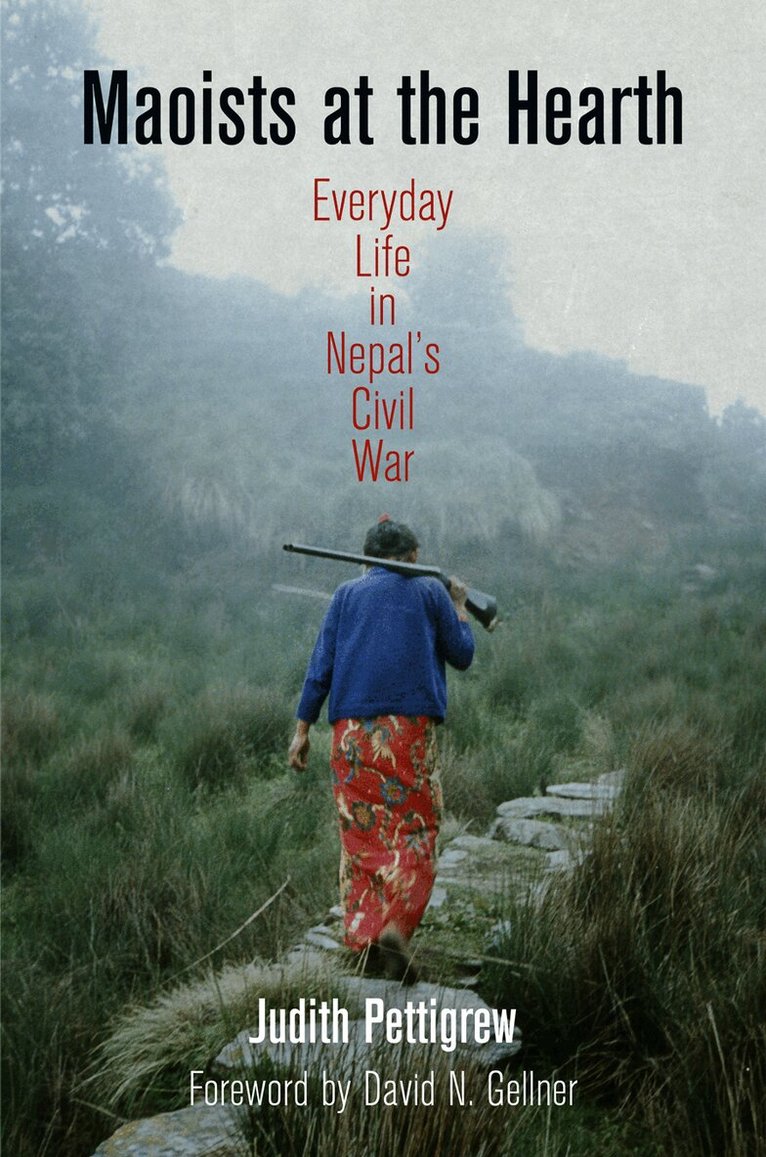
The Maoist insurgency in Nepal lasted from 1996 to 2006, and at the pinnacle of their armed success the Maoists controlled much of the countryside. Maoists at the Hearth, which is based on ethnographic research that commenced more than a decade before the escalation of the civil war in 2001, explores the daily life in a hill village in central Nepal, during the "People's War." From the everyday routines before the arrival of the Maoists in the late 1990s through the insurgency and its aftermath, this book examines the changing social relationships among fellow villagers and parties to the conflict.War is not an interruption that suspends social processes. Life in the village focused as usual on social challenges, interpersonal relationships, and essential duties such as managing agricultural work, running households, and organizing development projects. But as Judith Pettigrew shows, social life, cultural practices, and routine activities are reshaped in uncertain and dangerous circumstances. The book considers how these activities were conducted under dramatically transformed conditions and discusses the challenges (and, sometimes, opportunities) that the villagers confronted.By considering local spatial arrangements and their adaptation, Pettigrew explores people's reactions when they lost control of the personal, public, and sacred spaces of the village. A central consideration of Maoists at the Hearth is an exploration of how local social tensions were realized and renegotiated as people supported (and sometimes betrayed) each other and of how villager-Maoist relationships (and to a lesser extent villager-army relationships), which drew on a range of culturally patterned preexisting relationships, were reforged, transformed, or renegotiated in the context of the conflict and its aftermath.
635 kr
Skickas inom 10-15 vardagar
Windows into a Revolution edited by Alpa Shah and Judith Pettigrew, the first book in the series offers glimpses into the spread of Maoism in India and Nepal by tracing some of its effects on the lives of ordinary people living amidst the revolutions. Weaving through the nostalgic reflections of former Bengali Naxalites; the resurgence of ancestral conflicts in the spread of the Maoists in the remote hills of western Nepal; the disillusionments of dalits of central Bihar in the policies of the cadres; to the complexities of the interrelationship between non-aligned civilians and insurgents in central Nepal, the book offers a series of windows into different stages of mobilization and transformation into what are, were or may become, revolutionary strongholds.Please note: Taylor & Francis does not sell or distribute the Hardback in India, Pakistan, Nepal, Bhutan, Bangladesh and Sri Lanka
2 150 kr
Skickas inom 10-15 vardagar
Windows into a Revolution edited by Alpa Shah and Judith Pettigrew, the first book in the series offers glimpses into the spread of Maoism in India and Nepal by tracing some of its effects on the lives of ordinary people living amidst the revolutions. Weaving through the nostalgic reflections of former Bengali Naxalites; the resurgence of ancestral conflicts in the spread of the Maoists in the remote hills of western Nepal; the disillusionments of dalits of central Bihar in the policies of the cadres; to the complexities of the interrelationship between non-aligned civilians and insurgents in central Nepal, the book offers a series of windows into different stages of mobilization and transformation into what are, were or may become, revolutionary strongholds.Please note: Taylor & Francis does not sell or distribute the Hardback in India, Pakistan, Nepal, Bhutan, Bangladesh and Sri Lanka
986 kr
Skickas inom 3-6 vardagar
This volume documents almost a decade of groundbreaking investigations within the Annapurna highlands of Nepal, including survey recording of fort and settlement sites. From the outset, the project's focus was the extraordinary ruins of Kohla Sombre – Kohla, The Three Villages – the ancestral settlement of the Tami-mai (Gurung) community, who hosted and instigated the fieldwork programme. Ultimately, only a single season's excavation was conducted before the project was cut short by the political insurgency within the country. It concluded with holding a great shaman's meeting in Pokhara in 2002, at which their historical oral texts were presented. Narrating the long migration of the Tamu-mai into the region and down from a distant north, this volume includes the full translation of one of these oral epics, the Lemako Roh Pye. The project represents a unique collaboration between archaeologists, anthropologists and a shaman. Including interviews with upland inhabitants, the volume encompasses the diverse voices of both its immediate participants and the local community. Fulsome in its presentation of the archaeological data and rich in ethnographic source-material, not only is this book crucial for Himalayan culture studies generally, but also relevant for anyone concerned with the construction and context of the past in the present, and the active forging of ethno-historical identities.