Judith Roumani - Böcker
Visar alla böcker från författaren Judith Roumani. Handla med fri frakt och snabb leverans.
6 produkter
6 produkter
613 kr
Skickas inom 10-15 vardagar
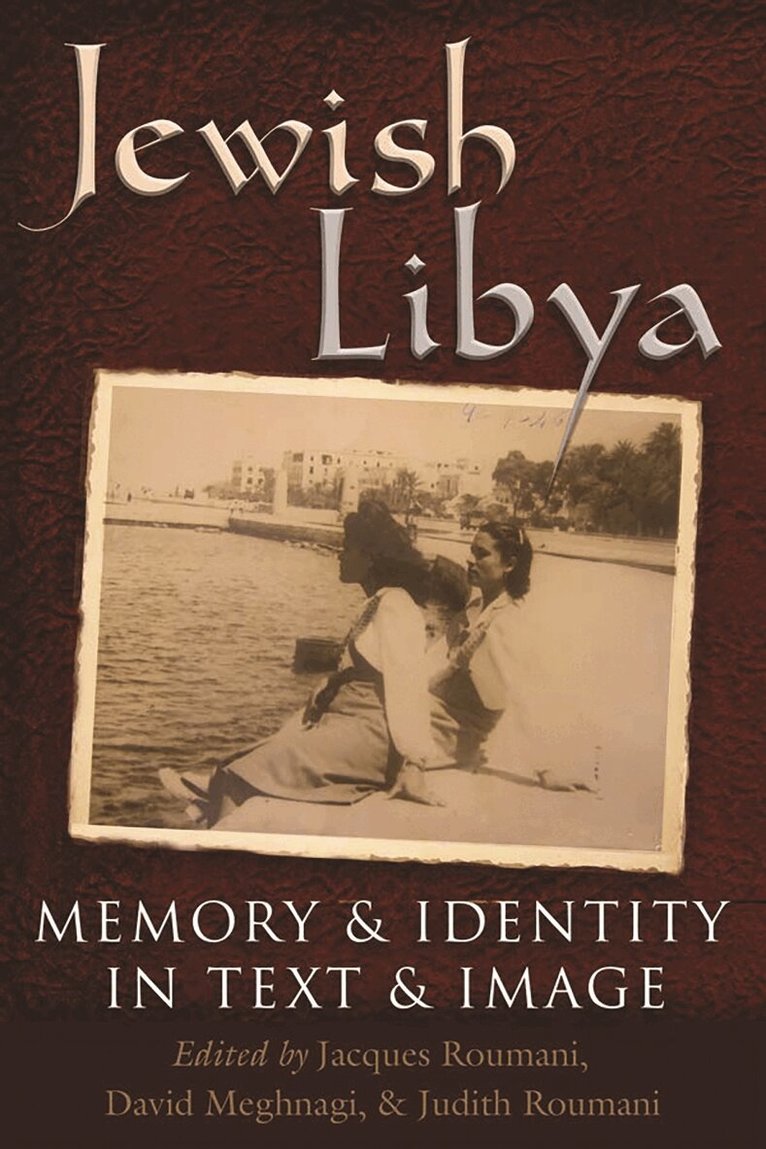
In June 2017, the Jews of Libya commemorated the jubilee of their complete exodus from this North African land in 1967, which began with a mass migration to Israel in 1948–49. Jews had resided in Libya since Phoenician times, seventeen centuries before their encounter with the Arab conquest in AD 644–646. Their disappearance from Libya, like most other Jewish communities in North Africa and the Middle East, led to their fragmentation across the globe as well as reconstitution in two major centers, Israel and Italy.Distinctive Libyan Jewish traditions and a broad cultural heritage have survived and prospered in different places in Israel and in Rome, Italy, where Libyan Jews are recognized for their vibrant contribution to Italian Jewry. Nevertheless, with the passage of time, memories fade among the younger generations and multiple identities begin to overshadow those inherited over the centuries. Capturing the essence of Libyan Jewish cultural heritage, this anthology aims to reawaken and preserve the memories of this community.Jewish Libya collects the work of scholars who explore the community’s history, its literature and dialect, topography and cuisine, and the difficult negotiation of trauma and memory. In shedding new light on this now-fragmented culture and society, this collection commemorates and celebrates vital elements of Libyan Jewish heritage and encourages a lively intergenerational exchange among the many Jews of Libyan origin worldwide.
265 kr
Skickas inom 7-10 vardagar
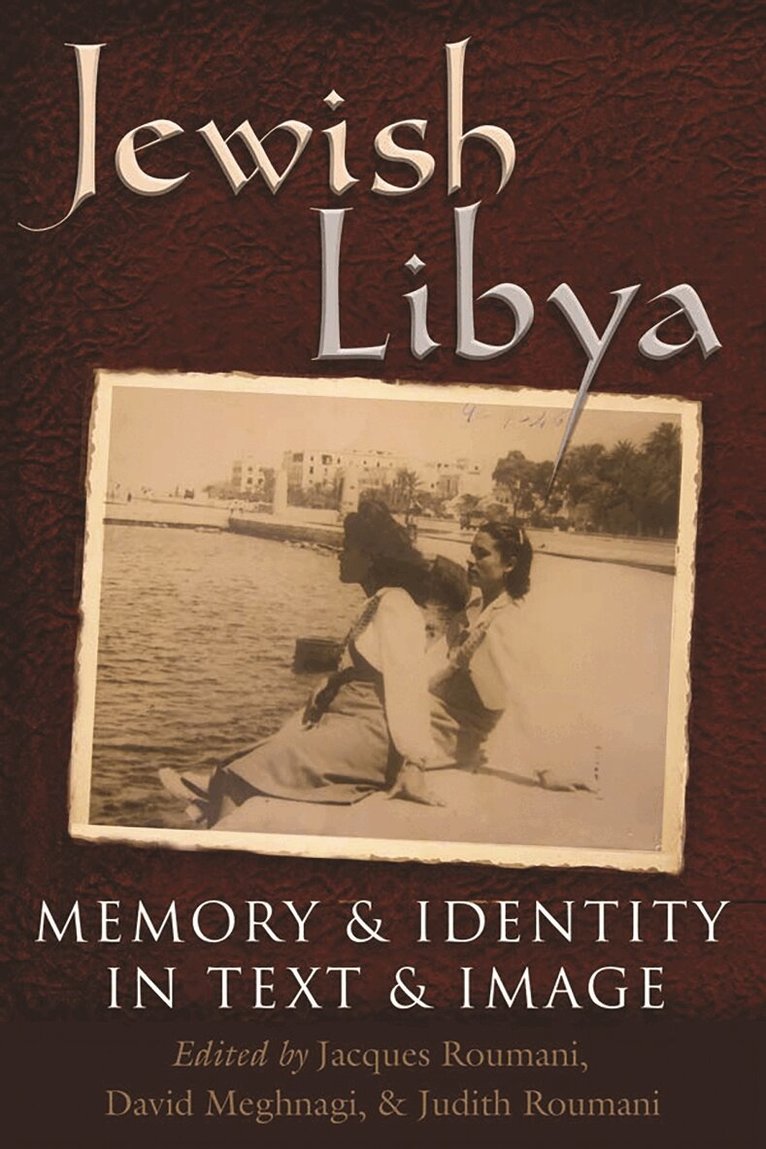
In June 2017, the Jews of Libya commemorated the jubilee of their complete exodus from this North African land in 1967, which began with a mass migration to Israel in 1948–49. Jews had resided in Libya since Phoenician times, seventeen centuries before their encounter with the Arab conquest in AD 644–646. Their disappearance from Libya, like most other Jewish communities in North Africa and the Middle East, led to their fragmentation across the globe as well as reconstitution in two major centers, Israel and Italy.Distinctive Libyan Jewish traditions and a broad cultural heritage have survived and prospered in different places in Israel and in Rome, Italy, where Libyan Jews are recognized for their vibrant contribution to Italian Jewry. Nevertheless, with the passage of time, memories fade among the younger generations and multiple identities begin to overshadow those inherited over the centuries. Capturing the essence of Libyan Jewish cultural heritage, this anthology aims to reawaken and preserve the memories of this community.Jewish Libya collects the work of scholars who explore the community’s history, its literature and dialect, topography and cuisine, and the difficult negotiation of trauma and memory. In shedding new light on this now-fragmented culture and society, this collection commemorates and celebrates vital elements of Libyan Jewish heritage and encourages a lively intergenerational exchange among the many Jews of Libyan origin worldwide.
1 314 kr
Skickas inom 10-15 vardagar
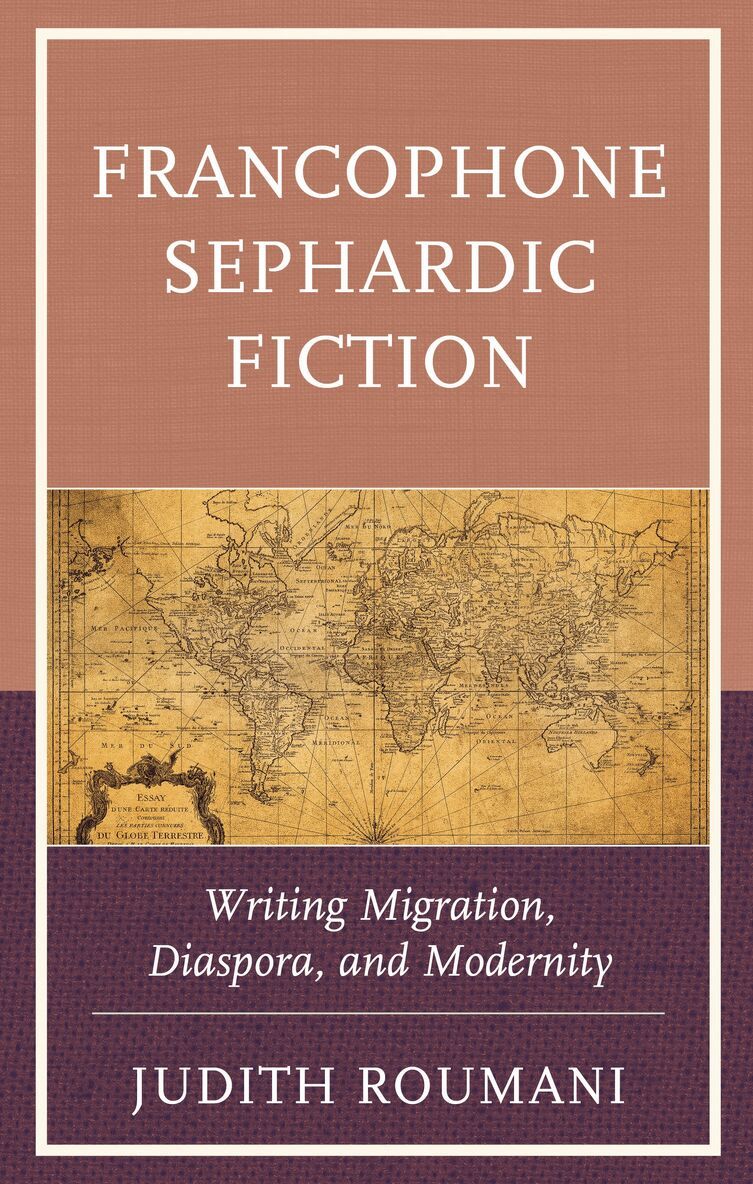
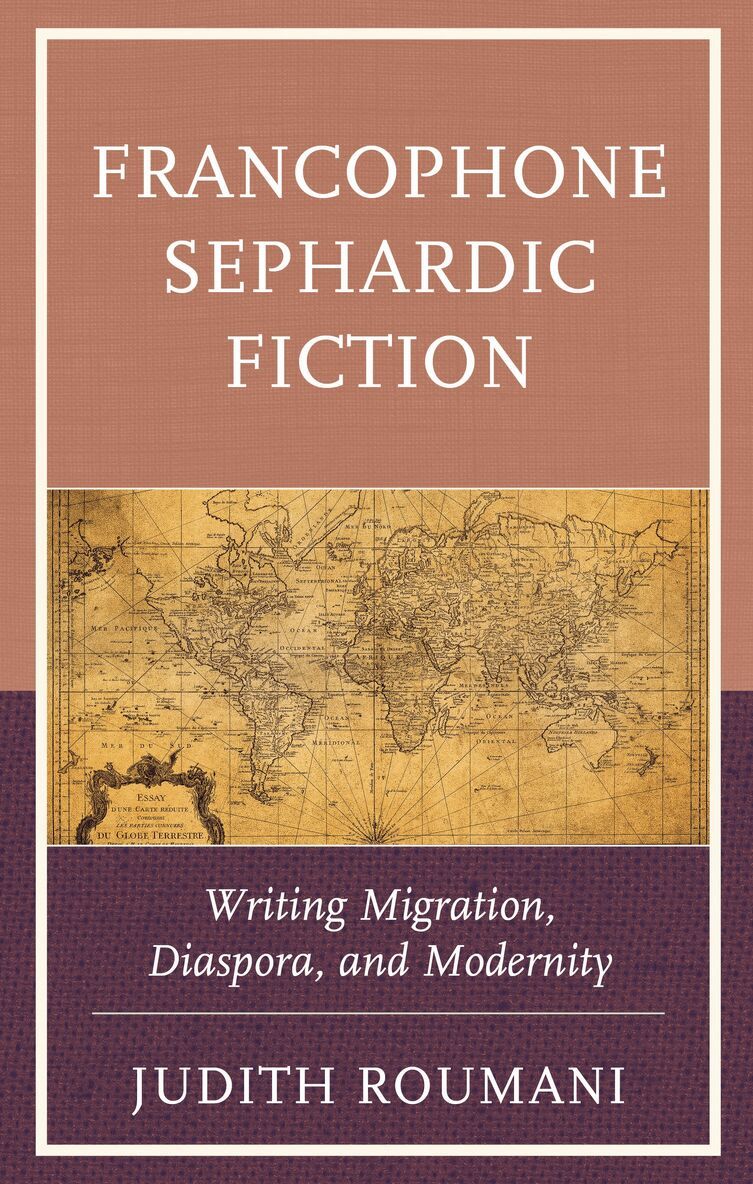
Francophone Sephardic Fiction:Writing Migration, Diaspora, and Modernity approaches modern Sephardic literature in a comparative way to draw out similarities and differences among selected francophone novelists from various countries, with a focus on North Africa. The definition of Sepharad here is broader than just Spain: it embraces Jews whose ancestors had lived in North Africa for centuries, even before the arrival of Islam, and who still today trace their allegiance to ways of being Jewish that go back to Babylon, as do those whose ancestors spent a few hundred years in Iberia. The author traces the strong influence of oral storytelling on modern novelists of the twentieth and early twenty-first centuries and explores the idea of the portable homeland, as exile and migration engulfed the long-rooted Sephardic communities. The author also examines diaspora concepts, how modernity and post-modernity threatened traditional ways of life, and how humor and an active return into history for the novel have done more than mere nostalgia could to enliven the portable homeland of modern francophone Sephardic fiction.
499 kr
Skickas inom 10-15 vardagar
Francophone Sephardic Fiction:Writing Migration, Diaspora, and Modernity approaches modern Sephardic literature in a comparative way to draw out similarities and differences among selected francophone novelists from various countries, with a focus on North Africa. The definition of Sepharad here is broader than just Spain: it embraces Jews whose ancestors had lived in North Africa for centuries, even before the arrival of Islam, and who still today trace their allegiance to ways of being Jewish that go back to Babylon, as do those whose ancestors spent a few hundred years in Iberia. The author traces the strong influence of oral storytelling on modern novelists of the twentieth and early twenty-first centuries and explores the idea of the portable homeland, as exile and migration engulfed the long-rooted Sephardic communities. The author also examines diaspora concepts, how modernity and post-modernity threatened traditional ways of life, and how humor and an active return into history for the novel have done more than mere nostalgia could to enliven the portable homeland of modern francophone Sephardic fiction.
1 209 kr
Skickas inom 10-15 vardagar
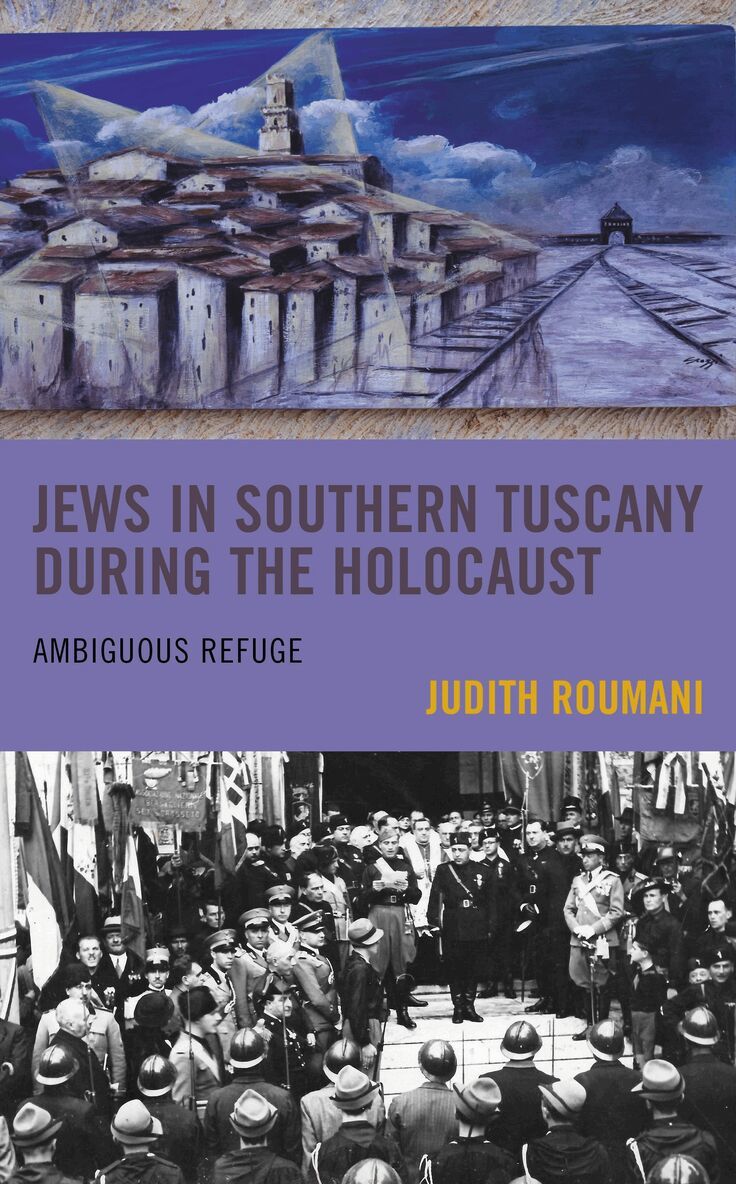
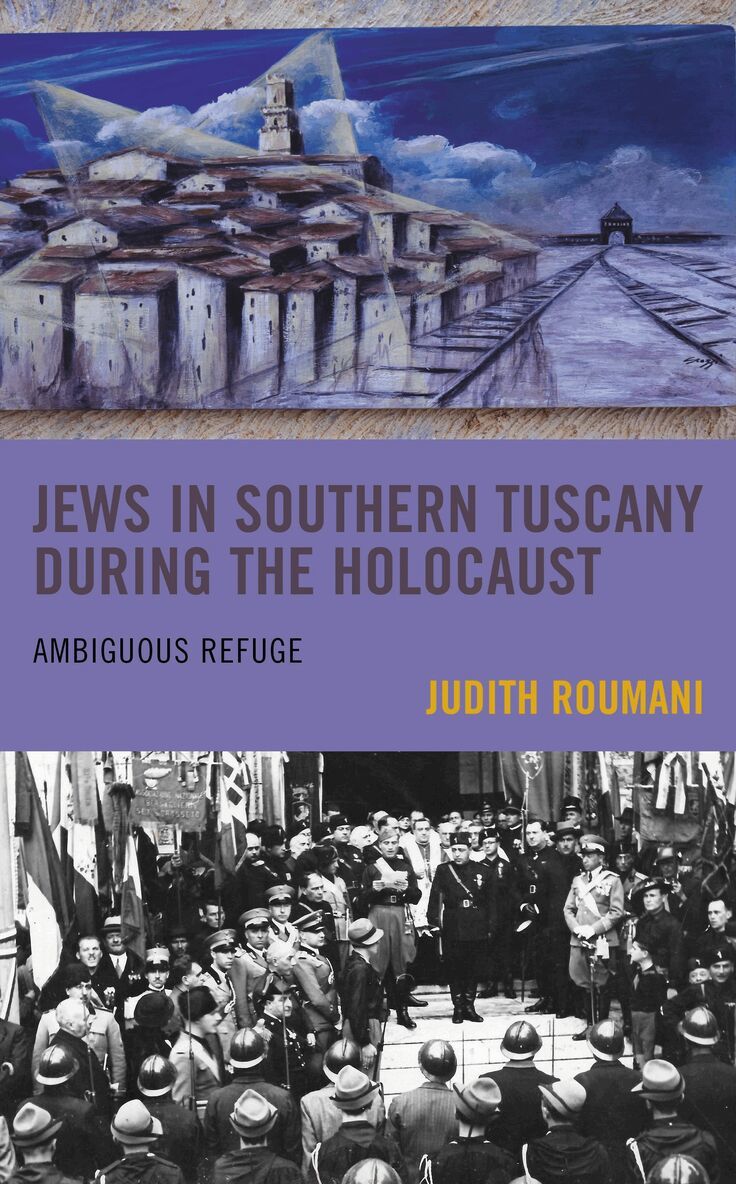
The province of Grosseto in southern Tuscany shows two extremes in the treatment of Italian and foreign Jews during the Holocaust. To the east of the province, the Jews of Pitigliano, a four hundred-year-old community, were hidden for almost a year by sympathetic farmers in barns and caves. None of those in hiding were arrested and all survived the Fascist hunt for Jews. In the west, near the provincial capital of Grosseto, almost a hundred Italian and foreign Jews were imprisoned in 1943–1944 in the bishop's seminary, which he had rented to the Fascists for that purpose. About half of them, though they had thought that the bishop would protect them, were deported with his knowledge by Fascists and Nazis to Auschwitz. Thus, the Holocaust reached into this provincial corner as it did into all parts of Italy still under Italian Fascist control. This book is based on new interviews and research in local and national archives.
488 kr
Skickas inom 10-15 vardagar
The province of Grosseto in southern Tuscany shows two extremes in the treatment of Italian and foreign Jews during the Holocaust. To the east of the province, the Jews of Pitigliano, a four hundred-year-old community, were hidden for almost a year by sympathetic farmers in barns and caves. None of those in hiding were arrested and all survived the Fascist hunt for Jews. In the west, near the provincial capital of Grosseto, almost a hundred Italian and foreign Jews were imprisoned in 1943–1944 in the bishop's seminary, which he had rented to the Fascists for that purpose. About half of them, though they had thought that the bishop would protect them, were deported with his knowledge by Fascists and Nazis to Auschwitz. Thus, the Holocaust reached into this provincial corner as it did into all parts of Italy still under Italian Fascist control. This book is based on new interviews and research in local and national archives.