Judith Weisenfeld - Böcker
Visar alla böcker från författaren Judith Weisenfeld. Handla med fri frakt och snabb leverans.
7 produkter
7 produkter
563 kr
Skickas inom 10-15 vardagar
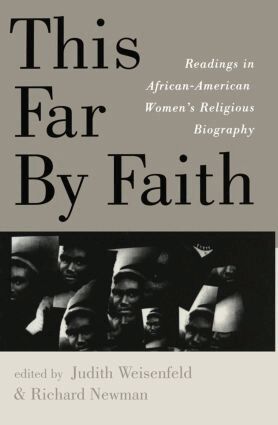
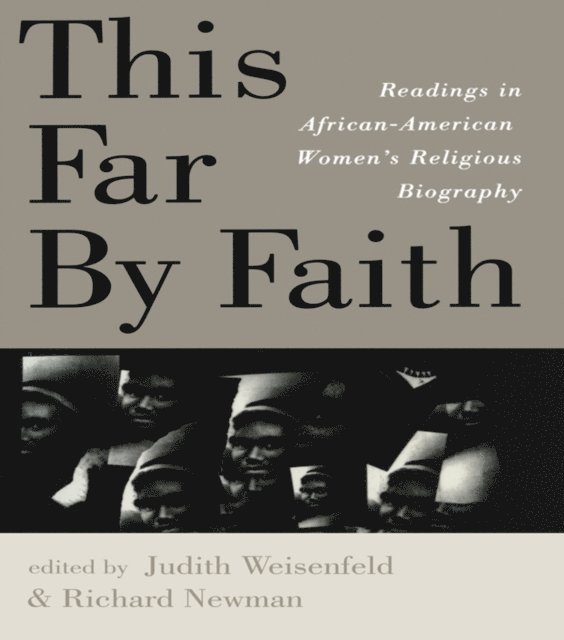
This Far By Faith brings together a collection of essays on the religious identities and experiences of African-American women. Spanning from the period of slavery to the present, the essays profile American figures such as Sojourner Truth, Harriet Tubman, and Willie Mae Ford Smith, exploring the role that religious institutions and impulses played in their lives.
591 kr
Skickas inom 3-6 vardagar
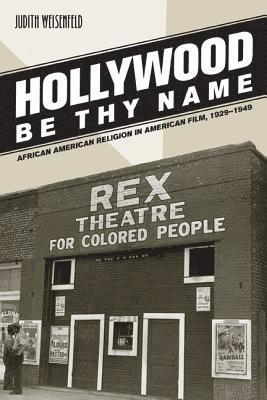
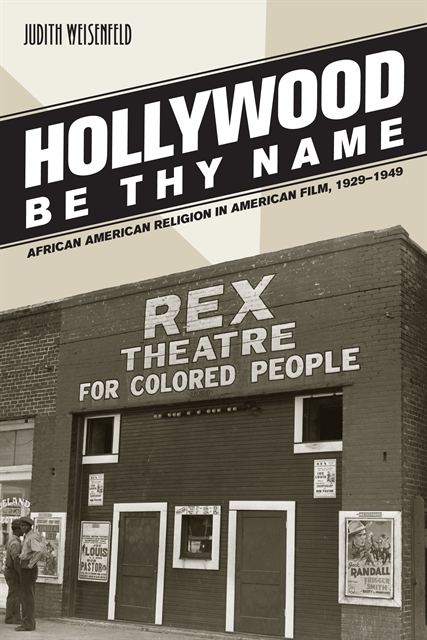
From the earliest years of sound film in America, Hollywood studios and independent producers of "race films" for black audiences created stories featuring African American religious practices. In the first book to examine how the movies constructed images of African American religion, Judith Weisenfeld explores these cinematic representations and how they reflected and contributed to complicated discourses about race, the social and moral requirements of American citizenship, and the very nature of American identity. Drawing on such textual sources as studio production files, censorship records, and discussions and debates about religion and film in the black press, as well as providing close readings of films, this richly illustrated and meticulously researched book brings religious studies and film history together in innovative ways.
373 kr
Skickas inom 10-15 vardagar
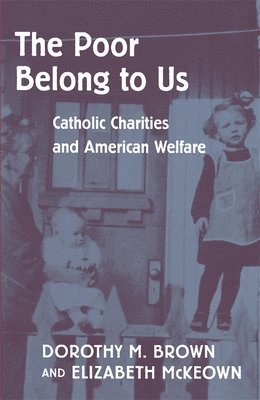
Between the Civil War and World War II, Catholic charities evolved from volunteer and local origins into a centralized and professionally trained workforce that played a prominent role in the development of American welfare. Dorothy Brown and Elizabeth McKeown document the extraordinary efforts of Catholic volunteers to care for Catholic families and resist Protestant and state intrusions at the local level, and they show how these initiatives provided the foundation for the development of the largest private system of social provision in the United States.It is a story tightly interwoven with local, national, and religious politics that began with the steady influx of poor Catholic immigrants into urban centers. Supported by lay organizations and by sympathetic supporters in city and state politics, religious women operated foundling homes, orphanages, protectories, reformatories, and foster care programs for the children of the Catholic poor in New York City and in urban centers around the country.When pressure from reform campaigns challenged Catholic child care practices in the first decades of the twentieth century, Catholic charities underwent a significant transformation, coming under central diocesan control and growing increasingly reliant on the services of professional social workers. And as the Depression brought nationwide poverty and an overwhelming need for public solutions, Catholic charities faced a staggering challenge to their traditional claim to stewardship of the poor. In their compelling account, Brown and McKeown add an important dimension to our understanding of the transition from private to state social welfare.
380 kr
Skickas inom 10-15 vardagar
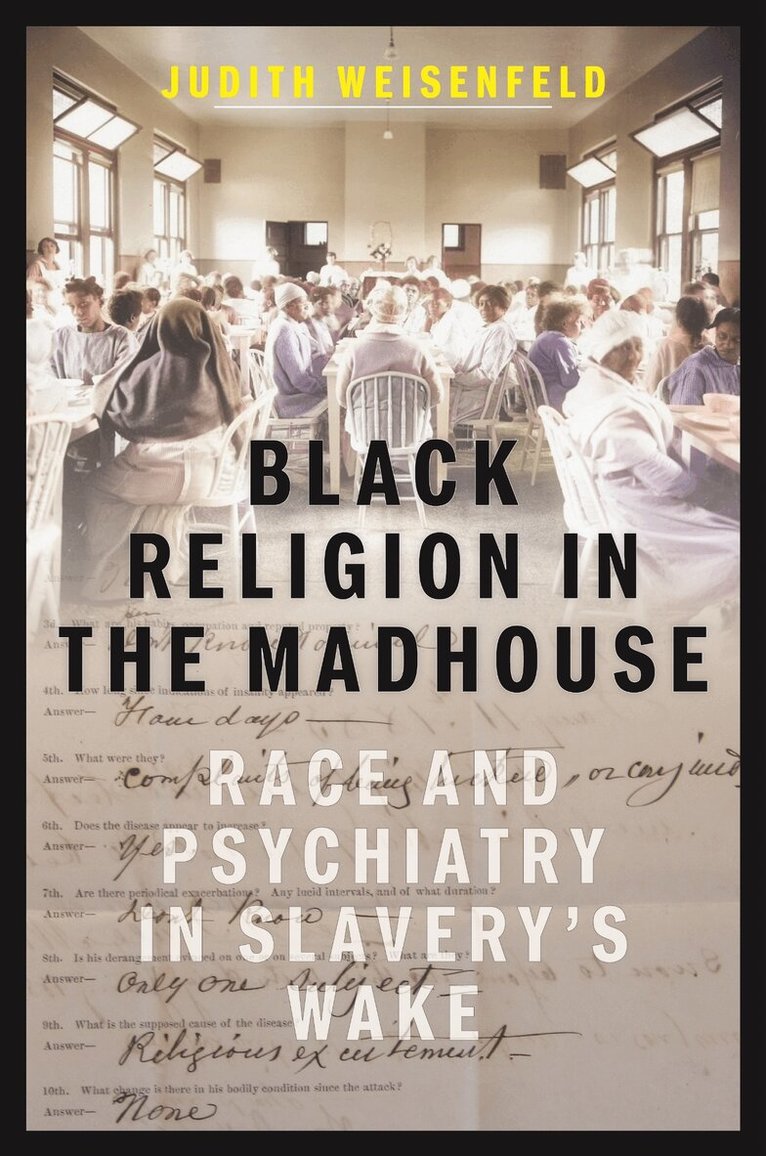
How white psychiatrists pathologized African American religionsIn the decades after the end of slavery, African Americans were committed to southern state mental hospitals at higher rates as white psychiatrists listed "religious excitement" among the most frequent causes of insanity for Black patients. At the same time, American popular culture and political discourse framed African American modes of spiritual power as fetishism and superstition, cast embodied worship as excessive or fanatical, and labeled new religious movements "cults," unworthy of respect.As Judith Weisenfeld argues in Black Religion in the Madhouse, psychiatrists' notions of race and religion became inextricably intertwined in the decades after the end of slavery and into the twentieth century, and had profound impacts on the diagnosis, care, and treatment of Black patients. This book charts how racialized medical understandings of mental normalcy pathologized a range of Black religious beliefs, spiritual sensibilities, practices, and social organizations and framed them as manifestations of innate racial traits. Importantly, these characterizations were marshaled to help to limit the possibilities for Black self-determination, with white psychiatrists' theories about African American religion and mental health being used to promote claims of Black people's unfitness for freedom.Drawing on extensive archival research, Black Religion in the Madhouse is the first book to expose how racist views of Black religion in slavery's wake shaped the rise of psychiatry as an established and powerful profession.
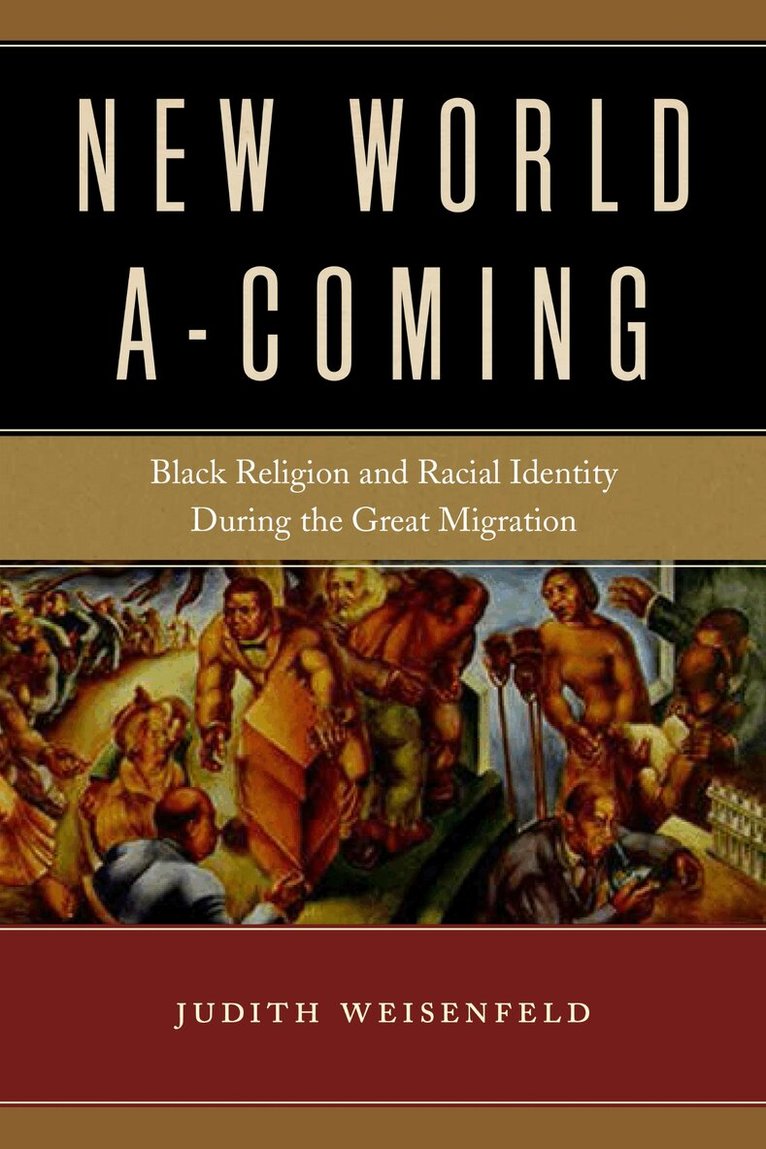
New World a-Coming
Black Religion and Racial Identity During the Great Migration
Häftad, Engelska, 2018
322 kr
Skickas inom 7-10 vardagar
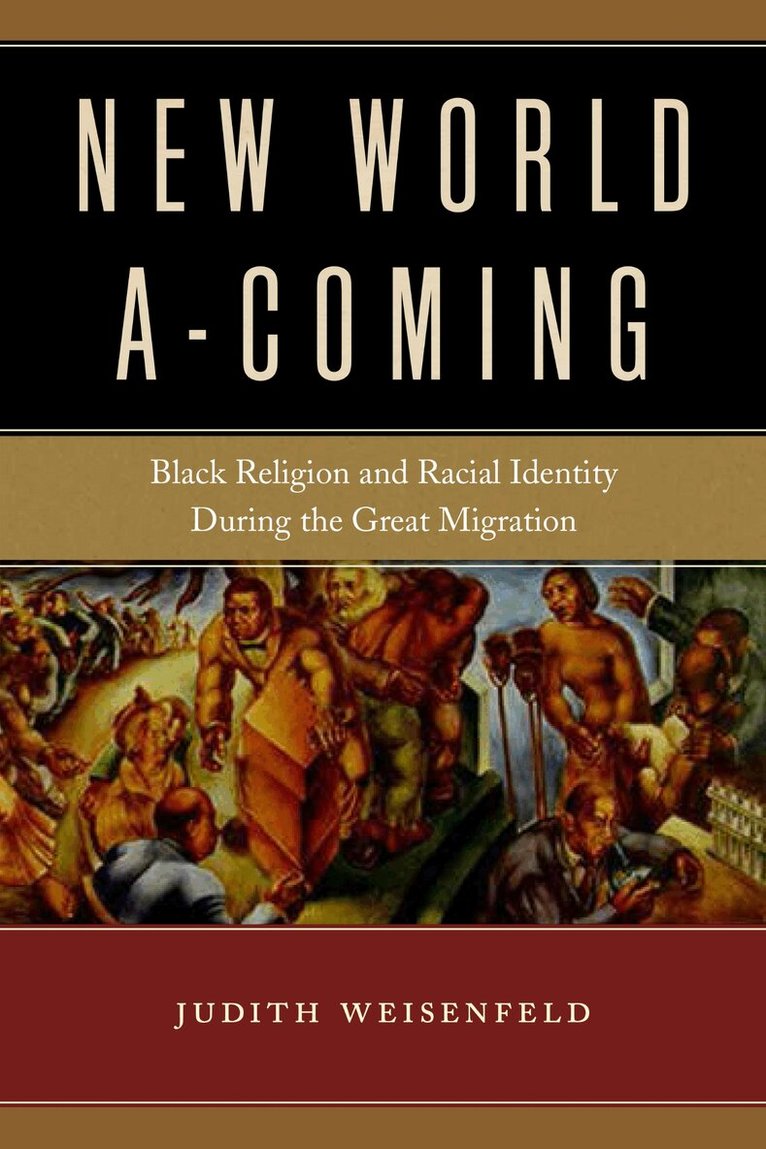
Winner of the 2017 Albert J. Raboteau Book Prize for the Best Book in Africana Religions Shows how early 20th-century resistance to conventional racial categorization contributed to broader discussions in black America that still resonate todayWhen Joseph Nathaniel Beckles registered for the draft in the 1942, he rejected the racial categories presented to him and persuaded the registrar to cross out the check mark she had placed next to Negro and substitute "Ethiopian Hebrew." "God did not make us Negroes," declared religious leaders in black communities of the early twentieth-century urban North. They insisted that so-called Negroes are, in reality, Ethiopian Hebrews, Asiatic Muslims, or raceless children of God. Rejecting conventional American racial classification, many black southern migrants and immigrants from the Caribbean embraced these alternative visions of black history, racial identity, and collective future, thereby reshaping the black religious and racial landscape. Focusing on the Moorish Science Temple, the Nation of Islam, Father Divine's Peace Mission Movement, and a number of congregations of Ethiopian Hebrews, Judith Weisenfeld argues that the appeal of these groups lay not only in the new religious opportunities membership provided, but also in the novel ways they formulated a religio-racial identity. Arguing that members of these groups understood their religious and racial identities as divinely-ordained and inseparable, the book examines how this sense of self shaped their conceptions of their bodies, families, religious and social communities, space and place, and political sensibilities. Weisenfeld draws on extensive archival research and incorporates a rich array of sources to highlight the experiences of average members. The book demonstrates that the efforts by members of these movements to contest conventional racial categorization contributed to broader discussions in black America about the nature of racial identity and the collective future of black people that still resonate today.
New World a-Coming
Black Religion and Racial Identity During the Great Migration
Inbunden, Engelska, 2017
1 061 kr
Skickas inom 10-15 vardagar
Winner of the 2017 Albert J. Raboteau Book Prize for the Best Book in Africana Religions Shows how early 20th-century resistance to conventional racial categorization contributed to broader discussions in black America that still resonate todayWhen Joseph Nathaniel Beckles registered for the draft in the 1942, he rejected the racial categories presented to him and persuaded the registrar to cross out the check mark she had placed next to Negro and substitute "Ethiopian Hebrew." "God did not make us Negroes," declared religious leaders in black communities of the early twentieth-century urban North. They insisted that so-called Negroes are, in reality, Ethiopian Hebrews, Asiatic Muslims, or raceless children of God. Rejecting conventional American racial classification, many black southern migrants and immigrants from the Caribbean embraced these alternative visions of black history, racial identity, and collective future, thereby reshaping the black religious and racial landscape. Focusing on the Moorish Science Temple, the Nation of Islam, Father Divine's Peace Mission Movement, and a number of congregations of Ethiopian Hebrews, Judith Weisenfeld argues that the appeal of these groups lay not only in the new religious opportunities membership provided, but also in the novel ways they formulated a religio-racial identity. Arguing that members of these groups understood their religious and racial identities as divinely-ordained and inseparable, the book examines how this sense of self shaped their conceptions of their bodies, families, religious and social communities, space and place, and political sensibilities. Weisenfeld draws on extensive archival research and incorporates a rich array of sources to highlight the experiences of average members. The book demonstrates that the efforts by members of these movements to contest conventional racial categorization contributed to broader discussions in black America about the nature of racial identity and the collective future of black people that still resonate today.
Del 8 - Double Exposure
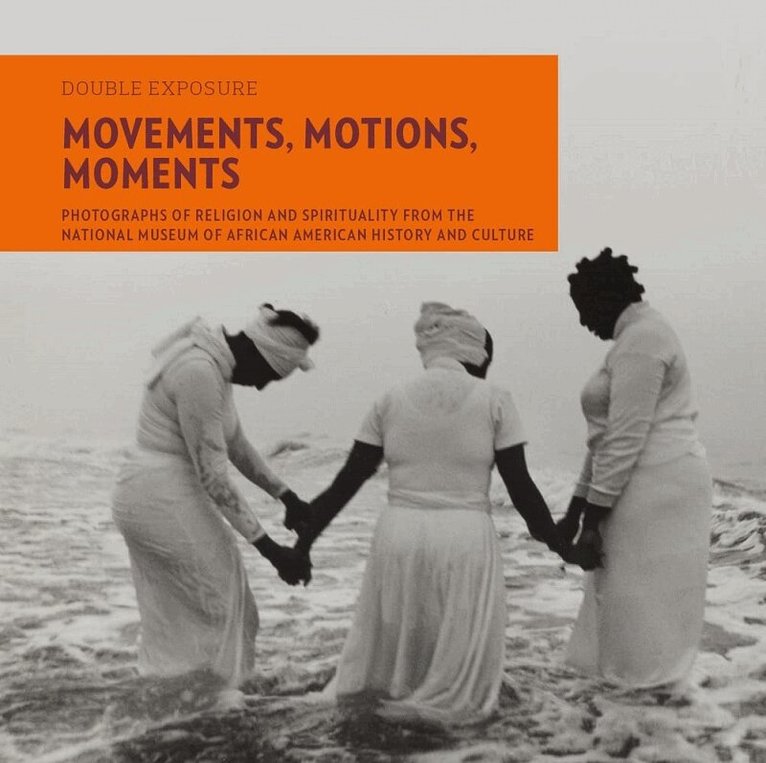
Movements, Motions, Moments
Photographs of Religion and Spirituality from the National Museum of African American History and Culture
Häftad, Engelska, 2023
134 kr
Skickas inom 7-10 vardagar
Movements, Motions, Moments shows how African Americans have negotiated their participation and engagement in religious spaces. The book is divided into three sections—Movements, Motions, and Moments. Images of figures including Rev. Henry Highland Garnett, Noble Drew Ali, Father Divine, Prophet Elijah Muhammad, Rev. Dr. Martin Luther King Jr., Rev. Pauli Murray, Bishop Myokei Cain-Barrett, and others are depicted next to photographs of religious celebrations, ritual practices, and individual moments of faith and spirituality. Photographers include Lola Flash, Chester Higgins, Jason Miccolo Johnson, Jeanne Moutoussamy-Ashe, Kenneth Royster, James Van Der Zee, Milton Williams, Lloyd W. Yearwood, and others.Photographs in this volume range from the nineteenth, twentieth, and twenty-first centuries and include religious traditions such as Christianity, Islam, Judaism, African indigenous, non-secular, and other religious traditions (Humanism, Atheism, Spiritualism, and others). It also includes photography capturing contemporary events and movements including Black Lives Matter and the global pandemic.