Judith Yaross Lee - Böcker
Visar alla böcker från författaren Judith Yaross Lee. Handla med fri frakt och snabb leverans.
3 produkter
3 produkter
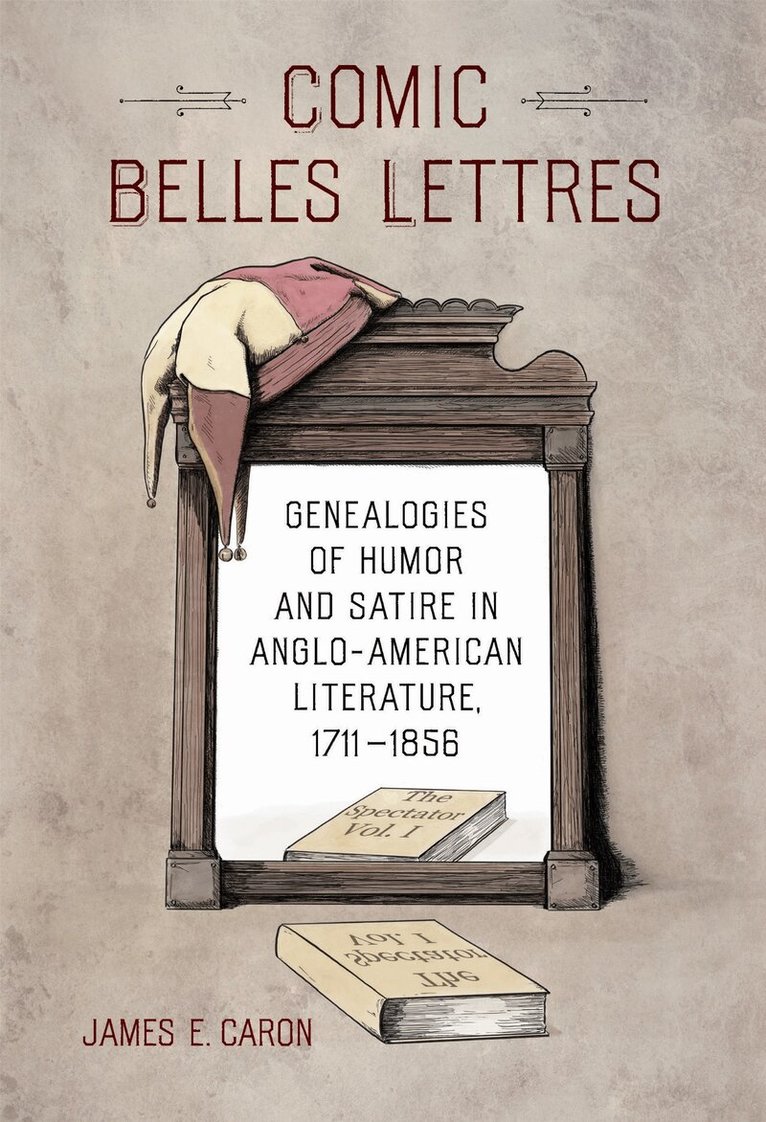
Comic Belles Lettres
Genealogies of Humor and Satire in Anglo-American Literature, 1711–1856
Inbunden, Engelska, 2026
683 kr
Skickas inom 10-15 vardagar
Comic Belles Lettres presents a significant rethinking of standard categories in scholarship on antebellum American humor—such as Old Southwest humorists and literary comedians—to provide a richer analysis of the comic writers of the period. By introducing an alternative aesthetic category, "comic belles lettres," and placing it in a transnational context, James E. Caron details a robust cross-cultural background that includes British and American conceptions of masculinity, the eighteenth-century cult of sensibility, and the "man of feeling" trope. Caron's analysis uncovers a genealogy of comic characters with fresh readings of Washington Irving's Sketch Book, Nathaniel Hawthorne's The Blithedale Romance, and Harriet Beecher Stowe's Uncle Tom's Cabin that not only sweeps up other contemporary authors—Donald Mitchell and Frederic Cozzens—but also includes Joseph Addison's famous character Sir Roger de Coverly. In addition, the investigation moves beyond fictional texts to demonstrate the reach of comic belles lettres by discussing two well-known historical figures, Lewis Gaylord Clark and William Thackeray, who embody the aesthetic's signature figure, the Comic Gentleman. This segment delves into contemporary statements about the nature of comic art and comic laughter along with gendered concerns about the production of satire. Comic Belles Lettres situates this unique mode of aesthetics within discursive practices of the 1850s—reviews, essays, and editorial decisions—that constitute important yet routinely overlooked aspects of the antebellum print archive, resulting in a new way of thinking about Anglo-American comic writing in the eighteenth and nineteenth centuries.
422 kr
Skickas inom 10-15 vardagar
A pleasurable look at the comic imagination of Lake Wobegon's favorite son and contemporary America's favorite humorist.
422 kr
Skickas inom 10-15 vardagar
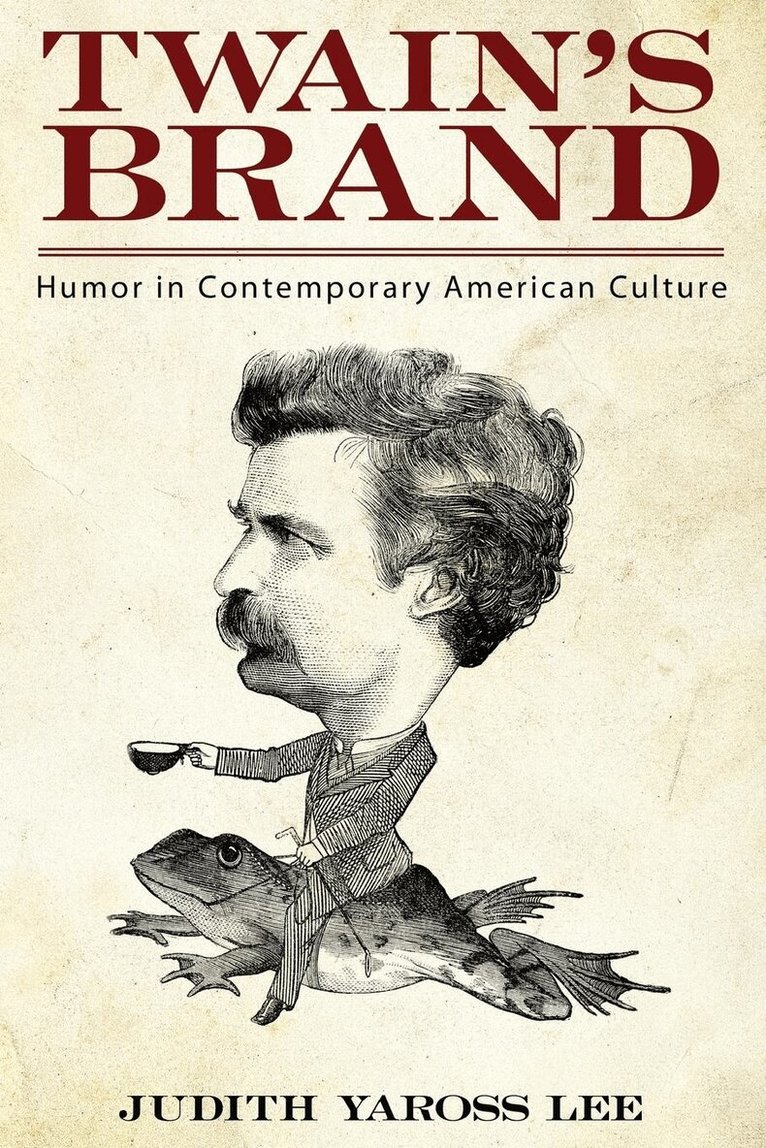
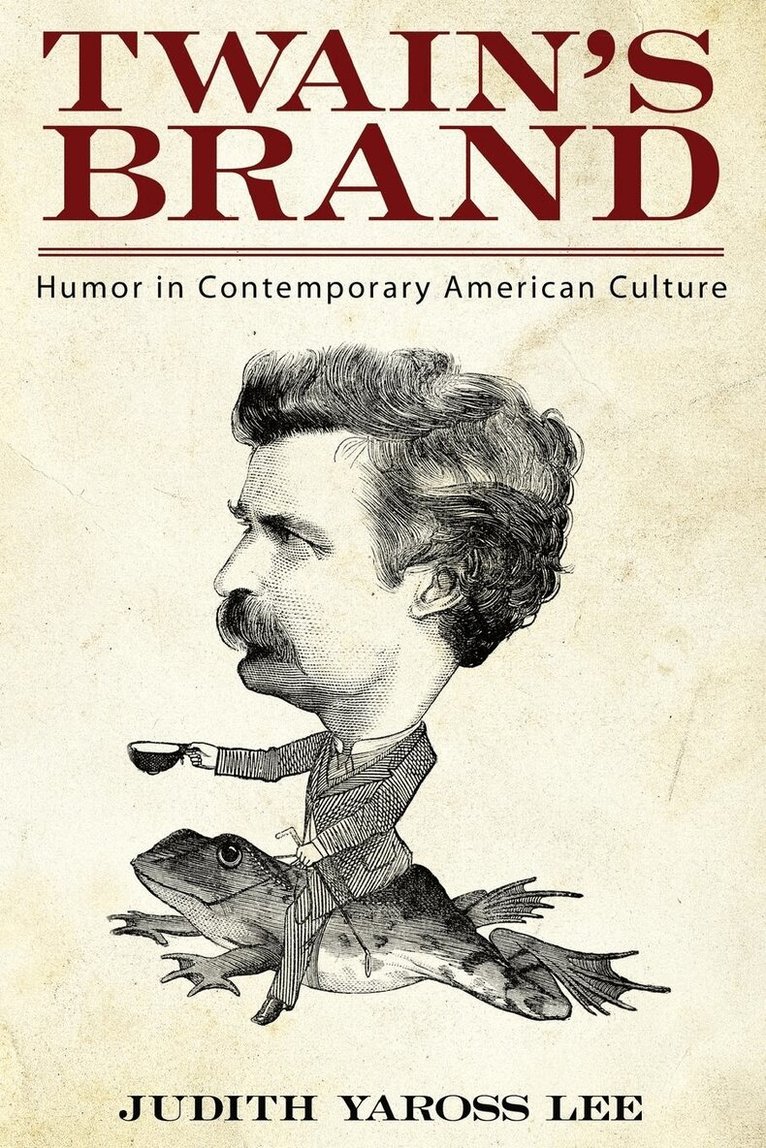
Samuel L. Clemens lost the 1882 lawsuit declaring his exclusive right to use ""Mark Twain"" as a commercial trademark, but he succeeded in the marketplace, where synergy among his comic journalism, live performances, authorship, and entrepreneurship made ""Mark Twain"" the premier national and international brand of American humor in his day. And so it remains in ours, because Mark Twain's humor not only expressed views of self and society well ahead of its time, but also anticipated ways in which humor and culture coalesce in today's postindustrial information economy--the global trade in media, performances, and other forms of intellectual property that began after the Civil War.In Twain's Brand: Humor in Contemporary American Culture, Judith Yaross Lee traces four hallmarks of Twain's humor that are especially significant today. Mark Twain's invention of a stage persona comically conflated with his biographical self lives on in contemporary performances by Garrison Keillor, Margaret Cho, Jerry Seinfeld, and Jon Stewart. The postcolonial critique of Britain that underlies America's nationalist tall tale tradition not only self-destructs in A Connecticut Yankee in King Arthur's Court but also drives the critique of American Exceptionalism in Philip Roth's literary satires. The semi-literate writing that gives Adventures of Huckleberry Finn its ""vernacular vision""--wrapping cultural critique in ostensibly innocent transgressions and misunderstandings--has a counterpart in the apparently untutored drawing style and social critique seen in The Simpsons, Lynda Barry's comics, and The Boondocks. And the humor business of recent decades depends on the same brand-name promotion, cross-media synergy, and copyright practices that Clemens pioneered and fought for a century ago. Twain's Brand highlights the modern relationship among humor, commerce, and culture that were first exploited by Mark Twain.