Juha Pakkala – författare
Visar alla böcker från författaren Juha Pakkala. Handla med fri frakt och snabb leverans.
15 produkter
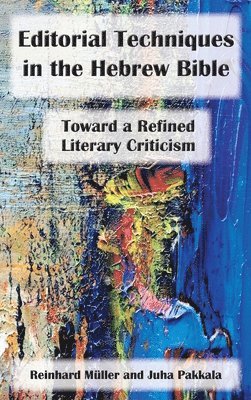
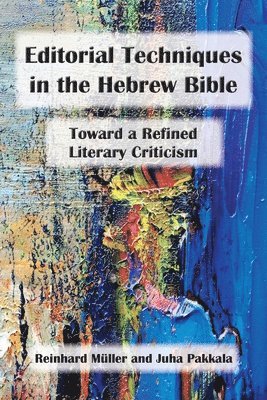
Editorial Techniques in the Hebrew Bible
Toward a Refined Literary Criticism
Av Reinhard Müller, Juha Pakkala
Inbunden, 2022
1213 kr
Lägg i varukorg
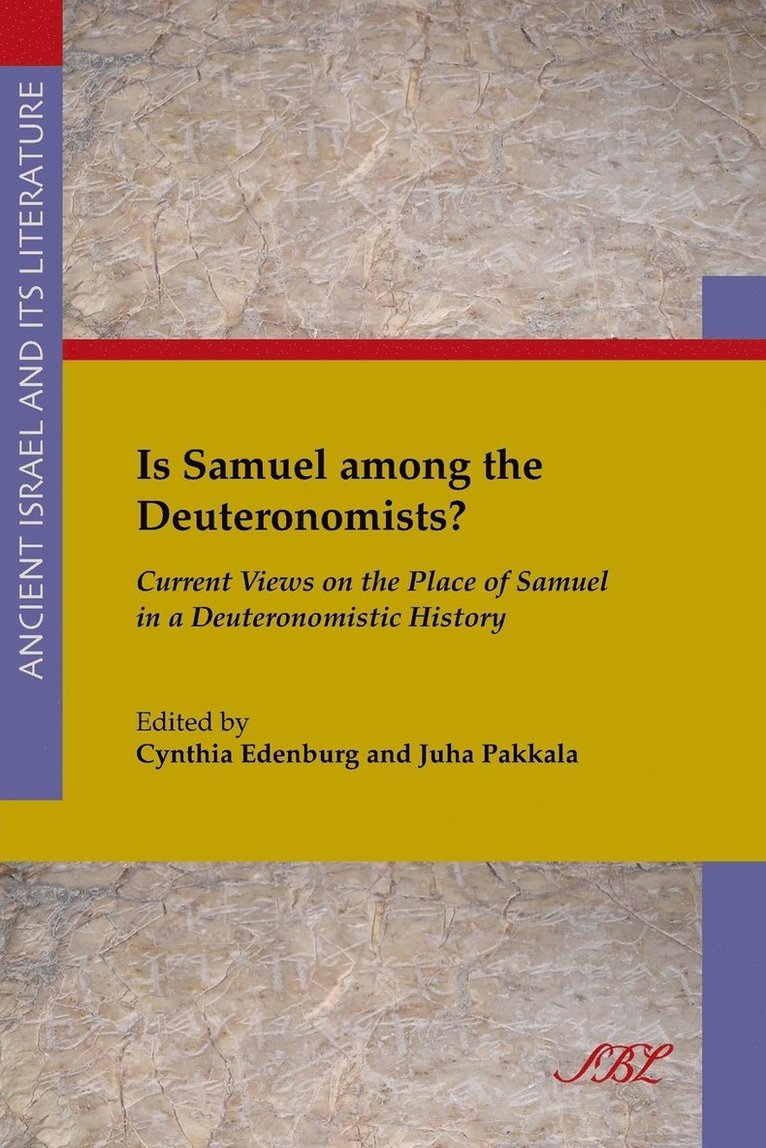
Is Samuel among the Deuteronomists?
Current Views on the Place of Samuel in a Deuteronomistic History
Av Cynthia Edenburg, Juha Pakkala
Häftad, 2013
489 kr
Lägg i varukorg
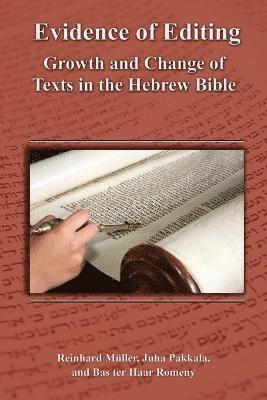
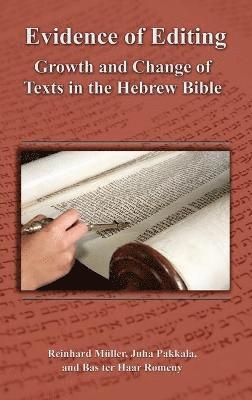
Evidence of Editing
Growth and Change of Texts in the Hebrew Bible
Av Reinhard Mller, Juha Pakkala m. fl.
Häftad, 2014
401 kr
Lägg i varukorg
Is Samuel among the Deuteronomists?
Current Views on the Place of Samuel in a Deuteronomistic History
Av Cynthia Edenburg, Juha Pakkala
Inbunden, 2013
643 kr
Lägg i varukorg
Evidence of Editing
Growth and Change of Texts in the Hebrew Bible
Av Reinhard Mller, Juha Pakkala m. fl.
Inbunden, 2014
585 kr
Lägg i varukorg
Editorial Techniques in the Hebrew Bible
Toward a Refined Literary Criticism
Av Reinhard Müller, Juha Pakkala
Häftad, 2022
937 kr
Lägg i varukorg
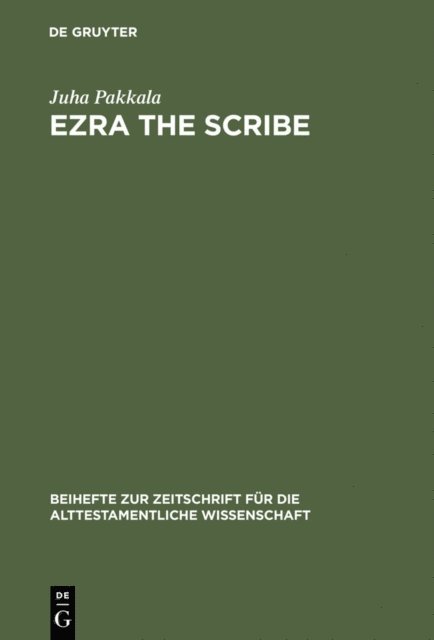
Ezra the Scribe
The Development of Ezra 7-10 and Nehemia 8
Av Juha Pakkala
Inbunden, 2004
2191 kr
Lägg i varukorg
This monograph investigates the literary development of Ezra 7-10 and Neh 8. With a detailed literary critical analysis, the investigation shows that the text was produced in several successive editorial phases for at least two centuries. Thus the final text cannot be used for historical purposes. …
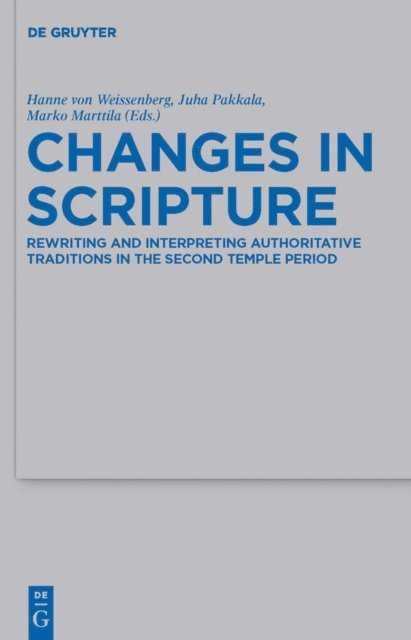
Changes in Scripture
Rewriting and Interpreting Authoritative Traditions in the Second Temple Period
Av Hanne von Weissenberg, Juha Pakkala m. fl.
Inbunden, 2011
2842 kr
Lägg i varukorg
The articles in this volume investigate changes in texts that became to be regarded as holy and unchangeable in Judaism and Christianity. The volume seeks to draw attention to the “empirical” evidence from Qumran, the Septuagint as well as from passages in the Hebrew Scriptures that have been …
Changes in Scripture
Rewriting and Interpreting Authoritative Traditions in the Second Temple Period
Av Marko Marttila, Juha Pakkala m. fl.
E-bok, 2011
2961 kr
Lägg i varukorg
The articles in this volume investigate changes in texts that became to be regarded as holy and unchangeable in Judaism and Christianity. The volume seeks to draw attention to the “empirical” evidence from Qumran, the Septuagint as well as from passages in the Hebrew Scriptures that have been …
Ezra the Scribe
The Development of Ezra 7-10 and Nehemia 8
Av Juha Pakkala
E-bok, 2012
2046 kr
Lägg i varukorg
This monograph investigates the literary development of Ezra 7-10 and Neh 8. With a detailed literary critical analysis, the investigation shows that the text was produced in several successive editorial phases for at least two centuries. Thus the final text cannot be used for historical purposes. …
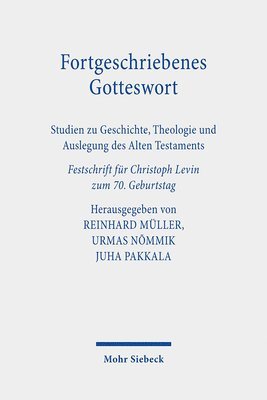
Fortgeschriebenes Gotteswort
Studien zu Geschichte, Theologie und Auslegung des Alten Testaments. Festschrift für Christoph Levin zum 70. Geburtstag
Av Reinhard Müller, Urmas Nõmmik m. fl.
Inbunden, 2020
2833 kr
Lägg i varukorg
Sacra scriptura sui ipsius interpres - dass sich hinter dieser grundlegenden Einsicht reformatorischer Theologie ein literaturgeschichtliches Phänomen verbirgt, ist durch Christoph Levins exegetische Arbeiten deutlicher geworden als je zuvor: Die Texte der Heiligen Schrift sind zu einem großen Teil …
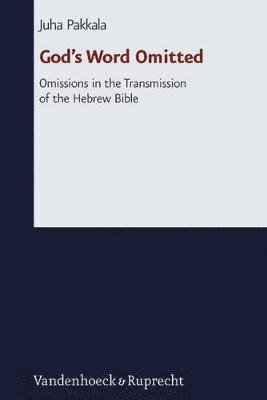
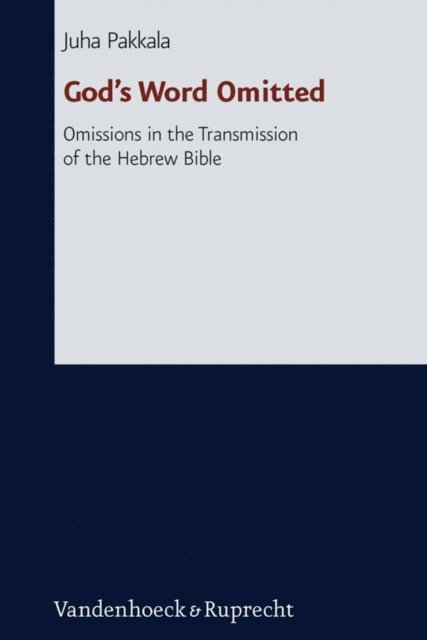
Gods Word Omitted
Omissions in the Transmission of the Hebrew Bible
Av Juha Pakkala
Inbunden, 2013
1860 kr
Lägg i varukorg
The book investigates omissions in the textual transmission of the Hebrew scriptures. Literary criticism (Literarkritik) commonly assumes that later editors only expanded the older text; omissions would not have taken place. This axiom is implied in analyses and introductions to the methodology. …
God's Word Omitted
Omissions in the Transmission of the Hebrew Bible
Av Juha Pakkala
E-bok, 2013
1248 kr
Lägg i varukorg
The book investigates omissions in the textual transmission of the Hebrew scriptures. Literary criticism (Literarkritik) commonly assumes that later editors only expanded the older text; omissions would not have taken place. This axiom is implied in analyses and introductions to the methodology. …
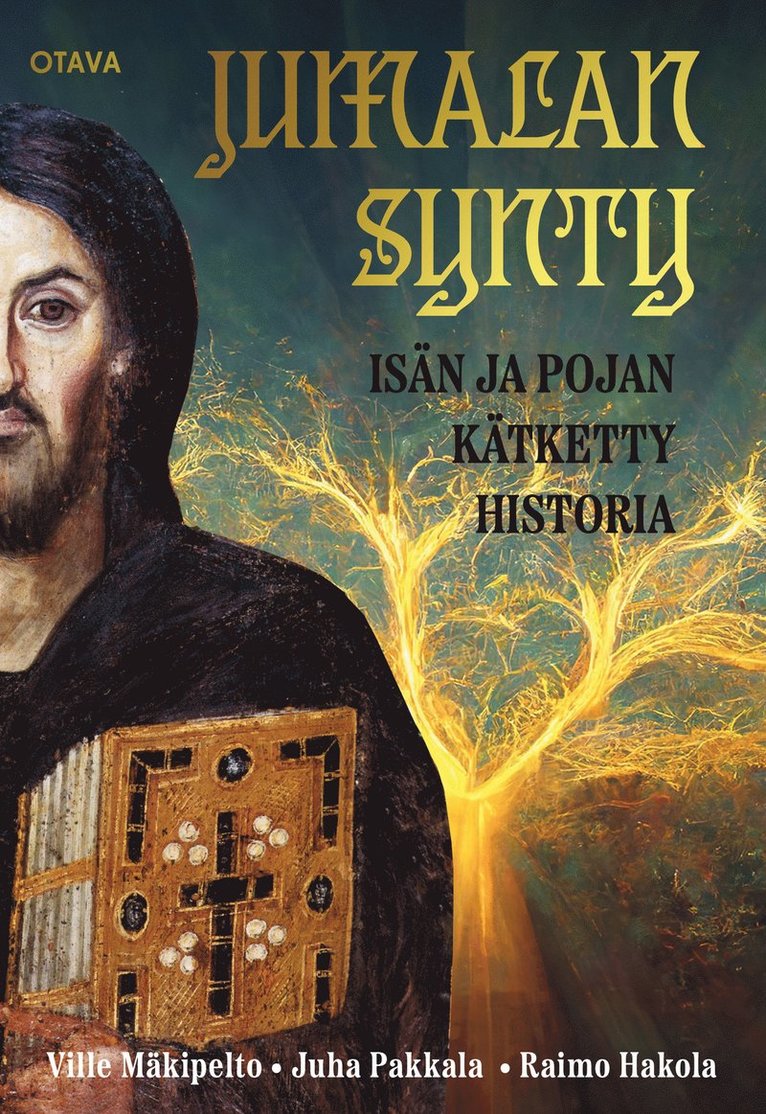
Jumalan synty
Av Ville Mäkipelto, Juha Pakkala m. fl.
E-bok, 2025
433 kr
Lägg i varukorg
Rohkea tietokirja valottaa Jumalan inhimillistä taustaa. Jumala on yksi historiaan eniten vaikuttaneista ideoista. Hänellä on perusteltu niin sortoa kuin hyviä tekoja. Juutalaisuudessa ja kristinuskossa kaikkivaltiaan uskotaan olevan muuttumaton, mutta arkeologian ja kriittisen tekstintutkimuksen …
Jumalan synty
Av Ville Mäkipelto, Juha Pakkala m. fl.
Ljudbok, 2025
433 kr
Lägg i varukorg
Rohkea tietokirja valottaa Jumalan inhimillistä taustaa. Jumala on yksi historiaan eniten vaikuttaneista ideoista. Hänellä on perusteltu niin sortoa kuin hyviä tekoja. Juutalaisuudessa ja kristinuskossa kaikkivaltiaan uskotaan olevan muuttumaton, mutta arkeologian ja kriittisen tekstintutkimuksen …