Julia Clancy-Smith – författare
Visar alla böcker från författaren Julia Clancy-Smith. Handla med fri frakt och snabb leverans.
7 produkter
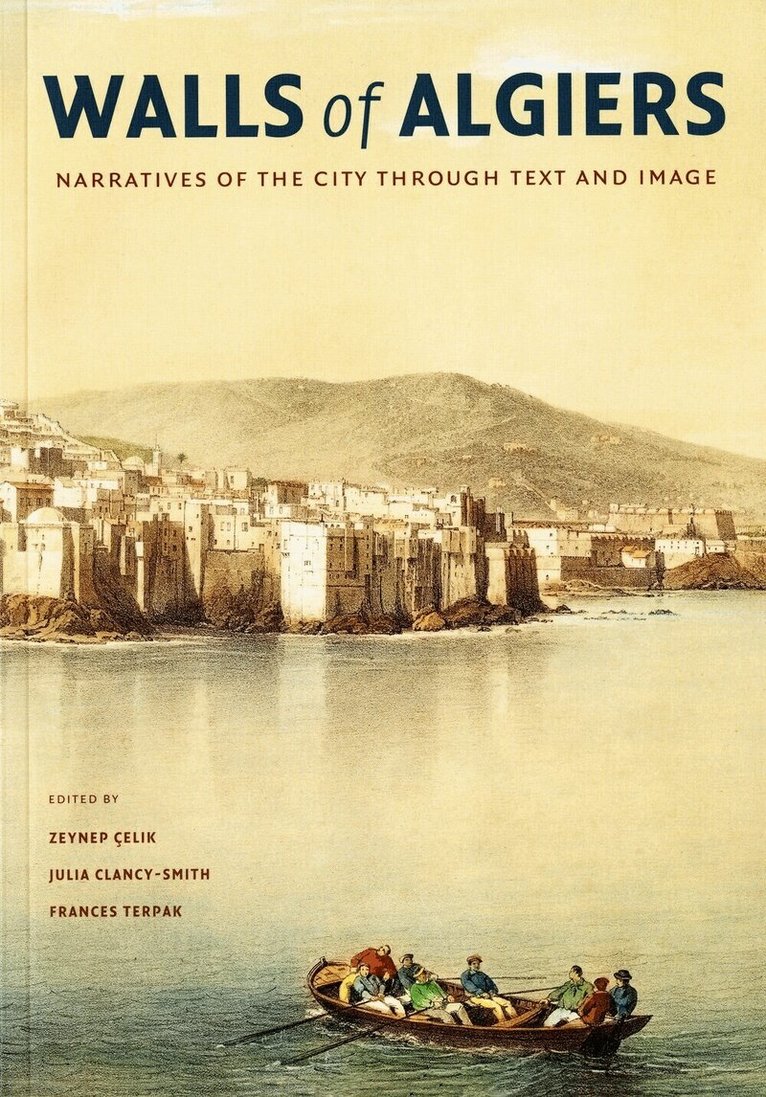
Walls of Algiers
Narratives of the City through Text and Image
Av Zeynep Celik, Julia Clancy-Smith m. fl.
Häftad, 2009
630 kr
Lägg i varukorg
Walls of Algiers examines the historical processes that transformed Ottoman Algiers, the "Bulwark of Islam," into "Alger la blanche," the colonial urban showpiece - and, after the outbreak of revolution in 1954 - counter-model of France's global empire. In this volume, the city of Algiers serves as …
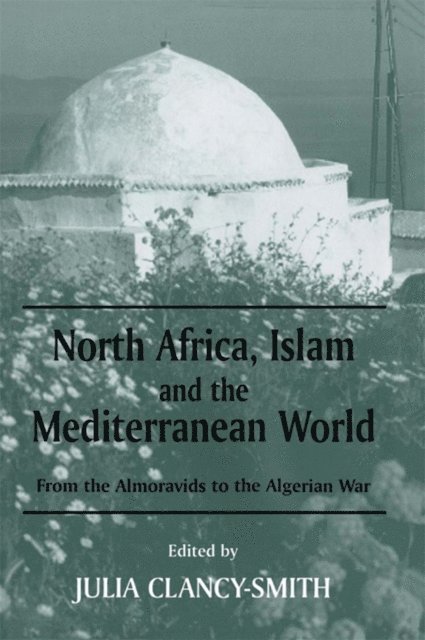
North Africa, Islam and the Mediterranean World
From the Almoravids to the Algerian War
Inbunden, 2001
2591 kr
Lägg i varukorg
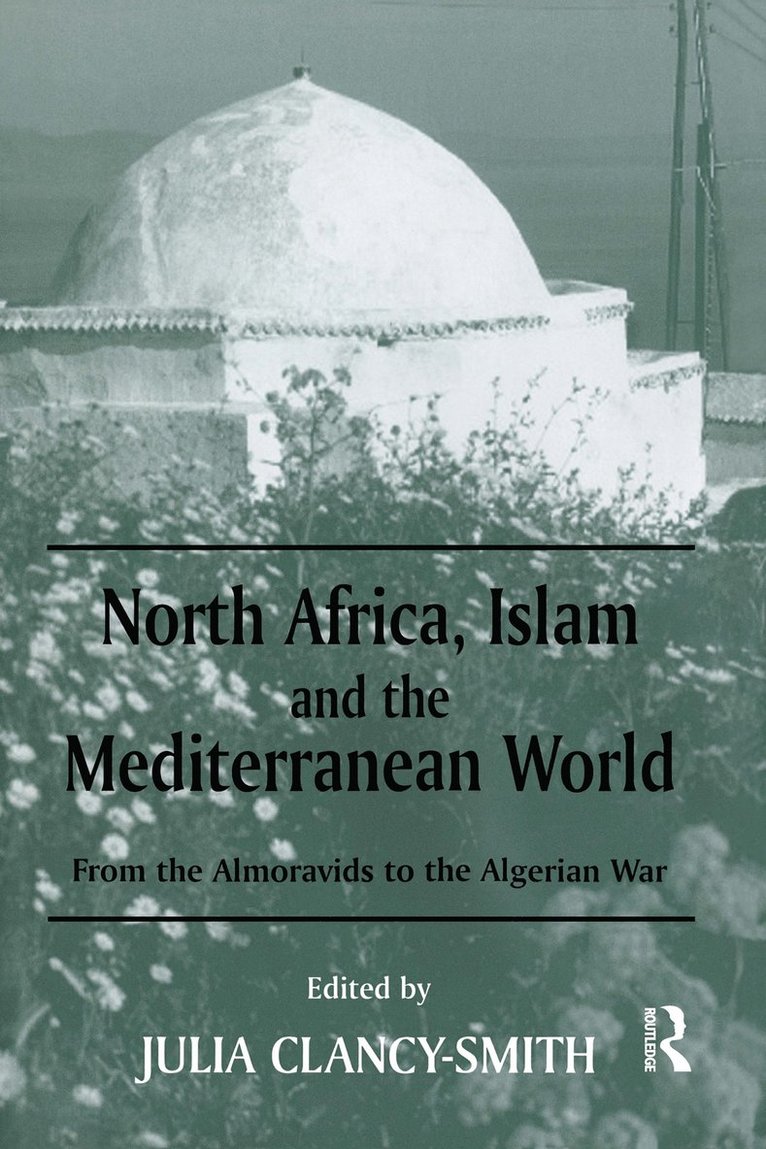
Long regarded as the preserve of French scholars and Francophone audiences due to its significance to France's colonial empire, North Africa is increasingly recognized for its own singular importance as a crossover region. Situated where Islamic, Mediterranean, African, and European histories …
North Africa, Islam and the Mediterranean World
From the Almoravids to the Algerian War
Häftad, 2001
935 kr
Lägg i varukorg
Long regarded as the preserve of French scholars and Francophone audiences due to its significance to France's colonial empire, North Africa is increasingly recognized for its own singular importance as a crossover region. Situated where Islamic, Mediterranean, African, and European histories …
North Africa, Islam and the Mediterranean World
From the Almoravids to the Algerian War
E-bok, 2013
1082 kr
Lägg i varukorg
Long regarded as the preserve of French scholars and Francophone audiences due to its significance to France''s colonial empire, North Africa is increasingly recognized for its own singular importance as a crossover region. Situated where Islamic, Mediterranean, African, and European histories …
North Africa, Islam and the Mediterranean World
From the Almoravids to the Algerian War
E-bok, 2013
1074 kr
Lägg i varukorg
Long regarded as the preserve of French scholars and Francophone audiences due to its significance to France''s colonial empire, North Africa is increasingly recognized for its own singular importance as a crossover region. Situated where Islamic, Mediterranean, African, and European histories …
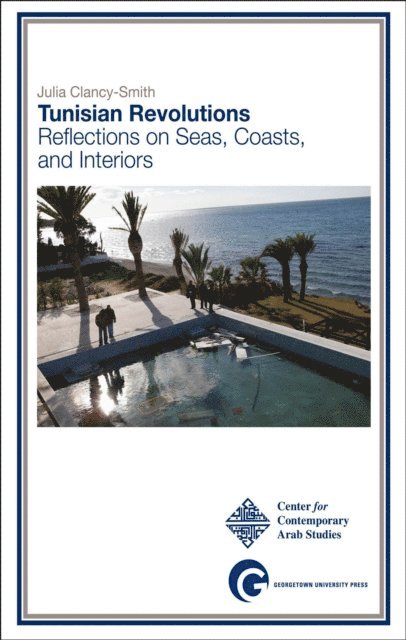
Tunisian Revolutions
Reflections on Seas, Coasts, and Interiors
E-bok, 2014
88 kr
Lägg i varukorg
In December 2010 an out-of-work Tunisian street vendor, Mohamed Bouazizi, set himself on fire and precipitated the Arab Spring. Popular interpretations of Bouazizi''s self-immolation presented economic and political oppression by the Ben Ali regimes as the root causes of widespread social despair …
Tunisian Revolutions
Reflections on Seas, Coasts, and Interiors
Häftad, 2014
186 kr
Lägg i varukorg
In December 2010 an out-of-work Tunisian street vendor, Mohamed Bouazizi, set himself on fire and precipitated the Arab Spring. Popular interpretations of Bouazizi's self-immolation presented economic and political oppression by the Ben Ali regimes as the root causes of widespread social despair …